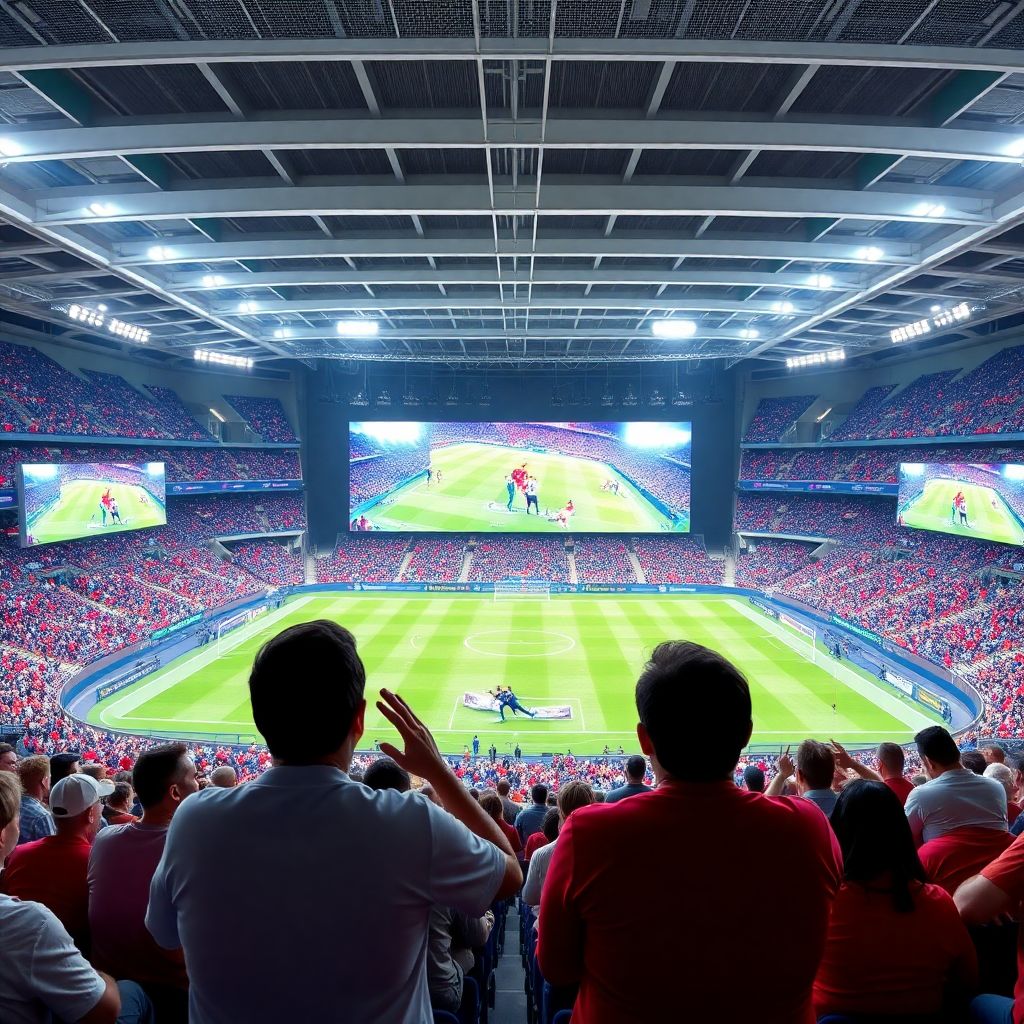
Television and social media have rewritten football match narratives by multiplying storytellers, fragmenting attention and turning every play into shareable content. Broadcasters, apps and fans now co‑produce meaning in real time, so what audiences remember depends less on the full 90 minutes and more on how key moments are framed, replayed and circulated.
Myths vs. realities in modern match storytelling
- Myth: TV commentators are the only «real» narrators. Reality: social threads, clips and fan streams often dominate how people remember the game.
- Myth: the match story is linear, from minute 1 to 90. Reality: highlights, memes and controversial calls restructure it around a few key moments.
- Myth: technology makes narratives neutral. Reality: VAR angles, replay speed and graphic design strongly influence perceived fairness and intent.
- Myth: monetisation just «sits on top» of the story. Reality: rights deals and packages decide which matches, angles and players get screen time.
- Myth: clubs can correct narratives only in press conferences. Reality: they now respond instantly via clips, explainers and coordinated social content.
- Myth: platforms for ver fútbol en vivo por internet simply distribute the same TV feed. Reality: they add new layers of stats, multi‑angles and chat that reshape the viewing experience.
Enduring myths: broadcasters as sole narrators of the match
Historically, television commentators seemed to «own» the story of a football match: one broadcast, one voice, one set of replays. In that model, the narrative was relatively stable. Fans might debate calls in bars, but the key images and angles came from a single, central producer.
That idea no longer fits how people actually consume football. Many viewers now combine suscripción TV deportiva fútbol with aplicaciones para ver partidos de fútbol en directo, follow live Twitter threads and scroll TikTok at halftime. Narration has turned into an ecosystem where TV crews, influencers, data accounts and even players’ own channels compete to frame what matters.
For media teams and club communicators, the practical implication is simple: treating the main TV feed as «the story» is a strategic mistake. Instead, you need to design content knowing that clips will be cut up, remixed and re‑contextualised across mejores plataformas para ver fútbol online and open social networks. The official broadcast is just the spine; everything else adds or subtracts layers from that spine.
This shift also changes responsibility. When a controversial offside or VAR decision happens, fans no longer wait for the commentator’s explanation. They watch screen‑recorded clips, listen to ex‑referees on YouTube and compare still frames. Broadcasters are still powerful, but they now share narrative control with thousands of micro‑narrators publishing in real time.
How camera work and replays craft a match’s emotional arc
Camera choices and replay packages quietly define the emotional rhythm of a match. Understanding these mechanics helps you plan more intentional storytelling, whether you work on TV, a club channel or a streaming platform.
- Angle selection in key moments: A penalty can look soft, clear or even theatrical depending on whether the director cuts to a wide tactical shot, a tight angle from behind the striker or a slow‑motion of the defender’s leg. For coaching staff and analysts, this means always archiving «neutral» angles, not just the TV default.
- Replay timing and repetition: Showing a harsh tackle three times in slow motion, right after the live action, amplifies outrage and can shift commentators’ tone. If you produce your own feed, decide in advance which situations merit multiple replays and which should be acknowledged once and parked.
- Speed manipulation: Slow motion makes almost every contact look more intentional. At normal speed, a handball may seem unavoidable; in ultra slow‑mo, it looks like deliberate control. Directors and club content teams should be aware that publishing only slow‑mo clips of incidents can unintentionally bias fan perception.
- Cutaways to crowd, benches and coaches: Shots of anxious supporters, furious managers or laughing substitutes add human context and heavily colour the narrative: «dominance under pressure», «chaos», «complacency». Plan these cutaways as part of your visual vocabulary rather than leaving them to chance.
- Graphic overlays and stat boards: Live xG graphs, pressing maps or heatmaps do more than inform; they tell a specific story such as «control vs. efficiency». If you are building OTT experiences for ver fútbol en vivo por internet, decide which metrics support the story your brand wants to be known for.
- Highlight reel curation: The post‑match clip that travels across paquetes de televisión con canales de fútbol and social platforms is usually not a neutral summary. The order of chances, the inclusion or exclusion of near‑misses and the chosen commentary track all steer emotions toward «deserved win», «robbery» or «miracle comeback».
Social platforms as realtime editors: threads, clips and memetic framing
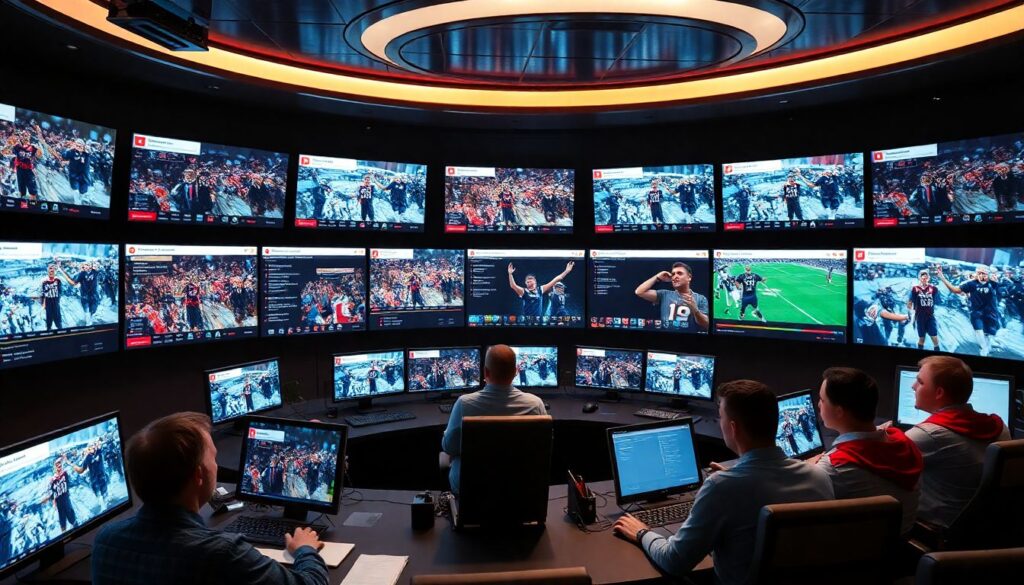
Social networks act as parallel broadcast rooms where every user can be an editor. Instead of one version of the match, you get dozens of overlapping timelines. For practitioners, the question is not «if» but «how» to shape those timelines consciously.
- Threaded live commentary: Journalists and fan accounts live‑tweet or live‑post with their own angles: tactical, humorous, refereeing‑focused. These threads create mini‑narratives («referee scandal», «manager masterclass») that many fans will remember more clearly than the original TV commentary.
- Short‑form vertical clips: Platforms prioritise 15-60 second videos. A nutmeg, a goalkeeper error or a bench reaction can outperform the official goal video in reach. Clubs should design camera plans and rights‑cleared snippets specifically optimised for this format.
- Memes and reaction images: A single freeze‑frame can become the defining symbol of a match: a coach’s expression, a missed sitter, a fan in disbelief. Social teams should monitor early meme formats and, when appropriate, lean into them with self‑aware content instead of fighting them.
- Creator and influencer watch‑alongs: Streamers hosting alternative commentaries on mejores plataformas para ver fútbol online or via legal watch‑together features on services offering ver fútbol en vivo por internet can reframe matches as comedy shows, tactical lectures or emotional therapy. Clubs benefit by collaborating with creators whose tone aligns with their brand.
- Fan‑side footage: Phone videos from the stands or bars often feel more «authentic» than the broadcast. They are powerful tools for atmosphere‑driven storytelling but also sources of out‑of‑context clips that can inflame controversies.
- Post‑match narrative battles: After the final whistle, competing storylines emerge: «bottlers», «robbed», «resilient comeback». Fast, well‑produced recap threads, mixed‑zone quotes and explainers can tilt that balance before overnight opinion solidifies.
Technology’s voice: VAR, goal-line systems and the visual legitimacy of decisions
VAR and goal‑line technology do more than correct errors; they speak a visual language that shapes fans’ sense of fairness. How those tools are framed on TV and in apps can either calm or inflame audiences. Treat them as narrative devices, not just officiating aids.
Upsides of tech‑driven storytelling
- Standardised visual evidence (offside lines, calibrated goal‑line graphics) makes explanations concrete and easier to understand for neutral viewers.
- Multi‑angle replays allow broadcasters and club channels to build educational content about laws of the game, improving literacy among fans.
- Timely VAR communications, combined with on‑screen captions, reduce confusion in stadiums and among remote audiences using aplicaciones para ver partidos de fútbol en directo.
- Archivable tech graphics provide clubs with material to support post‑match transparency pieces (e.g., «inside VAR room» features).
Limitations and narrative risks
- Partial transparency: showing one or two angles while hiding others feeds conspiracy theories, especially when social clips reveal different views.
- Complexity of rules: offside and handball interpretations are subtle; simple 2D graphics can oversimplify and mislead as much as they clarify.
- Time delays: long VAR checks interrupt momentum, giving social media more time to spin alternative narratives before any official verdict appears.
- Perception of infallibility: presenting tech overlays as definitive «truth» can backfire when later images suggest ambiguity, undermining trust in both officials and broadcasters.
Monetisation and attention: highlights, packaging and what gets amplified
Rights, ads and subscriptions have a direct impact on which stories dominate. Understanding these forces helps you avoid naive assumptions about «organic» narratives and design content that serves both sporting and commercial goals.
- Mistake: assuming all minutes are equal
In reality, only a handful of moments will ever make it into highlight packages that travel across paquetes de televisión con canales de fútbol, YouTube compilations and social feeds. If you do not plan how your brand appears in those moments (graphics, language, reactions), you leave your most valuable real estate un‑designed. - Myth: paywalled matches are invisible on social
Even when full games sit behind suscripción TV deportiva fútbol, key clips leak or are licensed out quickly. Smart broadcasters pre‑cut branded snippets that creators can reuse, turning «piracy pressure» into controlled amplification. - Mistake: treating OTT platforms as clones of linear TV
Services that let people ver fútbol en vivo por internet have different retention patterns: viewers pause, rewind and watch on phones. Packages must be shorter, more contextual and supported by concise descriptions that work in app carousels, not just in a TV EPG. - Myth: monetisation is separate from editorial decisions
Choosing which leagues get prime slots in paquetes de televisión con canales de fútbol, or which matches are pushed in homepage banners, silently rewrites the hierarchy of «important» football. Communication teams should anticipate how this affects fan perceptions of status and rivalry. - Mistake: ignoring long‑tail narratives
Goal compilations sell quickly, but mini‑docs, tactical explainers and behind‑the‑scenes series build durable attachment. Over‑investing in one‑off viral moments weakens your ability to own nuanced, long‑term storylines around identity, style and culture.
Tactical and PR responses: teams, players and managers shaping post-match narratives
Clubs and managers cannot control every screenshot or meme, but they can strategically influence which narratives stick after a match. Treat the final whistle as the start of a second game: the communication game.
Consider this simplified mini‑case from a high‑stakes derby in Spain, designed to illustrate a practical workflow more than a specific historic match:
- Context: The home team dominates, misses several clear chances and concedes on a late counter. Social chatter immediately frames the result as «choking» and questions the manager’s substitutions.
- Immediate content actions (0-30 minutes post‑match):
- Publish a short highlight reel focused on pressing, shot volume and defensive control, not just the conceded goal.
- Release two multi‑angle clips of the biggest missed chances, with calm, factual captions («third big chance created by left‑side overload»).
- Post a still image of the manager applauding players, reinforcing unity instead of despair.
- Manager’s narrative in media:
- Key talking points prepared with analysts: «created enough to win», «structure worked, execution lacked final touch», «happy with attitude».
- Specific references to expected goals and shot quality, aligned with graphics that will later appear in the club’s own recap video.
- Player‑driven framing:
- Two senior players briefed to emphasise «performance over result» in flash interviews.
- Coordinated Instagram posts the next morning, mixing frustration with determination and selected training photos.
- Follow‑up explainer (next 24 hours):
- Ten‑minute video on the club’s YouTube channel and OTT app, showing tactical clips that justify the game plan.
- Short vertical slices of that video distributed across aplicaciones para ver partidos de fútbol en directo and social platforms, targeting younger audiences who rarely watch full analysis shows.
- Outcome: You will not erase the «bottling» narrative, but you create a strong alternative: «process is sound, finishing variance hurt us». Over time, consistently managing this second‑game strategy reshapes how fans interpret tight losses and pressure moments.
Concise clarifications on narrative shifts
Is television still the main storyteller in football matches?
TV is still the most powerful single storyteller, but not the only one. Social platforms, fan creators and club media now co‑author the narrative, especially through short clips and memes that spread faster and further than the original broadcast.
How do streaming and online platforms change match narratives?
Streaming services that let viewers ver fútbol en vivo por internet make the experience more personalised: people watch on multiple devices, with chats, stats and alternative commentaries. This fragments attention and encourages parallel storylines beyond the official TV feed.
Why does VAR feel so controversial if it aims to bring fairness?
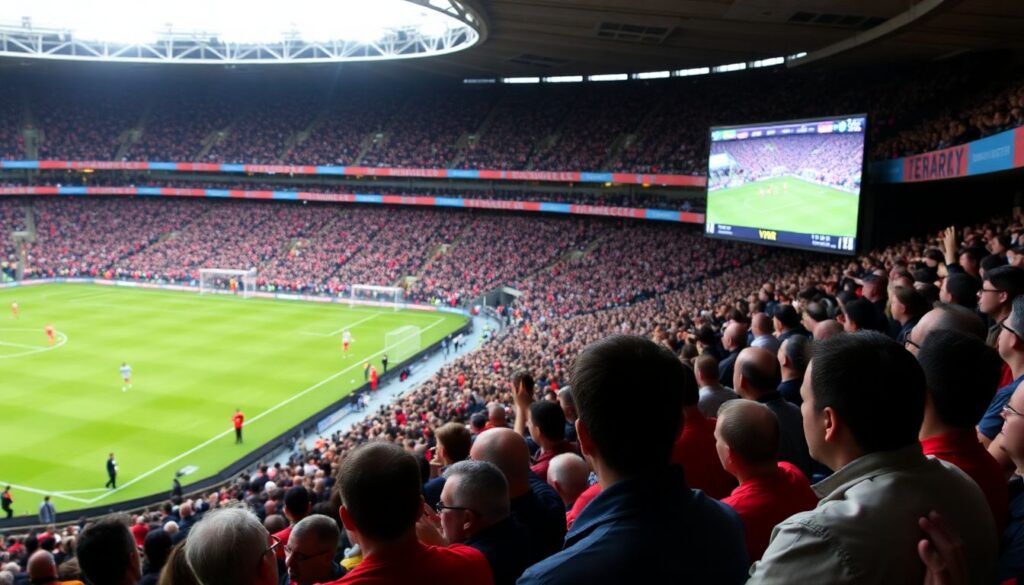
VAR’s images look authoritative, but they are still selected, edited and timed by humans. Limited angles, slow‑motion bias and delays can make decisions feel more suspicious, not less, unless communication around them is transparent and well‑explained.
What should clubs prioritise in their own post-match storytelling?
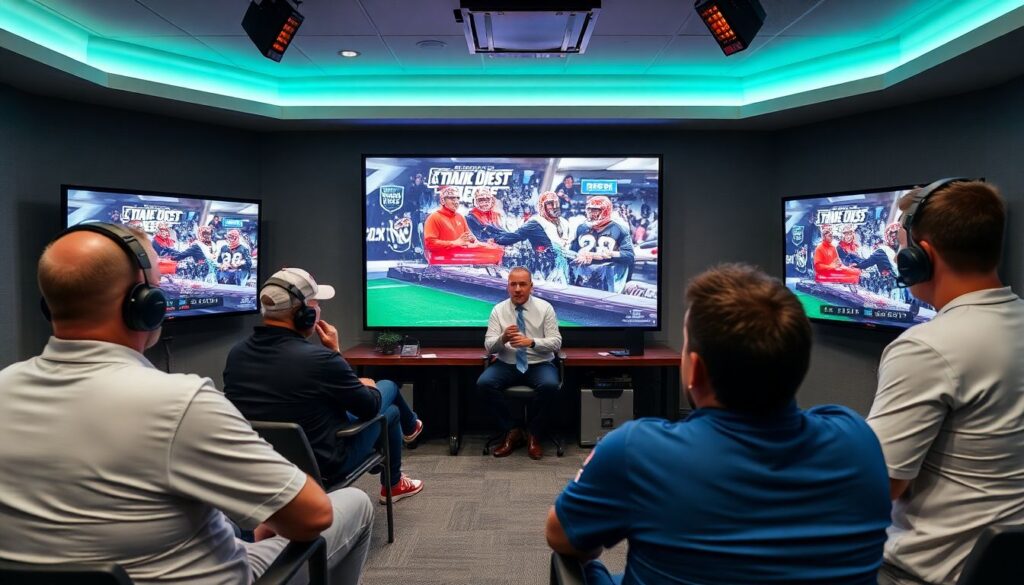
Clubs should prioritise speed, clarity and consistency: quick recap clips, coherent talking points for coaches and players, and visual evidence that supports their version of events. Waiting 24 hours usually means losing the narrative to external voices.
Are highlight packages enough to engage modern fans?
Highlights are necessary but not sufficient. Fans also expect behind‑the‑scenes access, tactical breakdowns and personality‑driven content. Combining short, shareable moments with deeper episodic series creates both reach and long‑term loyalty.
How can broadcasters and clubs work better with influencers?
They should view influencers as co‑storytellers, not competitors. Offering timely, rights‑cleared clips, access and clear guidelines helps creators amplify preferred narratives while maintaining brand and legal control.
Do statistics and graphics risk oversimplifying football stories?
Yes, when they are used as slogans rather than tools. Stats should complement, not replace, context from video and expert insight. Choosing which numbers to show is itself a narrative decision that needs editorial discipline.