Gendered resistance to women’s football is the set of cultural attitudes, practices and structures that devalue, block or slow the development of the women’s game compared with men’s football. It appears in media coverage, funding, governance and everyday fan behaviour, and must be understood historically to design effective change strategies.
Core Concepts: Gendered Resistance in Football
- Resistance is not only open rejection; it also includes silence, underfunding and low visibility.
- Historical bans and stereotypes about femininity in sport still shape expectations today.
- Media, institutions and fans co-produce narratives that either legitimise or challenge women’s football.
- Economic arguments about profitability often hide deeper gender bias.
- Grassroots actors can generate change even with very limited resources.
- Spain offers clear examples, from the liga fútbol femenino España próximos partidos to local school leagues.
Historical Roots of Excluding Women from Football
Gendered resistance to women’s football has deep historical roots. For much of the twentieth century, football was constructed as a masculine space, tied to ideas of physical strength, nationalism and paid labour. Women were positioned as supporters, not players, and their presence on the pitch was treated as a threat to the sport’s identity.
In many countries, including European contexts comparable to Spain, women’s teams were actively discouraged or even banned by football associations. Medicalised arguments about women’s bodies, moral panic over mixed crowds and fears of diluting men’s competitions were common justifications. These narratives normalised the absence of women and made exclusion appear «natural».
When bans and explicit restrictions were lifted, the legacy did not disappear. Men’s clubs already had facilities, fan cultures and media relationships, while women’s teams often started from scratch or were attached to men’s brands on unequal terms. Even today, debates around fútbol femenino entradas partidos, stadium access and scheduling reflect these historical asymmetries in who is seen as the «default» football subject.
Understanding this past clarifies why contemporary resistance is often subtle. It is built into routines and expectations: who trains at the best hours, who plays on the main pitch, who appears in club history materials, and whose matches are promoted as central to the institution’s identity.
Sociocultural Mechanisms That Sustain Resistance
Current resistance is sustained by everyday sociocultural mechanisms rather than explicit bans. These mechanisms work together to keep women’s football marginal or «secondary», even where formal equality exists on paper.
- Gender stereotypes and norms: Ideas that football is «naturally» masculine, that girls should choose more «elegant» sports, or that competitiveness is unfeminine, still influence parents, coaches and young players.
- Double standards in performance evaluation: Mistakes in women’s matches are read as proof that the whole sport is lower quality, while similar errors in men’s games are ignored or romanticised as drama.
- Symbolic hierarchies inside clubs: Men’s teams get prime facilities, prime-time slots and main communication channels, while women’s squads are framed as «add-ons» that must be grateful for whatever is available.
- Everyday language and jokes: Sexist chants, jokes about women goalkeepers, or using «you play like a girl» as an insult shape the emotional environment in which girls decide whether to continue.
- Family and community expectations: In many households, girls are expected to help with care work or study instead of training; boys’ football is seen as an investment, girls’ football as a hobby.
- Fan identity and tradition: Some supporters defend a narrow image of «real» football that excludes women, arguing that change threatens club culture or stadium authenticity.
These mechanisms reinforce each other. For example, parents influenced by stereotypes may hesitate to enrol daughters in academias de fútbol femenino para niñas, clubs see fewer girls in their systems, and then use this «low demand» to justify limited investment, closing a circular logic of resistance.
Media Representation and Narrative Framing of Women’s Football
Media are central to how resistance operates because they define what counts as «important» football. Underrepresentation, trivialisation or fragmented coverage all send signals about value and legitimacy, especially in a media-saturated context like Spain.
Common narrative patterns in coverage
- Event-only visibility: Women’s football appears mainly during major tournaments, while domestic leagues receive minimal attention. Fans searching for liga fútbol femenino España próximos partidos often find incomplete or last-minute information compared with men’s fixtures.
- Human-interest over tactical analysis: Stories focus on players’ families, emotions or appearance instead of detailed tactical breakdowns regularly offered in men’s football. This frames the women’s game as sentimental rather than professionally complex.
- Comparative framing as «less than»: Headlines routinely compare women’s teams to male equivalents («the female version of…») instead of presenting them as standalone entities, reinforcing a hierarchy.
- Commercial framing with limited integration: Brands may promote camisetas fútbol femenino selección comprar around big tournaments but fail to integrate women’s players into long-term campaigns, making their visibility episodic and replaceable.
- Risky or sensationalist topics: When discussing apuestas fútbol femenino online, coverage often focuses on scandals or match-fixing fears rather than education on integrity, responsible betting and structural safeguards, which again frames the women’s game as unstable.
Small shifts in these patterns can reduce resistance: consistent listing of women’s fixtures, normalised tactical analysis, and integrated commercial campaigns help position women’s football as an ordinary, central part of the sport rather than a special side story.
Everyday scenarios of resistance in media and fandom
Several recurring scenarios illustrate how media and fan practices reproduce resistance in daily life:
- A club posts detailed previews for the men’s team but announces women’s matches only the same day, making it harder to plan attendance or buy fútbol femenino entradas partidos in advance.
- Sports radio shows dedicate long segments to lower-division men’s games yet mention top women’s fixtures briefly, after advertising, which signals a hierarchy of importance.
- Digital platforms highlight odds and analysis for men’s competitions while offering limited data for apuestas fútbol femenino online, reinforcing the idea that the women’s game is «too niche» to be taken seriously.
These patterns are not neutral; they teach audiences what deserves attention. Changing them does not require huge budgets: it can start with consistent information, equal treatment in club channels and deliberate editorial choices.
Institutional Barriers: Governance, Rules and Access
Institutions can either stabilise resistance or challenge it. Governance structures, competition rules and access policies shape who can participate, how resources are distributed and whose voices matter in decision-making. These structures have both positive potential and real limitations.
Institutional opportunities that can support inclusion
- Clear regulations that require clubs to provide equitable access to pitches, medical staff and training times for women’s and girls’ teams.
- National and regional federations integrating women’s competitions into their main calendars, communication platforms and strategic plans.
- Licensing criteria that encourage professional clubs to run academias de fútbol femenino para niñas as part of their youth structures.
- Partnerships between municipalities and clubs to secure safe, affordable facilities for girls’ teams, especially in resource-poor areas.
- Transparent disciplinary processes for sexist abuse in stadiums or online spaces, signalling that gender-based hostility is not tolerated.
Persistent institutional limitations and obstacles
- Under-representation of women and gender experts on federation boards, disciplinary committees and club executive teams.
- Scheduling women’s matches at inconvenient times or secondary venues, limiting attendance, broadcast quality and commercial appeal.
- Unequal prize money, travel conditions and support services between men’s and women’s competitions, even when both are officially «professional».
- Regulatory gaps around maternity, part-time contracts or dual-career policies, which disproportionately affect women players.
- Weak enforcement of existing equality policies; clubs can formally comply while maintaining everyday practices that privilege men’s teams.
Institutional reform is necessary but not sufficient. Without pressure from fans, players and community actors, formal rules may remain symbolic and leave deeper cultural resistance untouched.
Economic Dynamics: Funding, Sponsorship and Commercial Value
Economic arguments often appear «objective», but they are shaped by choices about what to measure and promote. Several recurring myths and mistakes help justify underinvestment in women’s football while ignoring its potential and the impact of past exclusion.
- Myth: «There is no demand» for women’s football. Demand is not only spontaneous; it is created through promotion, scheduling and access. If clubs rarely advertise fútbol femenino entradas partidos or schedule games at inaccessible times, low attendance says more about strategy than intrinsic interest.
- Myth: Merchandise for women’s teams does not sell. Fans cannot buy what is not produced or visible. When clubs stock few sizes or hide products, such as not clearly promoting camisetas fútbol femenino selección comprar on their official channels, low sales become a self-fulfilling prophecy.
- Error: Treating women’s football as a side project. Sponsors often enter with small, short-term deals, framing the women’s game as a CSR gesture rather than a core business opportunity, which limits long-term planning and professionalisation.
- Myth: Betting and media rights will never be significant. While integrity concerns around apuestas fútbol femenino online are real, they should lead to robust regulation and education, not to exclusion from commercial ecosystems that can finance better structures.
- Error: Ignoring alternative revenue for low-resource contexts. In communities where stadium infrastructure is limited, focusing only on traditional ticket sales overlooks lower-cost strategies: live-streaming, local sponsorships, or community membership models that monetise engagement differently.
Recognising these myths is important because economic narratives are often used to shut down debate: «We would invest if it were profitable.» In reality, profitability depends on intentional development, not passive waiting.
Practical Pathways: From Grassroots Organizing to Policy Change
Transforming a culture of resistance requires connecting everyday practices with structural reforms. Even with minimal budgets, actors at different levels can take concrete steps that shift norms, redistribute visibility and open pathways for girls and women in football.
Low-resource strategies for clubs and community groups
- Coordinate calendars and visibility: Publish integrated schedules where women’s and men’s fixtures appear together, online and on venue boards, including clear information on liga fútbol femenino España próximos partidos.
- Shared branding with distinct identity: Use the same club crest and colours but create specific storytelling around women’s teams, encouraging fans to buy both men’s and women’s gear rather than treating women’s items as «extras».
- Micro-sponsorships: When big sponsors are absent, seek several small local partners to support specific needs (transport, kits, medical checks), making it easier for businesses with limited budgets to participate.
- Low-cost media production: Use basic streaming tools and social media to broadcast matches, post highlights and short tactical analyses, building a culture that treats women’s football as technically serious.
Supporting player pathways and participation
- Collaborate with schools and families: Organise open days where girls can try football for free; provide clear information about nearby academias de fútbol femenino para niñas, scholarships and training schedules.
- Mentorship and role models: Invite senior players to train with younger age groups, share study-work-sport strategies and discuss how they navigated resistance.
- Accessible fan experiences: For families who cannot afford frequent tickets, combine a few match-day visits with free community events, open training sessions and streaming parties, broadening contact with the women’s game beyond paid attendance.
Advocacy and policy-oriented actions
- Data collection and storytelling: Document local progress-growth in girls’ teams, higher attendance or sponsorships-and use these narratives to influence municipal and federation policies.
- Coalitions across disciplines: Connect clubs with gender studies departments, NGOs and fan groups to co-design anti-sexism protocols, training for coaches and inclusive communication guidelines.
- Engage regulators on integrity and betting: Work with authorities to ensure that apuestas fútbol femenino online are regulated with clear integrity safeguards, while defending the right of the women’s game to participate in legal commercial ecosystems.
Change is cumulative. Small local projects-like a modest academy, a consistent streaming channel or a campaign around camisetas fútbol femenino selección comprar-can add up to a visible challenge to deep-rooted resistance, especially when linked to broader policy debates at federation and governmental levels.
Clarifying Misconceptions and Practical Questions about Resistance to Women’s Football
Is resistance to women’s football mainly about individual sexist fans?

Individual attitudes matter, but resistance is largely structural. It is embedded in institutions, media routines, economic decisions and inherited traditions. Focusing only on «bad fans» hides how clubs, federations and broadcasters organise inequality through everyday practices and policies.
Does improving quality of play automatically eliminate resistance?
No. Quality is often judged through biased lenses. Even when performance improves, narratives can still devalue women’s football. Cultural change also requires fair coverage, better conditions, visible role models and challenging double standards in how mistakes and successes are interpreted.
Is it legitimate to market tickets and merchandise for women’s football?
Yes. Treating women’s football as a serious commercial product-promoting fútbol femenino entradas partidos, offering attractive matchday experiences and making it easy to buy team merchandise-supports professionalisation and signals that the women’s game is central, not peripheral.
Can small clubs with little money really make a difference?
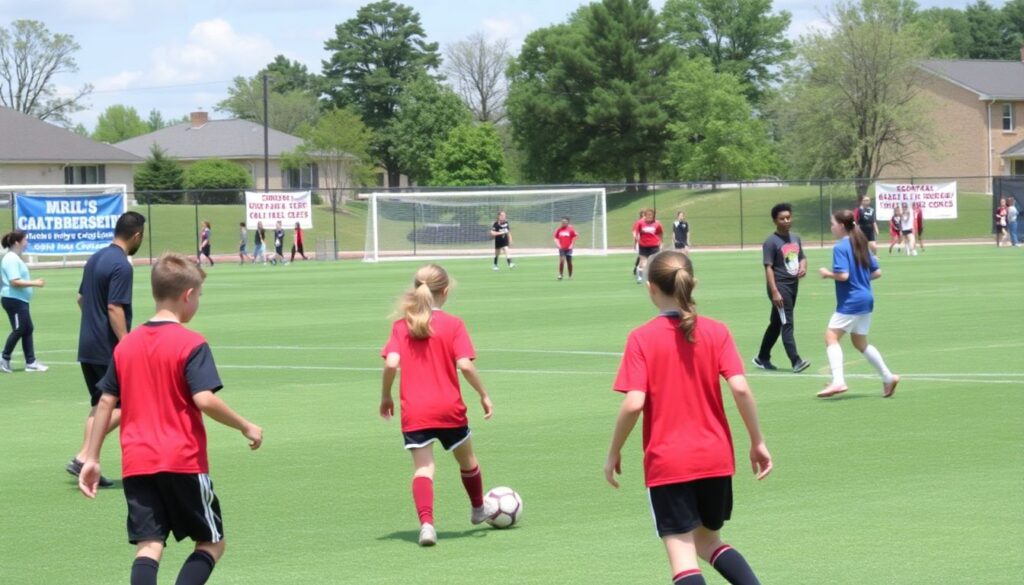
They can. Even with few resources, clubs can share facilities more fairly, coordinate mixed calendars, promote girls’ teams on social media and partner with local schools. These low-cost moves chip away at resistance and create visible alternatives for young players.
Are betting and commercial deals always negative for women’s football?
They are not inherently negative, but they require strong ethical safeguards. The problem is not apuestas fútbol femenino online as such, but unregulated environments and exploitative practices. Proper regulation, transparency and education can reduce risks and support sustainable funding.
Why focus on women’s football when many men’s lower leagues also lack resources?
Resource scarcity in lower men’s leagues is real, but women’s football faces additional gender-specific barriers linked to stereotypes and historical exclusion. Addressing gendered resistance does not mean ignoring other inequalities; it means understanding how they intersect and require different tools.
What can parents do if there is no dedicated girls’ academy nearby?
Parents can look for mixed teams, help create informal training groups, partner with schools to start clubs and advocate with local authorities. They can also push existing academies to open slots for girls or support the creation of small-scale academias de fútbol femenino para niñas.