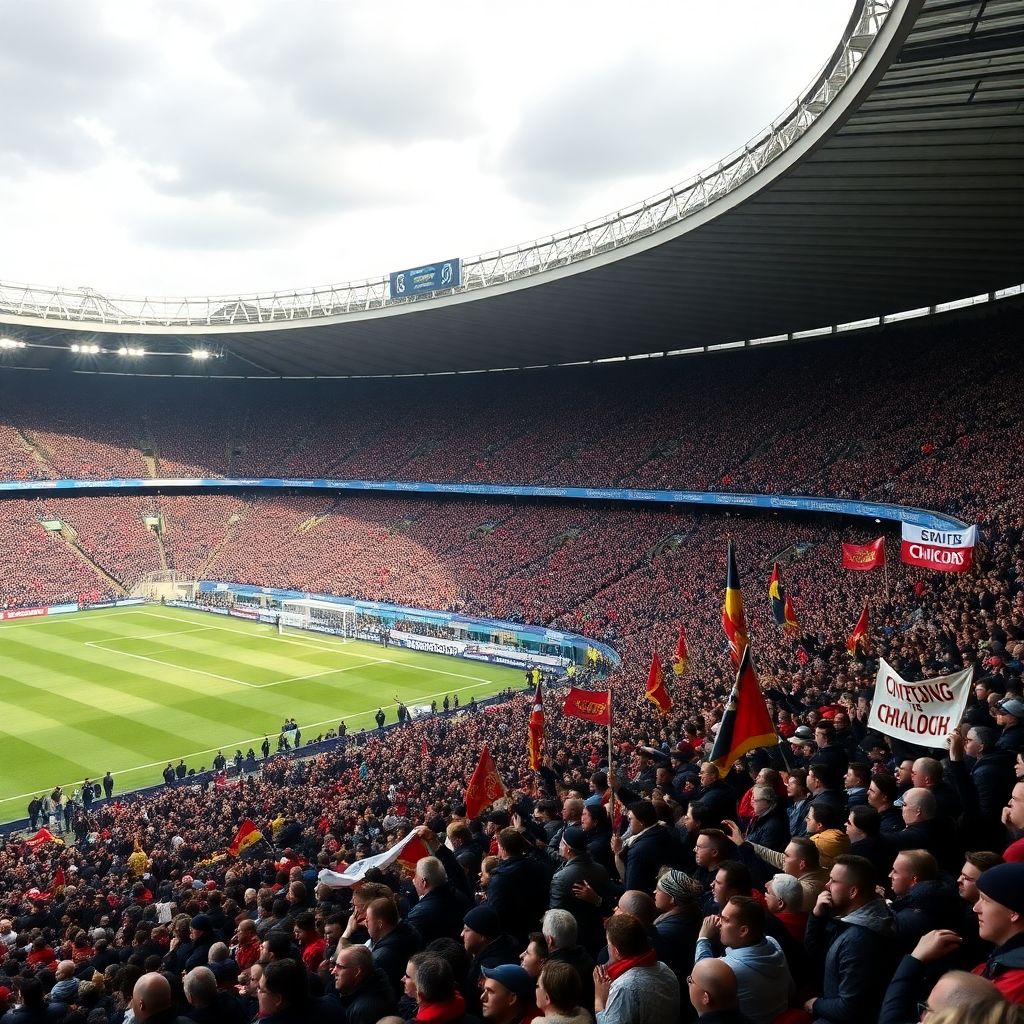
Football commercialization means clubs and competitions are increasingly run as profit‑driven businesses where supporters are treated as segmented markets. The traditional hincha becomes a «fan‑consumer» measured by spending on tickets, TV subscriptions, shirts and hospitality. Yet organised supporters still shape club culture, resist excesses and defend football as a social, not only commercial, space.
Core arguments on football’s commercialization
- The shift from neighbourhood clubs to global brands has reframed the hincha as a target for marketing deportivo fútbol entradas and subscriptions.
- Key income now comes from derechos de televisión fútbol suscripciones streaming, sponsorships and worldwide merchandising.
- Fan rituals, identities and emotions are increasingly packaged as products to be sold back to supporters.
- Supporters gain more access and content, but at the price of higher costs and more fragmented communities.
- Decisions at club level often prioritise commercial partners and corporate clients over match‑going fans.
- Alternative ownership and governance models show it is possible to combine financial sustainability with supporter influence.
Historical shift: from community clubs to commercial enterprises
Historically, football clubs in Spain and elsewhere in Europe emerged as local associations. Members, workers or students organised teams to represent a neighbourhood, workplace or city. The hincha’s role was primarily social and emotional: attending matches, singing, and contributing to the shared identity of the community.
From the late twentieth century onward, a gradual transformation turned many clubs into entertainment businesses. Stadiums became multi‑purpose venues, fixtures were scheduled for TV audiences, and clubs entered global markets for players, sponsors and fans. Even member‑owned clubs were pressured to professionalise management and maximise commercial revenue.
In this context, the supporter is reframed as a consumer segment. Instead of a single «crowd», clubs distinguish between local, national and global fans; between people who buy abonos de temporada fútbol precios y beneficios, tourists who attend one match per year, and audiences who only follow via streaming and social media.
Commercialization does not automatically erase passion or community. It overlays them with market logic: emotions are analysed as data points; loyalty becomes a «brand asset»; terraces are re‑designed to sell more premium experiences. Understanding this shift helps supporters see how and why their everyday experience of football has changed.
Revenue engines: TV rights, sponsorships and global merchandising
Modern football clubs rely on several interconnected income streams that encourage a more consumer‑centred view of fans.
- Broadcasting and streaming rights: Leagues and clubs sell derechos de televisión fútbol suscripciones streaming to broadcasters and platforms. Kick‑off times, matchday schedules and even competition formats are adjusted to maximise audiences and advertising value.
- Matchday ticketing and memberships: Dynamic pricing, family packages and marketing deportivo fútbol entradas segment the stadium into different spending levels. Season tickets and memberships are turned into tiered products with extra services and loyalty programmes.
- Merchandising and global shirt sales: The club badge becomes a fashion logo. The venta de camisetas de fútbol oficiales online, scarves and lifestyle products targets both local hinchas and international supporters who may never visit the stadium.
- Corporate sponsorships and partnerships: Shirt sponsors, stadium naming rights and «official partners» link club identity to commercial brands. Sponsors expect visibility, content and access to fan data, reinforcing the idea of the supporter as a marketing audience.
- Hospitality and VIP experiences: hospitality y paquetes VIP para partidos de fútbol convert parts of the stadium into high‑end corporate spaces, offering catering, networking and comfort well above the standard matchday experience.
- Digital content and data monetisation: Apps, fan tokens and exclusive online content aim to monetise everyday interaction. Personal data and engagement metrics become strategic assets in negotiations with sponsors and broadcasters.
These revenue engines are not neutral; they shape how clubs see and treat their publics. A fan who buys a streaming package, a shirt, and a hospitality ticket is far more visible in the balance sheet than a lifelong supporter who stands on the terrace every week but spends little beyond the basic ticket.
Mini-scenarios: how the logic plays out for different supporters
Scenario 1: The local season‑ticket holder in Spain
A supporter in Sevilla has held an abono for years. The club introduces new abonos de temporada fútbol precios y beneficios with premium tiers that include early ticket windows, online content and discounts on venta de camisetas de fútbol oficiales online. The basic abono rises in price but offers few extras, nudging the fan toward a higher‑spend tier.
Scenario 2: The global streaming fan
A fan in Latin America follows a LaLiga club only through derechos de televisión fútbol suscripciones streaming. Kick‑off times change to reach Asian markets, making late‑night viewing harder. To stay «close», the fan is encouraged to buy digital memberships, NFTs and international shirts instead of match attendance.
Scenario 3: The corporate client
A Madrid company buys hospitality y paquetes VIP para partidos de fútbol to entertain clients. While they may care less about the match, their per‑head spending far exceeds that of ordinary hinchas. Stadium design, catering and even pre‑match entertainment gradually adapt more to this corporate profile than to traditional fans.
Understanding these scenarios helps supporters identify where their own experience sits on the spectrum from hincha to consumer, and where they might want to draw personal red lines.
Fan identity under pressure: loyalty, rituals and commodification
Commercialization operates not only at the level of money but also through symbols, narratives and rituals. Club identity is packaged in ways that can both strengthen and flatten local culture.
- Curated «traditions» for promotional use: Chants, tifos and derby stories appear in marketing campaigns, ticket promotions and social media content. What began as spontaneous fan expression becomes part of the official brand, sometimes sanitised to be sponsor‑friendly.
- Globalised imagery: To sell shirts and TV packages internationally, clubs emphasise recognisable stars and simple slogans that travel well. Complex local histories or political dimensions of support may be downplayed to avoid controversy and appeal to broader markets.
- Segmented stadium culture: Ultra sections, family zones, tourist areas and VIP boxes coexist. While this allows different groups to coexist, it can weaken a unified matchday atmosphere and reduce the informal socialisation of new fans into club traditions.
- Identity through consumption choices: Some supporters express authenticity by refusing certain products (for example, avoiding hospitality y paquetes VIP para partidos de fútbol) or by prioritising local bars and independent fan‑made merchandise over official club stores.
- Digital fan personas: Online, fans curate identities through constant commentary, memes and unboxing of new kits from venta de camisetas de fútbol oficiales online. The boundary between genuine passion and influencer‑style content creation becomes blurred.
For supporters in Spain, where club identity often intersects with local language, politics and history, the key challenge is to use commercial platforms to amplify genuine traditions without allowing them to be reduced to generic entertainment slogans.
Behavioral change: how consumption patterns reshape supporter actions
When fans are addressed mainly as consumers, their habits and expectations adapt. Some changes are beneficial, others risky for the long‑term culture of football.
Perceived advantages for fans
- More flexible ways to follow matches: derechos de televisión fútbol suscripciones streaming make it easier to watch LaLiga or European games from home, on mobile devices or on the move.
- Greater choice of products and price levels: from basic tickets to hospitality y paquetes VIP para partidos de fútbol, supporters can choose the level of comfort and access that fits their budget.
- Extended community beyond geography: digital platforms allow a hincha in Valencia and another in London to share the same live experience, purchase the same venta de camisetas de fútbol oficiales online and feel part of one global crowd.
- Improved stadium comfort and services: commercial pressure can lead clubs to modernise facilities, improve safety, and offer better food, transport information and family‑friendly zones.
- Reward schemes and tangible benefits: abonos de temporada fútbol precios y beneficios often include priority for high‑demand matches, discounts and exclusive events.
Structural drawbacks and limitations
- Exclusion by price: dynamic pricing and premium experiences can gradually push lower‑income supporters away from central stands, derbies or decisive matches.
- Scheduling for TV, not for people: irregular kick‑off times aimed at maximising derechos de televisión fútbol suscripciones streaming can make it harder for local fans, families and away supporters to attend.
- Dependence on constant spending: maintaining «full» fan status may feel tied to buying each new shirt, upgrading abonos de temporada fútbol precios y beneficios or subscribing to multiple streaming platforms.
- Fragmentation of solidarity: when each supporter is treated as an individual customer with personalised offers, collective bargaining and supporter solidarity may weaken.
- Risk of superficial engagement: some fans may relate more as entertainment consumers, easily switching clubs or leagues, reducing the depth of long‑term, place‑based commitment.
On balance, the question is not whether commercialization is good or bad in the abstract, but how much market logic supporters are willing to accept before it undermines what they value most in being hinchas rather than mere customers.
Club governance and market logic: decisions that prioritize income
At boardroom level, commercialization produces repeated patterns of error and misunderstanding about what makes a club sustainable.
- Mistake: Treating supporters as endlessly elastic demand
Assuming fans will always pay more for marketing deportivo fútbol entradas, shirts and subscriptions leads to price hikes that eventually damage attendance, atmosphere and local loyalty. - Mistake: Equating brand growth with sporting success
Focusing on tours, social media metrics and global shirt sales without investing in youth development, coaching and local talent creates fragile «brands» disconnected from performance and community. - Myth: VIP and corporate areas are pure upside
hospitality y paquetes VIP para partidos de fútbol can be profitable, but over‑expansion reduces affordable seating, dilutes traditional singing areas and may erode the club’s unique identity that attracted sponsors in the first place. - Myth: Streaming solves all financial problems
Relying heavily on derechos de televisión fútbol suscripciones streaming exposes clubs to contract renegotiations, platform failures or viewer fatigue, especially if the matchday experience for local hinchas deteriorates. - Mistake: Ignoring supporter knowledge
Boards that dismiss fan groups as merely emotional overlook their deep understanding of ticketing realities, abonos de temporada fútbol precios y beneficios impacts and local community needs.
Recognising these patterns, organised supporters in Spain and Europe have increasingly demanded transparent dialogue on pricing, stadium changes and commercial partnerships, arguing that financial strategies must be tested against long‑term cultural and sporting health.
Alternatives and interventions: models resisting pure marketization
Not all clubs and leagues follow the same intense commercial path. There are models and practices that protect the hincha from becoming only a consumer while keeping clubs financially viable.
Supporter ownership and member‑run clubs
In some Spanish and European contexts, socio models and fan‑share initiatives give supporters voting rights over major decisions. While these clubs still sell marketing deportivo fútbol entradas, streaming packages and official merchandise, the governance structure obliges boards to consider non‑financial criteria such as tradition, accessibility and local engagement.
Example mini‑case (pseudo‑sequence of actions)
Imagine a mid‑table club in Spain facing pressure to increase revenue:
- The board proposes a large reallocation of seats to expand hospitality y paquetes VIP para partidos de fútbol and raises basic ticket prices.
- Supporter groups organise a consultation, collect testimonies from long‑standing abono holders and present alternative abonos de temporada fútbol precios y beneficios models that protect low‑income sections.
- The club establishes a joint committee with fan representatives to redesign pricing, ensuring a quota of affordable tickets and a protected singing section.
- To compensate, the club focuses on improved digital content for derechos de televisión fútbol suscripciones streaming and targeted venta de camisetas de fútbol oficiales online campaigns in new markets.
This kind of negotiated solution shows that commercialization can be shaped, not just suffered. For individual supporters, small interventions-joining an association, attending club assemblies, or simply choosing which products to buy or boycott-are ways to defend football as a shared cultural good rather than a pure marketplace.
Practical concerns supporters commonly raise
Has the fan really become just a consumer in modern football?
Supporters are increasingly treated as consumers, but they are not only that. Emotional commitment, unpaid labour in tifos, and community organising still matter. The risk is allowing clubs and leagues to forget this and design everything only around spending capacity and marketing data.
How can I support my club without endorsing extreme commercialization?
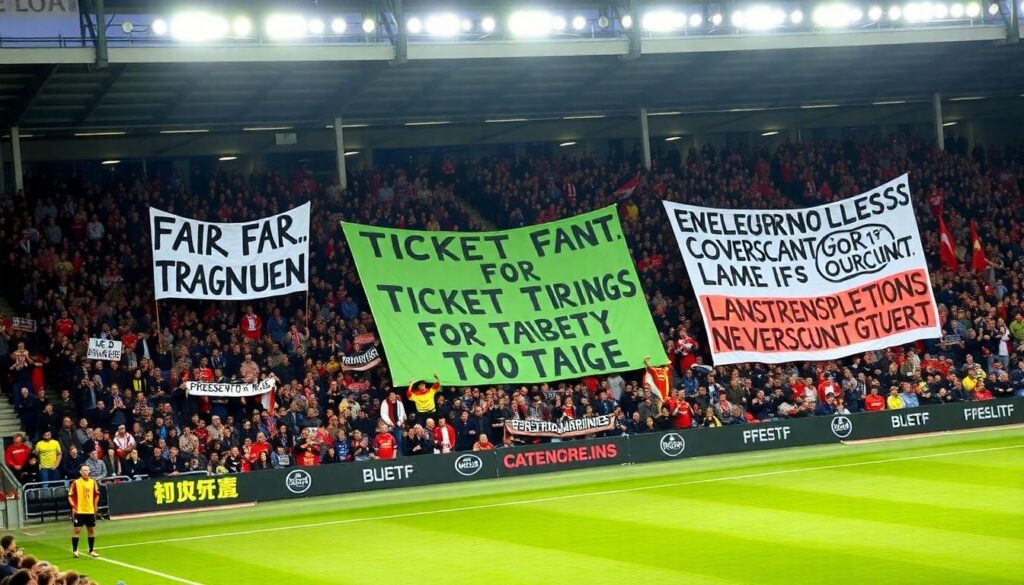
You can prioritise match attendance and local community activities over constant purchases of new kits and premium products. Support fan groups that push for fair ticketing and transparent governance, and communicate clearly to the club which commercial practices you accept and which cross your red lines.
Are season tickets and memberships still worth it?
Abonos de temporada fútbol precios y beneficios are worthwhile if you attend regularly and value priority access. They are less attractive if kick‑off times or travel make attendance irregular. Compare the total cost of individual tickets plus streaming to the abono, and consider non‑financial benefits like community and ritual.
What should I consider before buying TV or streaming subscriptions?
Check how many matches of your club are actually included, contract duration, and whether extra packages are needed for other competitions. Derechos de televisión fútbol suscripciones streaming can be efficient if shared within a household, but try not to duplicate services that show the same games.
Do VIP and hospitality packages damage the atmosphere?
They can if they displace active singing sections or significantly reduce affordable seating. hospitality y paquetes VIP para partidos de fútbol are less problematic when they are limited in size, carefully located, and used to cross‑subsidise cheaper tickets for young and low‑income fans.
Is buying official shirts online good or bad for local football culture?
Buying from venta de camisetas de fútbol oficiales online supports club revenue and can be part of expressing identity. Problems emerge when shirt prices soar, designs change too often, or independent local culture is crowded out. Many fans combine some official purchases with supporting local bars, artists and fan initiatives.
What can supporter groups realistically achieve against commercialization?
They can influence ticket pricing, stadium design and match scheduling through organised campaigns and dialogue. While they cannot stop commercialization entirely, they can set limits, protect key traditions and secure structures-such as fan representation-that keep the hincha visible beyond their spending power.