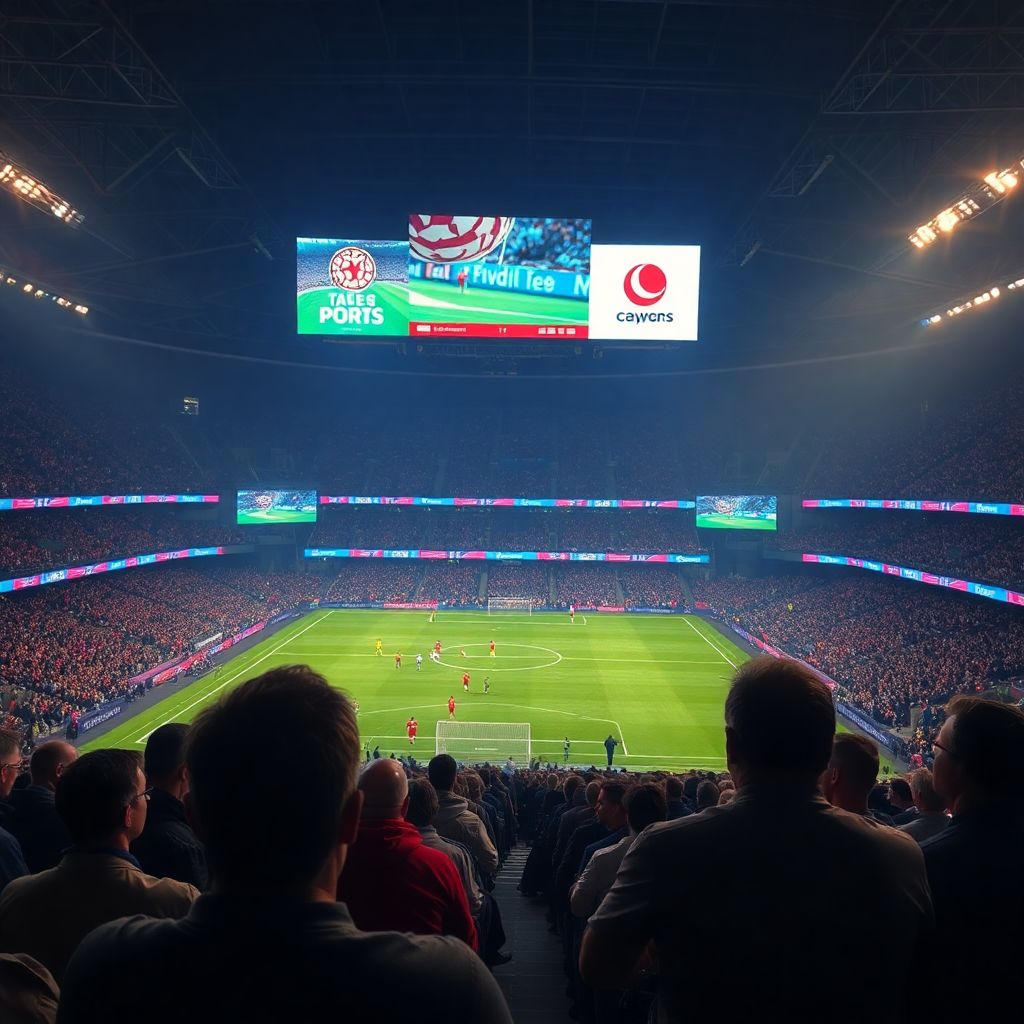
Capitalism, via the business of football TV rights, has shifted power from local stadium communities to global media platforms. Rising derechos de transmisión fútbol precios, fragmented paquetes de TV para ver fútbol en vivo and streaming paywalls reframe fans as consumers, accelerating the disappearance of the traditional hincha anchored in neighbourhood, class and place.
Core Dynamics: Market Forces Reshaping Fan Identity
- Television and streaming platforms mediate most access to elite football, redefining who can be a fan and on what terms.
- The negocio de los derechos televisivos del fútbol concentrates bargaining power in leagues and broadcasters, not in clubs or supporters.
- Global audiences become more valuable than local season-ticket holders, weakening the traditional hincha’s influence.
- Subscription bundles and exclusivity windows fragment access, increasing costs and complexity for ordinary fans.
- The impacto del capitalismo en el fútbol moderno reshapes atmospheres, schedules and competitions around commercial priorities.
- Regulators struggle to keep up, often protecting competition between platforms more than the social function of football.
Historical Shift: From Local Supporters to Global Consumers
The traditional hincha was rooted in a specific place: a barrio, a working-class community, a local stadium. Identity was formed through physical presence, shared rituals and intergenerational transmission. Economic exchange existed, but tickets and memberships supported a social institution rather than a fully optimised entertainment product.
With the progressive sale of TV rights, the core relationship moved from club-supporter to league-broadcaster-consumer. Fans outside the stadium suddenly mattered as much or more than those in the terraces. The negocio de los derechos televisivos del fútbol turned matches into content inventory, programmed for ratings and sponsorship rather than local convenience.
As rights values grew, clubs adjusted strategies: kick-off times were changed for international markets, pre-season tours targeted new territories and shirt sponsorships followed global audiences. The hincha tradicional kept singing but lost agenda-setting power to distant viewers whose engagement is measured in viewing minutes and subscription renewals.
This is the essence of the impacto del capitalismo en el fútbol moderno on fan identity: from a socially embedded, collectively organised supporter to a segmented customer, targeted through data, algorithms and pricing models. The fan’s voice is still heard, but usually when it aligns with commercial metrics.
Mechanisms of Monetization: How Broadcasters and Platforms Capture Value
The move from free-to-air broadcasts to complex pay models is driven by specific monetization mechanisms that shape how fans access the game.
- Exclusive territorial rights: Leagues sell rights per country or region, often to the highest bidder. This creates artificial scarcity and forces fans into specific paquetes de TV para ver fútbol en vivo if they want legal access.
- Tiered subscription models: Platforms design different price points and bundles. Entry tiers offer limited content, while premium tiers include more leagues or features, pushing committed fans to pay more to maintain full access.
- Platform fragmentation: Rights are split between multiple operators. A Spanish fan may need one service for domestic league matches and another to follow European competitions, multiplying cost and complexity.
- Advertising and sponsorship integration: Broadcasters monetise audiences through ad slots, branded segments and in-game overlays. This reinforces scheduling decisions based on peak viewership rather than stadium convenience.
- Data-driven personalisation: Streaming platforms track behaviour, test pricing and promote content algorithmically. Offers for cómo ver ligas de fútbol por streaming legal are adjusted to maximise lifetime value rather than accessibility.
- International rights packaging: Global packages are tailored for international markets, sometimes prioritising glamour fixtures while neglecting lower-profile matches, pushing clubs to chase global appeal.
- Upselling of «add-on» experiences: Multi-angle cameras, premium commentary or parallel shows are offered as paid extras, deepening revenue from the most devoted but also stratifying the fan base.
Contracting Power: Clubs, Leagues and the New Bargaining Landscape
The structure of contracts for TV rights determines who benefits most and how much room remains for the interests of traditional fans.
- League-centralised rights sales: In many European leagues, including LaLiga, the league sells rights collectively and redistributes revenue. This strengthens the league’s negotiating position but can distance decision-making from individual clubs’ relationships with their hinchas.
- Club-controlled rights in specific contexts: Some major clubs historically sold their own rights, leveraging global fandom to secure better deals. While lucrative, this can widen financial gaps and push clubs to court transient international fans over local loyalty.
- Long-term exclusive contracts with single broadcasters: Multi-year deals provide financial stability for leagues but lock fans into one provider, limiting competition on service quality, accessibility and price.
- Platform wars and short-cycle contracts: When rights are re-tendered frequently, platforms may overbid and later recover losses by raising precios in their paquetes de TV para ver fútbol en vivo, passing risk onto subscribers.
- Hybrid models including streaming platforms: Cooperation between traditional broadcasters and tech companies introduces new players whose core expertise is data and subscription management, further refining the commodification of attention.
- Side agreements on scheduling and format: Some contracts influence kick-off times, competition formats or additional tournaments, where the logic is inventory creation for broadcasters rather than competitive balance or fan comfort.
Cultural Consequences: Erosion and Reinvention of Fan Practices
Commercialisation and the sale of rights have not only financial but also deep cultural effects on how people live football.
Forms of erosion affecting the traditional hincha
- Reduced local affordability as stadium ticket prices rise in parallel with TV-driven demand, pushing out working-class supporters.
- Disrupted match-day rhythms due to TV-friendly schedules, with late-night or weekday kick-offs that clash with work and family obligations.
- Sanitised atmospheres where ultra groups are marginalised in favour of «family-friendly» or tourist audiences that pose less reputational risk to corporate sponsors.
- Loss of shared free-to-air experiences where entire cities once watched the same game simultaneously without paywalls.
- Growing dependence on illegal streams when derechos de transmisión fútbol precios exceed what young or low-income fans can pay.
Emerging and reinvented fan practices
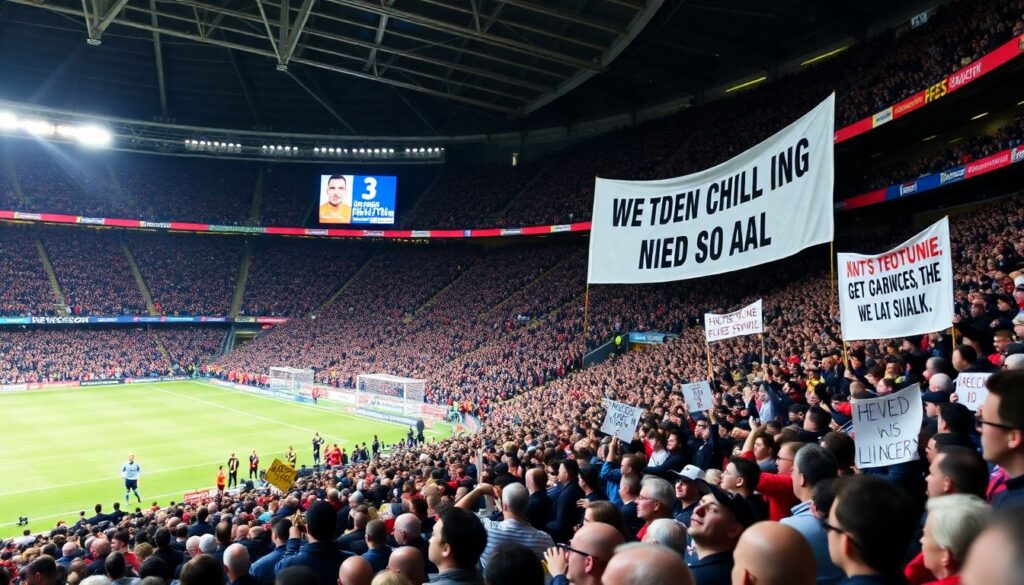
- Digital communities organising via social media, combining stadium attendance with online activism and transnational supporter networks.
- Fan-owned or member-controlled clubs that explicitly resist certain commercial trends while still navigating TV contracts.
- Coordinated boycotts, banner campaigns and «silent minutes» in stadiums to protest extreme scheduling or price hikes.
- Local gatherings in bars or peñas that negotiate shared subscriptions to maintain collective viewing despite fragmented platforms.
- Creative uses of legal free highlights and radio commentary by those excluded from full subscriptions but determined to stay connected.
Regulatory Responses and Competitive Safeguards
Regulation around football broadcasting tries to manage competition and consumer protection, but there are recurring misunderstandings.
- Myth: More competition automatically lowers prices. If each platform controls exclusive rights, more competitors can mean more separate subscriptions rather than cheaper access for fans.
- Myth: Anti-piracy is only about protecting broadcasters. Excessively repressive policies that ignore affordability and access risks can push more fans away from legal ecosystems.
- Mistake: Ignoring the social role of football in broadcasting rules. Treating matches purely as premium content neglects their cultural importance and can erode social cohesion and local identity.
- Mistake: Over-focusing on elite competitions. Regulatory attention often centres on top divisions, leaving lower leagues, women’s football and grassroots competitions underfunded and underexposed.
- Myth: Streaming always increases accessibility. Without safeguards, streaming may just move paywalls to new devices, not solve affordability or rural connectivity gaps.
- Mistake: Weak transparency on revenue allocation. Fans rarely see how TV income is used, which fuels distrust and the perception that money does not improve match-day experiences.
Strategies for Stakeholders: Preserving Engagement Amid Commercialization
The disappearance of the traditional hincha is not inevitable. Different actors can adopt concrete strategies to rebalance economic logic with fan culture.
Scenario 1: A Spanish club under pressure from global scheduling
A mid-table LaLiga club finds its home matches repeatedly placed in late slots to suit international TV audiences. Season-ticket renewals fall. The club co-designs with supporters a «local-friendly» package: fixed kick-off guarantees for some matches, subsidised travel for late games and transparent reporting on TV revenue use to improve the stadium experience.
Scenario 2: Fans facing fragmented subscriptions and rising prices
In a medium-sized Spanish city, different friends follow different clubs and leagues. To cope with derechos de transmisión fútbol precios, they create a viewing collective at a neighbourhood bar, negotiating commercial packages of TV para ver fútbol en vivo that are cheaper per person than multiple home subscriptions, while recovering a communal match-day feeling.
Scenario 3: Regulator designing a balanced framework
A national regulator reviews how citizens can legally watch domestic competitions. Instead of only cracking down on piracy, it ensures that some key matches remain free-to-air, promotes clear information on cómo ver ligas de fútbol por streaming legal and encourages flexible subscription options to prevent exclusion of young and low-income fans.
Scenario 4: League building international reach without abandoning locals
A league targeting global growth requires clubs to participate in overseas tours but sets rules to protect local supporters: limits on «home» games played abroad, reinvestment of international TV income in infrastructure and affordable pricing, and structured dialogue with supporter unions before major format changes.
Reflective checklist for clubs, fans and regulators
- Clubs: Do you publish how TV income improves local fan experiences (tickets, transport, facilities) instead of only transfers and wages?
- Fans: Have you explored collective solutions (supporters’ unions, shared viewing spaces) before resorting to illegal streams?
- Regulators: Are broadcasting rules assessing cultural impact, not only competition between platforms and short-term revenue?
- All actors: Is there a structured, ongoing forum where scheduling, pricing and atmosphere concerns are discussed with hinchas?
Practical Clarifications on Rights, Revenue and Fan Impact
How does capitalism influence modern football fandom?
Capitalism organises football around revenue-maximising logics, especially via TV and streaming rights. This shifts priorities from local community needs to global audiences and subscription metrics, altering schedules, prices and even competition formats, which in turn weakens the traditional hincha’s role.
Why are TV and streaming prices for football so high?
Prices reflect intense bidding wars for exclusive rights and the expectation that committed fans will absorb repeated increases. When a few big leagues and clubs concentrate attention, platforms pay more for rights and recover those costs through higher subscription fees and premium bundles.
Is the traditional stadium atmosphere doomed to disappear?
Not necessarily, but it requires active choices by clubs and leagues. Ticketing policies, scheduling, regulations on safe standing and meaningful dialogue with fan groups can maintain vibrant, locally rooted atmospheres even in a heavily commercial context.
Are illegal streams justified when legal options are unaffordable?
Illicit streaming remains unlawful and often unsafe for users, but its popularity signals failures in pricing and access. For a sustainable ecosystem, leagues and platforms need legal options that align with local incomes and diverse fan habits, while regulators address both piracy and affordability.
Do global fans contribute to the loss of the traditional hincha?
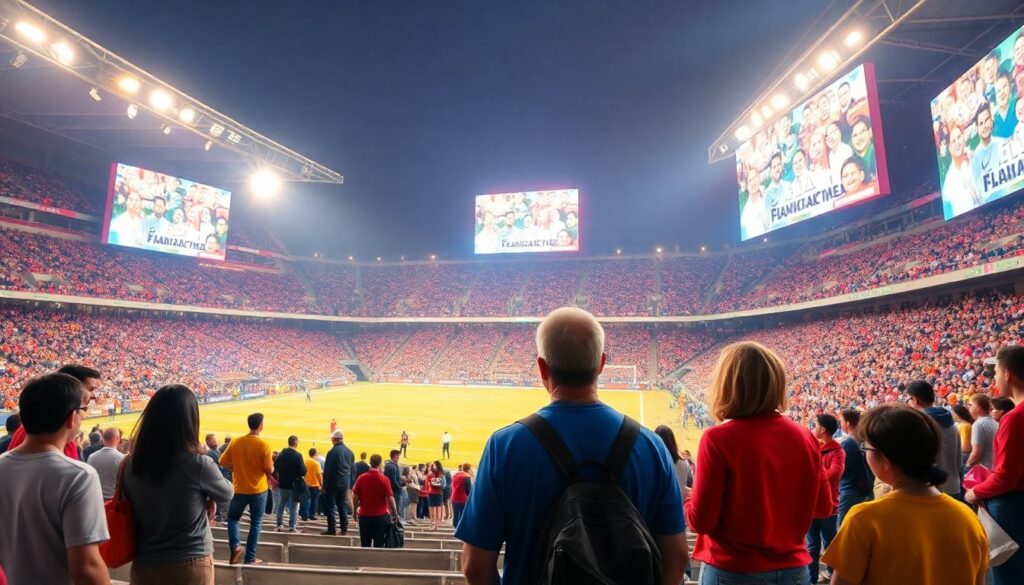
Global fans themselves are not the problem; the issue is when business models value distant consumption more than local community. Inclusive strategies can welcome international supporters while prioritising affordable access and meaningful participation for those who live around the club.
Can fan ownership really counterbalance commercial pressures?
Member-controlled or fan-owned clubs can weigh social and cultural goals more heavily, but they still depend on media income. Their impact is strongest when combined with transparent governance, supporter education and alliances with other clubs pushing for fairer broadcasting frameworks.
What can an individual fan realistically do to influence TV decisions?
Individual action gains power when coordinated. Joining supporter associations, participating in structured dialogues with clubs, supporting campaigns on schedules and prices, and favouring businesses that respect fan-friendly policies can all influence how TV contracts are negotiated and implemented.