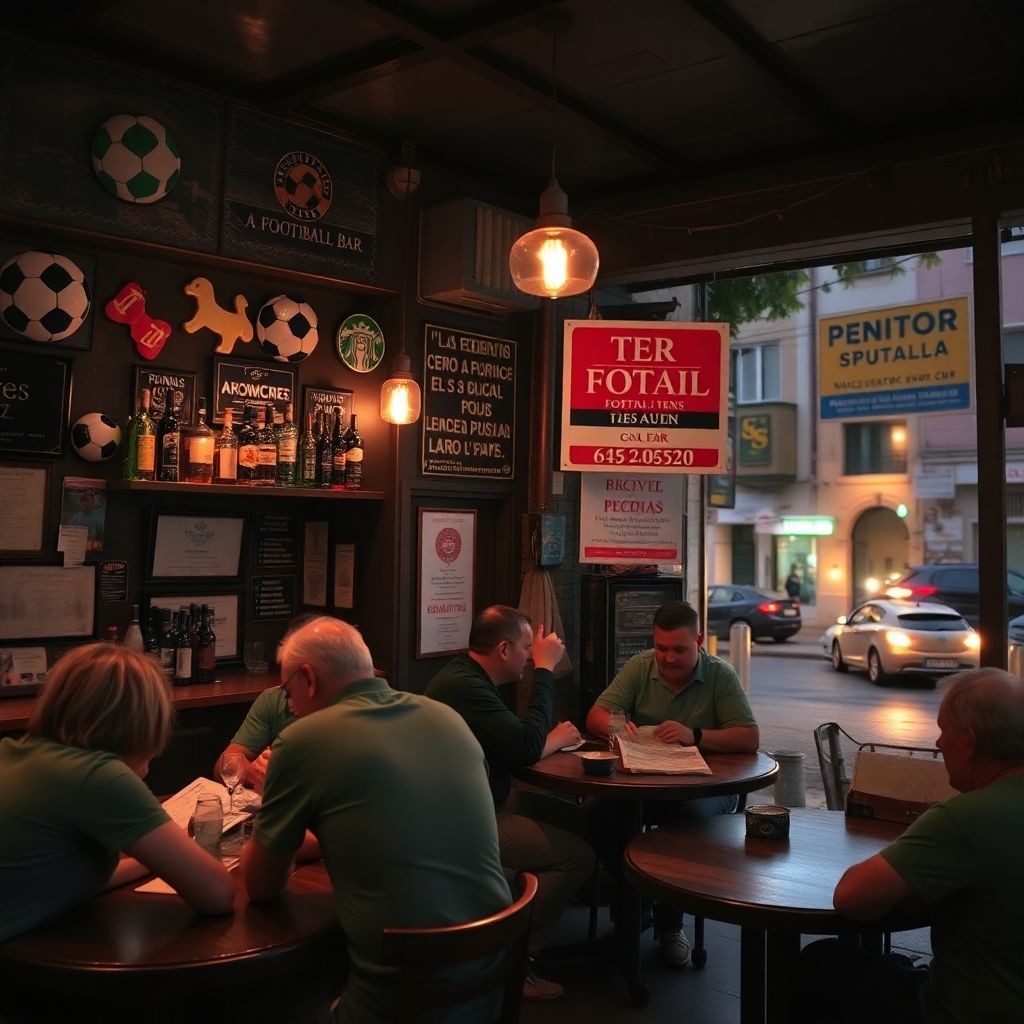
The classic «club de barrio» still exists in Spain, but fragmented: some survive as cheap social hubs for local football, others became themed bars, and many disappeared under real-estate pressure. To protect what is left, neighbours must organise, map venues, negotiate with councils and support sustainable, community-first business models.
Myths vs Reality: Snapshot of the barrio club today
- The barrio club is not just a nostalgic memory; it survives in mixed forms: from tiny bars para ver fútbol en mi barrio to formal social clubs with youth teams.
- Low prices are not guaranteed: «club de barrio entradas baratas» only works if the venue has stable rent and community volume.
- Modern sports bars with ten screens are not automatically mejores peñas futboleras en la ciudad; real peñas link matchday to neighbourhood life.
- Gentrification does not only close venues; it also changes who uses them and what language, symbols and prices dominate.
- Local councils can both damage and save clubs through zoning, terrace rules, and use of municipal pitches.
- Neighbour action is more effective when coordinated: mapping venues, choosing where to spend money, and showing up to local hearings.
Debunking nostalgia: common myths about the golden age of neighbourhood clubs
«Club de barrio» usually means a small, walkable place in your barrio where football, food and social life mix: tables close to the bar, TV or projector for matches, affordable drinks and a crowd that mostly knows each other. It might be a registered club, a peña or simply a long-standing bar.
Nostalgia paints a golden age where every corner had a family-run bar, kids played in the street and football on TV united everyone. This image hides variations: some places were exclusionary, others were badly managed, many were smoke-filled, male-only spaces where not all neighbours felt welcome.
Myth 1: «Before, everything was community; now everything is business.» Reality: barrio clubs always mixed passion and money. Owners needed profit; peñas needed dues. The difference today is rising fixed costs and more aggressive chains, which leave less room for improvisation and «pay me later» flexibility.
Myth 2: «If people loved the club, it would never have closed.» Reality: affection does not pay rent. When leases triple or buildings are sold to investors, even a packed bar can disappear. Without collective tools (associations, co-ops, crowdfunded upgrades), loyalty alone is too weak to resist real-estate pressure.
Myth 3: «New restaurantes y bares con pantalla gigante para ver fútbol replace the old spirit.» Reality: big-screen venues add comfort and HD sound, but often lack intergenerational mix, informal credit, and the everyday presence that turned a simple bar into a local institution and a football gateway for kids.
The useful boundary to keep in mind: a barrio club is defined less by décor and more by function. If a place helps neighbours meet regularly, watch football, organise small activities and feel safe bringing kids and elders, it behaves like a club de barrio – regardless of legal form.
Foundations: how barrio clubs historically anchored local football ecosystems
Historically, the club de barrio was a practical piece of local football infrastructure. To understand what we are losing (or can rebuild), focus on how these places worked day to day, not on abstract romance.
- Informal academy and scouting point: Coaches and veteran players watched matches in the bar, spotted talent from school leagues, and invited kids to try out for local teams. A shy teenager could become «part of football» just by hanging around matchdays.
- Micro-funding hub: Raffles, quinielas and small events in the bar paid for kits, balls and transport. Instead of big sponsors, dozens of neighbours contributed tiny amounts while enjoying the atmosphere.
- Logistics and communication base: Before WhatsApp, fixtures and training changes were shared at the bar, on a noticeboard or shouted across tables. Even now, many amateur teams still coordinate away trips and post-match meals there.
- Identity factory: Scarves, pennants and photos on the walls narrated the barrio’s own history: promotions, derbies, friendly matches with nearby towns. Children literally grew up «inside» this narrative, seeing their parents and relatives in old photos.
- Conflict softener: Post-match tensions, arguments about referees or local politics could cool down over drinks. Having a neutral venue where rival neighbours talk face to face is cheap social peacekeeping.
- Entry point for new residents: For newcomers, asking about bares para ver fútbol en mi barrio is often the quickest way to meet locals. A welcoming bar staff and regulars can turn a foreigner into «one of us» within a season.
Implication for action: any project to «revive» barrio football should ask how to rebuild these six functions, not just how to repaint a clubhouse or buy a bigger TV.
Gentrification, real estate and market pressures that erode grassroots football
Neighbourhood clubs decline for specific, repeatable reasons. Understanding them helps residents and councils act early, before the shutter comes down for good.
- Rent hikes and speculative purchases: Landlords realise the corner bar could become a luxury restaurant or short-term-rental lobby. Leases jump, and bars that relied on cheap daily menus and matchday traffic cannot adapt quickly. The community loses its venue even if demand for football stays strong.
- Noise complaints and stricter regulations: New neighbours with different expectations about silence and street use file complaints about chants, celebrations or late finishes during big matches. Fines or reduced opening hours undermine the viability of small clubs that depend on evening and weekend peaks.
- Competition from chains and stadium experiences: Corporate sports bars, malls and stadium fan zones offer giant screens and promotions. They can undercut prices temporarily, attracting younger fans away from modest lugares with club de barrio entradas baratas but less marketing power.
- Loss of local volunteers and organisers: When long-time organisers retire or move away, there is often no succession plan. The peña that booked away travel, negotiated with the bar and kept traditions alive simply stops operating, and with it a key layer of community structure.
- Shift of social life to digital spaces: Groups move match discussions to private chats and social media. People watch at home with streaming, reducing spontaneous bar attendance and weakening the critical mass that once made every big game «a neighbourhood event».
- Event-oriented, not community-oriented rentals: When owners prioritise alquiler de local estilo bar de barrio para eventos (birthdays, corporate functions), weekly match culture can be displaced. The space works as a venue, but not as a constant football reference point.
Implication for action: local policy should address rents and noise norms, while neighbours focus on succession (bringing younger organisers in) and intentional meetups that cannot be replaced by an app or a once-a-year party.
Comparative cases: resilient clubs, failed clubs and the tipping points between them
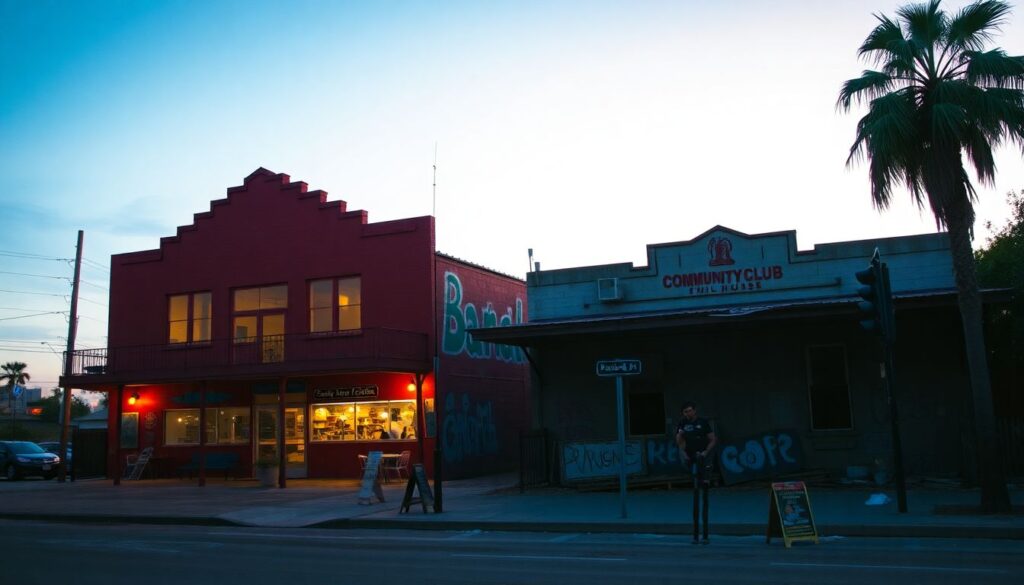
To make the idea of «still existing barrio clubs» concrete, compare typical patterns of resilient versus failed clubs. This is not theory: it is a checklist you can use to read your own barrio’s situation and act before it is too late.
| Aspect | Resilient barrio club pattern | Fragile / failed club pattern |
|---|---|---|
| Ownership & rent | Long-term lease or cooperative ownership; landlord sees club as local asset. | Short leases, constant fear of eviction, or speculative new owner. |
| Matchday culture | Regulars mix with newcomers; clear rituals; family-friendly big games. | Inconsistent opening or screens; atmosphere depends on one person’s mood. |
| Community links | Active peñas, youth team connections, collaboration with local schools. | No organised groups; only transactional «come, watch, pay, leave». |
| Use of space | Balanced: daily service, football nights, occasional events, neighbour meetings. | Either empty most days or booked only for private events with no local focus. |
| Visibility | Easy to find when searching mejores peñas futboleras en la ciudad; active on social networks with local tone. | No online presence, or generic listings that hide the club’s identity. |
Tipping points usually appear when two or more fragile patterns combine: a new landlord plus noise fines; an ageing organiser plus loss of youth teams; or chains capturing matchday crowds while the bar misses digital communication.
Practical takeaway: residents and councils should watch these signals and intervene with concrete help (lease mediation, promotion, facilitation of permits) once early fragility appears, instead of waiting for a public outcry after closure.
Social costs: identity, youth pathways and civic capital lost with club decline
The decline of barrio clubs is often treated as «just one more bar closing». In reality, several layers of social and football life disappear. Misunderstanding this leads to common mistakes when trying to «replace» what was lost.
- Reducing loss to nostalgia only: Saying «people just miss their youth» hides the practical role of clubs in giving teenagers somewhere supervised but informal to be around adults, football and local stories.
- Assuming big events compensate for daily presence: A huge fan zone or yearly festival does not replace the micro-routine of watching league matches, bumping into the same faces and building slow, trust-based relationships.
- Equating HD screens with football culture: New restaurantes y bares con pantalla gigante para ver fútbol can offer perfect vision but zero local narrative: no photo wall, no shared memories, no spontaneous talk between tables.
- Ignoring women, migrants and non-fans: Many old clubs were not inclusive. Rebuilding them «exactly as before» repeats exclusion instead of using revival as a chance to widen who feels at home there.
- Forgetting youth pathways into organised sport: Without visible, nearby football hubs, kids have fewer casual chances to join teams, find mentors or even learn about municipal sports programmes.
- Treating each bar as isolated: The real loss is networked: when several clubs vanish, the barrio loses informal news channels, mutual help circuits and the ability to mobilise people quickly for good causes.
Action focus: any plan to support barrio football should include inclusive design, youth involvement and cooperation between multiple venues, not just saving a single «legendary» bar.
Actionable responses: policy, funding and community strategies to revive local clubs
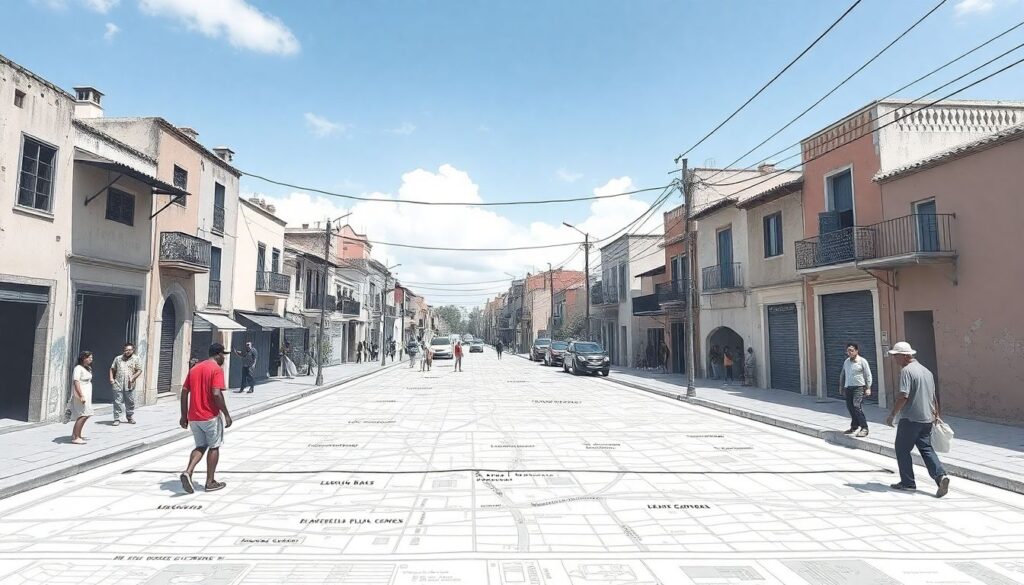
Instead of abstract debates about authenticity, use simple, repeatable actions that residents, bar owners and councils in Spain can apply immediately.
- Map your real football network: Walk the barrio and list all places where people watch or talk football: classic bars, peñas, civic centres, even small restaurantes y bares con pantalla gigante para ver fútbol. Note who they serve (families, students, workers) and what type of football they show (La Liga, grassroots, women’s leagues).
- Concentrate your spending: As neighbours, pick 2-3 key venues to prioritise for matchdays instead of dispersing across chains. If you care about club de barrio entradas baratas, accept paying fair prices for regular food and drinks so that the bar can keep match access affordable.
- Formalise a supporters’ association: Turn the «group of regulars» into an association or peña, even small. This opens doors to municipal support, joint promotions and collective negotiation with landlords or breweries.
- Use digital tools with a barrio tone: Help owners create basic social media pages highlighting real people and atmosphere, not generic stock photos. When someone searches bares para ver fútbol en mi barrio or mejores peñas futboleras en la ciudad, they should see your local options first.
- Negotiate with local government: Request meetings with the district council to discuss terraces, noise rules, signage and possible temporary use of municipal spaces. Arrive with a concrete map of venues and a simple proposal instead of vague complaints.
- Co-create events that mix generations: Organise small tournaments, quiz nights or match screenings where youth teams, older fans and families share the same space. The goal is to rebuild habit, not one-off spectacles.
Mini-case example from a hypothetical Spanish barrio: neighbours noticed their favourite bar was empty except for big games. They formed a small peña, agreed on watching two matches per week there, and helped the owner promote alquiler de local estilo bar de barrio para eventos like birthdays tied to football themes. With this extra income and stable attendance, the owner negotiated a safer lease, reinvested in a modest projector, and started hosting youth-team end-of-season dinners. The bar did not become a museum of the past; it became a working, modern club de barrio anchored in real community choices.
Community doubts addressed: concise, evidence-based responses
Is the traditional barrio club model still viable in a gentrified city?
Yes, but only with adaptations: mixed revenue (daily service plus events), smart use of digital promotion and some form of collective backing (associations, co-ops or stable landlord agreements). Pure nostalgia without a clear business and community plan usually fails.
Do chains and modern sports bars always harm local football culture?
Not necessarily. They can complement the ecosystem by hosting big events. The problem appears when they drain everyday traffic from smaller venues without giving anything back to local teams, youth projects or neighbourhood identity.
How can I quickly identify which bars in my barrio deserve support?
Look for three signs: they show local or grassroots football as well as big matches, they know regulars by name, and they host or support community activities beyond pure consumption. Ask if they collaborate with local clubs or peñas.
What can councils realistically do without huge budgets?
Councils can adjust licensing and terrace rules, prioritise stable leases for long-standing venues in public buildings, promote local football routes for visitors, and offer small grants linked to inclusive programming and youth engagement.
Are online communities and streaming a threat or a tool?
They are tools if used to bring people into physical spaces. Use chats and social networks to coordinate watch parties, promote local venues and share their stories, instead of defaulting to isolated home viewing for every match.
Can a new bar become a genuine club de barrio, or must it be old?
A new bar can absolutely become a club de barrio if it behaves like one: consistent presence, open doors to diverse neighbours, visible links with local teams and a willingness to host low-margin but high-community activities.
What is the first step if my favourite club is «about to close»?
Do not wait for the farewell party. Gather a small group of regulars, talk openly with the owner about real problems (rent, fines, low attendance) and propose concrete help: more organised visits, crowdfunding for specific upgrades, or mediation with landlords and authorities.