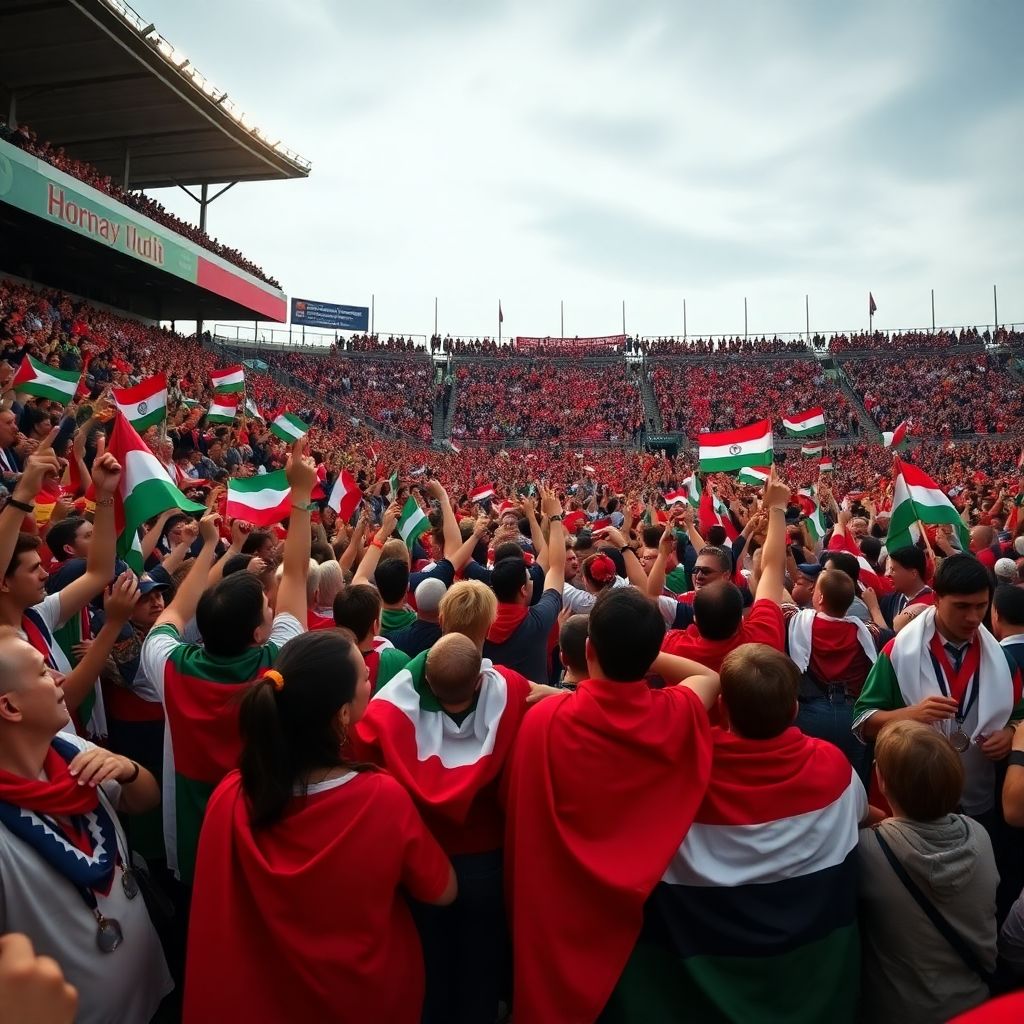
Football shapes national identities by providing shared rituals, symbols and narratives that make the nation feel emotionally real. If people watch, chant and remember matches together, then they learn who is inside or outside the imagined community. If institutions politicise football, then these identities become sharper, sometimes exclusionary.
Core claims about football’s role in shaping national identities
- If football becomes a recurring national ritual, then it can stabilise a sense of collective belonging beyond daily politics.
- If media and schools narrate historic matches as national milestones, then football memories enter the canon of national history.
- If selection, symbols and chants are inclusive, then football tends to support civic, plural national identities.
- If political and commercial actors instrumentalise teams, then football often deepens polarisation and stereotypes.
- If diasporas follow the national team abroad, then football helps negotiate hybrid, transnational identities.
- If researchers connect case studies with theory, then fútbol e identidad nacional ensayo writing becomes more rigorous and useful for policy.
Myths first: debunking easy assumptions about football and nationhood
If we treat football as an automatic generator of patriotism, then we miss how national identity is actively constructed around the game. Football does not magically create community; institutions, media, clubs and fans frame it in ways that can include, exclude or even ignore the national dimension.
If we assume that every match is about the flag, then we overlook club rivalries, regional loyalties and transnational fandom that compete with nationhood. National identity in football is contextual: friendlies, qualifiers and tournaments like the World Cup or Euro give very different emotional and symbolic weight to the same sport.
If we think that football always unites a country, then we hide conflicts over race, gender, language or history that appear in team selection, anthem rituals or fan abuse. Football is often a mirror: if a society is divided, then those divisions usually surface in the stadium and on screens.
If we reduce academic work to match anecdotes, then the field looks superficial. In reality, libros sobre fútbol e identidad nacional and artículos académicos fútbol identidad nacional show how scholars link ethnography, media analysis and political theory to explain when, how and for whom football produces national feeling.
Historical pathways: how football intersected with state formation and independence movements
- If football arrived through imperial or colonial routes, then early clubs often reflected class and ethnic divisions, which later became reinterpreted as national struggles.
- If national teams began competing before formal independence, then matches provided a semi-official stage where colonised or stateless groups could imagine themselves as future nations.
- If new states invested in stadiums, federations and national leagues immediately after independence, then football helped materialise sovereignty in everyday life, beyond constitutions and flags.
- If authoritarian regimes co-opted national teams for propaganda, then historic victories became part of official myths, while defeats were silenced or reframed as betrayal.
- If democratic transitions encouraged plural representation in squads and federations, then football shifted from ethnic nationalism toward more civic narratives of the nation.
- If you read an impacto del fútbol en la identidad nacional pdf focused on specific decades, then you can usually trace these institutional choices and how they shaped later fan cultures.
Stadiums and symbols: rituals, kits, anthems and the spatial production of belonging
If people regularly gather in the same stadium to watch the national team, then that space becomes a concrete stage where the abstract nation is performed: colours, chants and banners turn seats and stands into a living flag.
If we look at typical scenarios, then the identity work of football becomes clearer:
- If the national anthem is sung by players and fans, then the moment aligns sporting and civic loyalty; if some refuse or are booed, then conflicts about who belongs become visible.
- If the kit uses historic or minority colours and symbols, then debates about heritage, regions and languages are reactivated each time the team plays.
- If stadium choreography (tifos, giant flags, mosaics) is organised by fan groups, then grassroots actors rather than the state define visual versions of the nation.
- If away games attract large travelling supports, then airports, city squares and fan zones abroad temporarily become national territories, reinforcing transnational bonds among citizens and diasporas.
- If public screenings fill plazas and bars in Spain, then national identity feels shared across regions, even when club and regional identities (for example, Catalan or Basque) remain strong.
- If memorial rituals for tragedies or historic players are held before kick-off, then football connects family-scale grief with the imagined national community.
Media narratives and fan cultures: storytelling, memory and the emotional economy of national identity
If we analyse how television, radio, podcasts and social media narrate football, then we see how national identities are scripted as stories of heroism, suffering, injustice or redemption. These stories tell citizens what their nation supposedly values and how it behaves under pressure.
Positive potentials of football-centred national narratives
- If media highlight diverse role models in the squad, then minorities can recognise themselves as full members of the nation.
- If commentators frame opponents respectfully, then nationalism moves from hostile to competitive but civil.
- If fan cultures value fair play, humour and self-critique, then national identity becomes more relaxed and less fragile.
- If schools and local clubs reuse match stories in civic education, then football memories support democratic values instead of chauvinism.
- If tesis sobre fútbol e identidad nacional are communicated beyond academia, then public debates gain nuance about how these narratives work.
Structural limits and risks in media and fandom
- If coverage focuses only on «us versus them» frames, then football reinforces simplistic, enemy-based nationalism.
- If sexist, racist or homophobic chants are tolerated as «tradition», then football normalises exclusion inside national identity.
- If commercial sponsors dominate slogans and imagery, then the nation is reduced to a brand, hollowing out deeper civic meanings.
- If digital fan spaces reward outrage and conspiracy, then defeats become cultural trauma rather than normal sport outcomes.
- If académicos and journalists do not collaborate, then misreadings of research, including popular summaries of artículos académicos fútbol identidad nacional, circulate unchecked.
Cross-border dynamics: migration, diasporas, dual loyalties and contested imaginaries
If we discuss football and national identity only inside state borders, then we ignore how migrants, dual nationals and diasporas constantly negotiate belonging through sport.
- If we assume every player feels a single, stable national loyalty, then we misinterpret complex biographical choices about which team to represent.
- If fans accuse dual-national players of opportunism whenever they choose a different country, then they close down legitimate hybrid identities.
- If diasporas are treated as «less authentic» supporters, then we miss how migrant fan clubs keep national rituals alive and sometimes modernise them.
- If host societies see migrant celebrations as provocation instead of joy, then football events can harden ethnicised boundaries.
- If federations push players with migrant backgrounds to «prove» their loyalty more than others, then institutional discrimination becomes embedded in national symbolism.
- If research ignores cross-border TV, streaming and social media, then it underestimates how young fans in Spain follow multiple national teams and clubs at once.
From research to policy: leveraging football for inclusive civic identity without instrumentalization
If public actors in Spain want to use football for inclusive national identity, then they need clear principles: avoid propaganda, protect pluralism and focus on participation rather than image management.
If we translate research into practice, then a simple rule-based approach helps:
- If a programme links schools, grassroots clubs and national-team ambassadors, then design activities where mixed groups cooperate instead of competing by region or origin.
- If funding is given for fan choreography and culture, then require codes of conduct against hate speech, while leaving creative content in supporters’ hands.
- If broadcasters receive public money, then negotiate guidelines: highlight diverse player backgrounds, avoid militarised language and balance emotional commentary with critical reflection.
- If local authorities organise public screenings of major tournaments, then pair them with campaigns on anti-racism and gender equality in sport.
- If ministries commission an impacto del fútbol en la identidad nacional pdf or support tesis sobre fútbol e identidad nacional, then ensure open access so teachers, journalists and clubs can apply the findings.
If these conditional steps are followed consistently, then football can sustain a civic, evolving sense of Spanish national identity that coexists with strong regional, local and transnational attachments, rather than trying to erase them.
Practical queries on football-driven national identity
How can a teacher in Spain use football to discuss national identity critically?
If you use match clips or commentary in class, then ask students who is included, who is missing and how opponents are described. If you compare different media outlets, then students see that national identity is narrated and contested, not fixed.
Does football always strengthen nationalism in a negative way?
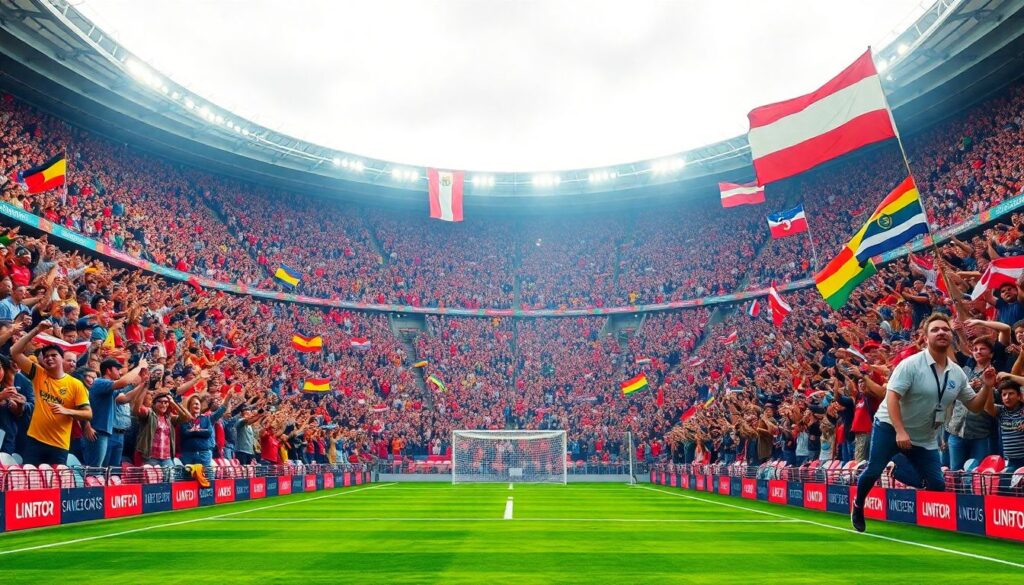
If narratives focus on respect, diversity and fair play, then football can support civic pride rather than aggressive nationalism. If authorities and media reward hostile or xenophobic behaviour, then the same sport amplifies negative forms of nationalism.
What should policymakers avoid when linking football and national projects?
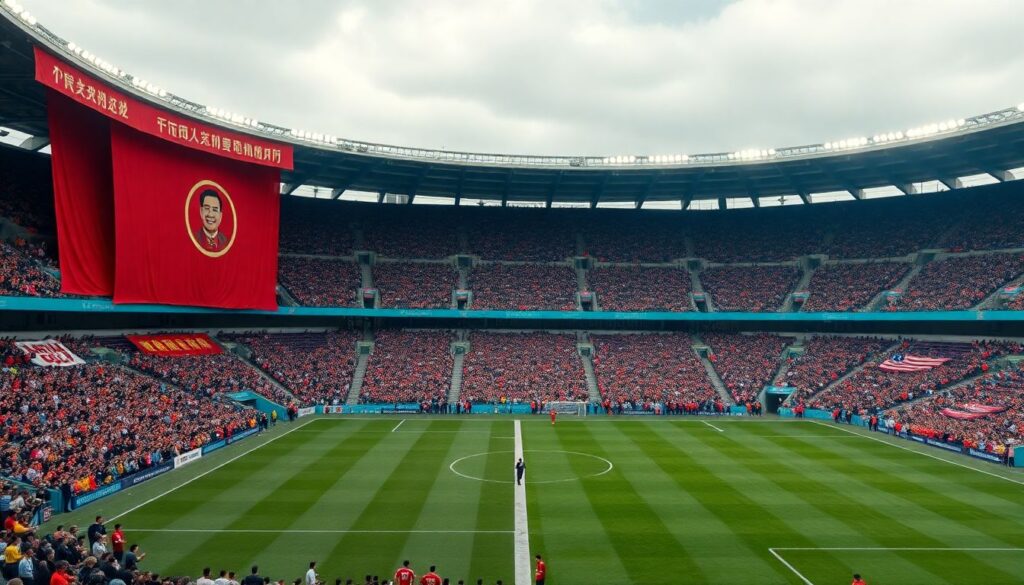
If governments try to control symbols, messages and players too tightly, then citizens perceive football as propaganda. If they instead support dialogue among clubs, fans and communities, then football becomes a shared civic resource.
How can researchers move from descriptive case studies to broader insights?
If you write a fútbol e identidad nacional ensayo only about one famous match, then relate it to theories of nationalism, memory and media. If you compare several cases over time, then your findings become more generalisable and valuable for other contexts.
What role do women’s football and minority players have in national identity?
If women’s and minority players receive equal visibility and respect, then they expand who is imagined as representing the nation. If they are marginalised or abused, then national identity communicated through football remains narrow and exclusionary.
Can club rivalries weaken national identity?
If club rivalries are framed as playful competition inside a broader community, then they coexist with national identity. If they are linked to deep political or ethnic conflicts, then national-team matches may not fully override those fragmentations.
How important is academic literature for everyday debates on football and nationhood?
If journalists and educators draw on libros sobre fútbol e identidad nacional and artículos académicos fútbol identidad nacional, then public debates become more nuanced. If research stays locked in universities, then common myths and stereotypes continue unchallenged.