Why globalization makes every city feel the same (and why it matters)
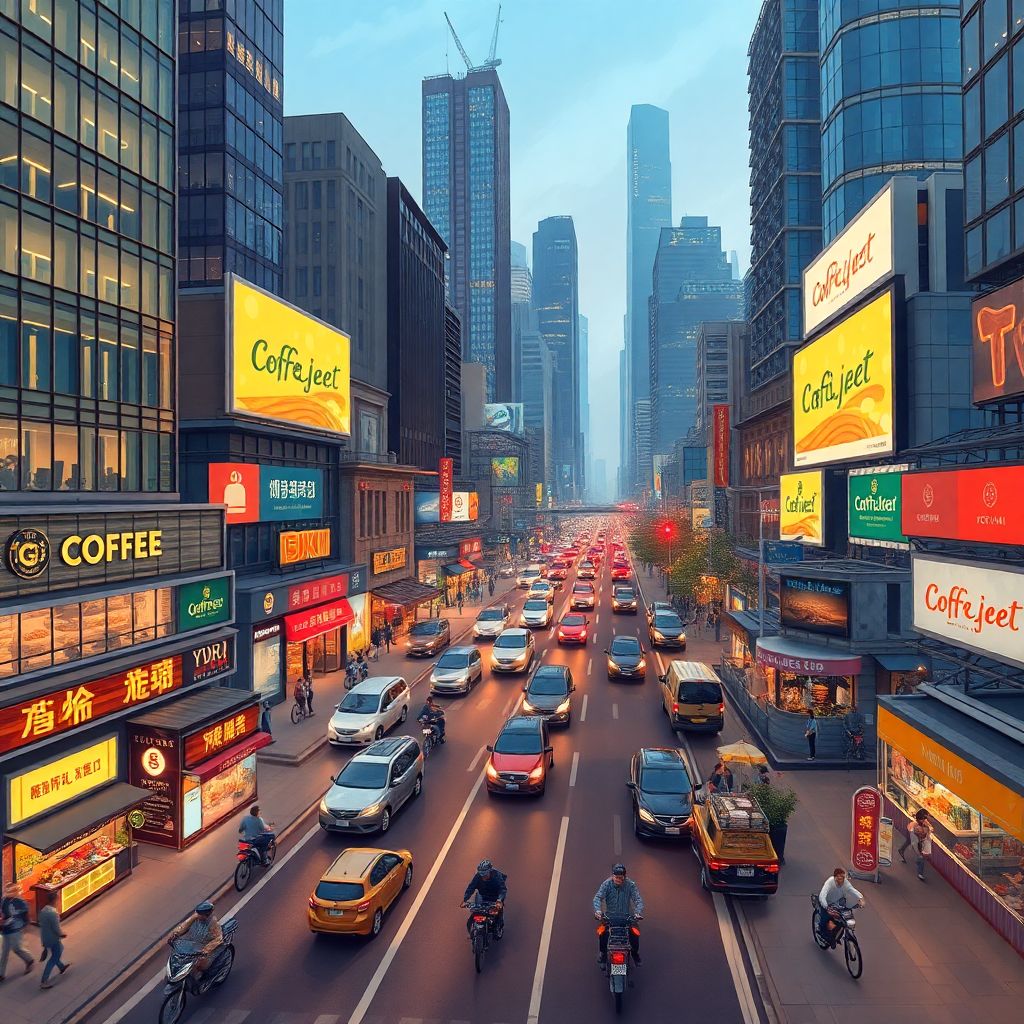
Walk out of an airport in Madrid, Bogotá or Bangkok and you’ll likely see the same coffee chains, the same fashion brands, the same glass towers. This is the visible impacto de la globalización en la cultura local: streets, food and even gestures start to look and feel similar. But underneath that glossy sameness there are still layers of local “style” trying to survive. In this article we’ll look at what really changes, what doesn’t, and — most importantly — what you can do in practical terms so your city, your brand or your project doesn’t dissolve into a generic global template.
—
From “exotic” to “copy-paste”: how cultural style gets flattened
Forty years ago, travelling from one country to another meant a shock of smells, colors and sounds. Today, the journey often feels like switching between slightly different versions of the same interface. This is globalización y homogeneización cultural ventajas y desventajas in real life: on the one hand, easy navigation and predictable services; on the other, less surprise and weaker emotional attachment to places. When the hotel, the mall and even the coffee taste the same everywhere, countries lose a key asset: distinctiveness. That distinctiveness is not folklore; it’s economic value, soft power and social cohesion.
—
Real-world examples of identity loss (and resistance)
The pérdida de identidad cultural por globalización ejemplos is not an abstract fear; we can measure and observe it. In city centers worldwide, local retail is being squeezed out by chains. A 2019 study in the UK found that independent shops on high streets declined by around 2,000 units while chain outlets grew, even in mid‑sized towns. In Mexico City’s historic center, municipal data show a steady replacement of family-run fondas by franchises since the 2000s. Yet resistance exists: Seoul strictly limits foreign-owned bars in key cultural districts; Barcelona capped tourist apartments to protect residential life. These mixed strategies show that globalization isn’t a fate, but a set of choices.
—
Food: the battle between street stalls and delivery platforms
Cuisine is one of the clearest areas where the impacto de la globalización en la cultura local can be felt in everyday life. Algorithms on global delivery apps tend to favor brands with large marketing budgets and standardized menus. That pushes small eateries to change recipes, simplify menus and adopt global trends (burgers, sushi, poke) just to stay visible in the search results. In Lima, for instance, local cebicherías report that up to 40% of online orders go through two multinational apps, which strongly influence promotion. At the same time, Peruvian chefs have turned ceviche and Nikkei fusion into global brands, proving local identity can gain power when strategically packaged.
—
Architecture and public space: glass, steel and… copy-paste
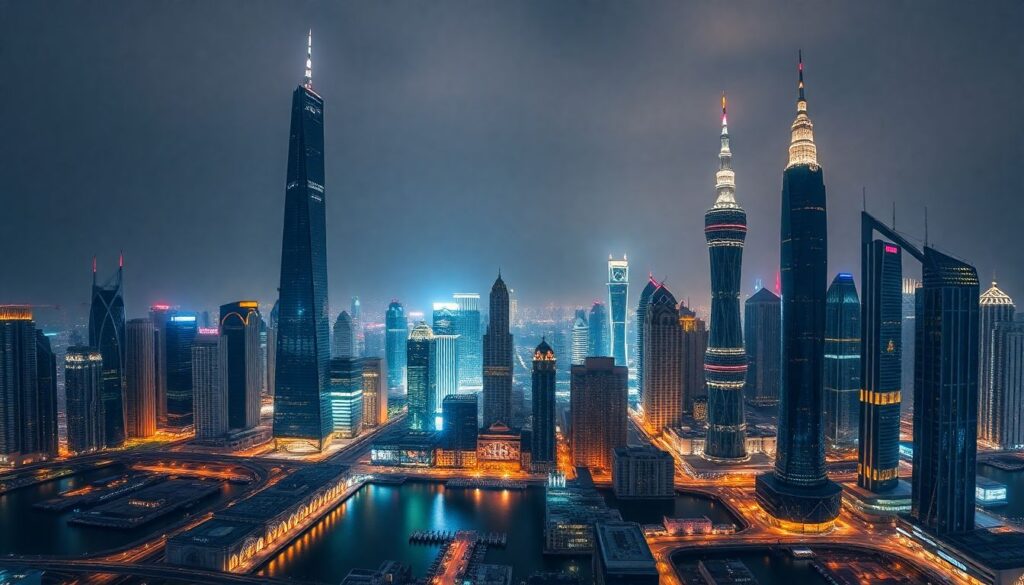
Skylines from Dubai to Shanghai share the same tower typologies, materials and even lighting patterns. Developers often import “international style” templates because they’re quicker to finance and easier to market to foreign investors. The result is that national capitals increasingly look like interchangeable business districts. However, cities that embed identity in building rules show different outcomes. In Kyoto, strict height limits and roof guidelines preserve the historic silhouette. In Copenhagen, zoning requires bicycle infrastructure that shapes the entire street culture. These rules may look technical, but they are actually tools to decide what “style” remains visible when global capital arrives.
—
What stays local under global pressure
Despite visible uniformity, not everything melts into a global mush. Language, humor, micro-rituals and informal economies remain stubbornly local. Even global platforms are used differently: WhatsApp voice notes are much more common in Latin America than in Northern Europe; cash-on-delivery dominates e‑commerce in parts of the Middle East despite digital hype. These frictions are where identity hides today. When we ask cómo preservar la identidad cultural en un mundo globalizado, the answer is rarely “freeze traditions”; it’s more about choosing which local patterns we update and amplify, and which we let go of because they no longer serve us.
—
Technical note: how researchers measure cultural change
Studies on globalización y cultura nacional trabajos académicos pdf usually rely on a few recurring tools:
– Long‑term surveys on values and lifestyles (e.g., World Values Survey with data from 100+ countries).
– Quantitative tracking of language use, media consumption and naming patterns over time.
– Spatial analysis of land use: how many square meters of a city center are occupied by chains vs. independents.
These methods help separate intuition (“everything is becoming the same”) from measurable trends, so policy and business decisions are based on evidence instead of nostalgia.
—
Practical strategies for cities and regions
If you’re involved in urban planning, tourism, or local policy, you can actively steer the balance between openness and dilution. The trick is not to block globalization, but to set ground rules so it adds layers instead of erasing them. For example, some European towns offer tax discounts for shopfronts that maintain traditional signage and craft, while charging higher fees for standardized branding on prime streets. Others create “protected business categories” — like independent bookshops or artisan workshops — that receive lower rent in municipal buildings. These are pragmatic levers, not symbolic declarations, and they directly influence what survives at street level.
—
Policy tools that actually work on the ground
Several instruments have proved effective in defending local style without turning cities into museums:
– Zoning rules limiting the percentage of chain stores in certain streets or districts.
– Heritage labels combined with small subsidies for businesses that keep traditional crafts or recipes.
– Procurement policies that require public institutions (schools, hospitals) to buy a minimum share from local producers.
When these tools are tied to measurable outcomes — like jobs created, tourist satisfaction, or survival rate of local businesses after five years — they stop being “romantic” and become robust economic policy that justifies itself with data.
—
Practical strategies for businesses and creators
If you run a company, a restaurant, a design studio or a tech startup, the loss of national “style” isn’t only a cultural concern; it’s a market risk. When everyone copies the same aesthetics and formats, differentiation becomes harder and margins thinner. A restaurant that erases its local accent to look “international” competes directly with every other generic restaurant on delivery apps. In contrast, businesses that lean into their origin — ingredients, storytelling, visual codes — often command higher loyalty and better pricing. Think of how Korean skincare brands capitalized on traditional herbs, or how specialty coffee shops market origin stories down to specific farms.
—
How to use local identity as a competitive edge
You don’t preserve identity by putting flags on your website; you do it through concrete operational choices. For a brand, that might mean sourcing from regional suppliers even if logistics are slightly more complex, then communicating that decision clearly. For a software startup, it could mean designing UX patterns around local behaviors (for example, integrating strong offline modes in markets with unstable connectivity). Those local optimizations may look small, but they create “stickiness” that global clones can’t easily replicate. Over time, that distinctiveness can become a moat that protects you from purely price-based competition.
—
Checklist: making your project locally rooted, globally legible
Use this quick checklist when designing a product, service or space:
– Does at least one core feature come directly from local habits, environment or history?
– Can a first-time visitor or user identify where this project comes from without reading text?
– Are local partners — farmers, artisans, designers, coders — involved in the value chain, not just in marketing?
If you answer “no” to most of these questions, your project is likely generic and vulnerable. Adding real local anchors isn’t just cosmetic; it reshapes your supply chain, hiring and design decisions, but it also strengthens resilience against global shocks and trends.
—
Digital platforms: threat and unexpected ally

The internet accelerates homogeneity, but it also opens space for hyper‑specific cultures that would previously die in isolation. A niche regional music style can now gather fans worldwide through streaming, making it financially viable to keep producing it. The same goes for local crafts sold via global marketplaces, or micro‑influencers who explain slang and customs from their city to a foreign audience. The key is intentionality: without a clear plan, creators automatically follow global templates; with a strategy, they use global tools to amplify local uniqueness. Algorithms favor engagement, and nothing engages long‑term like authentic, specific stories.
—
Technical note: data points worth tracking in your context
If you manage a city, a cultural institution or even a chain of venues, track a few indicators to avoid blind spots:
– Percentage of local vs. foreign suppliers in your procurement.
– Diversity of languages on signs, menus and digital interfaces.
– Share of marketing budget dedicated to locally produced content.
Tracking these numbers quarterly gives you an early warning: when local components shrink below a certain threshold, you’re probably sliding into generic mode. With data in hand, you can correct course before people feel their environment has become “just another place”.
—
So, what really remains of each country’s “style”?
Under globalization, the loudest layers — brands, chains, visual clichés — tend to converge. What remains is quieter but powerful: how people negotiate, celebrate, argue; how they use public space; what they find funny or rude. The challenge is to decide which of these traits we want to protect and project. Identity is no longer given; it’s curated. If you’re a policymaker, a founder, a designer or a cultural worker, treating local style as a strategic asset — not a decoration — is the difference between riding globalization and being erased by it. The tools exist; using them is a matter of priorities, not fate.