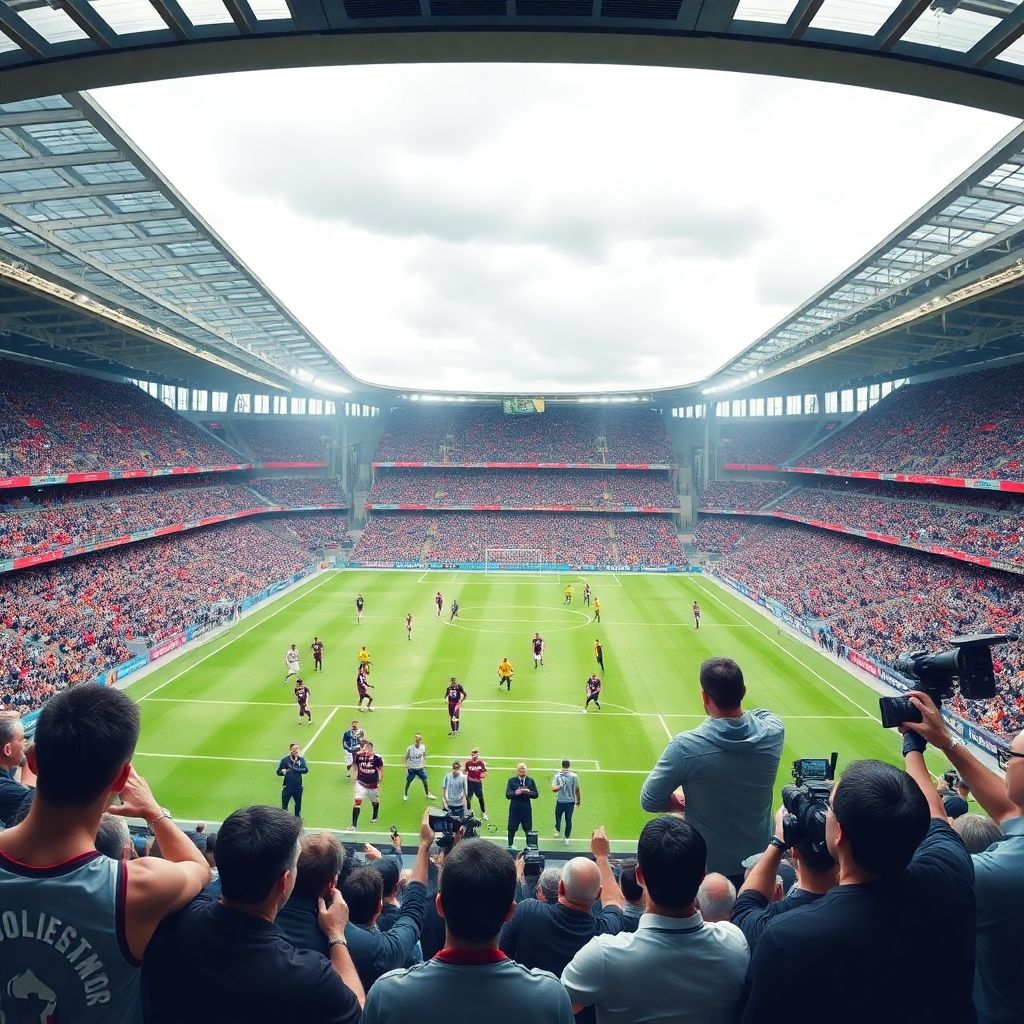
Football reflects how power, identity and emotion are organised in contemporary societies. By observing who owns clubs, who plays and who is excluded, how media narrate matches, and how fans act collectively, we see the valores del fútbol en la sociedad actual and the tensions of the modern social order.
Core insights: how football mirrors contemporary values
- Football exposes economic inequality: player wages, transfer markets and stadium access reproduce wider class divisions.
- Club and national identities reveal debates about nationhood, migration and belonging in the fútbol y valores sociales en el mundo moderno.
- Gender gaps in governance, pay and media coverage highlight persistent patriarchal norms and slow institutional change.
- Media rights, betting and sponsorship show how everyday passions are turned into commodities and speculative assets.
- Fan groups, ultras and grassroots clubs illustrate how football can also enable solidarity, protest and civic learning.
- The way we talk about «merit», «talent» and «sacrifice» in football mirrors moral narratives used to justify social hierarchies.
Debunking prevalent myths about football’s social role
Football is often described as a «simple game» that sits outside politics and reflects universal human values. This myth hides how deeply the influencia del fútbol en la sociedad contemporánea is shaped by law, markets, media and public policy. The pitch is never neutral: it is framed by institutions and interests.
A second myth says that football «unites everyone equally». In practice, who feels at home in a stadium depends on ticket prices, security practices, language, racism, sexism and local history. Equality on paper coexists with strong barriers in practice, from youth academies to VIP boxes.
A third myth treats footballers and clubs as purely individual success stories based on hard work and talent. Structural conditions are downplayed: access to facilities, early training, class position, migration rules, agents, and the global scouting network. Football stories often repackage privilege as «natural merit».
Understanding these myths helps answer qué nos dice el fútbol sobre la sociedad moderna: our culture prefers heroic narratives and «escape» from politics, even in spaces where politics, money and power are constantly present. Deconstructing these stories is the first step toward a more realistic reading of the impacto social y cultural del fútbol hoy en día.
Quick practical ways to read football critically today
- When you watch a match, note who is visible: owners, star players, coaches; then ask who is invisible: cleaners, youth players, local residents.
- Compare ticket prices and TV subscriptions with local wages to see how class affects access to live football.
- Listen to chants and banners: which identities (city, nation, region) are celebrated, and which are mocked or silenced?
- Observe how commentators describe mistakes: do they use different language for foreign vs. local players, or men vs. women?
- Look up who sponsors your club and which industries buy shirt and stadium naming rights; ask what they gain from that association.
- Follow at least one grassroots or fan-owned club to contrast its values with those of a top-tier corporate club.
Economic inequality: transfers, wages and the reproduction of class
Economic structures in football both reflect and reinforce broader class dynamics. The global market for players, the distribution of TV money and the design of competitions produce hierarchies that resemble those of contemporary capitalism, making it harder for smaller clubs and poorer communities to compete fairly.
- Concentrated ownership and capital: Wealthy investors and conglomerates can absorb losses for prestige or political influence, while community-based clubs must balance books, widening the gap in transfer spending and facilities.
- Transfer market as speculative finance: Players become financial assets, with fees functioning like risky investments; clubs use complex contracts, loans and third-party arrangements that mirror high-risk financial markets.
- Unequal distribution of broadcast revenue: Major leagues and competitions direct more money to already rich clubs, solidifying «big brands» and limiting social mobility across divisions.
- Ticketing and stadium geography: Dynamic pricing, VIP areas and hospitality packages turn central stadium spaces into elite zones, pushing working-class fans to cheaper seats or to watching at home.
- Youth academies and social class: Access to high-level academies often requires travel, fees or family flexibility, favouring children from more secure economic backgrounds.
- Wage gaps within squads and leagues: Star salaries coexist with precarious contracts for lower-division players, replicating the «winner-takes-all» logic of many modern labour markets.
- Financial Fair Play and regulation: Rules designed to promote sustainability can entrench the status quo if they mainly limit ambitious but less wealthy clubs rather than curbing long-term giants.
Nationhood, migration and the politics of club identity
Club and national teams are key stages where debates about nationhood and belonging are played out. Flags, anthems and rivalries formalise emotions about «us» and «them», making football a theatre for negotiating what counts as the legitimate community.
- Regional and linguistic claims: Some clubs channel regional pride or autonomy movements, turning derbies into rituals where supporters rehearse political identities beyond the scoreboard.
- Migration, passports and «national» squads: The presence of dual-nationality or naturalised players exposes tensions between ethnic, civic and legal definitions of the nation.
- Expat fan communities: Migrant groups following home-country clubs from abroad create hybrid identities, mixing local customs with transnational football cultures.
- Rival symbols in the same city: Cities with multiple clubs often map class, ethnic or political divides onto football colours, making local derbies proxies for deeper social conflicts.
- State use of football for soft power: Governments may invest in clubs, tournaments or stadiums to project modernity and unity, using football success to gloss over internal inequalities.
- Anti-racist and pro-migrant campaigns: Supporters and players sometimes mobilise club identity to defend migrants and minorities, showing that football spaces can be inclusive as well as exclusionary.
Gender dynamics: masculinity, inclusion and institutional change
Football has historically been a bastion of certain masculinities: toughness, emotional control and physical dominance. These norms influence who feels welcome as a player, fan or professional, and how seriously women’s and non-binary football are taken by institutions and media.
At the same time, visible women’s competitions and campaigns against sexism are transforming expectations, showing that football culture can evolve when rules, leadership and incentives shift. The process is uneven, with pockets of innovation and persistent resistance.
Opportunities created by changing gender norms
- Growing visibility and professionalisation of women’s leagues, offering more role models and pathways for girls.
- Inclusive coaching and refereeing programmes that bring women into decision-making and technical roles.
- Campaigns by players and fan groups that normalise men showing emotion, care and vulnerability in football settings.
- Club policies addressing harassment and discrimination in stadiums, making matchday safer for diverse groups.
- Media platforms that cover women’s football as sport in its own right, not as a curiosity or charity project.
Persistent barriers and limitations
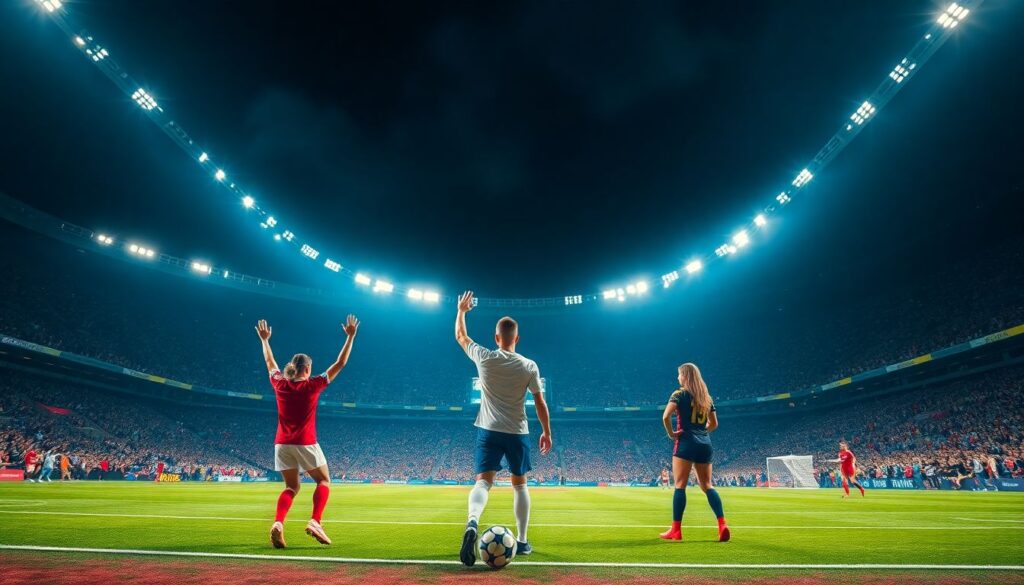
- Unequal pay, prizes and facilities between men’s and women’s teams, even within the same club structure.
- Stereotypes that see women and LGBTQ+ fans as outsiders, reinforcing hostile or infantilising atmospheres in terraces.
- Lack of gender diversity in club boards, federations and powerful agencies, slowing institutional transformation.
- Media narratives that sexualise players or focus on appearance over tactics and performance.
- Limited grassroots resources for girls’ teams, reducing long-term talent development and participation.
Media, sponsorship and the commodification of fandom
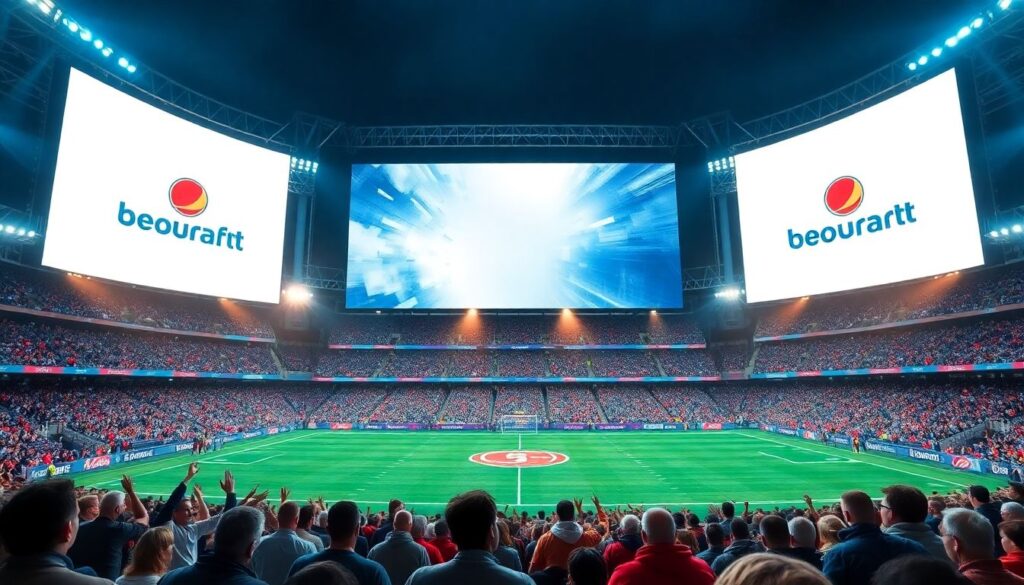
Media and commercial actors transform football from a local pastime into a transnational entertainment product. This commodification reshapes how fans experience the game, which stories are told and who profits from collective passion.
- Myth: «The market only gives fans what they want». In reality, broadcast schedules, kick-off times and competition formats respond to advertisers, betting companies and global audiences, often against the preferences of match-going supporters.
- Myth: «Sponsorship is harmless money». Sponsors use football to normalise industries such as gambling, alcohol or polluting sectors, associating their brands with community and excitement while externalising social costs.
- Myth: «Social media makes football fully democratic». While it amplifies fan voices, algorithms and platform ownership still prioritise engagement and controversy, not balanced or community-based perspectives.
- Myth: «Global branding replaces local identity». Commercial strategies often try to universalise club images, but local rituals, dialects and conflicts remain strong, creating tensions between marketing departments and traditional fan bases.
- Myth: «Modern fans are just customers». Treating fans purely as consumers ignores unpaid labour: choreographies, atmosphere, online content and volunteer work that give clubs their cultural value.
- Myth: «Betting partnerships are a minor detail». The saturation of betting logos and odds in coverage normalises risky behaviour, especially among young and financially vulnerable supporters.
Grassroots movements: football as platform for civic engagement
Beyond elite competitions, local clubs, fan groups and informal teams show how football can become a school of democracy. Decision-making assemblies, community ownership and social campaigns transform spectators into active citizens who negotiate rules, share resources and address local problems.
These initiatives do not idealise football; they use its emotional power to organise people around practical goals such as housing, anti-racism or youth work. The same passion that sells shirts can also build mutual aid networks.
Mini-case: from terrace chants to neighbourhood action
Imagine a mid-table club in a Spanish city where a supporters’ group notices rising rents and evictions around the stadium. Instead of limiting themselves to banners during matches, they map affected neighbours, invite housing activists to a pre-match talk and use their online channels to share basic legal information.
Over time, they negotiate with the club to host a monthly advice point in a stadium room, staffed by volunteers and lawyers from local associations. Matchdays include choreographies supporting tenants, while away trips collect funds for families facing eviction. Football does not «solve» housing, but it creates regular, emotionally charged gatherings where civic habits, solidarity and political literacy can grow.
Practical clarifications and common misconceptions
Does football always reinforce existing social inequalities?
No. Football often reproduces inequalities, but specific policies and grassroots initiatives can counteract this, for example through community ownership, inclusive ticketing or dedicated investment in women’s and youth football.
Is it wrong to enjoy football as «just entertainment»?
It is fine to enjoy football emotionally without constant analysis. The key is to recognise that entertainment is built on social structures, and occasionally step back to question who benefits and who is excluded.
Are political messages in stadiums a recent phenomenon?
Political uses of football are not new; they have accompanied the sport for decades. What changes are the forms, regulations and media visibility of these messages, especially with social media and global broadcasting.
Does globalisation destroy local club culture?
Globalisation puts pressure on local cultures but does not automatically erase them. Supporters can and do protect rituals, songs and symbols, while also engaging with global audiences and players from diverse backgrounds.
Is women’s football simply a «copy» of the men’s game?
Women’s football shares rules but develops its own histories, fan cultures and tactical trends. Treating it as a mere copy overlooks unique experiences and opportunities to rethink football norms more broadly.
Can small clubs really influence social issues in their cities?
Yes. Even without big budgets, small clubs can lend visibility, space and organisational capacity to local campaigns, acting as connectors between activists, residents and institutions.
Do social campaigns in football always lead to real change?
No. Some campaigns are symbolic or marketing-driven. Real change usually requires sustained action: clear goals, accountability mechanisms and collaboration with affected communities beyond slogans on shirts or banners.