1. Why football and nation are so tightly linked
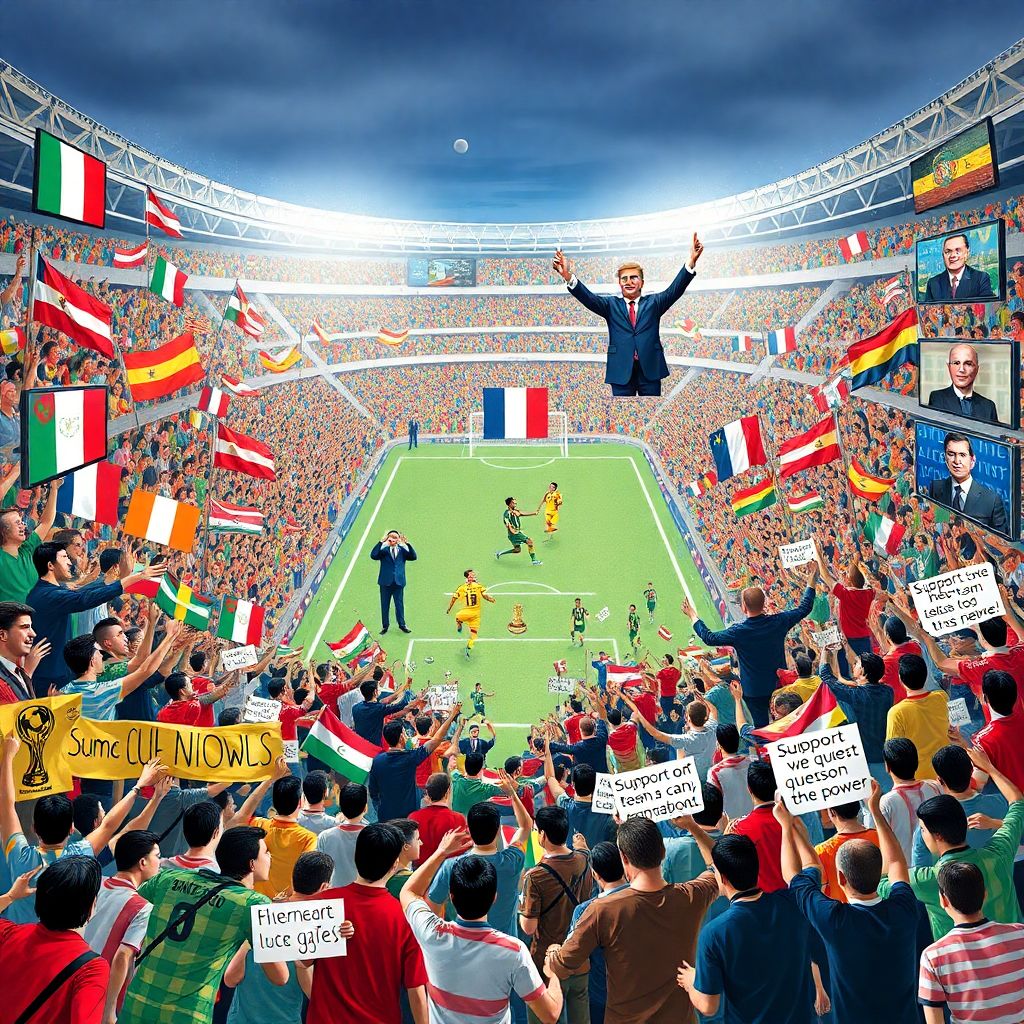
Football and national identity are glued together because the game offers a simple story: “we” versus “they”, ninety minutes, clear result. Flags, anthems and colors shrink the complexity of a country into eleven players and a ball. After a win, fans feel that the whole nation has proven its worth; after a loss, it can feel like a collective failure. This emotional shortcut is powerful, but also risky. When pride stays playful, it builds community; when it starts to divide people inside and outside the country, it becomes a tool that politicians and media can weaponize. Understanding this emotional mechanism is the first step if you want to enjoy fútbol sin culpa and still keep your critical thinking switched on.
2. How politicians appropriate sporting success step by step
To see how political appropriation works, follow this simple sequence.
1. Before a tournament, leaders wrap themselves in the flag, visit training camps, post selfies with star players. They hint that the team’s values mirror their own agenda.
2. During the competition, they use every win to change the subject from inflation, corruption or social conflict, filling news cycles with celebratory images.
3. After a title, they turn victory parades into campaign rallies, speaking from the same stage as the captain. Medals become metaphors for “national greatness” under their rule. If you watch this process consciously, you’ll notice how the narrative shifts from “the players won” to “we, as a government, delivered”. That’s the moment you should mentally put a question mark.
3. Warning signs: when healthy pride turns into nationalism
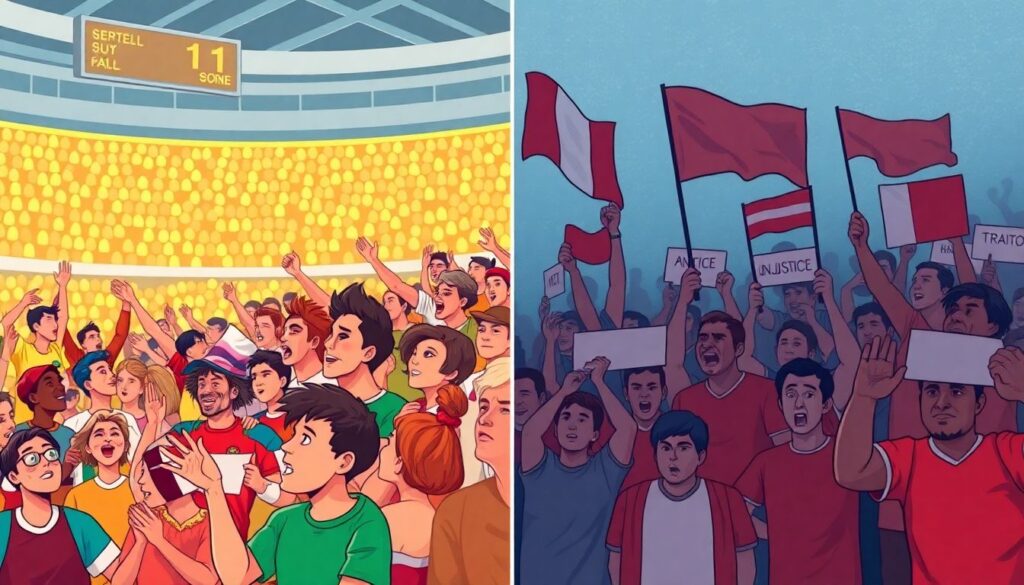
The line between joy and nationalism is thin but visible. A healthy attitude celebrates skill, fair play and shared excitement, even when the rival plays better. Nationalism, in contrast, frames defeats as “injustice” and opponents as almost enemies of the homeland. Watch for language like “traitor” for a player who refuses a call‑up, or “anti‑patriotic” for fans who criticize the coach. Another red flag: when defeats are blamed on conspiracies by referees, federations or certain ethnic or regional groups. Also be cautious when media insist that the selección represents the “real” people while dismissing minorities or migrants. When pride stops being inclusive and turns into a purity test, the cancha becomes a stage for exclusion instead of celebration.
4. Common mistakes fans and media make
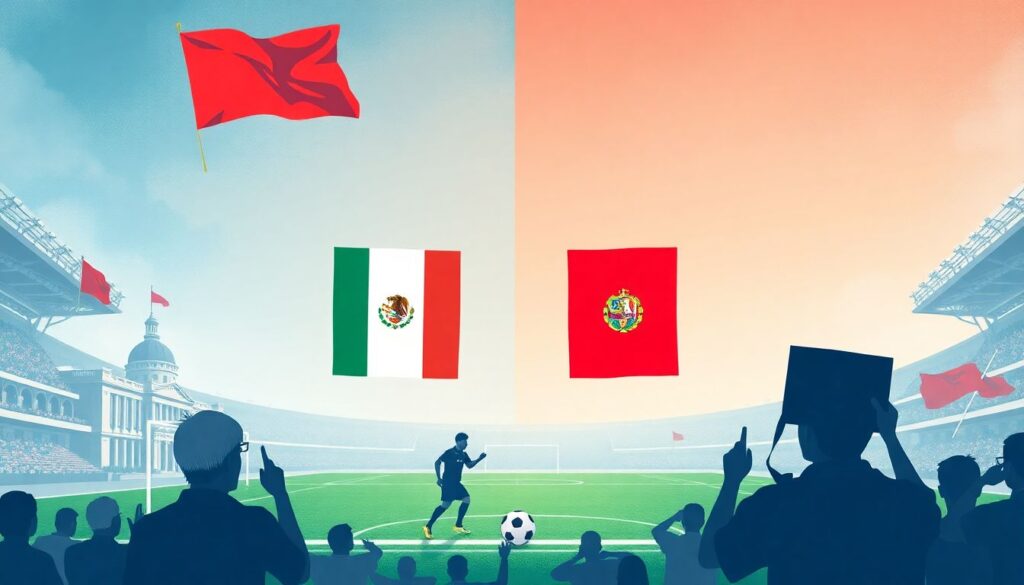
One frequent mistake is confusing the national team with the government in power, as if criticism of public policy were automatically an attack on the selección. Another error is turning debates about tactics into culture wars: “modern” versus “traditional” styles can easily be mapped onto political divides and used to insult whole regions or classes. Beginners often fall into the trap of repeating slogans without checking facts, especially around controversial tournaments. For instance, discussions about entradas partidos selección nacional fútbol precios rarely include questions about who is excluded from stadiums and why. The media can amplify these blind spots when they prioritize clickbait nationalism over serious coverage of federation finances, labor rights or fan safety. Recognizing these patterns helps you avoid becoming an echo of someone else’s agenda.
5. Practical tips for beginners: enjoying games without feeding toxic nationalism
If you’re new to following international football, start with a personal rule: support your country, not your government. Separate your joy for a goal from your judgment about politics. Second, diversify whose voices you listen to: follow journalists, ex‑players and fan groups that question authorities, not only those who chant official slogans. Third, when you buy jerseys or travel, ask where your money goes and who benefits. Even something as simple as camisetas de fútbol selección nacional comprar online can mean supporting fair‑trade options instead of shady resellers. Finally, use social media carefully: before sharing inflammatory memes about rivals, ask if you’d say the same thing face to face. This small pause often saves you from spreading xenophobia disguised as football banter.
6. Money, media and markets: how commerce amplifies national narratives
Today, the business surrounding national teams is a huge amplifier of patriotic messages. Brands sponsor “unity” campaigns, while platforms push suscripción canales deportivos para ver fútbol internacional en vivo that promise 24/7 passion. Travel agencies sell viajes y paquetes turísticos para ver partidos de fútbol internacionales as once‑in‑a‑lifetime patriotic pilgrimages. Even betting companies join in, promoting dónde apostar en partidos de fútbol de selecciones nacionales with national flags and emotional slogans. The risk is that commercial pressure rewards the loudest, most extreme narratives because they generate more engagement and sales. As a fan, you can push back by choosing information sources that explain both the beauty of the game and the social context, and by supporting clubs and initiatives that promote anti‑racist, inclusive fandom instead of campaigns that just wrap consumerism in a flag.
7. Forecast to 2030: how the debate will likely evolve
By 2026 we already see two opposite currents: rising digital nationalism and, at the same time, stronger global networks of critical fans. Looking toward 2030, expect three tendencies. First, mega‑events like the expanded World Cup will keep being used to launder national reputations, especially by states with human‑rights issues. Second, technology will intensify emotional manipulation: hyper‑targeted ads and deepfake clips of players supporting leaders will blur the line between authentic celebration and propaganda. Third, there will be more organized resistance: fan unions, players’ associations and NGOs will push for codes of conduct that limit political exploitation of teams. The outcome isn’t fixed; it will depend on whether everyday fans choose conscious enjoyment over automatic flag‑waving, and whether they demand real accountability from both politicians and federations.