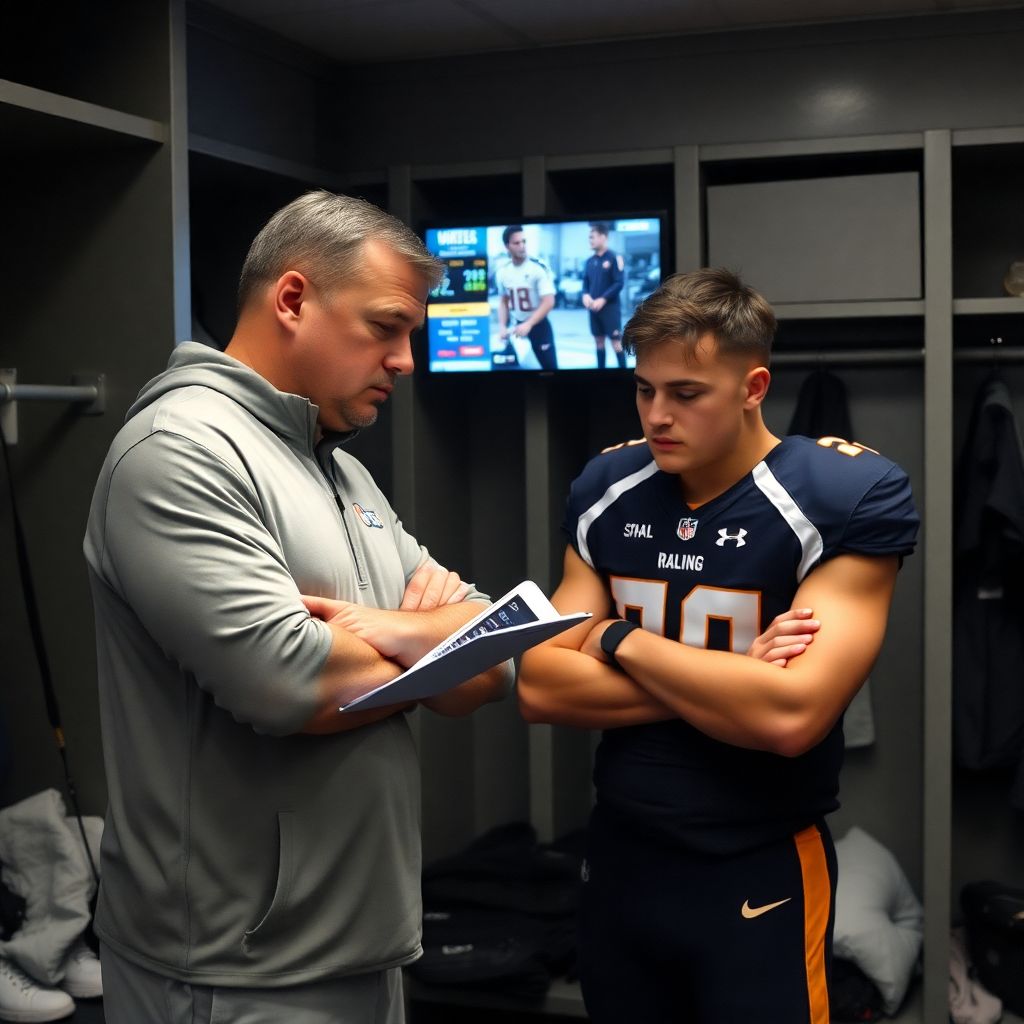
Loss in sport is a structured learning signal, not just a negative result. It exposes technical gaps, mental habits and tactical decisions that winning can easily hide. A healthy philosophy of losing treats each defeat as data, within clear emotional and physical safety limits, guided reflection and long‑term athletic development.
Core Lessons Loss Teaches Athletes
- Losing clarifies what matters most: controllable habits, not scoreboards.
- Defeat is the fastest feedback loop for exposing weak skills and shaky mindsets.
- Fear of losing blocks risk‑taking and growth; managed exposure to failure does the opposite.
- Coaches can turn losses into structured reviews instead of personal judgments.
- Progress metrics beyond wins keep motivation stable during tough seasons.
Philosophical Foundations: Why Losing Matters in Sport
In a sport culture obsessed with trophies and rankings, losing is usually treated as proof of weakness. A more useful philosophy sees every defeat as a concentrated package of information about your current level: technical execution, tactical reading of the game, physical preparation and mental stability under pressure.
This view does not romanticise failure. It accepts that losing hurts and has consequences, especially in professional contexts. The key shift is moving from moral judgment («I lost, so I am not good enough») to operational curiosity («We lost; what exactly broke down, and what is realistically changeable before the next competition?»).
In Spanish contexts where coaching deportivo mentalidad ganadora y manejo del fracaso is increasingly discussed, the most robust approach combines ambition to win with a disciplined process for processing setbacks. Loss is neither glorified nor denied; it is integrated into weekly training, review sessions and long‑term planning.
- Define loss as information, not as identity or destiny.
- Separate emotional pain («I care») from destructive self‑criticism.
- Agree as a team that every defeat triggers a learning review, not a blame hunt.
Cognitive and Emotional Mechanics of Defeat
The experience of losing activates specific thought patterns and emotional reactions that can either build resilience or create long‑term fear. Understanding this internal mechanics is the first step in learning cómo superar el miedo a perder en el deporte without suppressing normal emotions.
-
Immediate shock and protection
Right after a loss, the brain often defends the ego: blaming referees, luck or teammates. This preserves self‑image but blocks learning until emotions settle. Effective athletes and an entrenador mental deportivo para gestionar derrotas respect this «cool‑down» window before deep analysis. -
Story construction
Within hours or days, athletes build a narrative: «I always choke», «We never beat top teams», or «We are close». These stories shape confidence more than the result itself. Cognitive work focuses on rebuilding stories around specifics: situations, decisions and skills. -
Bias toward extremes
After painful defeat, thinking becomes all‑or‑nothing: total success or total failure. Training needs to re‑anchor attention to gradations: what improved, what stayed stable, what regressed. This stabilises motivation across a long season. -
Physiological stress and memory
High emotion «prints» memories strongly. If the debrief is chaotic, athletes encode panic and confusion; if the review is structured, they encode clarity and concrete corrections linked to the loss. -
Repetition loops
Unprocessed losses create loops: the same mistake repeats in decisive moments. Systematic post‑match reviews and targeted drills close these loops by connecting insight with practice design.
- Allow a cooling‑off phase before analytical discussion of defeat.
- Challenge extreme internal stories and replace them with specific, neutral descriptions.
- Link every major emotional moment from the loss to at least one practice adjustment.
How Competitive Culture Distorts the Meaning of Winning
Modern sport, especially in football‑centric countries like Spain, often teaches that winning is the only acceptable outcome. This distorts the real function of competition: to test and stretch your current capacity against resistance. Several recurring cultural patterns damage athletes’ relationship with both winning and losing.
-
Scoreboard identity
Athletes and coaches define worth only by results. A lucky win reinforces bad habits; a narrow, well‑played loss is dismissed as failure. Over time, players avoid the riskier decisions that actually build mastery. -
Shame‑based motivation
Threats, sarcasm and humiliation after defeat become the main tools of «motivation». Short term, this can trigger extra effort. Long term, it burns out athletes and amplifies fear of failure in decisive matches. -
Heroic myths
Media narratives focus on «born winners» and «losers», ignoring years of incremental learning from mistakes. Young athletes learn to hide errors instead of exposing them in training where they can be corrected. -
Misused mental toughness
Mental strength is often misinterpreted as never showing vulnerability. In reality, the best competitors speak openly about doubts and work with specialists, including those from cursos online de psicología del deporte y gestión del fracaso, to refine their response to setbacks. -
Short‑term contracts and panic
In clubs where every loss threatens contracts, coaches have little room to experiment. This leads to conservative tactics and under‑development of younger players who need space to fail safely and learn.
| Aspect | Winning‑obsessed mindset | Learning‑oriented mindset |
|---|---|---|
| View of loss | Proof of incompetence | Feedback on current level |
| Risk‑taking | Avoided to minimise errors | Managed, to expand skill limits |
| Locker‑room climate | Blame, sarcasm, silence | Honest review, shared responsibility |
| Player development | Stalled under pressure | Continuous, even during losing streaks |
- Audit your environment: note when results are used to define identity, not performance.
- Reward high‑quality decisions, even when they lead to losing a point or match.
- Use media stories and libros sobre resiliencia y fracaso en el deporte competitivo to normalise learning from defeat.
A Practical Framework for Extracting Lessons from Loss
A philosophy of loss only becomes useful when it translates into routines. The following framework outlines concrete advantages of working systematically with defeat, and also its limits and risk zones. It is designed to be compatible with high‑performance environments and youth academies in es_ES contexts.
Benefits of structured learning from defeat
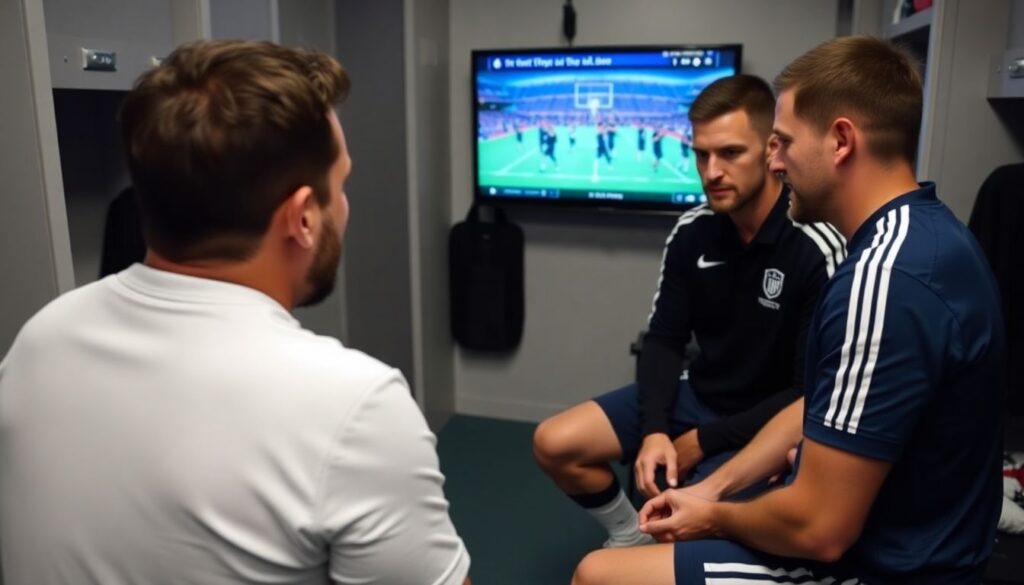
- Clear mapping between specific mistakes in matches and targeted drills in training sessions.
- Reduced emotional volatility during the season, because athletes understand why they are improving even in losing phases.
- Better communication between players and staff, as reviews focus on behaviours and decisions, not character.
- Faster integration of new players who can learn from shared loss reviews instead of repeating the same errors.
- Improved readiness for decisive games, as past failures have already been debriefed and transformed into action plans.
Limitations and safety boundaries
- Not every loss yields deep insight; sometimes the opponent is simply stronger or conditions are random, and over‑analysis creates confusion.
- Excessive focus on failure can damage fragile confidence, especially in younger athletes; balance reviews with highlighting strengths.
- Time and energy are finite; teams must prioritise 2-3 key lessons per defeat instead of trying to fix everything at once.
- Psychological safety is essential; if players expect punishment, they will hide the very information coaches need.
- Coaches need training themselves, through mentorship or cursos online de psicología del deporte y gestión del fracaso, to avoid turning reviews into disguised venting sessions.
- Use a repeatable review template after each loss to keep discussions focused.
- Limit the number of corrections taken from one defeat to a manageable few.
- Check regularly that players feel safe stating doubts and admitting errors.
Coaching and Practice Methods That Embrace Failure
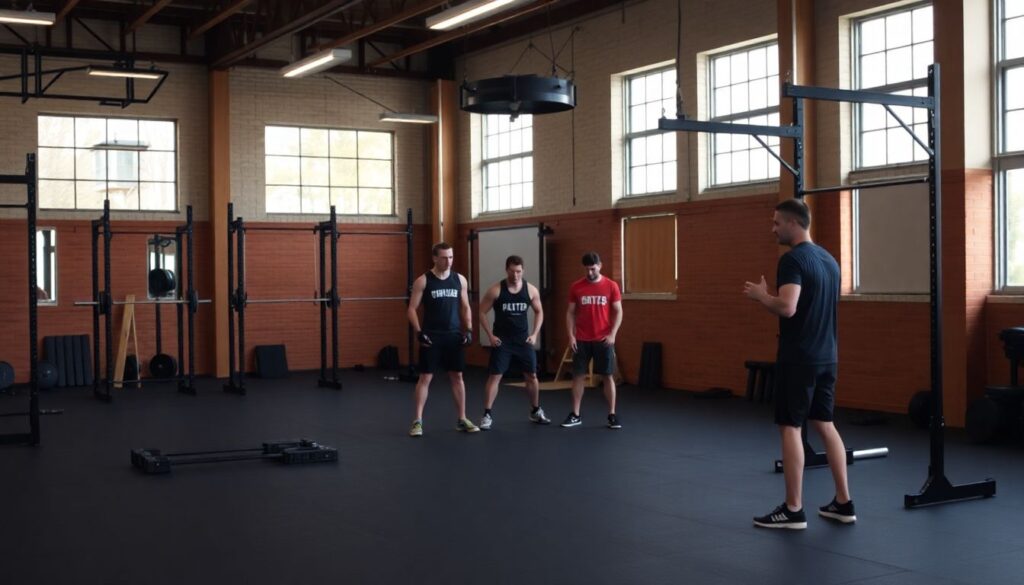
To make loss a teacher, daily training must include controlled failure. Many coaching traditions unintentionally do the opposite: they design drills where athletes succeed almost all the time, then react with surprise and anger when mistakes appear in real competition.
Common mistakes and myths about failure in training

-
Myth: «We do not have time to fail in practice»
Rushing through perfect‑looking drills saves time today and wastes it on match day. Sustainable programs reserve portions of training for high‑difficulty tasks where mistakes are expected and processed immediately. -
Myth: «If I go easy after a loss, players will relax»
Compassion is not complacency. Clear standards plus calm, precise feedback build more accountability than shouting. Many entrenador mental deportivo para gestionar derrotas focus on this balance with coaches. -
Error: Using scrimmages only to crown the winner
Instead, scrimmages can be themed: building from the back, pressing triggers, late‑game management. The «winner» is the side that best executes the theme, even if the score is against them. -
Error: Hiding coach mistakes
When coaches admit wrong tactical choices or selection errors, athletes learn that everyone in the system can fail and adjust. This normalises learning, including from staff defeats like misjudged game plans. -
Myth: «Resilience comes from suffering, not reflection»
Suffering without structure just hurts. Resilience grows when athletes link pain from losing to concrete, doable steps in the next week of training.
- Design weekly drills that are slightly beyond current ability to ensure productive errors.
- Debrief practice failures briefly on the field, then in more depth after video review.
- Model healthy responses to your own coaching mistakes to legitimise learning for everyone.
Metrics and Signals: Tracking Growth Beyond Wins
To keep athletes engaged with a philosophy that treats loss as a teacher, progress must be visible in more than just the league table. This means defining and tracking indicators that tell you whether defeats are being converted into better future performance.
Consider a football example in a Spanish regional league. A team loses three consecutive matches but sets the following non‑score metrics: number of successful presses in the final third, percentage of controlled build‑ups under pressure, and number of high‑quality chances created. Even during the losing streak, these values improve weekly. This tells coaches and players that the process is on track even before the first win arrives.
Simple pseudo‑routine for each defeat:
- Immediately after the match, record 3-5 objective performance indicators you agreed on before the season.
- At the next training, show trend graphs to the team: what is improving, what is flat, what is declining.
- Translate one or two weak indicators into specific drills for the week, then repeat the cycle.
- Define 3-7 clear, controllable metrics per position or unit, not just team results.
- Review these metrics consistently after wins and losses to normalise process thinking.
- Use books or libros sobre resiliencia y fracaso en el deporte competitivo to inspire metric ideas that reflect mental as well as technical growth.
Self‑Check: Are You Letting Loss Teach You Safely?
- After the last defeat, did you identify a small number of specific, controllable lessons, or did you stay at the level of general blame?
- Do your weekly training plans include deliberate, safe opportunities to fail and correct under pressure?
- Are your progress metrics mostly about controllable behaviours, not just the final score?
- Can athletes in your environment talk openly about fear of losing without being ridiculed?
- Do you have external learning sources (mentors, cursos online de psicología del deporte y gestión del fracaso, books) to refine your framework over time?
Clarifications on Applying a Philosophy of Loss
Does treating loss as a teacher mean accepting mediocrity?
No. It means using every defeat to sharpen standards and preparation. The goal remains to win as often as possible, but through a process that is informed, not paralysed, by setbacks.
How can youth coaches apply this without discouraging children?
Focus reviews on behaviours: effort, positioning, decision‑making, teamwork. Keep corrections specific and brief, and highlight what went well. For younger age groups, limit analysis to one or two simple lessons per match.
What if club management only cares about immediate results?
Work with two time horizons: meet minimum short‑term demands while quietly building learning routines around each game. Use clear, simple metrics to show managers how process improvements support future wins.
How do athletes personally manage the emotions after a painful loss?
Use three phases: decompress (movement, sleep, distance from social media), describe (write or talk through what happened in neutral language), and decide (choose 1-3 concrete actions for the next week of training).
Is professional psychological support necessary to implement this philosophy?
Not always, but specialists such as a sport psychologist or mental coach can accelerate the process, especially with teams stuck in fear of failure or repeating the same collapse pattern in big games.
Can this approach work in individual sports like tennis or athletics?
Yes. The same logic applies: define controllable metrics, review defeats with video or data, and design practice blocks that target the exact situations where performance broke down under pressure.
How do I know if I am over‑analysing my losses?
If reviews regularly last longer than training, or if confidence decreases over time despite working hard, you are probably analysing too much. Pull back to a small set of priorities and test them in competition.