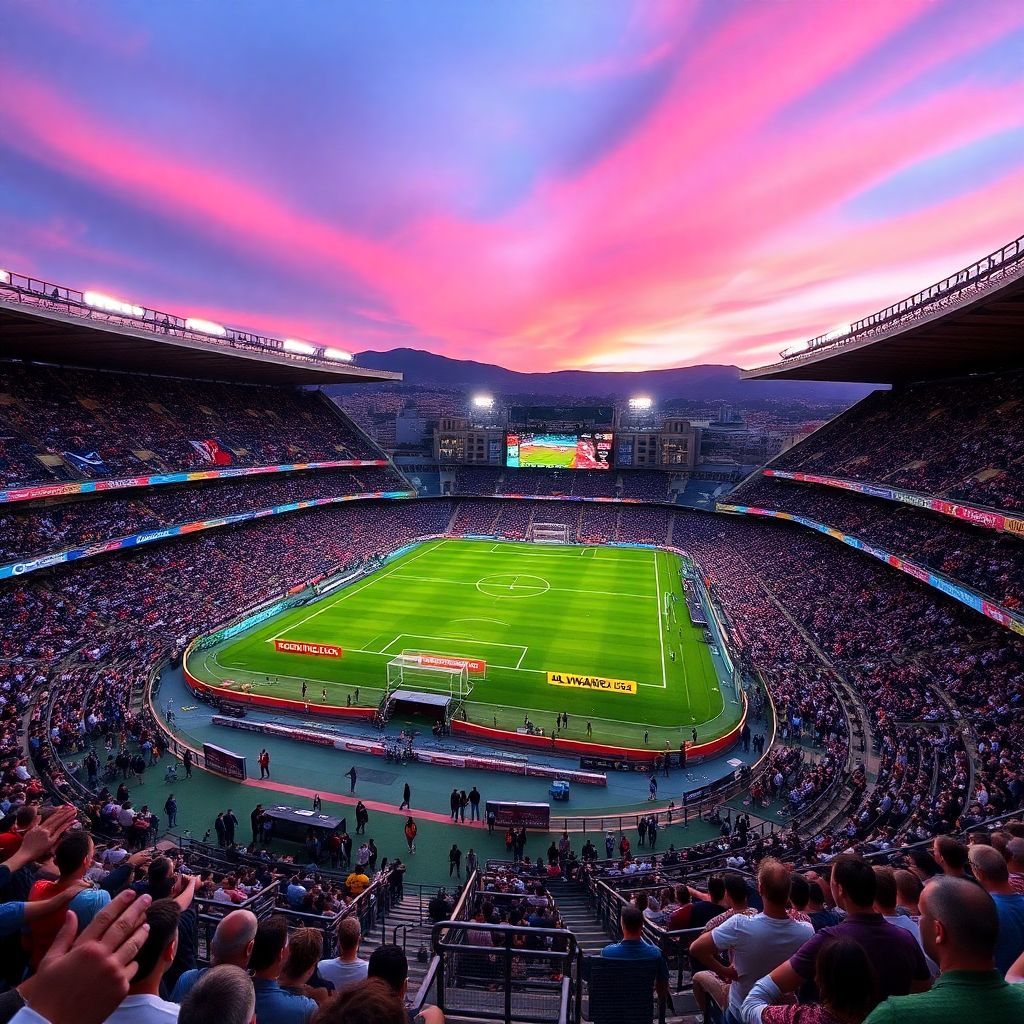
For most Spanish and European contexts, preserving deep local club identity while borrowing selected tools from global franchises works best. Pure franchise models optimise revenue and scale but often weaken el sentimiento de pertenencia. A hybrid approach lets you grow beyond your barrio without breaking roots, especially with disciplined brand, ticketing and academy policies.
Direct contrasts that shape club identity and franchise growth
- Traditional clubs maximise belonging; franchise-style models maximise scalability and sponsor value.
- identidad de club vs franquicias globales en el fútbol is mainly a tension between local governance and centralised brand control.
- Globalisation can fund facilities and academies but risks diluting symbols, rituals and local narratives.
- Multi-club or franchise systems attract investors; neighbourhood clubs attract lifetime volunteers and organic advocates.
- Budget-first strategies favour identity: community ownership, local sponsors and youth pathways are inexpensive but powerful.
- Pure franchise roll-outs fit tourist markets; mixed models fit member-driven environments like es_ES leagues.
- Clear limits on branding, relocation and ticket pricing help modern clubs grow without eroding core identity.
Anatomy of club identity: history, rituals and local ties
Before comparing clubes tradicionales vs marcas globales en el deporte, define what you are protecting. Club identity can be broken into concrete, observable elements that you can actually manage and budget for rather than vague nostalgia.
- Origins and founding story – The narrative of why the club exists (workers, students, neighbourhood). Document it, repeat it in content and match-day scripts.
- Colours, crest and name – Non-negotiable symbols. Lock changes behind super-majority member approval and long consultation, not quick sponsor deals.
- Stadium location and match‑day route – Where fans meet, walk, sing and drink. Moving outside the community has a direct cost in belonging and should be financially modelled.
- Rituals and chants – Pre‑game songs, local language, tifos, youth team presentations. Cheap to maintain, extremely valuable for sentimiento de pertenencia en clubes de fútbol modernos.
- Local player pathway – Youth academies, school partnerships and women’s teams that carry the badge. Even a basic grassroots programme protects identity better than expensive marketing.
- Governance and ownership – Member associations, fan representation on the board, or at least a formal consultation body, keep decisions aligned with community values.
- Community presence – Clinics, social projects, appearances in local fiestas. These are low‑budget but central to cómo afecta la globalización a la identidad de los clubes de fútbol.
- Media voice and language – Use local language and references in social media and press, even when you add English content for global reach.
Case study snapshot (budget-first): A Segunda RFEF club capped crest/logo changes for ten years, focused on local language chants, and ran free school clinics instead of costly international tours. The club’s social media following grew beyond Spain without weakening neighbourhood attachment.
How global franchises are built: governance, licensing and scale

Global franchises in football follow a small set of expansion patterns. Each has different costs, risks and impact on belonging. The table below compares common options for clubs evaluating estrategias para mantener la identidad de un club de fútbol ante franquicias globales.
| Variant | Who it fits | Advantages | Disadvantages | When to choose |
|---|---|---|---|---|
| Local heritage-first club with limited international reach | Member-owned or community clubs with modest budgets and strong local followings. | High belonging, strong local sponsors, low marketing costs, easier to protect traditions. | Slower revenue growth, fewer global sponsors, limited merchandising abroad. | Choose when survival depends on local fans and you lack capital for aggressive expansion. |
| Hybrid regional network (affiliate clubs and shared scouting) | Ambitious mid-table clubs seeking better talent pipelines and regional exposure. | Improved scouting, shared coaching methods, some brand growth without full franchise risks. | Complex coordination, possible conflicts between local and network priorities. | Choose when you want scale in talent development but still keep strong local governance. |
| Full global franchise model (same brand in multiple cities) | Investor-backed organisations targeting worldwide audiences and tourist markets. | Strong global brand, easy to sell to sponsors, centralised marketing and content. | High risk of cultural dilution, weaker local ties, fan resistance to standardised identity. | Choose when financial upside from global merchandising outweighs traditional club identity concerns. |
| Investor-led multi-club ownership group | Clubs open to external capital and willing to share sporting and commercial strategy. | Shared analytics, loan opportunities, access to broader sponsor pool. | Perception of being a «feeder» team, decisions may prioritise group over local needs. | Choose when you need capital and expertise, accepting some loss of full autonomy. |
Case study snapshot (governance trade-off): A historic Iberian club joined an investor-led multi-club group, securing infrastructure investment and better players. Fans accepted the deal after legally binding clauses protected crest, colours and stadium location from change.
Budget realities: revenue streams, cost constraints and survival trade-offs
Choosing between traditional club identity and franchise-style growth is often a budgeting problem, not a philosophical one. Use scenario thinking to avoid identity drift driven purely by short-term cash needs.
- If your main income is match‑day tickets and local sponsors, then prioritise identity-first strategies: stable ticket prices, loyal sponsor packages, and low‑cost community events. A franchise jump with high rebranding costs is usually unrealistic and dangerous.
- If broadcasting and digital are growing faster than stadium income, consider a hybrid: keep core symbols and local voice, but professionalise content in English and Spanish, sell digital memberships, and open cautiously to global sponsors.
- If you face immediate survival risk (debts, relegation), short-term naming rights or kit changes may be necessary. Set clear expiry dates and red lines (crest, name, stadium location) so emergency deals do not become permanent identity erosion.
- If an investor offers a franchise-style expansion, negotiate identity guarantees (no relocation, colour protection, member veto on extreme changes) in exchange for flexibility on international academies and shared branding abroad.
- Budget-first vs premium path: on a tight budget, invest in community staff, local volunteers and basic digital tools; on a premium path, direct funds into data, international academies and content studios but preserve an independent local identity team with real veto powers.
- If your women’s or youth teams overperform the men’s team, anchor your identity narrative around them. This is low-cost storytelling that may attract modern sponsors without full franchise branding.
Case study snapshot (budget vs premium): A small LaLiga club rejected a full rebrand but accepted a «powered by» international sponsor tag. The sponsor funded analytics and facilities, while the club protected badge, name and stadium – a premium upgrade without a franchise identity.
Brand control, cultural dilution and the risk of losing ‘belonging’
To manage the risk side of identidad de club vs franquicias globales en el fútbol, apply a practical selection algorithm before each major commercial or sporting decision.
- Define your non‑negotiables – List elements that cannot change for at least ten seasons: name, colours, stadium district, main chant, language on the badge.
- Rate each proposal on identity impact – For kit changes, pre‑season tours or investor offers, ask: does this touch a non‑negotiable or only commercial surfaces?
- Check belonging indicators – Track season ticket renewals, local youth registrations and members’ survey responses before and after major changes.
- Apply a community review step – For high‑impact moves (stadium, colours, crest), require structured consultation with member groups or city institutions.
- Balance local and global content – Maintain a fixed minimum of local-language posts, history pieces and academy stories in your editorial calendar.
- Set red lines for partners – Include contract clauses against relocating key games, changing traditional kick-off times excessively, or imposing generic «global» slogans that erase local identity.
- Review annually – Once a year, audit major decisions against these rules and publish a short identity report to your fans.
Case study snapshot (cultural risk control): A club joining a multi-club group created a «heritage charter» ratified by members. It bound investors legally on colours, city name and stadium, calming fears about cultural dilution.
Low-cost fan engagement: practical tactics to preserve loyalty
Most damage to sentimiento de pertenencia en clubes de fútbol modernos comes from avoidable, low‑awareness mistakes rather than big investor decisions. Focus on typical errors when designing engagement on a limited budget.
- Ignoring long-term season ticket holders when allocating seats for high-demand games in favour of tourists or VIPs.
- Overusing generic English slogans and hashtags instead of local phrases that reflect the club’s city and culture.
- Replacing traditional chants or walk‑out music with sponsor jingles without fan consultation.
- Centralising all communication through a global brand voice that feels detached from the local accent, humour and concerns.
- Scheduling community events at inconvenient times or outside the club’s historical neighbourhood to fit sponsor calendars.
- Cutting youth and grassroots activities first when budgets tighten, while keeping expensive one‑off marketing campaigns.
- Ignoring women’s and youth team stories, even when they express the club’s values more clearly than the professional men’s squad.
- Failing to explain the financial reasons behind necessary commercial deals, creating suspicion and rumours among core fans.
- Copying North American franchise rituals without adapting them to local traditions and supporter groups.
- Underestimating the symbolic impact of small changes (badge tweaks, kit colours) on older generations of fans.
Case study snapshot (low-cost loyalty boost): A mid-table club in Spain created a «history night» once per season: old players, local bands and supporters’ groups organised the programme. Costs were minimal; season ticket renewals improved and local media coverage increased.
Real-world comparisons: compact case studies of clubs vs franchises
For community-centric Spanish clubs, a heritage-first or hybrid regional model is usually best for long-term belonging, while full global franchise approaches suit investor-led projects targeting international TV and tourism. A balanced choice uses global tools (analytics, digital, academies) to fund the local story, not to overwrite it.
Brief practical answers to common implementation doubts
Can a small club realistically build a global fanbase without becoming a franchise?
Yes, by exporting its story, not a generic brand. Use bilingual content, occasional international friendlies and digital memberships while keeping crest, colours and local rituals untouched. Growth may be slower but belonging remains strong.
How does globalisation practically affect daily club operations?
It increases pressure to adapt kick-off times, content languages and pre-season tours to global audiences. This can stretch squads and staff, but with clear limits and rotation policies you can integrate global demands without overloading local operations.
Is joining a multi-club group always a threat to identity?
No, but it shifts power. The risk depends on contract details: protect stadium, colours and sporting autonomy. If you secure local vetoes and clear governance, you can access shared resources without becoming a pure feeder franchise.
What are the cheapest actions to strengthen belonging this season?
Prioritise open training sessions, school visits, supporter meetings with coaches, and visible roles for local legends on match days. These cost little compared to marketing campaigns but deeply reinforce club identity.
How do we explain commercial deals to sceptical fans?
Share the financial context, specify what elements are protected, and set clear time limits for controversial changes. Transparency and early communication prevent rumours and show that identity is being traded carefully, not sold off.
When does a rebrand become too risky?
When it touches name, colours, crest or stadium location without strong consultation. Minor kit or typography updates are manageable; radical changes should only follow long, transparent processes with member participation.
Can tourist fans and ultras coexist under one brand?
Yes, if you design separate experiences. Protect affordable, identity-heavy areas for core fans, while offering premium, flexible products for visitors. Clear segmentation lets you monetise tourism without displacing traditional supporters.