
For most Spanish clubs, a mixed model works best: a strong cantera as the backbone, complemented by targeted, well‑scouted signings rather than pure chequera. Go heavier on academy when money is tight or you want identity and patience; lean more on transfers when you need quick impact, depth and instant competitiveness.
Executive summary: core contrasts and strategic implications
- Modelos de construcción de plantillas de fútbol canteras vs chequera are not binary; the most resilient clubs combine both with clear priorities.
- Cantera gives cultural identity, wage control and long‑term value, but needs time, patience and elite development structures.
- Chequera accelerates performance and marketing impact, but raises financial risk, dressing‑room tension and dependence on constant spending.
- Small and mid‑table La Liga clubs usually gain more from academy‑first strategies with smart, undervalued signings around them.
- Big clubs chasing titles every season must blend high‑level youth promotion with selective, expensive signings in problem positions.
- How the policy is communicated internally and to fans largely determines cómo afecta la política de fichajes y cantera a la cultura del club.
Origins and philosophies: why canteras and chequera arise
Before choosing, understand why each model exists and what it asks from your club.
- Financial base and local market: Clubs in smaller cities or with limited TV share tend to embrace cantera because they cannot win pure chequera wars. Wealthier clubs can use transfer power, but must still justify spending.
- Time horizon for success: If you need promotion or European qualification immediately, an investment‑heavy approach looks attractive. If you can plan over 5-8 years, youth structures pay off and reduce dependence on volatile markets.
- Existing academy strength: A club with tradition of producing players already has an advantage in a cantera model. Where the academy is weak, serious rebuilding is required before expecting first‑team impact.
- Brand and identity goals: Some clubs consciously position themselves as community teams or «talent factories», while others sell a global star brand. This shapes whether clubs que apuestan por cantera vs fichajes millonarios análisis makes sense for your board.
- Board risk appetite: An academy‑heavy plan involves upfront investment with slower visible results but often more sustainable risk. A chequera strategy concentrates risk in large transfer fees and wages, which can be hard to reverse.
- Competition intensity: In leagues with two or three financial giants, mid‑level clubs may differentiate via development and style instead of trying to match transfer spending.
- Local talent density: Regions with strong grassroots football ecosystems favour cantera; if your catchment area is weak, being more active in the transfer market becomes strategic.
- Coaching philosophy: Coaches focused on long‑term processes and game model coherence usually fit better with an academy‑centric plan than those who specialise in managing stars and short cycles.
How each model operates: scouting, development workflows and transfer practices
Ventajas y desventajas de la cantera frente a la chequera en el fútbol become clearer when you compare operational variants rather than abstract ideologies.
| Variant | Best suited for | Pros | Cons | When to choose |
|---|---|---|---|---|
| Pure cantera backbone | Clubs with strong academy tradition, limited budget, loyal fanbase willing to wait. | Strong club identity, lower long‑term wage bill, resale value from homegrown talent, tactical continuity through age groups. | Slower impact on first team, risk of losing top talents early, results volatility if one or two generations are weaker. | When survival and sustainability trump immediate trophies, and your academy already produces potential first‑teamers. |
| Cantera‑leaning hybrid | Mid‑table clubs and ambitious Segunda teams seeking gradual growth. | Core of homegrown players plus targeted signings in weak positions, balanced wage structure, smoother integration of youngsters. | Requires strong scouting and discipline to avoid panic buys; occasional need to sell stars can unsettle fans. | When you want identity and stability but still need some proven experience to compete every season. |
| Market‑leaning hybrid | Top‑half clubs with European ambitions and reasonable resources. | Faster competitive upgrade, ability to fill key roles with ready‑made players, marketing impact from known names. | Higher wage pressure, youngsters may face blocked pathways, risk of poor fit signings disrupting the dressing room. | When you aim to step up one competitive tier within a few seasons without fully abandoning youth development. |
| Pure chequera strategy | Elite clubs chasing titles every year with global revenue streams. | Immediate performance, depth in all positions, international brand boost, flexibility to change coach and squad quickly. | Extreme cost, dependence on constant transfer spending, weaker identification from local fans, fragile culture if results dip. | When your business model is built around global exposure, short cycles and constant contention for major trophies. |
When you design estrategias para construir equipos de fútbol con cantera o inversión en fichajes, choose a variant, then align scouting, contracts, coaching profile and communication with that choice.
Financial calculus: costs, revenue streams and risk profiles
Use clear scenarios instead of intuition when weighing cantera versus chequera.
- If your wage‑to‑revenue ratio is already tight, then prioritise academy retention and low‑cost, high‑upside signings; postpone big transfers until your financial structure is healthier.
- If you have a one‑off cash injection (new investor, player sale), then invest first in academy facilities, coaching and scouting, and only allocate a controlled portion to marquee signings.
- If relegation would be financially catastrophic, then a calculated chequera push on a few key positions may be justified, but structure contracts with relegation clauses and avoid long, inflexible deals.
- If your stadium is often below capacity, then strengthen identification by promoting local youngsters and communicating their stories; complement them with entertaining, value‑for‑money signings instead of purely «big names».
- If your academy consistently produces saleable talent, then accept a «develop and sell» cycle: renew early, sell at the right time, and reinvest a percentage back into development and undervalued recruits.
- If transfer market inflation accelerates, then doubling down on development becomes relatively more attractive, because replacing squad quality through external signings will only get more expensive.
Sporting outcomes: talent pipeline, depth, resale and competitive consistency

Use this quick checklist to choose or adjust your sporting model.
- Define your minimum sporting objective for the next three seasons (avoid relegation, mid‑table stability, European spots, titles).
- Audit your academy: how many players aged 17-21 could realistically play first‑team minutes within two years, by position.
- Rate your current squad depth by line (defence, midfield, attack) and identify positions where talent cannot come quickly enough from below.
- Estimate how many players you might sell for profit in the next three years and from where they will come (cantera or transfers).
- Decide the acceptable level of variability in results: if you cannot tolerate one weaker season, you probably need more proven players.
- Match coaching profile to pipeline: if you choose a cantera‑heavy route, hire staff experienced in integrating and protecting young players.
- Set a clear annual target for first‑team minutes from academy graduates and a maximum number of high‑fee signings per window.
Club culture and community: identity, fan relations and internal leadership
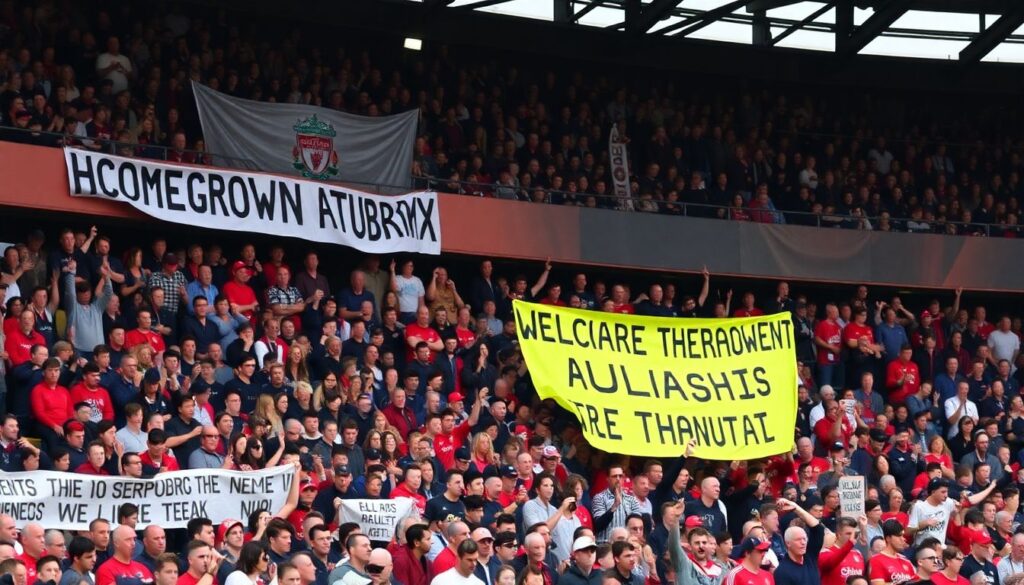
Cultural impact is often underestimated when discussing modelos de construcción de plantillas de fútbol canteras vs chequera.
- Assuming fans will accept any style of team‑building as long as you win, ignoring that many supporters care deeply about locally developed players.
- Communicating only big signings while neglecting academy milestones, which weakens the perceived value of development work.
- Promoting youngsters too quickly for marketing reasons, then discarding them after one poor season and damaging trust in the pathway.
- Allowing star signings to bypass internal rules (discipline, media, privileges), creating a split between «academy kids» and «chequera stars».
- Failing to integrate senior homegrown leaders in decision‑making, even though they understand the dressing‑room culture best.
- Overreacting to short‑term results by swinging from cantera rhetoric to emergency chequera shopping sprees, confusing staff and fans.
- Ignoring how clubes que apuestan por cantera vs fichajes millonarios análisis are perceived by media: inconsistent messages invite criticism during difficult periods.
- Not using community projects, school visits and local partnerships to reinforce the link between youth teams, first team and city.
- Designing the game model around individual stars rather than a repeatable identity that survives player turnover.
Decision tree for clubs: situational criteria to adopt, mix or switch models
Use this mini decision tree to orient your choice.
- If you are a small or mid‑table club with limited budget and a decent local talent base, lean strongly towards cantera‑first with a few key-value signings.
- If you are a promotion contender or newly promoted side needing immediate stability, adopt a cantera‑leaning hybrid but secure 3-5 experienced pillars via smart transfers.
- If you are an established top‑half club targeting Europe, opt for a market‑leaning hybrid, keeping a visible pathway for 2-3 academy talents each season.
- If you are an elite, global club with title pressure every year, combine top‑class recruitment (chequera) with a highly selective promotion of the very best academy prospects.
Overall, a cantera‑first approach is usually best for long‑term sustainability, identity and wage control, especially for Spanish clubs outside the global elite. A transfer‑heavy chequera model suits clubs chasing immediate titles and global exposure, provided they manage financial risk and still keep a credible, symbolic pathway from youth to first team.
Practical clarifications and short answers
Is a pure cantera model realistic for most professional clubs?
It is realistic mainly for clubs with strong local talent, excellent coaching and patient ownership. Most will still need some external signings for experience, depth and specific profiles that the academy cannot produce in time.
How many academy players should a first team aim to field regularly?
Think in roles rather than fixed numbers: at least a few homegrown players as leaders or rotation options in every line, plus a constant flow of youngsters training with the first team and getting minutes gradually.
Does heavy spending always damage club culture?
No. Problems arise when stars receive special treatment or contradict the existing identity. If recruitment focuses on character, tactical fit and respect for the club, significant investment can coexist with a strong culture.
What is the main risk of relying too much on chequera?
The main risk is building a squad that is financially inflexible and emotionally detached from the club. If results dip, it becomes harder to reset without painful sales or drastic wage reductions.
How can a club protect its best academy talents from leaving too early?
Offer clear pathways, early but responsible contract renewals, competitive salaries relative to role and strong communication with families and agents. Sporting project and trust often matter as much as pure money at that stage.
Can a club switch from chequera to cantera‑first without suffering on the pitch?
Yes, but it requires a phased plan: maintain some experienced pillars, set realistic short‑term objectives, and progressively increase minutes for academy graduates while improving development structures.
How should fans be involved when redefining the team‑building model?
Share the long‑term plan openly, explain trade‑offs and highlight concrete milestones such as academy debuts and key signings. Transparency reduces frustration during transitional seasons.