Categoría: Tácticas y Estrategias
-
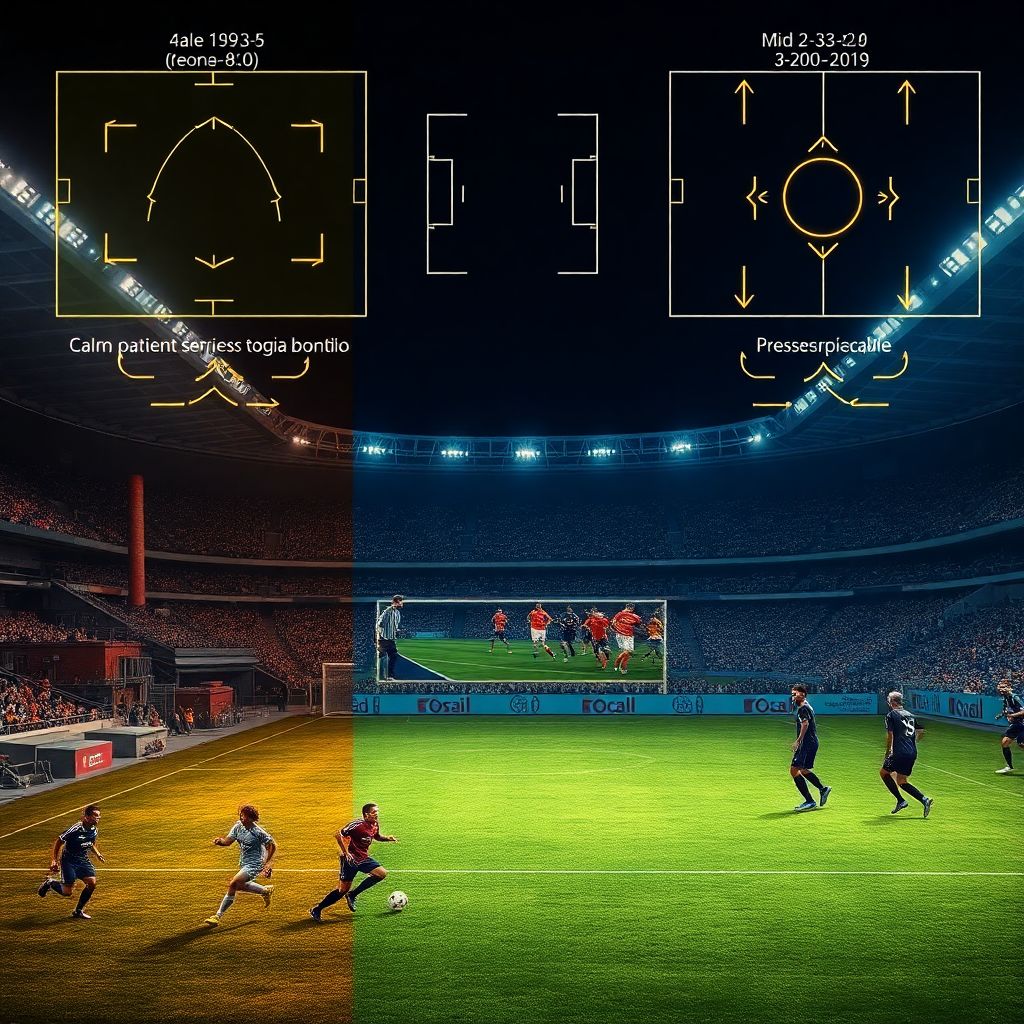
Football as a mirror of society: what our style of play reveals about values
Historia y contexto: de los barrios al espejo del mundo Si miramos hacia atrás, el fútbol siempre ha sido algo más que 22 personas detrás de un balón. A finales del siglo XIX, cuando el juego empieza a expandirse desde Inglaterra al resto de Europa y a América Latina, ya aparece como un lenguaje social.…
-

Football as a secular religion, its rites, idols and modern mythologies
Fútbol as a secular religion: why this metaphor works Talk to any hardcore fan and you’ll see it instantly: football is not “just a sport”. It organizes weeks, gives people a sense of belonging, offers heroes and villains, and even a kind of moral code. In practice, it behaves a lot like a secular religion:…
-

Is there an absolute juego bonito?. Aesthetics, ethics and efficacy in elite football
El mito del “jogo bonito” absoluto Estética vs. resultado: lecciones del Barça y del Inter Durante años se vendió la idea de que el único “juego bonito” era el del Barça de Guardiola: posesiones eternas, pases cortos, laterales por dentro. Sin embargo, si miras la semifinal de 2010 contra el Inter de Mourinho, ves otro…
-

Tactics as languages: how game systems express philosophical ideas
Por qué las tácticas también son lenguaje When we talk about game meaning, people usually jump straight to dialogue, lore or cutscenes. But in design practice, tactics work more like grammar: the set of allowed actions and constraints that quietly say what the game thinks about the world. A stealth system that always rewards waiting…
-

The commodification of football: global entertainment or loss of essence?
Contexto actual: del barro al negocio global El fútbol dejó hace tiempo de ser solo un juego de barrio para convertirse en una industria globalizada que mueve miles de millones de euros al año. Derechos de televisión, patrocinadores multinacionales, casas de apuestas, giras internacionales y marketing digital han creado un ecosistema en el que cada…
-
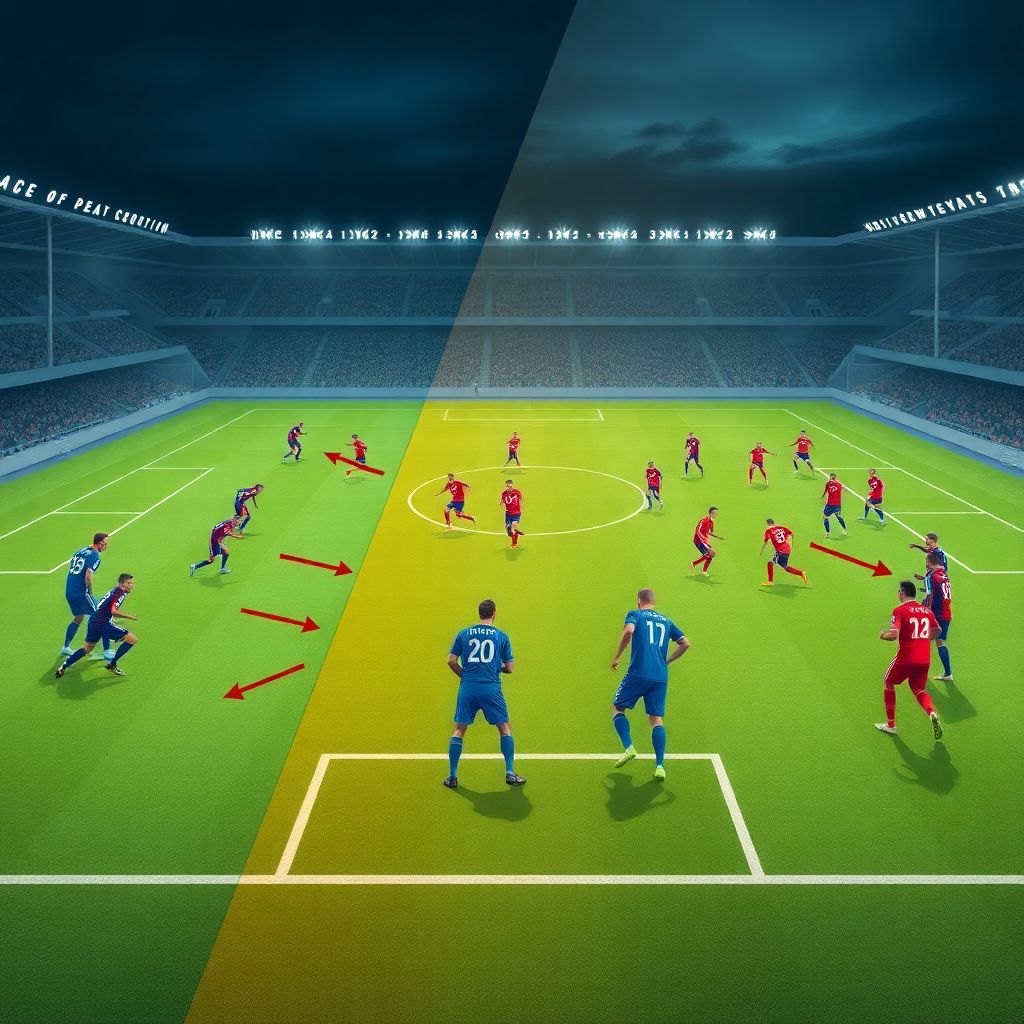
Catenaccio, tiki-taka and gegenpressing as life philosophies in modern football
Catenaccio, tiki-taka y gegenpressing: much more than X’s and O’s We talk about Catenaccio, tiki-taka and gegenpressing as if they were just tactical choices on a whiteboard, but they’re closer to worldviews wrapped in magnetic counters. Catenaccio is the suspicious pessimist: assumes the world (and the rival) will hurt you if you expose yourself. Tiki-taka…
-
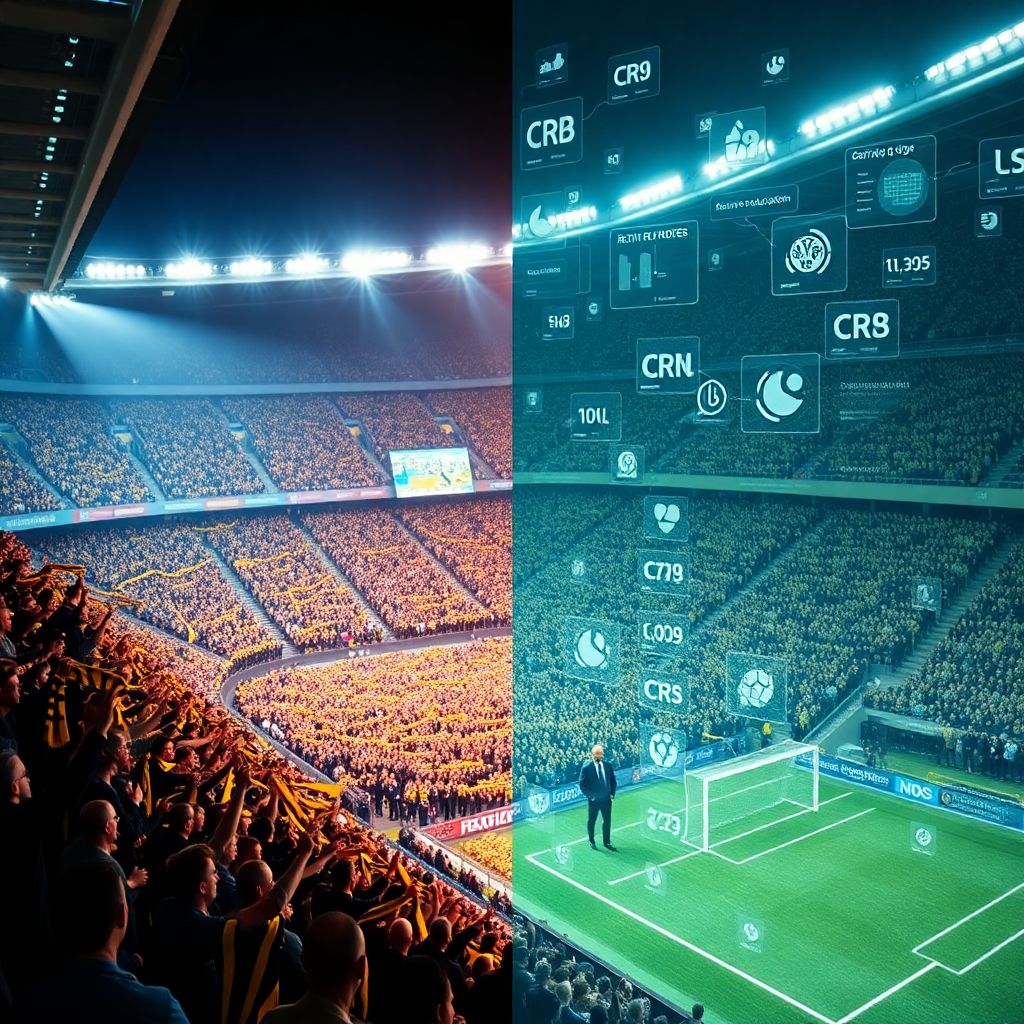
Fans as consumers: how the sports supporter is transforming into a customer
La escena es familiar: una grada llena, cánticos, bufandas en alto… pero, detrás de todo eso, un CRM, dashboards de datos y campañas segmentadas. El debate ya no es teórico: ¿son los fans consumidores o siguen siendo hinchas ante todo? La transformación del aficionado en cliente no es un eslogan de consultora, sino una tensión…
-

Tactics as language: how game systems communicate ideas and values
Tactics as language: reading the hidden sentences of play Tactics aren’t just “how to win”; they’re the way a game whispers its worldview to the player. Every cooldown, line of sight, damage curve and scoring rule is a little grammatical rule in a secret language. A stealth game where patience beats aggression is literally telling…
-

The collective hero: a philosophical reading of the team above the star
Por qué ya no basta con el “genio solitario” Durante décadas nos vendieron la imagen del héroe individual: el fundador visionario, el jugador que mete el gol en el último minuto, el “crack” que resuelve lo que nadie más puede. Pero si miramos con calma cómo funcionan hoy las organizaciones, la ciencia e incluso el…
-
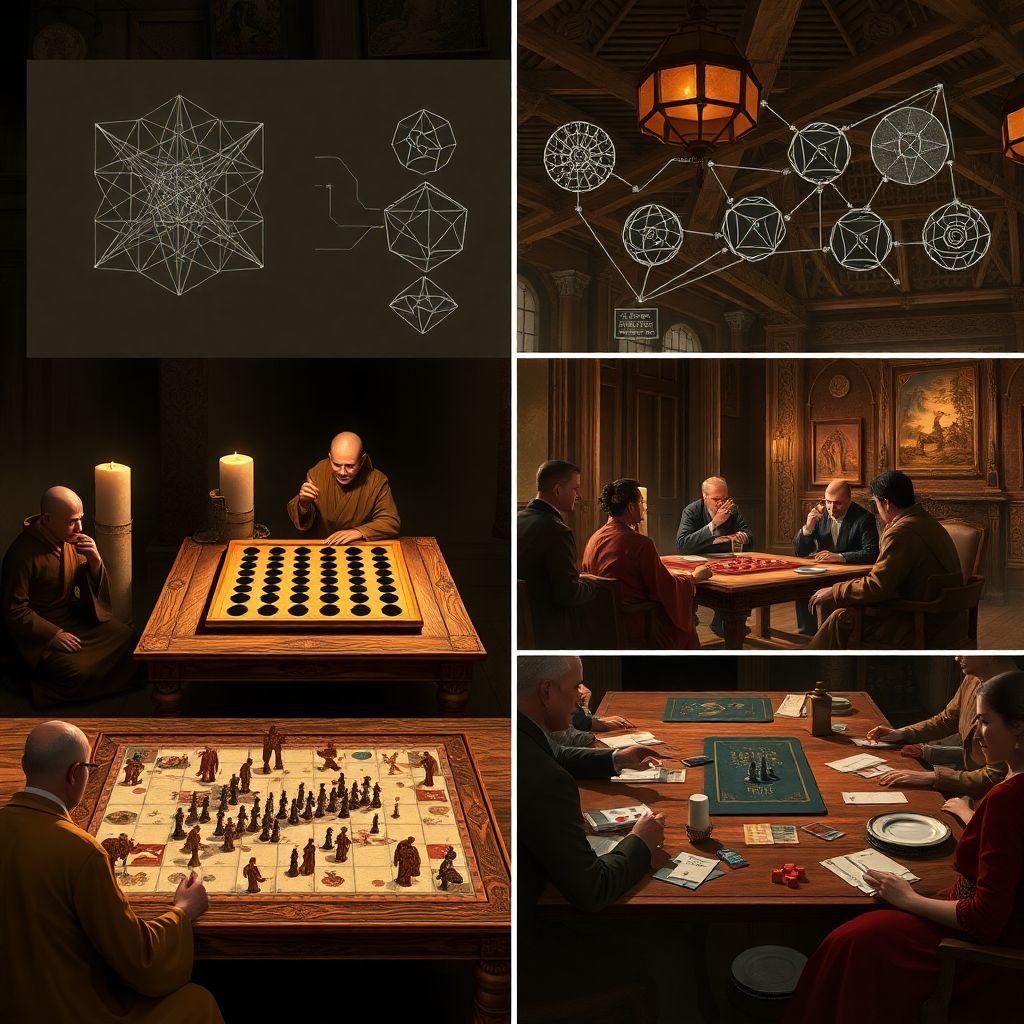
Tactics as languages: how game systems express order, freedom and control
Historical background From the start, games have doubled as small philosophical laboratories, even when nobody used that word. Ancient strategy games like Go or chess encoded assumptions about order, hierarchy and prediction: power is centralized, information is mostly perfect, and victory comes from long‑term planning. Medieval courts played early “war simulators” to rehearse feudal logic;…