Categoría: Impacto Sociocultural
-

Globalization of football academies: early scouting and the ethics of child talent
Globalising youth academies demands strict ethical, legal and safeguarding controls around scouting, early signings and child talent. Focus first on welfare, schooling and informed consent, then on football development and contracts. Treat international movement as exceptional, rely on strong local academies, and involve independent experts in every high‑impact decision. Core considerations for global youth recruitment…
-

Street football childhood: how the potrero sparks creativity academia represses
Potrero football is informal, self-organised street play in small, irregular spaces where children invent rules, solve problems, and learn to compete without adult control. This environment accelerates creativity, deception, and game intelligence that many professional academies unintentionally repress with over‑structured drills, early positional roles, and fear‑based error correction. Core insights on how potrero play shapes…
-

Football time: anxiety, waiting and ecstasy in 90 minutes and added time
Match time in football is a psychological and tactical frame: 90 minutes plus added time, sliced into phases that shape decisions, stress, and joy. Understanding these temporal patterns helps players, coaches, bettors, and fans interpret momentum, manage anxiety, and avoid overreacting to short bursts of play or dramatic late goals. Temporal dynamics: a concise map…
-
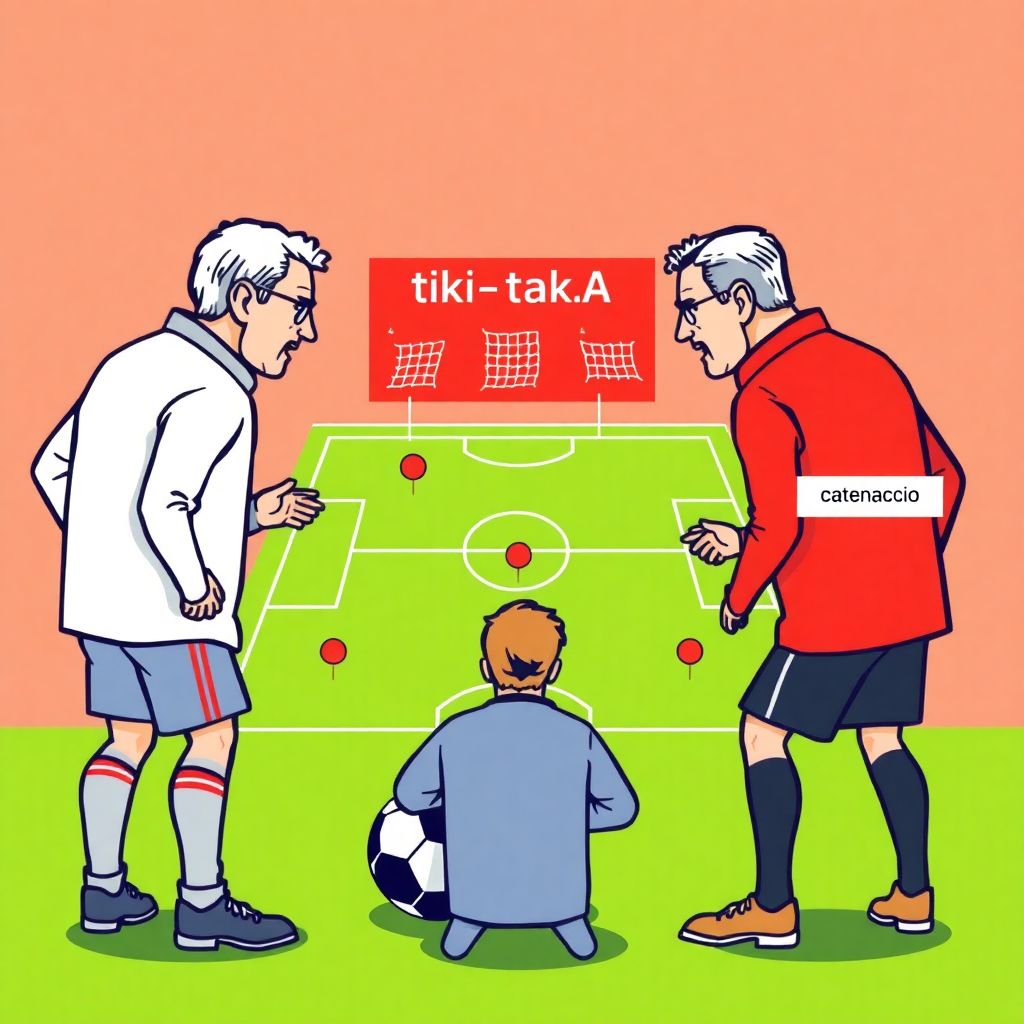
Tactics as ways of thinking: what tiki-taka, catenaccio and gegenpressing show
Tiki-taka, catenaccio and gegenpressing are not just tactical systems; they are three worldviews about control, risk and cooperation. The best choice for your team depends on budget, player profiles and club culture: tiki-taka for patient collective control, catenaccio for pragmatic solidity, gegenpressing for high-intensity collective aggression. Essential insights summarized Tiki-taka expresses a belief in rational…
-
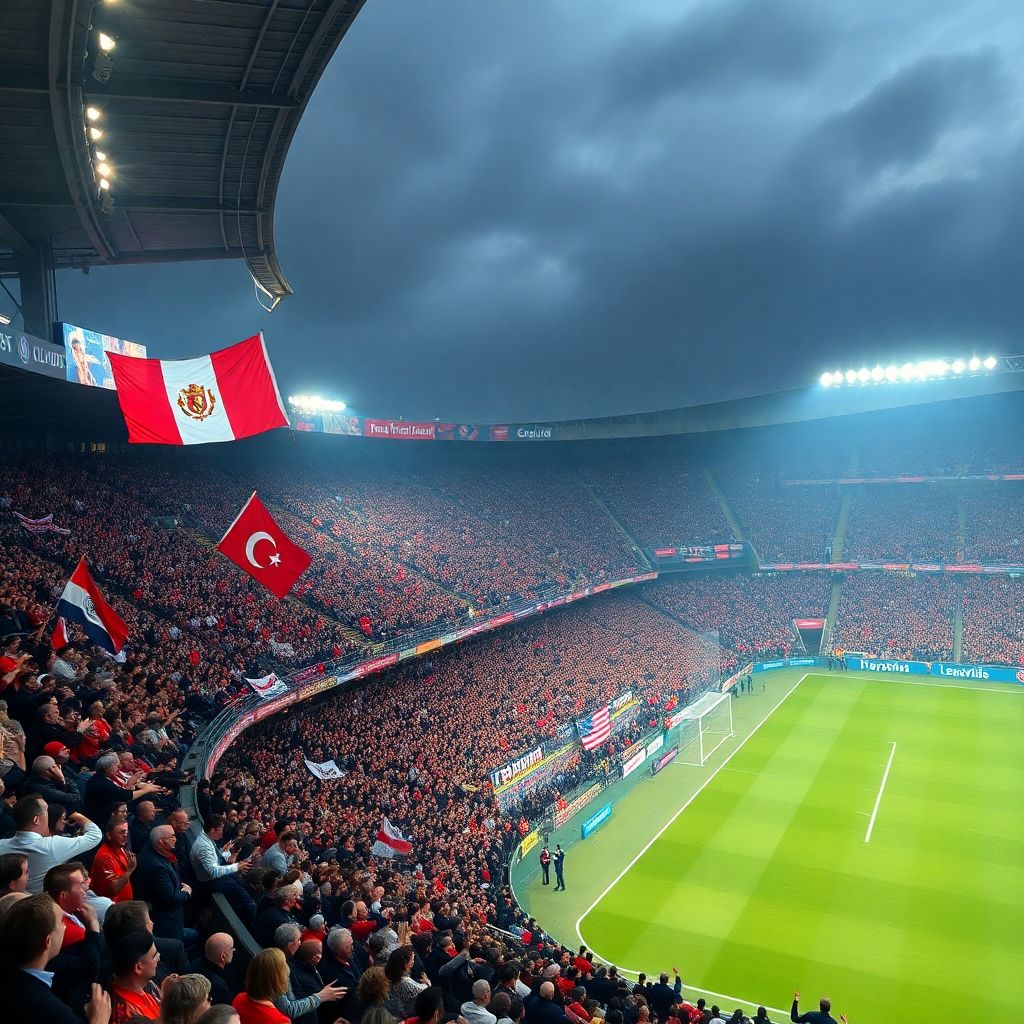
Football and politics: when the beautiful game becomes a tool of power
Football becomes a political instrument when actors deliberately use matches, teams or tournaments to shape public opinion, legitimacy or power relations beyond sport itself. It is not every flag or anthem in a stadium, but structured attempts to mobilise emotions, visibility and collective identity to influence concrete political agendas, decisions or conflicts. Essential concepts that…
-

Women’s football: challenges, prejudice and cultural transformation of the game
Women’s football is a fully professional, highly tactical version of the game that faces extra structural and cultural barriers: underfunding, poor visibility and persistent prejudice. Transforming it means changing how we invest, schedule, broadcast, coach and talk about the sport, so girls and women access equal pathways, conditions and recognition. Essential shifts in women’s football…
-

Romanticizing the past: was old football really better than today’s game
Past football was not simply better or worse; it was different along clear lines: tactics, rules, physical preparation, money and media. To navigate the debate safely, treat claims about the «mejor época del fútbol mundial» as hypotheses, compare eras with transparent criteria, and acknowledge both data limits and emotional attachment. Core arguments on whether past…
-

The coach as philosophical leader: from motivator to architect of meaning
A philosophical coach in sport goes beyond motivation and tactics to help athletes and staff interpret effort, failure and success in meaningful ways. Compared with classic motivational leadership, this approach is slower to implant but more stable, with higher ethical demands and clearer long‑term impact on autonomy, resilience and team identity. Core principles distinguishing the…
-

Is football still a simple game or now a complex product designed to be sold?
Football today is both: a simple game on the pitch and a complex entertainment product engineered to sell. Understanding where it is «just football» and where it becomes a designed product helps clubs, leagues, sponsors and fans make better decisions about schedules, prices, marketing and sporting integrity. Thesis Snapshot: From Pitch to Commodity The basic…
-
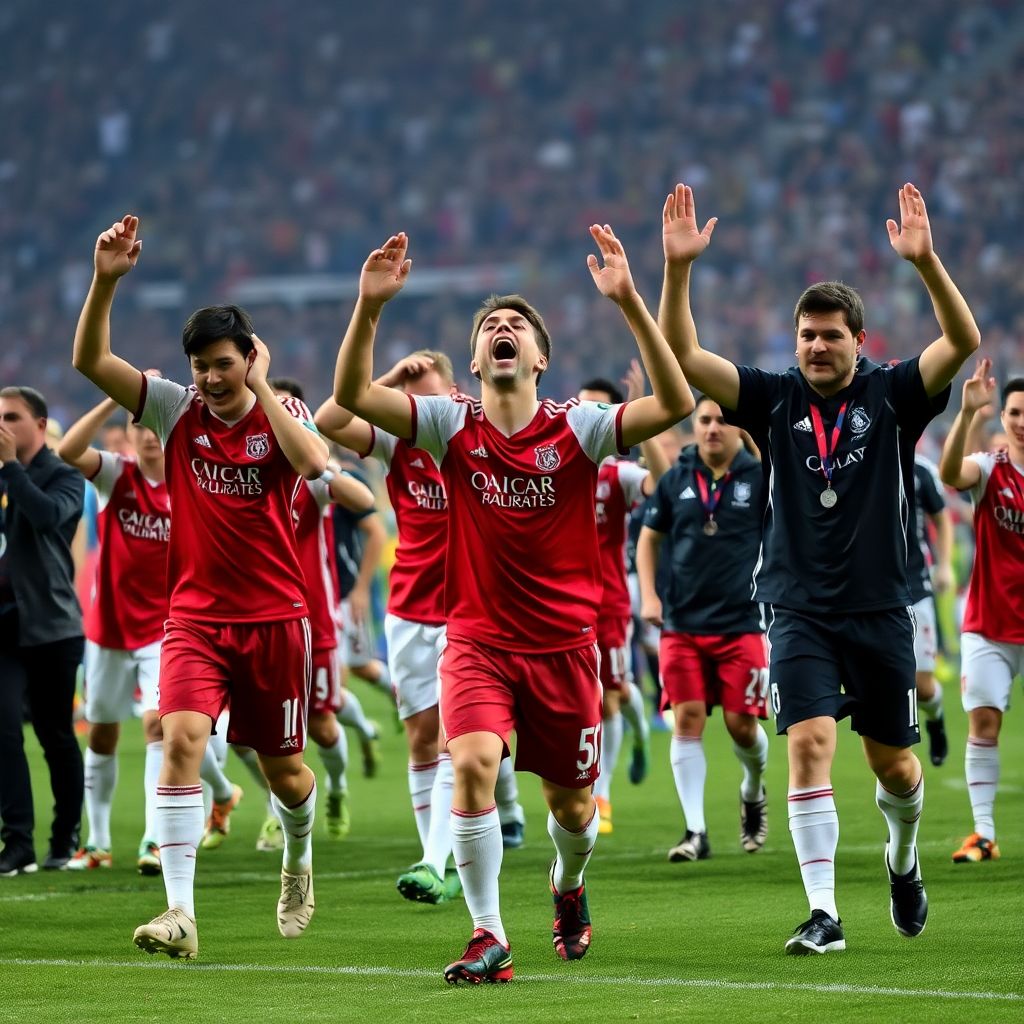
The beautiful loser narrative: why we love teams that fail with style
The narrative of the «beautiful loser» explains why fans admire teams that fail yet display style, courage, and identity. It values expressive play, emotional connection, and moral coherence over trophies. This narrative is powerful but risky: it can inspire resilience or, misused, become an excuse for repeated, preventable failure. Essential concepts behind the «beautiful loser»…