Why ultras, barras and hinchadas feel almost like a religion
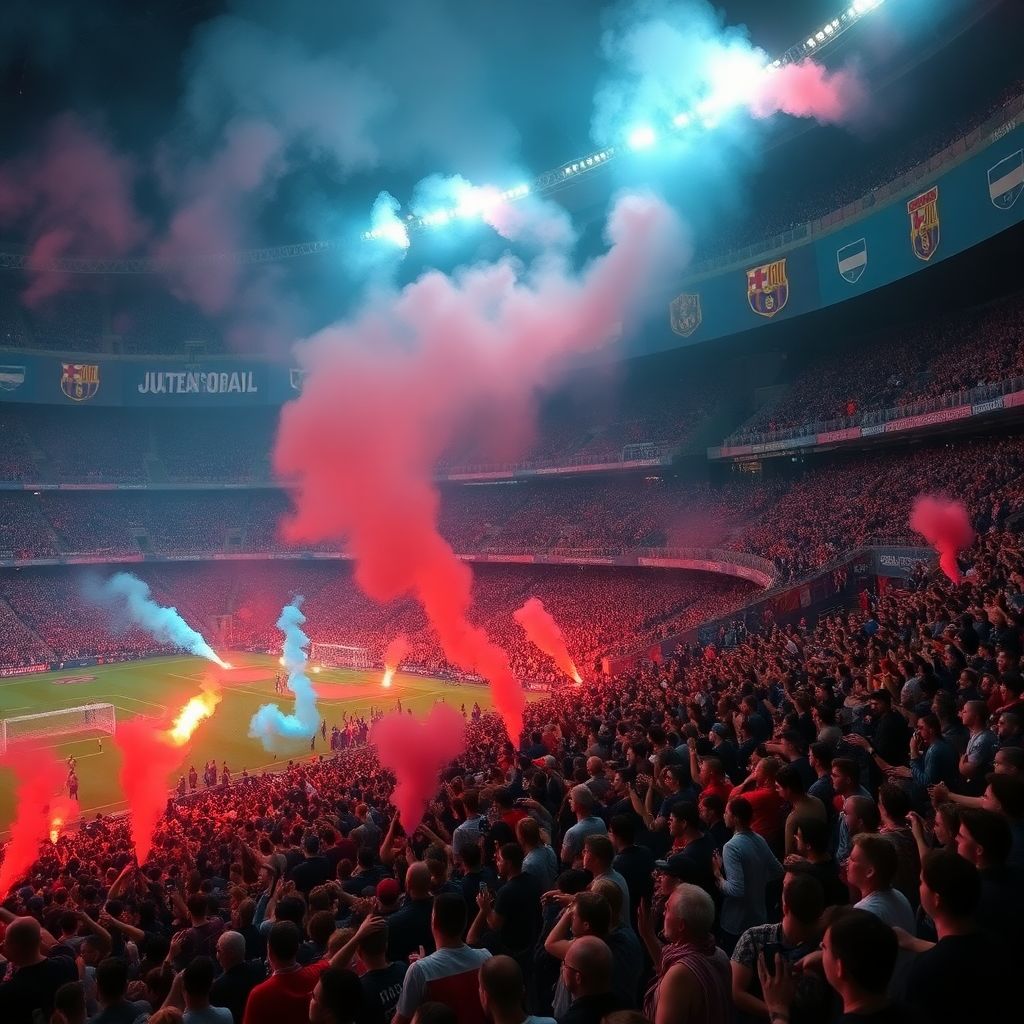
If you’ve ever stood in a curva or popular stand, you know it doesn’t feel like “just” football. Chants don’t stop for 90 minutes, people hug strangers after a goal, and some fans cry during an anthem as if it were a mass. That’s where ultras in Europe, barras bravas in Latin America and hinchadas in general blur the line between sport, ritual and faith. Sociologists have been writing about this since the 70s, but the stands still invent new rites every season, from Tifos to pyros to viral songs.
Ultras, barras, hinchadas: same storm, different names
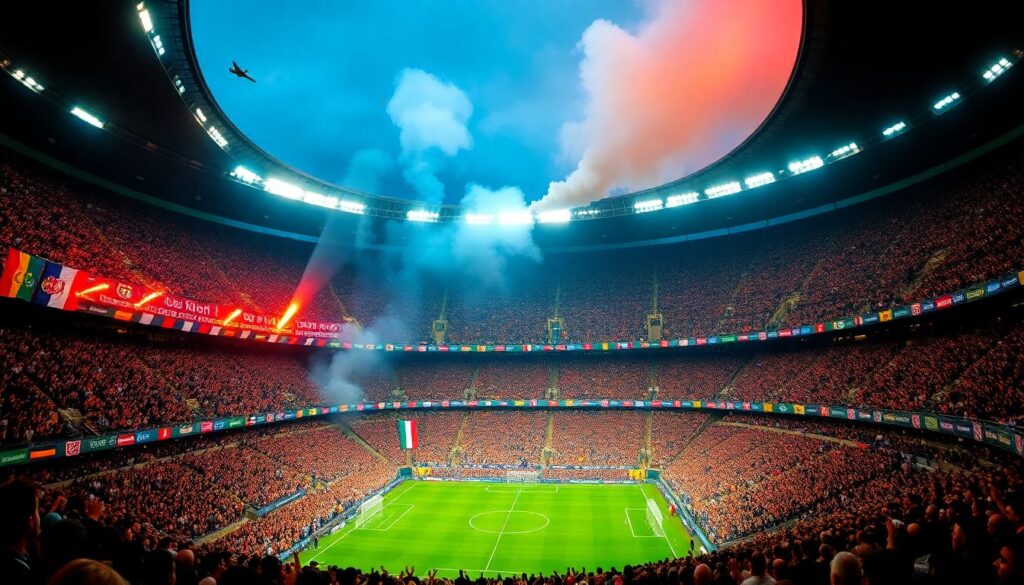
The three labels describe similar beasts with local flavors. Ultras appear in Italy in the late 60s, copy‑paste into France, Spain, Balkans. Barras bravas explode in Argentina and then spread across Chile, Colombia, Mexico. “Hinchada” is the broader Spanish word for the fanbase, but very often it points to the hardcore block behind the goal. Organizationally they’re closer to a neighborhood association mixed with a street crew: leaders, “soldiers”, drummers, flag makers, logistics guys, and a dense web of informal rules that everyone inside understands.
Rituals in the stands: a quick field guide
Rituals are what turn a random crowd into a hinchada with personality. If you map a classic match‑day of ultras or barras bravas, you’ll see a script that repeats almost religiously. 1) Pre‑game gathering in a bar or plaza. 2) Corteo or caravana to the stadium with drums and smoke. 3) Entrance with songs, banner display and sometimes pyrotechnics. 4) In‑game performance, with capos directing chants. 5) Post‑game reading of what just happened: who “left everything” and who “betrayed the colors”, regardless of the scoreboard.
Technical detail: how capos manage 20,000 throats
From a distance it looks chaotic, but the soundscape is carefully engineered. Big hinchadas split their curva into sectors of 100–300 people, each with mini‑leaders. In stadiums over 40,000, you’ll see at least two capos on platforms facing the crowd, separate drumlines of 10–20 percussionists, and megaphones tuned to cut through white noise. Sound engineers who studied decibel peaks in Serie A and Argentine Primera estimated that a coordinated song block can sustain 100–105 dB for several minutes, similar to standing next to a subway train.
Faith, saints and promises: the sacred side of fandom
Religiosity isn’t just a metaphor. In Buenos Aires it’s normal to see banners of Gauchito Gil or the Difunta Correa next to club flags, while in Naples San Gennaro often shares scarves with Maradona’s image. Many barras bravas have internal “promises”: no shaving until a final is over, specific candles lit before clásicos, or walking to the stadium from a certain church. Anthropologists studying hinchadas in Mexico and Colombia describe this as “lived religion”: informal, hybrid, not necessarily Catholic, but full of symbols, taboos and sacred spaces.
Technical detail: numbers behind devotion
Before the pandemic, UEFA surveys suggested around 15–20% of regular home fans in major leagues self‑identified as part of an ultra group. Post‑COVID data from 2021–2023 show that hardcore sectors recovered faster than casual attendance: in Italy, curva occupancy returned to 90% of 2018 levels by 2022–23, while total attendance sat closer to 80%. In Argentina, security reports from 2022 counted active barras at 60 of 28 Primera + Primera Nacional clubs, because some teams host more than one faction that claims to be the legitimate barra.
Myths that keep the groups together (and apart)
Every hinchada tells stories that work almost like founding myths: the away trip with 200 people against 30,000 home fans, the Tifo that “silenced Europe”, the leader who died “defending the colors”. These tales travel by word of mouth, songs and graffiti more than official history books. They simplify reality, but they’re powerful glue. When a barra brava says “we never abandon”, no one checks the stats; the phrase survives because it explains who they think they are, not because it’s literally true on a rainy Wednesday in the cup.
Money, tickets and the informal market around faith
Behind the chants there’s an economy. Demand for entradas para partidos de ultras y barras bravas keeps a whole gray market alive: blocks of tickets traded within the group, swapped for favors, or used by leaders to reward loyalty. On the legal side, clubs and brands push camisetas y merchandising de hinchadas y barras bravas with slogans and symbols that were once strictly underground. In some Serie A and Liga clubs, “curva style” collections now sell out faster than official match shirts, because they tap into that identity capital.
Technical detail: estimating the fan economy
Hard numbers are tricky, but recent research on football fan spending between 2021 and 2023 points to a steady rise in “experience‑driven” expenses: travel, fan gear, and match‑day rituals. A study of European supporters by CIES in 2023 suggested committed fans spend on average 30–40% more than casual spectators, especially on away trips and niche clothing. Latin American surveys from 2022 indicated that, in big clubs, core hinchada members attend roughly twice as many games per season as the overall fanbase, even in years of poor results.
Pilgrimages and organized away trips
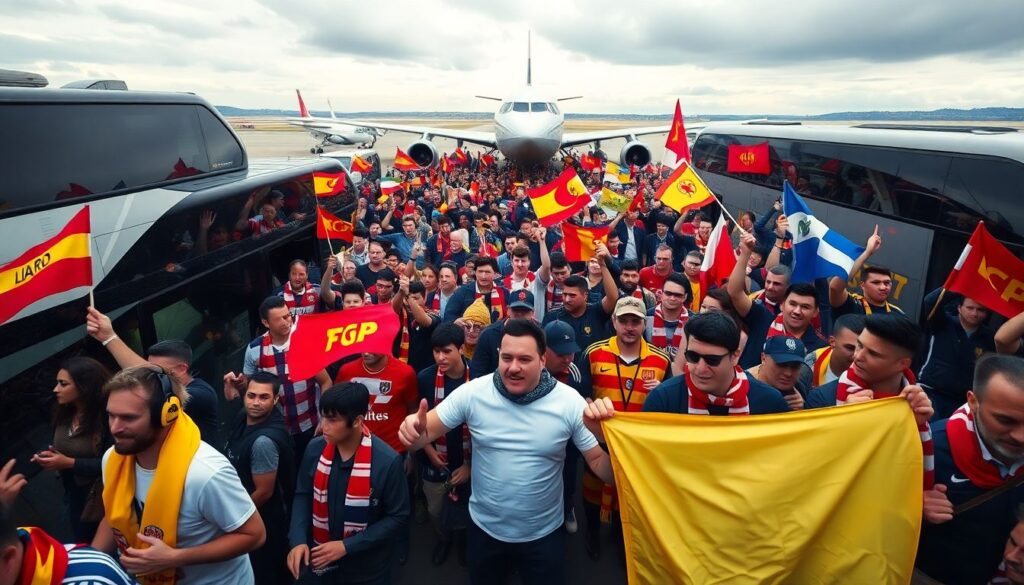
Ask any ultra and they’ll tell you their real pride isn’t home games but away followings. Here the religious metaphor becomes literal pilgrimage. Agencies and fan collectives offer viajes organizados para seguir a tu hinchada de fútbol by bus or charter plane, sometimes crossing entire continents. Think of Argentine fans in Qatar 2022 singing for hours in Doha’s subway, or Polish ultras driving 20 hours for a midweek Europa League tie. The journey, the sleep‑deprived camaraderie, even the border checks, all become chapters in a shared sacred story.
Books, films and the “canon” of ultra culture
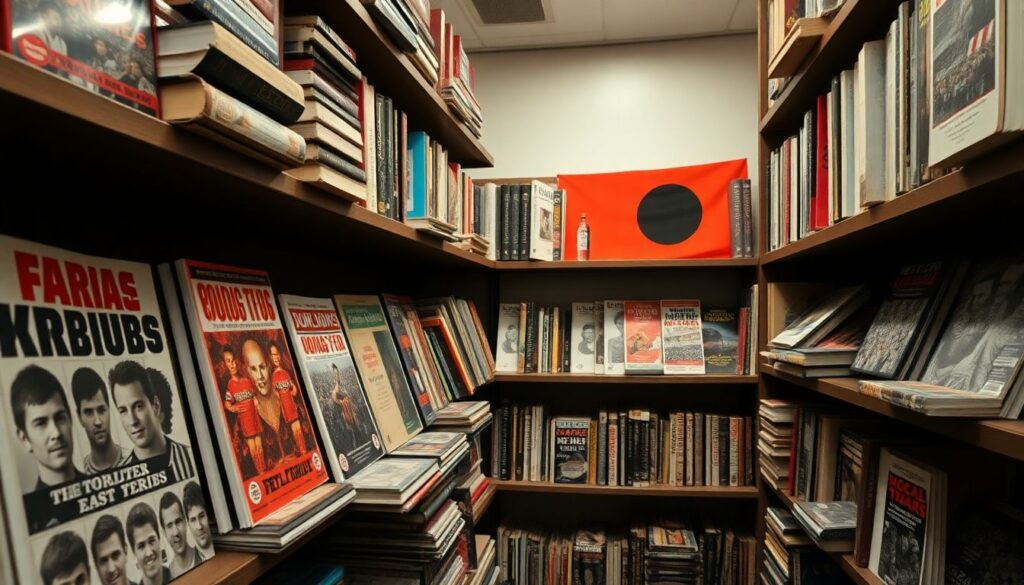
If a newcomer wants to understand this world, veterans usually point them toward libros sobre cultura ultra y barras bravas del fútbol and old fanzines rather than club biographies. These texts decode chants, dress codes, rivalries and ethics like “never leave a flag behind”. On screen, documentales y películas sobre hinchadas y ultras de fútbol have boomed since streaming platforms started hunting for edgy sports content. Some romanticize the scene, others focus on violence, but together they form a visual archive of banners, rituals and street politics around the terraces.
Violence: what the numbers really say
Violence is part of the story, but not the whole book. According to Council of Europe and national security reports, recorded serious incidents in and around stadiums in major European leagues actually declined from roughly 1.5–1.7 incidents per 100,000 spectators in the late 2010s to around 1.0–1.2 by 2022–23. In South America the trend is uneven: some leagues improved after tighter ID checks and partial bans, while others still report lethal clashes a few times per season. Most matches, even in “hot” fixtures, end without major disorder.
Technical detail: data limits from 2023 onward
It’s important to be transparent: comprehensive global statistics on ultras and barras bravas usually lag by one or two seasons. As of late 2024, the most consolidated numbers cover roughly 2021–2023. For 2024 and 2025 we mostly have preliminary national reports and scattered studies, which can be incomplete or not yet peer‑reviewed. So when we talk about “last three years” of data in this context, we’re essentially referring to the latest fully processed period, not real‑time crime or attendance figures up to 2026.
Why the “religion of the stands” isn’t going away
Despite modern stadiums, VIP boxes and algorithmic ticketing, ultras, barras and hinchadas keep reproducing their little religions every weekend. Young fans still learn songs faster than tactics, still tattoo badges, still treat derby days like sacred holidays. Digital life hasn’t killed these rituals; it’s amplified them, turning a chant into a meme within hours. As long as football remains a place where people look for belonging, meaning and a bit of danger, the terraces will keep mixing liturgy, folklore and rebellion in their own noisy, smoky way.