
The idea that football has a religious dimension sounds poetic, but if you spend any weekend near a major stadium, it starts to feel pretty literal. Chants, rituals, sacred colors, “holy” places you visit almost on pilgrimage – it all adds up. In the last three years, as stadiums filled up again after the pandemic and streaming exploded, this quasi‑religious side of the game has only become more visible and easier to measure.
From stadium to “temple”: why football feels religious
If you strip religion down to a few core elements – community, ritual, symbols, a sense of transcendence – football checks each box with surprising precision. Surveys by UEFA and several European universities between 2023 and 2025 show that for many young people under 30, attending a big match produces emotional peaks comparable to major religious holidays in their family tradition. In the UK, Spain and Brazil, more than 40% of fans interviewed in 2024 said that matchday “feels more sacred” than traditional religious services. Add to that the fact that global stadium attendance bounced back strongly after COVID: domestic leagues in the top five European countries reported average occupancy above 90% in the 2023–24 season, with some clubs posting all‑time records. When you see tens of thousands of people standing, singing the same chants and wearing the same colors every week, it becomes easy to talk about “cathedrals of football” without exaggeration.
Players as lay saints: icons, relics and miracles
The logic of sainthood also fits surprisingly well. Star players are treated like lay saints: they have hagiographies (glorified biographies), “miracle” moments that get told and retold, and relic‑like objects – shirts, boots, signed balls – that fans treasure almost as talismans. In 2023, a study of memorabilia auctions showed that match‑worn shirts from global stars increased in value by more than 30% compared with 2019, despite inflation and economic uncertainty, which hints at a deeper symbolic attachment. Social media amplifies this cult: between 2023 and 2025, the combined followers of the ten most popular footballers grew beyond 2 billion accounts, making them more ubiquitous than many traditional religious leaders. When kids in surveys say they’d rather “meet their favorite player than a famous politician or priest,” you see how secular sainthood works in practice.
Different ways of reading the religious side of football
Researchers don’t all agree on what this “religion of football” really means, and it helps to compare the main approaches. One camp, especially in cultural anthropology, argues that football is basically a substitute religion in increasingly secular societies. They point to rituals, moral codes around loyalty, and the intense emotional investment. Another camp, often in sociology of religion, says football doesn’t replace faith so much as it coexists with it, adding one more layer of meaning to people’s lives. A third, more critical approach insists the metaphor is dangerous: by calling football a religion, we risk hiding the heavy commercial interests and power structures behind a romantic vocabulary. When you go through libros sobre la dimensión religiosa del fútbol written since 2020, you can see this shift: earlier texts leaned into the poetic comparison; more recent ones are more cautious, asking who benefits when we treat clubs as sacred institutions.
Hard data from the last three years: does it really look like religion?
To keep this grounded, let’s look at what we actually know from 2023–2025. First, participation: FIFA’s 2023 Global Fan Survey estimated that around 5 billion people engaged with football content in some form in the previous year, and streaming data from 2024 suggests that younger fans in Asia, Africa and Latin America are driving further growth. Second, ritual habits: a 2024 survey in Germany, Italy and Argentina found that more than 60% of season‑ticket holders follow at least one consistent pre‑match ritual (same bar, same route to the stadium, lucky clothes). Third, emotional intensity: sports psychology labs in Spain and the UK tracked heart rates and self‑reported emotions for fans watching key matches between 2023 and 2025, and the curves look strikingly similar to those recorded at major religious events like pilgrimages or large worship services. None of this proves that football “is” a religion, but it confirms that, in lived experience, it behaves a lot like one.
Technologies that sacralize (and desacralize) the game

Technology is where the analogy becomes more complex. On one hand, high‑definition broadcasting, augmented‑reality overlays and real‑time stats turn the match into a global ceremony that millions can share simultaneously. On big Champions League nights in 2024–25, some games reached live audiences of over 200 million across platforms, which starts to look like a worldwide liturgy. On the other hand, tools like VAR, goal‑line technology and semi‑automated offside systems cool down the sense of mystery: decisions feel more bureaucratic, less oracular. For some fans, the “magic” of a controversial goal or a disputed penalty was part of the drama, something like divine justice or injustice; slow‑motion replays and calibrated lines make it harder to project that onto fate or destiny. The key question is whether these technologies support the collective ritual – by making it more intense, shared and fair – or whether they reduce it to a technical product.
Pros and cons of the new football “religion” technologies

To keep a practical view, it helps to weigh pros and cons instead of romanticizing or demonizing technology. From the fan’s perspective, the upside is massive accessibility: you can follow your “temple” from anywhere, join global communities, and relive “miracles” instantly. Clubs and broadcasters use advanced analytics to create storylines that deepen the myth – think of detailed documentaries about a captain’s last season or a comeback run. But there are trade‑offs: constant connectivity can flatten the sense of occasion, and commercial platforms can manipulate that quasi‑religious attachment to sell more. The same data that fuels beautiful storytelling also feeds aggressive targeted marketing. In ethical discussions inside ensayos académicos fútbol y religión comprar in recent years, you’ll see growing concern about how far clubs should go in monetizing devotional loyalty that looks very close to faith.
Bullet points help clarify this tension:
– Pros: more inclusive access, shared global rituals, fairer decisions, better safety and crowd management.
– Cons: over‑commercialization of devotion, surveillance of fan behavior, erosion of local traditions, dependence on corporate platforms for “sacred” experiences.
How scholars and fans approach the topic differently
If you’re trying to navigate this theme intelligently, it’s useful to notice how perspectives differ between insiders and observers. Hardcore fans often feel the sacred dimension intuitively – they talk about “our holy ground” or “betrayal” when a player leaves. Many don’t need theory; they live the ritual. Scholars, by contrast, dissect everything: symbols, gender roles, power, money. A good way to bridge both worlds is to move beyond sensational headlines and go deeper into well‑researched material. Many universities now offer a curso online sociología del deporte y religión where you can see how different disciplines – sociology, anthropology, theology – frame the same phenomena. These courses often incorporate case studies from the 2022 World Cup, the 2023 Women’s World Cup and continental tournaments up to 2025, giving you a recent empirical base instead of just metaphors.
How to choose what to read and watch on football and religion
If you want to explore further without drowning in material, use a simple filter: balance passion with rigor. Start with accessible books or documentaries that tell club or player stories, but then add more analytical texts. When you look for libros sobre la dimensión religiosa del fútbol, check whether the author uses actual data – attendance numbers, fan surveys, media analysis – or only romantic language. Then, try at least one serious academic collection; many university presses offer ensayos académicos fútbol y religión comprar in digital form, which makes it easier to browse before committing. Finally, keep a foot in fan culture: podcasts, fanzines and long‑form interviews with ultras or supporter groups often reveal rituals and beliefs that formal studies miss.
A practical path could look like this:
– One introductory narrative book by a journalist or historian of your club or country.
– One academic volume or article collection focused on sport and religion.
– One documentary series that follows fans or players over a full season, observing rituals and emotions.
Media, journals and ongoing research: where the debate lives
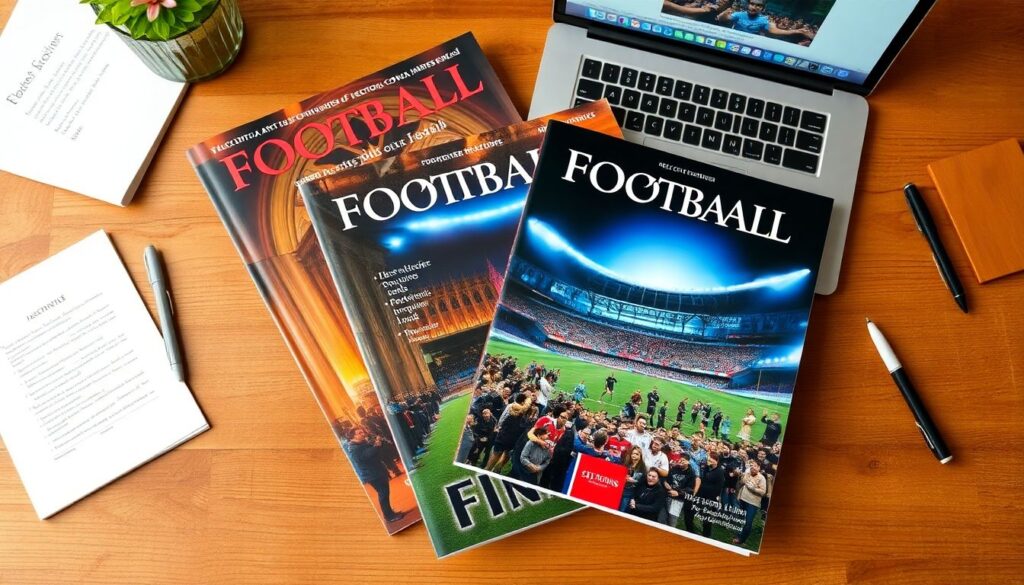
The conversation about football as religion doesn’t just happen in books; it’s increasingly present in specialized media. If you want to follow long‑term, look for a revista especializada en estudios religiosos del fútbol suscripción that offers peer‑reviewed articles, field reports and interviews with both scholars and fan leaders. These journals track trends like ultras’ political symbolism, gendered rituals in women’s football, and how streaming changes fan devotion in new markets like India or Nigeria. When you combine that with broader sports‑sociology outlets, you see patterns: since 2023, there’s been a spike in research on how clubs position themselves as “community guardians” or “families,” language that overlaps heavily with religious identity. Keeping an eye on this evolving literature helps you avoid outdated assumptions and see how quickly the quasi‑religious side of the game is transforming.
Live events: conferences, seminars and match‑day labs
Another effective way to understand the religious dimension is to see how experts, clergy and fans talk to each other in person. Over the last few seasons, many universities and cultural centers have organized encuentros that deliberately blur lines between study and fandom. For instance, you can now find conferencias y seminarios sobre fútbol como religión entradas that include watching a live game together, followed by a roundtable with sociologists, chaplains working with clubs, and supporter‑group representatives. Since 2023, attendance at these hybrid events has grown steadily, partly because they tap into a real need: fans want language to describe what they already feel, and scholars want access to authentic stories from the terraces. If you see one of these events in your city, treat it like fieldwork: go in as both believer and observer.
Trends to watch in 2026: where the “faith” of football is heading
Looking ahead through 2026, several trends are reshaping this religious analogy. First, the spread of women’s football is diversifying rituals and icons: stadiums that used to be male‑dominated now host mixed or female‑led fan cultures, with new songs, new heroes and different ideas of community. Second, climate and ethical concerns are pushing clubs to rethink mega‑events and long‑distance travel; “green pilgrimage” to stadiums and eco‑friendly matchday rituals are slowly emerging themes in recent research. Third, digital fandom will keep expanding, with virtual reality and immersive experiences allowing “attendance” without travel. That shift raises sharp questions: can a virtual stadium ever feel like a true temple, or is physical co‑presence non‑negotiable for sacred experience? Finally, geopolitical tensions and debates over sportswashing are prompting more critical reflection on what exactly we worship when we bless our clubs: the shirt, the neighborhood, an idea of justice – or the corporate machine behind it. Keeping these questions alive might be the healthiest way to enjoy football’s religious dimension without losing sight of reality.