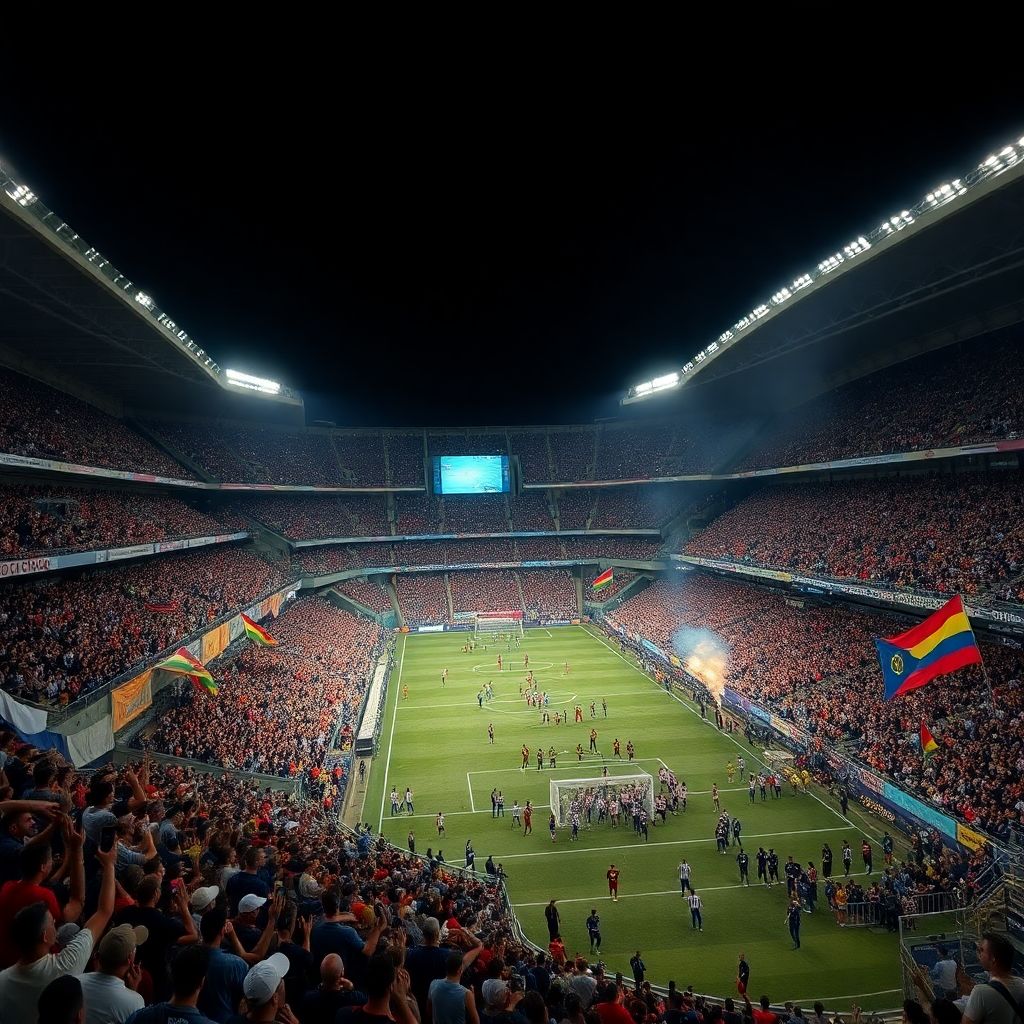
From dirt pitches to high‑definition spectacle
If you strip football down to the basics, hinchadas started as neighbourhood rituals: drums, flags and songs to mark territory, ask for protection and celebrate identity. No TV angles, no sponsors, often not even proper stands. That community logic hasn’t vanished, but it’s now layered with cameras, drones and branding. To work with hinchadas today – whether you’re a club employee, marketer, tour guide or content creator – you have to read both codes at once: the old street grammar of belonging and the new rules of entertainment and risk management. Ignoring either side usually ends in conflict or in sterile, plastic noise.
Real‑world cases: when the stands change the script
Look at Boca Juniors’ La 12, la Guardia Imperial at Racing or Los de Abajo at Universidad de Chile: TV crews don’t just film the match; they build narratives around them. Broadcasters schedule close‑ups of the terraces during anthems, choreos and goal celebrations, because they know that’s what travels best on social media. In Mexico, some clubs went further, inviting capos de barra to production meetings to time fireworks and songs with broadcast openings. That sounds risky, but it helped reduce spontaneous pitch invasions: leaders felt seen and respected, so they channelled energy into visual shows instead of confrontations with police or rival sectors.
How TV quietly reshaped the ritual
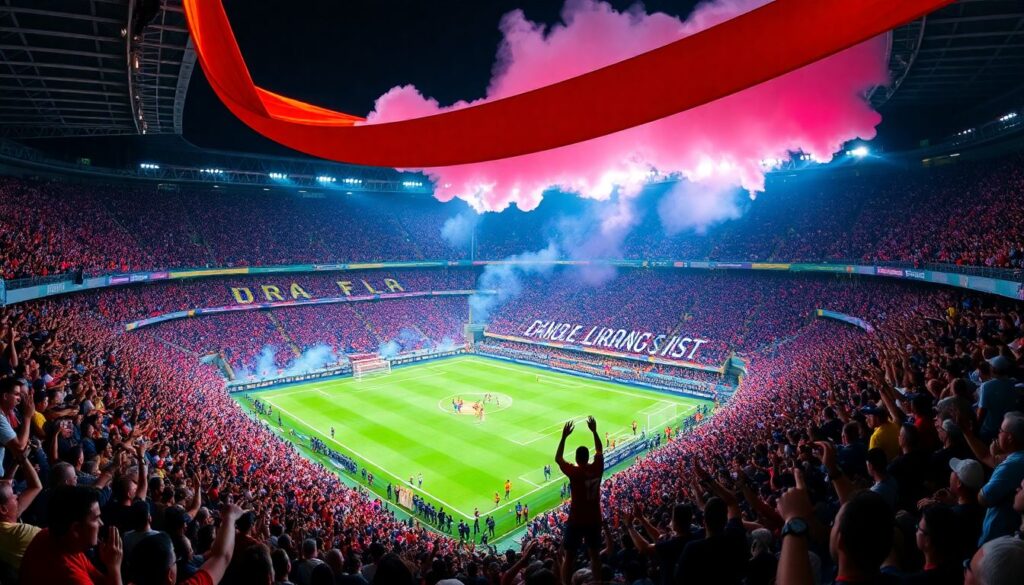
Cameras rewarded colour and synchrony, so hinchadas adapted: larger trapos, more coordinated jumps, rehearsed chants that last the full 90 minutes. The soundtrack changed from spontaneous neighbourhood songs to “hits” repeated every week because they work well in 15‑second clips. Lighting and sound systems amplified this logic: night games allowed better visuals, and stadium DJs sometimes sync the beat of drums with goal replays. If you’re planning fan activations, accept that you’re working with a semi‑choreographed performance, not a random crowd. That means rehearsals, small‑group tests and clear rules shareable via WhatsApp groups long before matchday.
Money on the terraces: shirts, tickets, trips
Once broadcasters realised the hinchada sells, sponsors followed. Replica flags, drums and especially shirts became a parallel business. Many brands discovered that limited‑edition camisetas de hinchadas de fútbol argentinas convert better than classic player jerseys in certain segments, because they carry subcultural prestige. At the same time, dynamic pricing appeared for high‑impact matches: people don’t just want a good seat; they want to be close to the loudest sector. Smart clubs package this demand instead of fighting it, designing specific areas for families, tourists and hardcore fans with different expectations, security protocols and even different content guidelines for TV.
Practical levers you can use around the stands
– Map your stadium acoustically: know where songs start, where sound dies and where TV cameras usually point; use that to place activations.
– Treat capo groups as micro‑producers: discuss cameras, timings and safe‑use rules for pyrotechnics or flags instead of just banning everything.
– Build at least one “TV‑friendly” sector with good light, safe but intense fans and clear visual identity for use in promos and highlight reels.
Real cases: soft control instead of pure repression
In Colombia and Brazil, some clubs moved from an all‑police approach to mixed committees with barras, club staff and city officials. Corinthians, for example, started exchanging away‑end ticket allocations for written commitments about no fireworks inside the ground and clear entry protocols. The deal was simple: leaders get predictability; the club gets fewer fines and cleaner TV images. In Argentina, several clubs turned mural spaces around stadiums into negotiated canvases: barras propose designs; clubs approve themes and colours. That turned what used to be graffiti wars into traceable, community‑backed projects that sponsors actually want their logos on.
Non‑obvious strategies for clubs and brands
A mistake many professionals make is treating hinchadas as a monolithic bloc. In reality, there are layers: old‑school members, ultra‑online younger fans, family supporters, tourists and neighbourhood kids. If you’re designing campaigns, split your messages. Hardcore fans want recognition of their history; tourists want safe thrill; broadcasters need visuals and audio that fit regulations. For merchandising, you can co‑design patches, scarves or banners with fan artists instead of just printing generic logos. That reduces piracy: people prefer supporting local designers embedded in the scene over anonymous factory products, even at slightly higher prices.
Concrete ideas you can test
– Invite fan‑songwriters to studio sessions to record clean, high‑quality versions of chants usable on TV and streaming without legal issues.
– Use matchweek “labs”: test new songs or visual routines during low‑profile games, then bring the best ones to derby days when cameras are watching.
– Create micro‑content around pre‑game rituals (painting flags, loading drums) to humanise the hinchada instead of showing only peak aggression moments.
Alternative ways to experience hinchadas
Not everyone can live a packed clásico from the terraces, and not everyone should. But that doesn’t mean they can’t access the culture. Guided tours and digital formats are filling the gap between raw street experience and neatly packaged TV. Well‑designed tours futboleros por estadios y hinchadas en sudamérica explain codes: where certain chants came from, why drums use specific rhythms, which murals carry political messages. Online, fan collectives run channels decoding gestures, banners and internal jokes. For professionals, these spaces are goldmines: you get qualitative data, emotional vocabulary and visual references without extracting or romanticising violence.
Turning media into tools, not just products
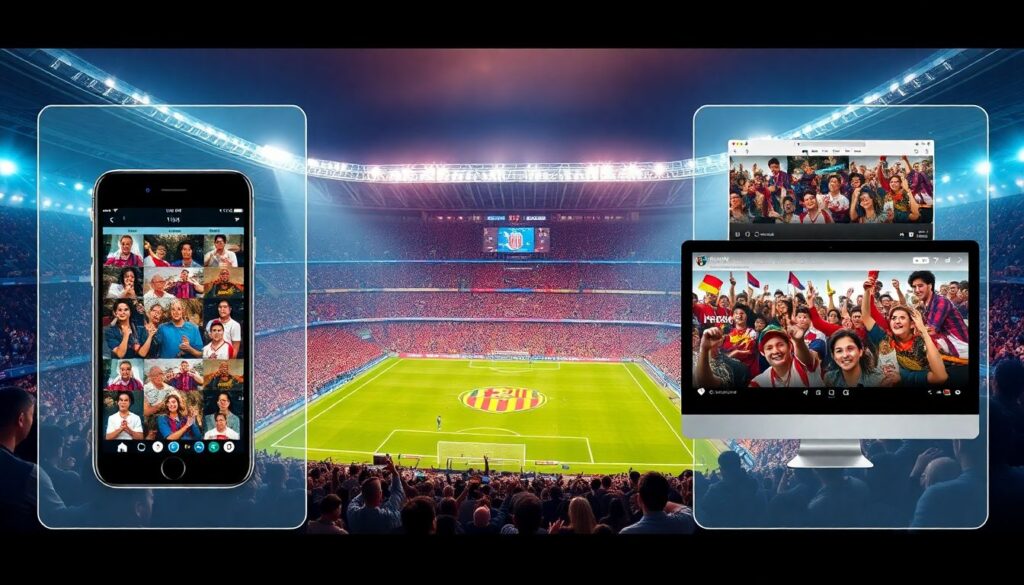
Streaming and VOD made it easier to go beyond live broadcasts. If you’re designing educational or branding content, think in layers: live match, short vertical clips, and long‑form storytelling. Curate or produce documentales sobre historia de las hinchadas de fútbol online that don’t just show fights and fireworks but also rehearsals, internal debates and conflicts with club boards. For a club, co‑production with independent filmmakers can be smarter than an in‑house documentary: you lend access; they bring credibility. Then you reuse fragments during halftime or on social to contextualise current policies, memorial dates or anti‑racism campaigns.
Learning the rules of the game: books and training
Any professional working with fan culture should build a reading habit. There are strong libros sobre historia de las barras bravas e hinchadas de fútbol written by sociologists, journalists and former leaders that explain how codes evolved, how money flows and where abuse usually starts. Use them as manuals, not as coffee‑table decor: annotate typical conflict triggers, negotiation patterns, slang. Combine that with workshops with security experts and community mediators, not just ex‑police. The goal is to speak three languages at once: legal (regulations), emotional (belonging, respect) and media (images, sound, narrative).
Tickets, tourism and the ethics of packaging passion
Selling entradas para partidos con mejores hinchadas del mundo sounds tempting, but if you’re building products around it, define red lines. Never market “guaranteed violence” or “ultra‑dangerous” experiences; that pushes groups to over‑perform for cameras. Instead, frame it as access to songs, colours and stories. Work with trusted local partners to control seating, transport and de‑escalation protocols. If you see agencies overselling risk, distance your brand; a single tragedy can erase years of careful work. The best proof of respect is that tourists go home moved, not traumatised, and locals feel portrayed, not exploited.
Pro tips for professionals who work around hinchadas
If you’re a marketer, tour operator, journalist or producer, think of yourself as a translator between terrace and screen. Start by mapping key actors: capos, club officials, security heads, neighbourhood groups, women’s and LGBTQ+ collectives within the stands. Build relationships on off‑days, not only when a crisis hits. Offer visibility and concrete benefits in exchange for predictable behaviour, never for silence about abuses. When planning content, ask: “Would I still publish this if these fans had editorial control?” If the answer is no, rethink angle or context. Respect isn’t a slogan; it’s a daily editing criterion.
Комментарии