
The hero-villain narrative in modern sports journalism simplifies complex people into flat characters, boosting drama but distorting reality. It turns matches into morality plays, exaggerating virtues and flaws. To prevent harm, reporters must check language, diversify sources, show context, and resist framing individuals as pure saviours or absolute culprits.
Core myths shaping hero-villain coverage
- Myth 1: Every match needs a hero and a villain for audiences to care.
- Myth 2: Fans only understand simple moral labels like «genius» or «traitor».
- Myth 3: Emotionally charged language is harmless if the facts are technically correct.
- Myth 4: Social media backlash is «part of the job» and outside journalistic responsibility.
- Myth 5: Giving nuance and context will automatically make stories boring.
- Myth 6: Young reporters must exaggerate conflict to stand out in a crowded sports media market.
Common myths that distort athlete narratives
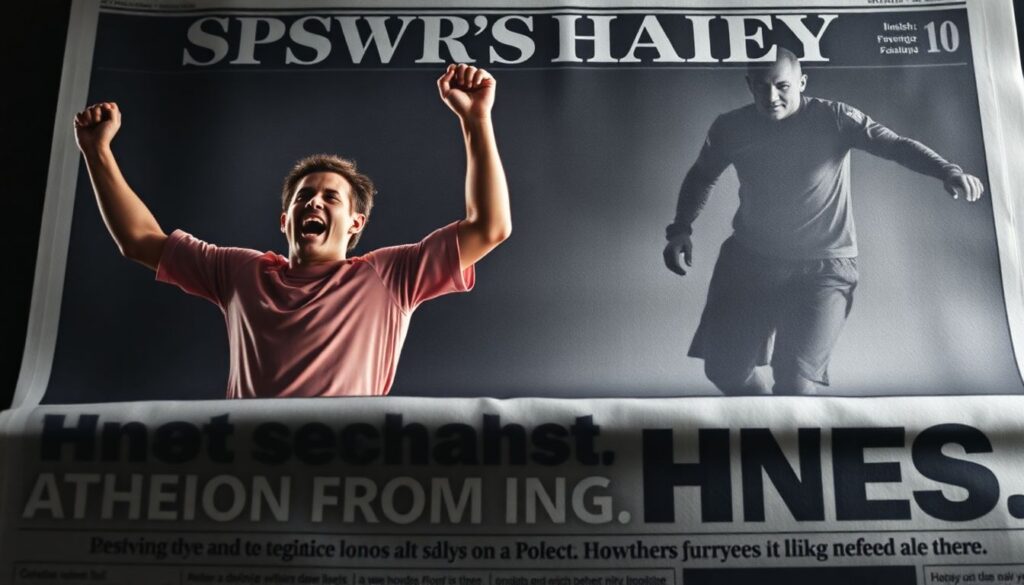
In modern sports journalism, the hero-villain narrative describes the habit of turning athletes and coaches into symbolic figures of good and evil. One player becomes the saviour of a club or nation, while another is framed as the reason for failure, betrayal, or moral decay.
This narrative works because it is simple, emotional, and familiar from fiction. However, it often ignores the structural factors shaping performance: tactics, injuries, management decisions, finances, or long-term development. In Spanish football coverage, for example, a single La Liga clásico can redefine a player’s public identity for an entire season.
The main distortion comes from repetition. When a striker is called «el héroe» after several late goals, or a defender is labelled «el villano» after one high-profile mistake, these shortcuts gradually replace more balanced descriptions. Over time, even neutral actions are interpreted through the same moral lens.
Good sports storytelling can still be dramatic without falling into these myths. A solid máster en periodismo deportivo y comunicación or a focused diplomado en periodismo deportivo y gestión de medios in Spain will insist on separating narrative devices from factual evaluation, especially when reputations and careers are at stake.
Historical roots of heroic and villainous framing in sports
- Borrowing from epic and mythology. Early sports writers compared athletes to warriors, gladiators, and mythical heroes. This tradition still shapes today’s vocabulary: «epic comeback», «tragic fall», «legendary captain».
- Newspaper circulation wars. In the 20th century, tabloids discovered that personalised conflicts (star vs. star, coach vs. board) sold more copies than tactical analysis. Clear heroes and villains turned every match into a serialised drama.
- Nationalism and identity politics. During international tournaments, athletes were framed as symbols of nations or ideologies. A missed penalty or controversial gesture could be moralised as a betrayal, not just a sporting event.
- Television era aesthetics. TV producers favoured simple story arcs that fit short pre-match and post-match segments: «redemption», «revenge», «rise and fall». These arcs rewarded clear emotional branding of individuals.
- Social media amplification. With online platforms, heroes are turned into memes and villains into targets within minutes. Headlines that echo these roles travel faster, so newsrooms are tempted to lean into extremes.
- Educational gaps in sports storytelling. Many reporters never took a specialised periodismo deportivo moderno curso online or a posgrado en periodismo deportivo y storytelling, so they inherit formulas from colleagues instead of learning structured narrative ethics.
How reporting techniques manufacture heroes and villains
Several routine techniques in newsrooms quietly produce heroic and villainous roles, even when reporters do not consciously intend to.
-
Headline exaggeration and selective verbs.
Words like «destroys», «betrays», «humiliates», «saves» imply moral judgement, not just performance. A neutral result becomes a moral victory or disaster. Quick fix: replace moral verbs with descriptive ones, and check if the headline would still work with names removed.
-
Zooming in on one decisive moment.
Penalty misses, red cards, or last-minute goals become the entire story. The player involved becomes the «culprit» or «saviour», while tactical context disappears. Quick fix: always include at least two non-obvious factors (tactics, fitness, refereeing, preparation) in match reports.
-
Unbalanced source selection.
Quoting only a furious fan or a provocative pundit frames a player as villainous. Ignoring voices from the dressing room, medical staff, or analysts removes nuance. Quick fix: create a standard checklist of sources to consult before closing controversial pieces.
-
Emotional framing of images and video.
Choosing a photo where the player looks arrogant, crying, or isolated reinforces moral reading. In TV and digital, repetition of the same clip turns an error into a defining symbol. Quick fix: pair «dramatic» images with at least one neutral or positive shot.
-
Binary contrasts in commentary.
Phrases like «he wanted it more», «he disappeared», «he does not care about the badge» convert complex performance into character judgement. Quick fix: shift from intention-reading to evidence-based descriptions of movement, decisions, and execution.
-
Ignoring off-field context and constraints.
Injuries, mental health, overuse, contractual conflict, and institutional chaos are often known in the newsroom but kept out of the story. The public then blames individuals for failures that were largely systemic. Quick fix: add a brief context paragraph whenever performance is unusually poor or volatile.
Consequences for athletes, teams, and audience perception
Hero-villain framing does bring some short-term advantages, especially for digital sports media trying to grow in a competitive market.
Perceived advantages of hero-villain framing
- Faster audience engagement, because the story is immediately clear and emotionally charged.
- Higher click-through rates for headlines that promise conflict, redemption, or scandal.
- Simpler story structures for young reporters working under tight deadlines.
- Easy alignment with social media narratives already circulating among fans.
Structural and ethical limitations of hero-villain framing
- Long-term damage to individual reputations, especially for young or fringe players repeatedly cast as villains.
- Polarised fan bases, where dialogue turns into harassment and threats rather than debate.
- Distorted public understanding of how clubs, federations, and competitions actually function.
- Reduced trust in sports media when audiences notice double standards or obvious exaggerations.
- Professional burnout among journalists who feel forced to dramatise every story against their own judgement.
Ethical boundaries and newsroom accountability
Many ethical problems come from common yet avoidable mistakes inside the newsroom. Naming and challenging them helps teams change routines without losing pace.
-
Confusing opinion with character assessment.
Commentary should interpret sports performance, not act as a public trial of a person’s morality or worth. Make clear distinctions between form, decision-making, professionalism, and private life.
-
Publishing under emotional pressure.
Deadlines right after crucial games are dangerous. Quick preventive rule: no ad hominem expressions in match reports, and a second editor must review any «strong» label applied to a person.
-
Outsourcing ethics to social media trends.
Just because a hashtag paints someone as a villain does not legitimise repeating it. Journalistic duty is to verify, contextualise, and sometimes go against the dominant mood when it is unfair.
-
Forgetting the power imbalance.
Big outlets in Madrid or Barcelona can shape nationwide narratives. A young player in Segunda or a women’s league may have little ability to respond. Accountability means recognising that imbalance before using heavy language.
-
Lack of continuous training.
Newsrooms that invest in internal workshops, invite experts, or support staff to take a periodismo deportivo moderno curso online or a máster en periodismo deportivo y comunicación tend to catch ethical problems earlier.
-
Ignoring available literature.
There are excellent libros sobre narrativa deportiva héroe y villano that examine stereotypes, gender bias, and nationalism in sports coverage. Not reading them leaves reporters repeating outdated clichés.
Tactical methods for more nuanced sports storytelling
To move beyond the hero-villain trap, it helps to adopt concrete routines rather than vague intentions. The following mini-case illustrates how to quickly reframe coverage without losing narrative energy.
Mini-case: from simplistic blame to multi-layered story
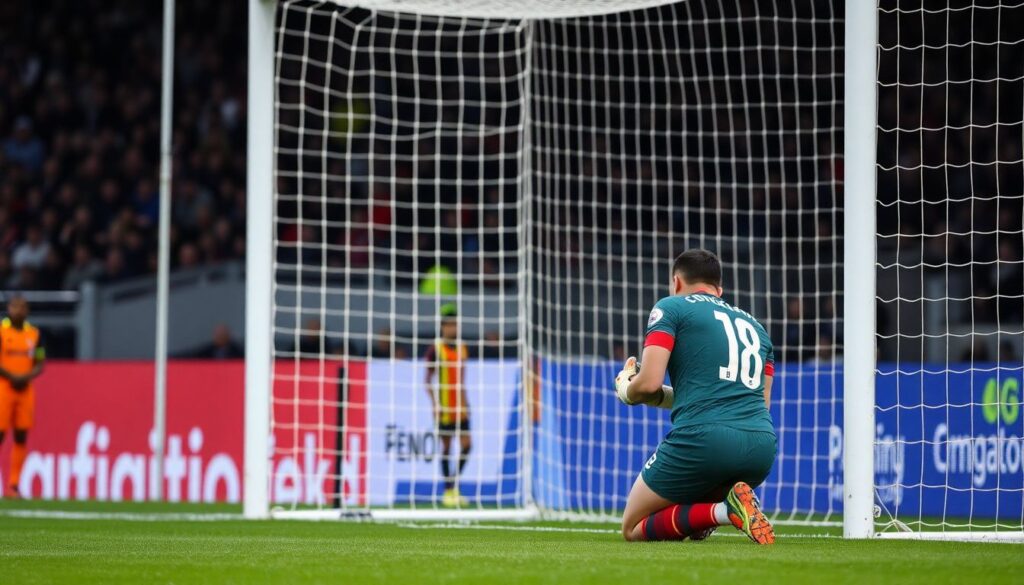
Scenario: A goalkeeper for a top Spanish club concedes a late goal, costing the team a Copa del Rey semi-final. Social media immediately brands him the «traitor» and demands that he be benched or sold.
- Initial draft (problematic): Focuses on the mistake, calls it «unforgivable», implies fear and lack of personality, uses the term «villain of the night» in the headline.
- Quick diagnostic checks: Ask: (a) Have we analysed defensive structure on the play? (b) Have we contextualised his recent form? (c) Are we reading intentions we cannot prove? (d) Does the headline work without moral labels?
- Reframed angle: The final version still describes the error clearly, but also analyses defensive positioning, coaching decisions, and match fatigue. It quotes the coach, a teammate, and a goalkeeping analyst, avoiding any language that equates a bad play with a bad person.
- Preventive routine: The newsroom adopts a micro-checklist for decisive errors: always include (1) tactical context, (2) comparative data from recent matches, (3) at least two non-emotional expert voices. This checklist is later integrated into a short internal posgrado en periodismo deportivo y storytelling-style workshop for staff.
Practical clarifications on narrative choices
Is it always wrong to call a player a «hero» after a great performance?
Not necessarily. Occasional, clearly contextualised use can be harmless. Problems arise when «hero» becomes a permanent identity, overshadowing flaws and creating unrealistic expectations. Prefer describing specific actions and decisions rather than labelling the whole person.
How can I add drama without turning someone into a villain?
Shift the conflict from person to situation: pressure, fatigue, tactical risks, or club politics. Use suspense around uncertainty and turning points instead of moral attacks. Strong verbs, clear stakes, and precise detail can create intensity without personal denigration.
What simple rule can an editor apply under time pressure?
Ban moral labels about character («coward», «traitor», «mercenary») in straight reporting. Allow only descriptions that can be evidenced on the pitch or with verified facts. This one rule removes most hero-villain excesses without slowing the newsroom.
Do opinion columns follow different standards?
Opinion allows stronger positioning, but basic fairness still applies. Columnists should criticise decisions, strategies, or communication, not attack identity, family, or unverified private behaviour. Clear labelling as opinion does not excuse defamation or harassment.
How can freelancers get better at this without a big newsroom behind them?
Build a personal checklist for match coverage, including context, multiple sources, and language review. Invest in training through a diplomado en periodismo deportivo y gestión de medios or a smaller periodismo deportivo moderno curso online, where editorial feedback helps detect blind spots.
Are audiences really interested in more nuanced stories?
Yes, especially when pieces explain things fans feel but cannot articulate: tactical patterns, institutional dynamics, and psychological pressure. Nuance does not mean boredom; it means using narrative skill to reveal hidden complexity instead of recycling stereotypes.
Where should I start if my outlet already relies heavily on hero-villain narratives?
Start small: pilot one or two weekly pieces with a more analytical, less personalised angle and track engagement. Share successful examples internally, and connect them to discussions from a máster en periodismo deportivo y comunicación or similar training to build consensus for change.