
Talent commodification in youth football means treating a child’s sporting potential as a tradable financial asset. It appears in academies, scouting, contracts and transfer negotiations. To prevent abuse, families, clubs and agents must prioritise education and wellbeing, demand transparent contracts, use independent legal advice, and respect limits on ownership and transfer of minors.
Core Concepts of Talent Commodification
- Youth players are valued as future cash flows (transfer fees, bonuses, image rights), not only as athletes.
- High-performance academies and scouting networks operate like talent supply chains for the professional market.
- Contracts, training compensation and solidarity mechanisms monetise development work.
- Representatives and intermediaries arbitrage information gaps between families, clubs and investors.
- Some investment practices shift risk onto minors while profits flow to clubs, agents and funds.
- Regulation tries to balance market efficiency with child protection and sporting integrity.
How Academies Structure Talent Pipelines
In modern football, many academias de fútbol infantil de alto rendimiento are structured less like community schools and more like vertically integrated supply chains. Their goal is to identify, train and place the most promising children into professional clubs or leagues, often across borders, as early as regulations allow.
At the entry point of the pipeline, escuelas de fútbol profesional para niños con pruebas de acceso set up selection trials that simulate professional recruitment. Children are evaluated, ranked and filtered according to perceived market potential. This early segmentation influences who receives better coaches, more exposure and access to competitive matches.
Progression inside the academy is similarly market-oriented. Internal promotion often depends on potential resale or first-team use value. Data analysis, video systems and performance testing support decisions about who is «investable». Education and psychosocial support may exist, but in poorly designed systems they become secondary to maximising future transfer revenue.
A well-governed academy pipeline differs in several ways:
- Clear education pathway with local schools and distance-learning agreements.
- Written policies on playing time, rotation and late developers, not only on early «stars».
- Limits on commercial exposure, image use and brand deals for minors.
- Structured exit routes for those not retained (links to lower leagues, vocational training).
When these safeguards are missing, the pipeline easily becomes a system where children are treated as speculative assets. Families perceive a single narrow path to success, making them more vulnerable to misleading promises and pressured decisions about transfers and representation.
Recruitment and Transfer Markets: Mechanics and Metrics
Youth recruitment and transfer markets translate sporting potential into tradable value. Understanding the mechanics helps identify frequent errors and how to prevent them quickly.
- Scouting and pre-contract promises
Scouts offer trials or verbal assurances of future contracts. The error: families treating informal promises as binding and making life decisions (school changes, relocations) without anything written. Prevention:- Request written terms for any relocation or scholarship.
- Keep child enrolled in regular schooling until a formal, reviewed contract exists.
- Training compensation and solidarity mechanisms
When a player signs professional terms or is transferred, prior clubs may receive payments for training. These rules influence negotiations, especially between small local academies and bigger clubs. The error: grassroots clubs signing away rights cheaply without understanding future value. Prevention:- Ask for a clear explanation of training compensation rules from an independent advisor.
- Avoid waiving future solidarity contributions without a reasoned trade-off.
- Intermediaries and agents
Representantes de futbolistas jóvenes y gestión de fichajes can protect minors or exploit them. The error: signing long exclusive agreements with unlicensed agents or «advisers» with conflicts of interest. Prevention:- Check licence/registration with the relevant association.
- Use short, renewable terms and make sure fees are transparent and capped.
- Cross-border transfers and trials
Moves to foreign academies involve immigration law, schooling, guardianship and sporting eligibility. The error: accepting unofficial trials arranged by intermediaries with no formal invitation, insurance or welfare plan. Prevention:- Insist on written invitations from the club itself.
- Verify accommodation, schooling and medical coverage in advance.
- Financial valuation of minors
Clubs and even empresas de inversión en derechos federativos y económicos de futbolistas try to project the player’s future market value. The error: families equating high projections with guaranteed career success. Prevention:- Treat early valuations as speculative scenarios, not promises.
- Focus decisions on development quality and wellbeing, not on price tags.
Contracts, Ownership and the Minor as an Asset
When a child is registered by a club, two parallel forms of «ownership» appear: federative registration (the right to field the player in competitions) and economic rights (who benefits from transfer-related income). Historically, some systems allowed third-party ownership of economic rights, but most regulators have restricted or banned such practices due to risks of control and trafficking.
Typical scenarios where minors are treated as assets include:
- Youth scholarship and pre-professional agreements
Clubs may offer educational packages, housing and stipends in exchange for commitments about future professional contracts. Risk: clauses tying the minor for excessive durations or imposing heavy penalties for leaving. Quick prevention:- Limit duration and automatic extension clauses.
- Ensure the contract recognises the minor’s right to education and family life.
- Representation contracts with agents
Agreements between minors (via parents/guardians) and agents define who negotiates future deals. Risk: exclusive mandates that prevent independent advice and give agents control over transfer decisions. Quick prevention:- Use simple, short contracts with clear termination rights.
- Ban any «ownership» language over the child’s decision-making.
- Image rights and commercial endorsements
As social media grows, some talented children receive sponsorship or advertising offers. Risk: image rights assigned for long periods, with little control over content. Quick prevention:- Retain ownership of image rights, granting only specific, time-limited licences.
- Review all content for privacy and reputational impact.
- Investment agreements involving training clubs
Some training academies make deals in which external investors fund facilities in exchange for a share of future transfer income. Risk: pressure to prioritise marketable kids and faster sales. Quick prevention:- Include child protection clauses in any funding contract.
- Ring-fence education and welfare budgets from performance pressures.
- Hidden control through side letters
Occasionally, side agreements allocate informal control over where and when a minor may transfer. Risk: breach of regulations and loss of bargaining power for the family. Quick prevention:- Refuse to sign any document not mirrored in the main contract.
- Store all signed documents together and have them checked by a lawyer.
Using specialised servicios de asesoría legal para fichajes de menores en el fútbol is crucial to avoid transforming a development opportunity into a one-sided asset deal.
Economic Effects on Players, Clubs and Local Communities
The commodification of youth talent produces strong economic incentives that affect individuals and communities. These incentives can generate benefits but also structural problems if they are not managed with safeguards.
Positive effects for clubs and communities include:
- Stable revenue streams when home-grown players reach professional markets and generate training-related payments.
- Capacity to reinvest in pitches, coaching education and local jobs in the football ecosystem.
- Visibility that attracts sponsors and public support for grassroots infrastructure.
- Pathways for social mobility when academy graduates secure careers on or off the pitch.
However, there are significant limitations and costs:
- Concentration of resources around a few «export academies», weakening smaller community clubs.
- Pressure on children to specialise early, risking burnout and reduced educational attainment.
- Dependence on transfer income, making club finances unstable if market conditions change.
- Unequal bargaining power, where families accept unfair clauses because they fear losing a rare opportunity.
- Potential community resentment if the club sells local heroes without visible reinvestment.
Case example: a regional club builds a reputation for developing attackers and becomes heavily dependent on selling one or two stars every season. When two consecutive cohorts underperform, the club struggles to pay wages and cuts its educational programmes. The short-term asset strategy has undermined long-term community trust.
Balancing these forces requires transparent budgeting: clearly earmarking a portion of transfer-related income for youth welfare and local facilities, not only for first-team spending or debt service.
Ethical Risks: Exploitation, Inequality and Narrowing Development

Ethical problems in talent commodification often arise from predictable misunderstandings and shortcuts. Correcting them early is usually cheaper and safer than trying to fix them after a conflict or regulatory investigation.
- Myth: «If we do not sign now, the chance disappears forever.»
This fuels rushed decisions about long contracts or cross-border moves. Reality: genuine professional clubs respect time for independent review. Prevention: establish a family rule of never signing a contract on the same day it is first presented. - Error: Ignoring non-football development
Some academies reduce school hours or informal play to focus on competition. Consequence: limited life options and increased psychological pressure if the professional dream fails. Prevention: written agreements on minimum school attendance, exams and time for free play. - Myth: «The agent pays for everything, so he deserves full control.»
Covering travel or equipment does not justify control over transfers or long-term income. Prevention: separate reimbursement of expenses from decision-making authority, and cap agent fees in the contract. - Error: Public ranking and shaming of children
Publishing «market value» tables for kids or criticising them publicly treats minors like professional assets. Consequence: anxiety, bullying and early dropout. Prevention: internal evaluations only, anonymised statistics, and clear media policies. - Myth: «Investment funds guarantee a better future for the child.»
When empresas de inversión en derechos federativos y económicos de futbolistas are involved, their objective is return on capital, not holistic development. Prevention: require alignment clauses on education, playing time and welfare as conditions for any investment. - Error: Overlooking gender and social inequality
Boys in visible academies often receive more resources than girls or children from remote areas. Prevention: explicit inclusion criteria, scholarship funds and community outreach beyond the most marketable profiles.
Ethical risk management means adjusting everyday practices: how coaches talk about transfers, how parents discuss money at home, and how clubs report on youth performance to media and sponsors.
Regulatory Options and Practical Policy Measures
Regulation can either reduce or reinforce commodification, depending on how it is designed and enforced. Governing bodies, states and clubs can all implement practical measures that protect minors without paralysing talent development.
Useful policy tools include:
- Licensing standards for youth academies covering education, safeguarding and transparent finances.
- Limits on duration and complexity of contracts signed by minors, including cooling-off periods.
- Registration rules for agents and intermediaries who work with underage players.
- Monitoring of cross-border transfers, housing conditions and school integration.
- Clear mechanisms to report abuses anonymously, with protection from retaliation.
Mini-case: A national federation notices frequent complaints about abusive clauses in youth contracts. Within one season it introduces a standard model contract for minors, mandatory for all affiliated clubs, with maximum term length, banned clauses and minimum education guarantees. Complaints decrease, and both clubs and families negotiate within a safer template.
Clubs themselves can adopt internal «red line» rules, for example:
- No exclusivity agreements with unlicensed intermediaries for minors.
- Independent legal briefing for families before signing any long-term deal.
- Annual audits of academy schooling and welfare outcomes, not only sports results.
In countries where academias de fútbol infantil de alto rendimiento and escuelas de fútbol profesional para niños con pruebas de acceso operate commercially, public authorities can require disclosure of ownership structures, conflicts of interest, and links with intermediaries. Combining licensing, transparency and enforcement makes it harder to treat children as hidden assets on balance sheets.
Simple policy «pseudo-code» for clubs might look like this in practice:
- Step 1: Identify every agreement involving a minor (registration, scholarship, representation, image).
- Step 2: Screen each agreement against a checklist of banned practices (excessive term, transfer vetoes, education waivers).
- Step 3: Submit high-risk agreements for independent legal review before signature.
- Step 4: Store all documents centrally and conduct yearly reviews as the child’s situation changes.
End-of-article checklist for families, clubs and advisors
- Have all contracts involving the minor been reviewed by an independent football lawyer?
- Is schooling and psychosocial support guaranteed in writing, alongside sports commitments?
- Are agent and investment agreements short, transparent and free of hidden control clauses?
- Does the academy publish clear welfare, safeguarding and exit-route policies?
- Are decisions driven by the child’s long-term wellbeing rather than short-term transfer value?
Common Practical Queries and Brief Responses
How can parents quickly detect if an academy is treating their child mainly as a financial asset?
Warning signs include constant talk about market value and future transfers, little interest in school performance, pressure to change agents, and opaque information about contracts. Ask for written welfare policies, education plans and a clear explanation of any financial arrangements involving your child.
Are verbal promises from scouts or coaches about future contracts legally binding?
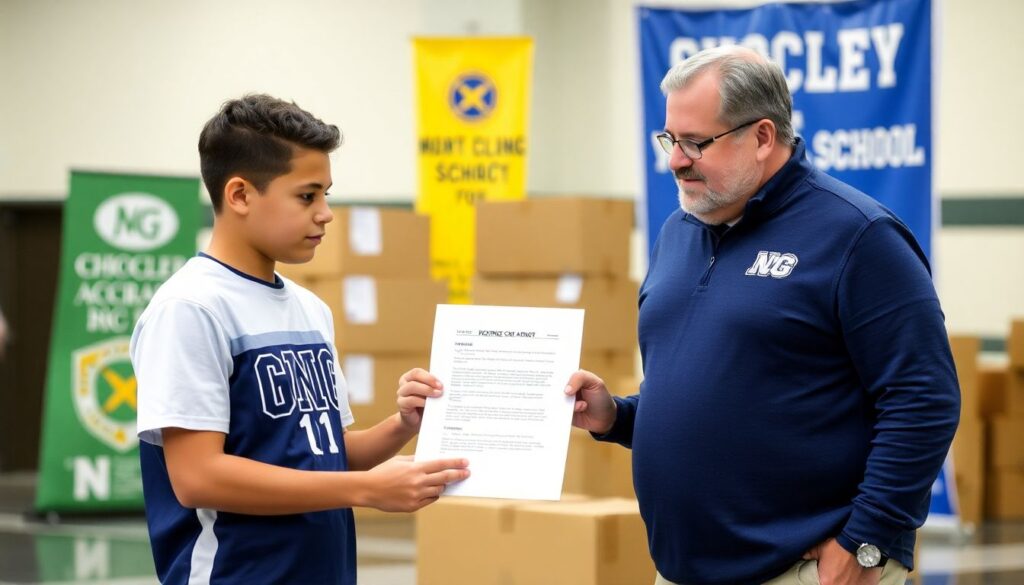
Verbal promises are usually hard to enforce and offer little protection. Treat them as intentions, not guarantees. Before relocating or changing schools, request written terms and have them reviewed by an independent adviser familiar with sports contracts for minors.
When should a young player consider signing with an agent or representative?
A representative becomes useful when concrete contract offers or transfer opportunities appear and negotiations become complex. For younger children, it is often safer to delay exclusive representation. If you do sign, keep agreements short, transparent and with clear termination clauses.
What is the difference between federative rights and economic rights in youth football?
Federative rights relate to which club can register and field the player in official competition. Economic rights concern who benefits from transfer fees, bonuses or related income. Families should understand both aspects before agreeing to any deal that could restrict future options.
Do investment companies in players always create a conflict of interest?
Empresas de inversión en derechos federativos y económicos de futbolistas are primarily driven by financial returns, which can conflict with the child’s long-term development. Strong regulation and transparency can reduce risks, but families should be cautious and insist on independent legal and financial advice.
How can small grassroots clubs protect themselves when big clubs want to sign their young talents?
They should understand training compensation and solidarity mechanisms before negotiating. Using specialised legal advisory services and standard contract templates helps avoid signing away long-term rights too cheaply. Document all agreements and avoid informal side deals.
Is it ethical to publish rankings of «top talents» in local youth leagues?
Public rankings can increase pressure and reduce children to marketable assets. If used at all, they should be internal, anonymised and focused on development goals rather than monetary value. Media and clubs should prioritise education and wellbeing in their communication about minors.