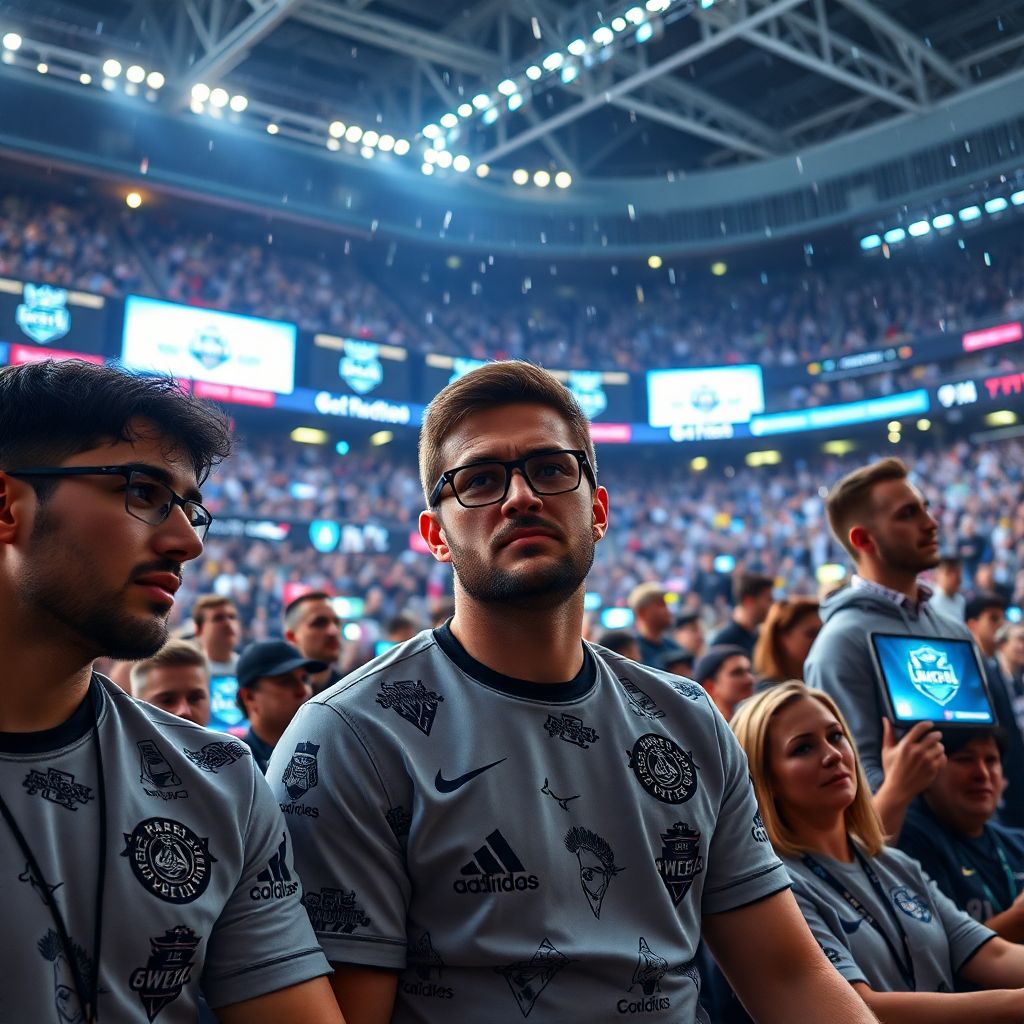
The fan-consumer is a supporter redefined as a paying client whose value is measured through tickets, memberships, data and brand interactions. This shift transforms match-day passion into ongoing consumption, changes how clubs design experiences, and introduces tensions between community identity, revenue growth and cultural continuity in Spanish and global football.
Core shifts defining the fan-to-consumer evolution
- From informal, local supporter groups to segmented customer bases with profiles and spending patterns.
- From emotional loyalty alone to loyalty managed through CRM, memberships and points-based benefits.
- From stadium-only experiences to multi-platform consumption across TV, apps and social media.
- From club-centred culture to ecosystems including sponsors, broadcasters and tech partners.
- From shared rituals created by fans to curated experiences designed by marketing departments.
- From low-cost, inclusive access to tiered products, premium assets and data-driven pricing.
Historical roots: from communal supporter to market actor
In Spain and Latin America, the traditional hincha emerged as part of a local community: neighbourhoods, workplaces and families shaped club identity. The fan was a member of an imagined family more than a customer. Value was expressed through presence, songs, banners and informal voluntary work, not through spending.
With the growth of television rights and professional leagues, clubs began to treat the supporter as a market actor. Ticketing, season passes and merchandising turned spontaneous attachment into measurable income. The term hincha-consumidor captures this fusion: the same person both sustains the atmosphere and fuels commercial strategies.
This transformation accelerates when clubs implement structured marketing deportivo para aficionados y consumidores. Data collection, segmentation by age or income and targeted offers normalise the idea that a good fan is one who buys more products, watches more content and interacts more often with brand partners.
The boundary of the concept is practical: a fan-consumer is any supporter whose relationship with the club is mediated by products, services and platforms. Ultra groups, casual viewers and international followers can all become hinchas-consumidores when their behaviours are tracked, monetised and shaped through specific engagement tactics.
Mechanisms of commodification in sports fandom
-
Datafication of supporters
Clubs turn every interaction into data: ticket scans, online store visits, app usage and social media engagement. These data points feed profiles used to predict churn, upsell and cross-sell. A basic indicator is the number of identifiable fans in the database compared to average attendance. -
Productisation of identity
Symbols like colours, anthems and club mottos become licensed products. Scarves, shirts and limited editions transform belonging into branded goods. A practical metric is merchandising revenue per fan or per member, even in modest clubes de fútbol with small local shops. -
Tiered access and experiences
Membership levels, VIP zones and hospitality packages create strata within the fan base. Exclusive content or early presales give extra privileges to higher-spending segments. Clubs often monitor the share of premium tickets versus general admission as a key performance indicator. -
Sponsorship integration into rituals
Patrocinios deportivos y activaciones de marca en estadios embed sponsors into goal celebrations, half-time shows and fan challenges. The club sells not just visibility, but access to fan emotions. Activation performance is tracked via redemption rates, social reach or in-stadium participation counts. -
Platformisation of engagement
Plataformas de fan engagement para clubes deportivos concentrate conversations, contests and loyalty programmes in owned or sponsored spaces. Points, badges and gamified missions turn everyday support into measurable engagement. An indicator is monthly active users relative to total followers or stadium capacity. -
Outsourced management of fan-consumers
Many entities hire agencias de marketing deportivo para gestión de hinchas-consumidores. These agencies optimise pricing, design campaigns and run CRM systems. A club might track campaign conversion rate, new registrations and average revenue per fan to evaluate agency impact.
Applied micro-scenarios for different resource levels
Clubs with high budgets implement full CRM suites, sophisticated dynamic pricing and integrated sponsorship activations across broadcast, digital and match day. They personalise communications by segment, test multiple offers before derbies and coordinate with sponsors to reward multi-channel engagement like attending, watching and posting.
Clubs with limited resources can still apply the same logic in simpler forms. A low-cost option is to maintain a spreadsheet-based member list, send segmented email newsletters and run basic estrategias de fidelización de hinchas en clubes de fútbol, such as birthday messages with small discounts and recognition for long-time season ticket holders.
Grassroots teams may start with manual loyalty stamps on paper cards, low-tech surveys after matches and informal sponsor activations like local business raffles during half-time. Even without advanced technology, they can track simple indicators: number of repeat attendees, merchandise sell-outs and sponsor satisfaction.
Economic drivers: revenue streams reshaping loyalty
Multiple revenue sources push the fan-consumer model. Match-day income from tickets, hospitality and food depends directly on turning occasional visitors into repeat paying clients. Clubs monitor metrics such as occupancy rate per stand, renewal rate of abonos and average spend per spectator on each game day.
Media rights and digital content encourage fans to consume matches and videos wherever they are. Streaming subscriptions, pay-per-view and advertising-supported channels reward platforms that hold attention longer. An important indicator is minutes watched per fan per week, compared to actual minutes spent in the stadium.
Commercial partnerships and patrocinios deportivos y activaciones de marca en estadios require reliable, engaged audiences. Sponsors look at unique fans reached, social media impressions and participation in branded experiences. The more predictable and segmented the fan-consumer base, the higher the sponsorship fees or the number of active partners a club can sustain.
Merchandising and licensing translate affection into objects. Revenue per member, sell-through rate of new kits and pre-order volumes before a season reveal how well the club converts nostalgia and pride into sales. When fans identify strongly with the hincha-consumidor role, they often expect regular product drops and collaborations.
For clubs with fewer resources, small but diversified streams matter: modest online stores, simple digital content such as highlight compilations and local sponsor deals. Tracking the ratio between commercial revenue and public subsidies or institutional support helps assess dependence and long-term sustainability.
Cultural impacts: identity, rituals and belonging under market logic
The shift toward the fan-consumer has complex cultural consequences. To clarify its specific traits, it helps to distinguish it from the traditional supporter identity, which is anchored more in place, relations and continuity than in purchasing power or digital activity.
| Dimension | Traditional hincha | Fan-consumer |
|---|---|---|
| Main value | Presence, voice, loyalty over time | Spending, data, measurable engagement |
| Key space | Stadium, neighbourhood, bar | Stadium plus digital platforms and stores |
| Recognition | Informal status, group respect | Points, tiers, exclusive benefits |
| Risk | Exclusion mainly by social conflict | Exclusion by price and access barriers |
Positive cultural possibilities
- More diverse participation: tailored products and digital access can attract women, children and international fans who previously felt marginalised. A simple cultural indicator is the visible diversity of flags, shirts and age groups in stadium stands.
- Continuous storytelling: year-round campaigns keep club history alive via documentaries, podcasts and social content. The number of heritage or archive-based pieces produced per season shows how the club invests in its narrative.
- Recognition of invisible labour: loyalty programmes can formally value away supporters, long-distance fans and volunteers, using tiers or badges. Tracking the share of benefits going to non-local fans reveals whether inclusion is real or symbolic.
Risks and cultural limitations
- Commercial overexposure: excessive branding of songs, stands and tifos can dilute authentic expressions. Complaints, banner protests or boycotts are qualitative indicators of over-commercialisation.
- Class and price barriers: rising ticket and merchandise costs risk excluding traditional working-class bases. The ratio between cheapest ticket price and local median income is a key warning signal.
- Standardisation of atmosphere: imported chants, generic music and centralised scripts may reduce local styles. Reduced variation in chants across matches or clubs is a symptom of homogenisation.
- Conditional loyalty: when fans are treated mainly as clients, they may act as such, shifting support based on performance or price. Season ticket churn after poor seasons measures this vulnerability.
Behavioral consequences: consumption patterns and fan engagement
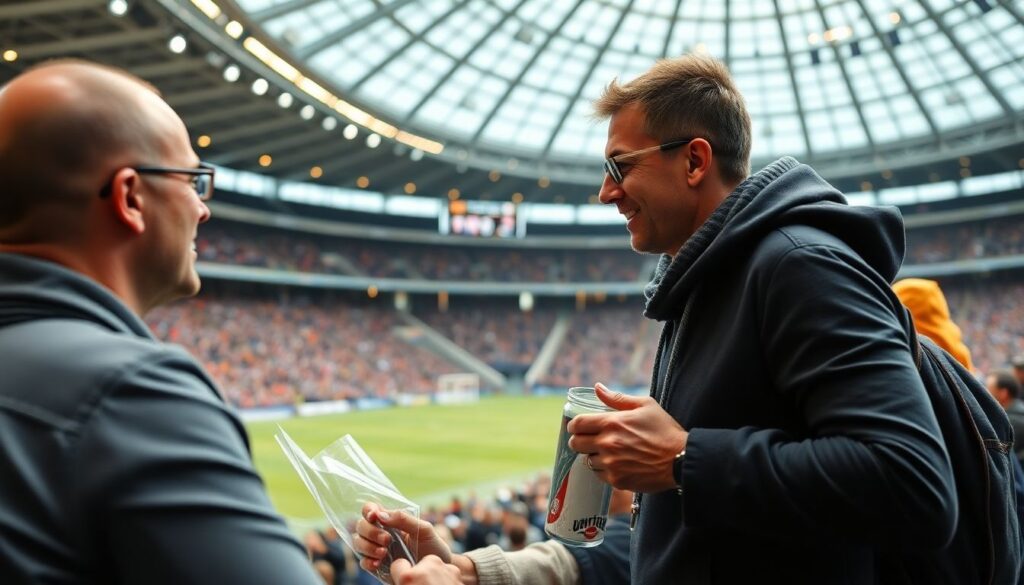
The fan-consumer model reshapes how people behave before, during and after matches. It encourages planned journeys through content, stores and activations, but also introduces misunderstandings. Some clubs misread what true engagement looks like and confuse commercial activity with deep emotional commitment.
Frequent mistakes and persistent myths
-
Equating spending with loyalty
Assuming that the biggest spender is the most loyal ignores fans with low incomes but consistent support. A more accurate metric is the ratio between engagement frequency and disposable income, not just absolute spending levels. -
Over-focusing on digital at the expense of local presence
Investing only in plataformas de fan engagement para clubes deportivos without caring for stadium experience risks empty stands. Clubs should track both digital daily active users and average attendance, ensuring one does not grow while the other collapses. -
Copying big-club strategies without adaptation
Smaller entities often imitate top-tier marketing deportivo para aficionados y consumidores, such as complex apps or dynamic pricing, without staff or budget to maintain them. Measuring implementation cost versus incremental revenue helps decide whether a tactic fits club size. -
Ignoring non-purchasing behaviours
Choreographies, songs and volunteer tasks may not appear in sales reports but build long-term brand equity. Qualitative indicators like the number of fan-led initiatives per season capture this invisible contribution. -
Believing that more content always increases connection
Flooding timelines with low-quality posts can lead to fatigue. Monitoring unfollow rates, mute rates or drops in engagement per post warns when quantity undermines authenticity.
Policy and club strategies: governance, ethics and sustainable models
Governing the fan-consumer relationship requires decisions about pricing, participation and transparency. Clubs need internal policies that limit exploitative practices, protect supporter voices and balance short-term income with long-term identity. Even local teams can define simple guidelines on maximum price rises and non-negotiable cultural elements.
A practical approach is to treat hinchas-consumidores as stakeholders, not just segments. This means involving them in consultation processes, disclosing key commercial decisions and using agreed indicators to assess impact: ticket affordability, member satisfaction and sponsor alignment with club values. These metrics complement traditional financial reports.
Mini-case: low-budget club integrating fans as partners
Consider a mid-table Spanish club with limited TV revenue and a strong local base. Instead of a costly data platform, it launches a basic membership scheme managed via spreadsheets and email. The club sets three clear goals: stabilise attendance, increase modest commercial income and strengthen cultural continuity.
Actions follow a simple sequence: first, a working group with fan representatives defines fair pricing rules and non-commercial sections of the stadium. Second, the club designs low-cost estrategias de fidelización de hinchas en clubes de fútbol, like recognition for long-time members at half-time, discounts with local businesses and priority access for away tickets.
Third, the entity signs smaller patrocinios deportivos y activaciones de marca en estadios only with local companies that accept cultural limits, such as no branding on certain historic flags. Each season, the club reviews metrics: renewal rates, number of community initiatives, sponsor satisfaction and complaints received.
Pseudo-logic for decision-making:
If (ticket_affordability_index deteriorates) then
    freeze premium expansions
    consult supporter groups
else if (sponsor_conflict_risk increases) then
    renegotiate assets
    protect core symbols
end if
This lighter model shows that even without expensive agencias de marketing deportivo para gestión de hinchas-consumidores, clubs can manage the fan-consumer role ethically by combining simple data with structured dialogue.
Practical answers to common implementation and impact questions
How can a small club start managing fan-consumers without big investments?
Begin by centralising member data in a simple file, defining 2-3 basic segments and sending periodic, personalised communications. Track only a few indicators: attendance, renewals and merchandise sales. Use low-cost tools like email lists and social networks instead of custom apps.
What is a reasonable balance between commercial offers and pure sporting content?
A practical rule is to ensure that informational and emotional content outnumbers direct sales messages. Monitor engagement per post type: if sales posts perform much worse, reduce their frequency and embed offers into stories about players, history or community projects.
How do clubs avoid excluding low-income traditional supporters?
Maintain a share of low-cost tickets and memberships, and protect standing or vocal sections from premiumisation. Compare entry prices to local income levels and include supporter representatives in pricing discussions so decisions reflect social reality, not just revenue targets.
Are fan engagement platforms always necessary to modernise a club?
No. For many entities, basic channels like email, WhatsApp groups and periodic in-person meetings are sufficient. A platform becomes useful when the club can maintain it, feed it with quality content and measure active usage beyond vanity registrations.
How should sponsors interact with fan-consumers without damaging club culture?
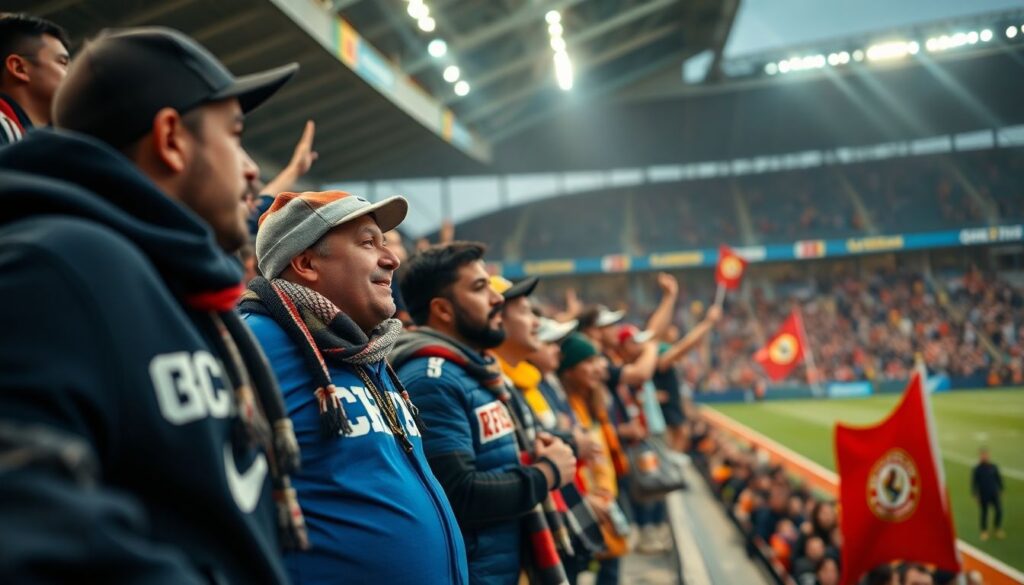
Sponsors should align campaigns with existing rituals instead of replacing them. Co-create activations with supporter groups, set clear red lines on sacred symbols and evaluate fan feedback after each campaign. Long-term partnerships usually allow better cultural adaptation than one-off stunts.
Can the fan-consumer model strengthen rather than weaken identity?
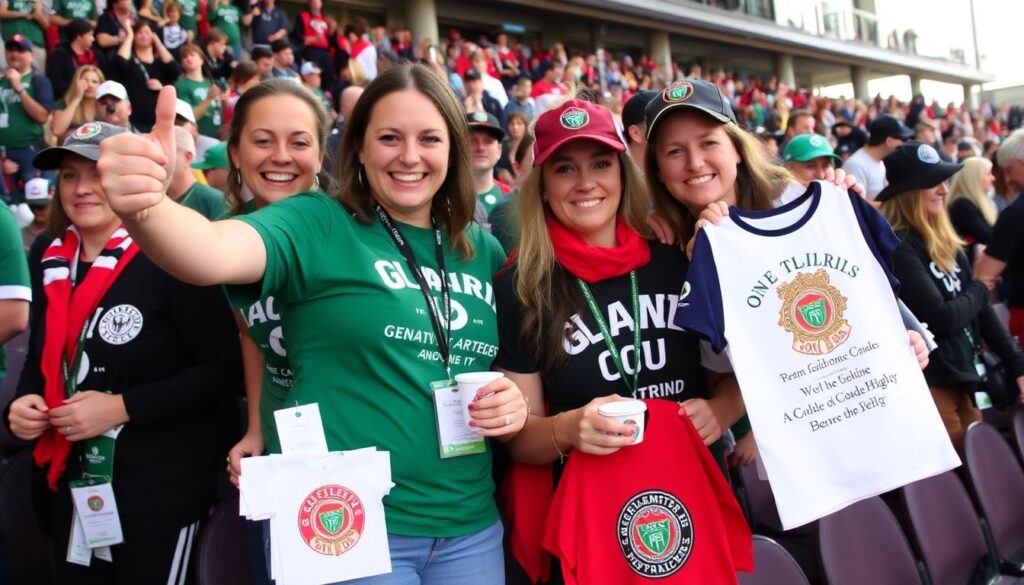
Yes, if commercial tools serve cultural goals. Loyalty programmes can reward away travel, local volunteering or attendance at women's and youth games. Merchandise lines can highlight historical moments and local symbols instead of generic designs copied from other clubs.
What indicators best show whether the model is sustainable?
Combine financial metrics like commercial revenue growth with social ones: ticket affordability, diversity in stands, member satisfaction and stability of active supporter groups. A sustainable model improves numbers without eroding participation or provoking repeated fan protests.