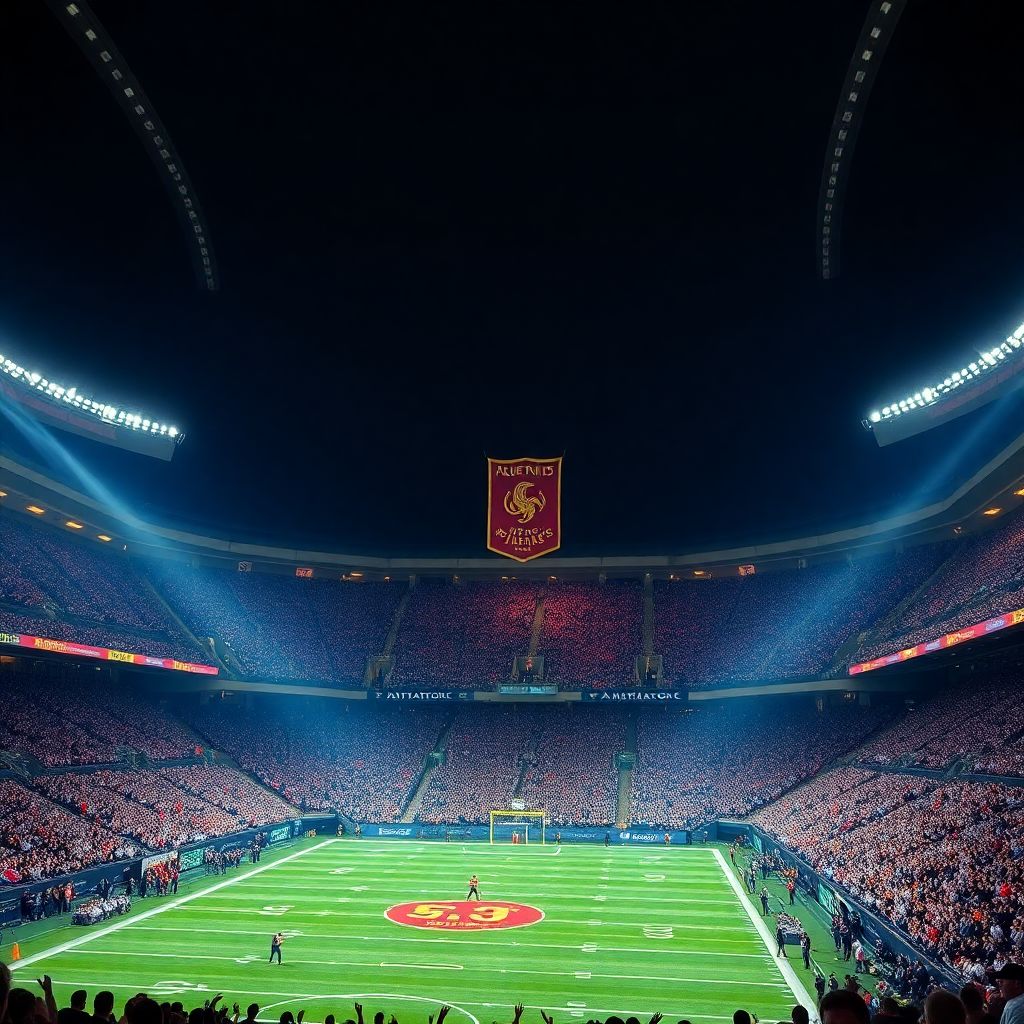
Framing football as a civil religion means reading clubs, competitions and fan cultures as if they were religious systems: with rituals, myths, sacred spaces and communities of faith. This lens helps explain intense loyalty, conflict and meaning-making, and offers practical guidance for designing fan experiences, communication, products and responsible engagement.
Framing football as a civil religion: core definition
- Civil religion is not superstition; it is the set of quasi-sacred beliefs, symbols and rituals that organise public life around shared meanings.
- Applied to football, it highlights how clubs, colours, stadiums and legends work like sacred objects and stories.
- This perspective explains why decisions about entradas para partidos de fútbol importantes feel «moral», not only economic.
- In Spain, football civil religion overlaps with regional and national identities, but does not fully replace traditional religions.
- For practitioners, it is a tool to design respectful rituals, narratives and communities rather than pure commercial «fan activation».
Historical Roots: how clubs and competitions acquired sacred status
Civil religion in football emerged when local clubs stopped being simple sports associations and became repositories of collective memory. Over time, victories, defeats and shared suffering were narrated like foundational myths: a community’s past and destiny expressed through goals, stadiums and colours rather than temples or flags.
In Spain, many clubs were born in early industrial cities or port towns, where migrants and workers needed new symbols of belonging. As these clubs entered national competitions, they came to stand for more than sport: they represented regions, political projects and visions of modernity. Leagues and cups gradually became «liturgical calendars» structuring the year.
A concrete example is the way certain derbies crystallised into symbolic battles. Matches stopped being just games and became recurring dramas where historical grievances were replayed. When supporters today organise viajes y paquetes turísticos para ver fútbol en vivo around such fixtures, they participate in a pilgrimage-like tradition, repeating a route that earlier generations traced.
Understanding these historical roots is practical. It explains why attempts to rebrand or relocate clubs often meet moral outrage, and why new competitions can feel «illegitimate». Leaders, marketers and city planners who ignore this depth treat a civil religion like a disposable product, and they usually face backlash.
- Ask how your club or competition originally emerged: worker movement, student group, regional project, company team.
- Map which historical episodes (promotion, relegation, scandal, glory) fans retell almost as sacred stories.
- Before changing symbols or competitions, analyse which memories and identities you may unintentionally desecrate.
Ritual Practices: matchday routines, chants and symbols
Rituals are repeated acts that give structure and emotional intensity to the football civil religion. They transform a normal afternoon into a «matchday» by marking time, space and behaviour. From pre-game food to post-match debriefs, rituals orient people and signal who truly belongs to the community.
- Pre-match preparation: Fans choose clothing (often camisetas de fútbol oficiales de clubes y selecciones), meet specific friends, read certain media and travel by habitual routes to bar, peña or stadium. This works like a liturgy of approach, tuning emotions and expectations.
- Stadium entry and choreography: Showing the ticket, passing the turnstile, walking up the stairs and seeing the pitch is a powerful sequence. Tifos, scarves raised, club anthems and player walkouts are choreographed to produce communal elevation.
- Chants and call-and-response: Songs coordinate thousands of bodies and voices. They create «we-feeling», punish betrayal and encode local humour and values. Specific chants linked to players or eras act as vocal monuments.
- Televised and streaming rituals: For many in Spain, the living room is the new terrace. A suscripción para ver fútbol en directo por televisión y streaming becomes an entry pass to a dispersed congregation following the same ritualised schedule each weekend.
- Post-match processing: Analysis in bars, group chats and sports programmes turns raw emotion into narrative. It is a collective act of sense-making: why «we» suffered or triumphed, who is to blame, what it means for the future.
For practitioners, these rituals are design opportunities. Supporters’ clubs, municipalities and leagues can reinforce positive rituals (welcoming displays, inclusive chants) and redirect harmful ones (violence, racist songs) without flattening the emotional intensity that makes fandom meaningful.
- Observe a full matchday from a fan’s point of view and list each repeated action from waking up to going to bed.
- Identify which rituals create inclusion (shared food, songs) and which create exclusion (insults, unsafe travel routes).
- When introducing new elements (music, schedules, TV formats), weave them into existing ritual sequences instead of replacing them abruptly.
Myths and Heroes: legends, origin stories and canon formation
The civil religion of football depends on myths: stories that may be factually true or false but are socially recognised as meaningful. Heroes populate these stories: iconic players, managers, presidents and even ordinary fans who become symbols of virtue, sacrifice or rebellion for their communities.
Myths can narrate miraculous survivals, dramatic comebacks, unfair relegations or controversial refereeing. They form a canon: a limited set of episodes and figures that everyone in the community is expected to know. Young fans learn this canon through family, media and merchandising, much as children learn religious stories through catechism or festivals.
Consider how, in many Spanish clubs, a legendary captain or scorer from decades ago still frames discussions about current players. Even when people argue in the mejores casas de apuestas deportivas para fútbol over today’s odds, debates quickly reference past miracles or «curses». The betting slip becomes a way to participate in the mythic drama, not just a financial calculation.
Heroes also include anti-heroes and martyrs: figures who left the club, were betrayed by management or faced tragedy. Their stories structure conversations about loyalty, money and identity in concrete situations, from transfer windows to stadium naming rights. When handled carefully, such myths can encourage solidarity and resilience; when exploited cynically, they can inflame hatred.
- Write down your club’s «five essential stories» that every fan knows; notice which values each story promotes.
- Review how official channels (museum, website, social media) present heroes: as commercial assets or as moral exemplars.
- Before launching campaigns, test whether they harmonise with existing myths or unintentionally contradict deeply held narratives.
Organizational Sacredness: roles of clubs, managers and icons
Institutions organise the civil religion of football. Clubs, federations, leagues and broadcasters manage calendars, define legitimate rituals and curate the official canon of heroes. Their decisions can feel «sacred» or «profane» to fans, depending on whether they are perceived as guardians or exploiters of the tradition.
At club level, presidents and boards play roles similar to high priests or stewards. They are expected to protect the club’s essence, not just its finances. Stadiums function as shrines whose redevelopment or relocation may trigger strong resistance. Sponsors and partners are evaluated by whether they respect the club’s symbolic order.
A contemporary example in Spain is how fans react when kick-off times are moved repeatedly for television convenience. Even if a suscripción para ver fútbol en directo por televisión y streaming brings revenue, constant schedule shifts may feel like desecration of a shared weekly rite. Balancing broadcast demands with ritual stability is a central organisational challenge.
To clarify the practical implications, it helps to distinguish between organisational strengths of civil religion and its constraints.
Institutional advantages of the civil religion frame
- Provides long-term loyalty that survives short-term sporting failure.
- Generates rich symbols and stories for communication, education and tourism.
- Creates a clear moral language for justifying difficult decisions («for the club’s dignity», «for the community»).
Institutional risks and limitations to manage
- Elevates leaders to near-infallible status, making accountability harder.
- Encourages intolerance toward dissenting fans, journalists or players.
- Makes commercial decisions (pricing, ownership changes) feel like betrayals rather than negotiations.
- Define explicitly which elements of club identity are non-negotiable (colours, locality, fan participation) and which are flexible.
- Communicate big changes using the club’s moral language, not only financial arguments.
- Create channels where fans can contest decisions without being labeled «heretics» or «traitors».
Communities of Faith: belonging, rites of inclusion and boundary work
Football civil religion operates through communities of belonging. Supporters’ clubs, peñas, online groups and bar-based micro-communities function as congregations where identity is lived daily. Joining such a community involves informal rites of inclusion: attending certain matches, learning chants, buying colours, sharing inside jokes and suffering together.
Boundary work is the ongoing process of marking who is «one of us» and who is not. It can be playful (teasing rivals) or hostile (violence, racism, misogyny). Everyday acts like wearing camisetas de fútbol oficiales de clubes y selecciones at work or school, or prioritising entradas para partidos de fútbol importantes over other plans, constantly negotiate these boundaries.
In practice, organisations often misunderstand these dynamics. They either romanticise «the fans» as a homogeneous mass or treat them solely as customers segmented by income. Both views ignore the internal hierarchies of authenticity (old vs. new fans, local vs. global, stadium-goers vs. streamers) and the ways people move between categories across their life course.
Common mistakes and myths make this worse and can be avoided with a civil religion perspective.
- Myth: «Real fans always go to the stadium.» Reality: the cost of travel, work schedules and family responsibilities mean many sincere believers practice their faith through TV, streaming or radio.
- Myth: «Commercialisation kills passion.» Reality: merchandising and sponsorship can deepen belonging if they respect community rituals and values; disrespectful campaigns damage trust.
- Myth: «Rivalry requires hate.» Reality: intense symbolic opposition can coexist with shared rules and respect, just as rival religious traditions can share civic frameworks.
- Myth: «Online fandom is shallow.» Reality: some of the most creative rituals, archives and solidarities now emerge from digital spaces, especially for diaspora fans.
- Map your fan communities not only by age and income, but by practices: stadium, bar, digital, travel-based, family-focused.
- Design initiation paths for new fans (content, events, language) that teach rituals without humiliating or excluding.
- Monitor boundary practices (chants, banners, memes) and intervene when they cross into dehumanisation or violence.
Socio‑political Functions: mobilization, identity politics and secular sacraments
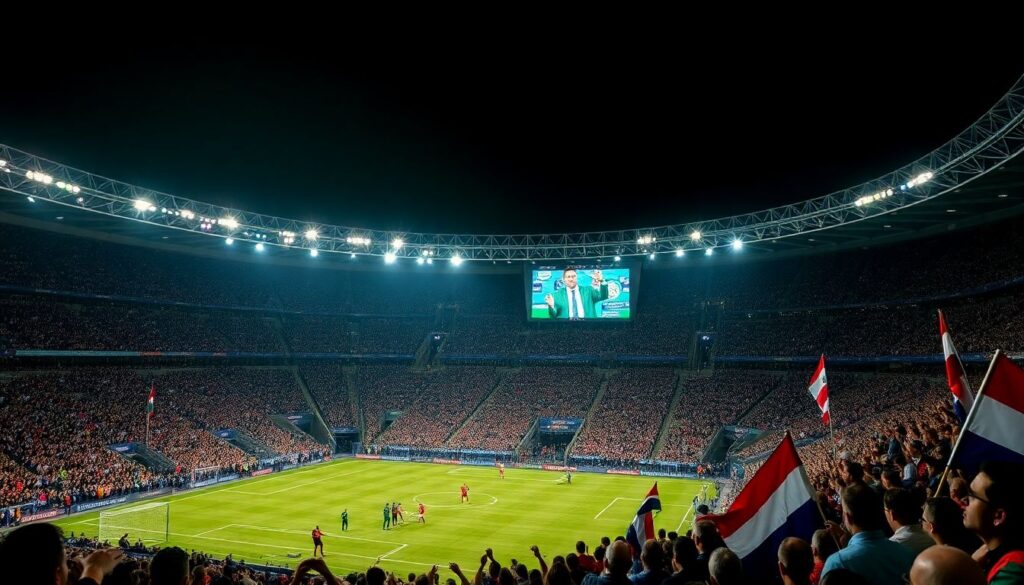
As a civil religion, football does political work even when it claims to be «just sport». It organises collective emotions, distributes recognition and stages conflicts about territory, class, ethnicity, gender and nation. Its ceremonies can become secular sacraments where societies publicly negotiate who matters and how.
A domestic example is when cities or regions mobilise around a major final. Municipal governments facilitate fan zones, schools shorten hours, companies adjust shifts, and viajes y paquetes turísticos para ver fútbol en vivo are promoted as civic missions. Winning is celebrated with processions, balcony appearances and speeches that resemble religious festivals but use football symbols.
For a mini-case, imagine a club facing a stadium redevelopment that displaces a working-class neighbourhood. If the process ignores the civil religion dimension, residents may mobilise as defenders of sacred ground, framing eviction as sacrilege. If the club instead creates participatory rituals-memorial matches, community murals, public blessings of the new site-opposition may transform into shared ownership of change.
Betting and broadcasting add complexity. The mejores casas de apuestas deportivas para fútbol and media platforms can amplify existing inequalities or provide new resources for local institutions, depending on regulation and governance. In any case, decisions about sponsorships, ads and schedule changes have moral resonance because they touch the community’s sacred calendar and spaces.
- Before major infrastructure or commercial projects, map all the symbolic meanings attached to the affected spaces, dates and colours.
- Use football events as occasions to promote inclusive civic messages, not partisan manipulation or scapegoating.
- Evaluate betting, alcohol and high-cost initiatives in terms of social impact on vulnerable fans, not only potential revenue.
Quick self-check for applying the civil religion lens in practice
- Can you clearly describe your club’s or community’s main rituals, myths and sacred spaces in less than one page?
- Do your marketing, ticketing and media strategies respect existing fan rituals, or do they disrupt them without explanation?
- Have you identified groups who are unintentionally excluded by current practices and designed alternative paths of belonging?
- When planning partnerships and events, do you assess both economic and symbolic effects on your fan «congregation»?
Concise clarifications on scope, method and common objections
Does calling football a civil religion mean it replaces traditional religion?
No. Civil religion is usually layered on top of existing religious or non-religious identities. People can be Catholic, secular or Muslim and still participate in the football civil religion; the two levels interact but do not automatically cancel each other.
Is the civil religion lens just a metaphor, or a research method?
It is both. As a metaphor, it helps communicate complexity to wider audiences. As a method, it guides you to analyse rituals, myths, institutions and communities systematically, using tools from sociology of religion and cultural studies.
How is this perspective useful for clubs, leagues and brands in Spain?
It helps decision-makers predict when changes (pricing, scheduling, new competitions) will feel like moral violations rather than neutral business moves. It also suggests concrete ways to design respectful campaigns, matchday experiences and long-term community projects.
Does focusing on rituals and myths ignore economic realities like TV deals and betting?
No. The civil religion approach treats economic tools-such as a suscripción para ver fútbol en directo por televisión y streaming or betting sponsorships-as elements that enter an already sacred system. The question becomes how these tools reshape rituals, values and power relations.
Is it dangerous to consciously «engineer» football rituals for commercial goals?
It can be if done cynically. Intensifying emotions without ethical reflection risks fuelling exclusion, addiction or violence. Using this lens responsibly means prioritising community wellbeing and dignity over short-term profit.
Can fans themselves use this idea, or is it only for academics and professionals?
Fans can use it to gain critical distance: to see when their passion is respected, manipulated or weaponised. It also offers language to demand better governance, safer environments and more inclusive practices from clubs and institutions.
Does civil religion always lead to nationalism and conflict?
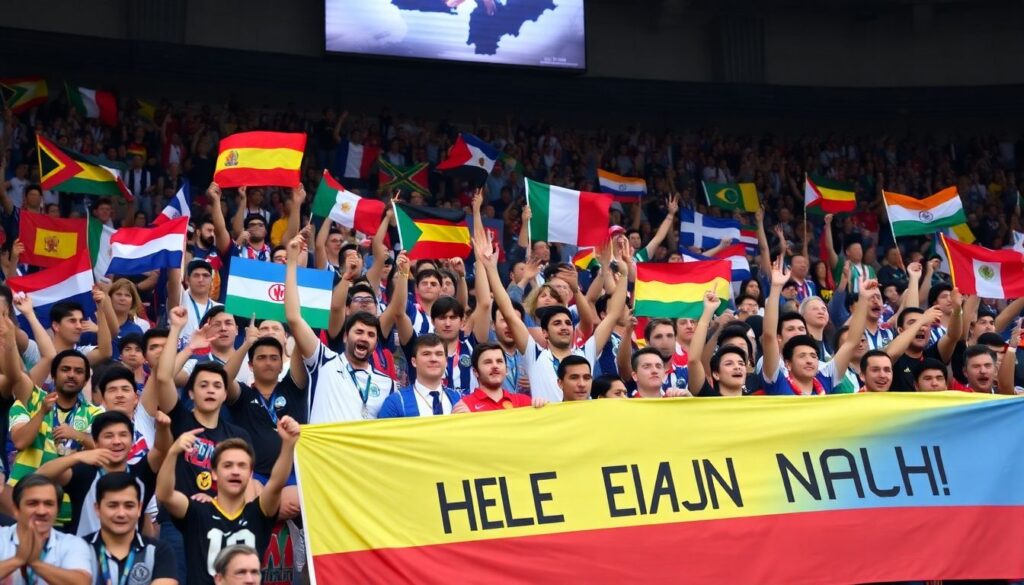
Not necessarily. Football civil religion can reinforce narrow nationalism, but it can also support cosmopolitan identities, anti-racist initiatives and cross-border solidarities, depending on how clubs, media and fans frame their symbols and stories.
Комментарии