Why the “show must go on” is breaking players
La lógica del espectáculo in modern football is simple and brutal: more games, more tours, more content, more money. The problem? Players are still made of muscle, bone and nerves, not of marketing budgets.
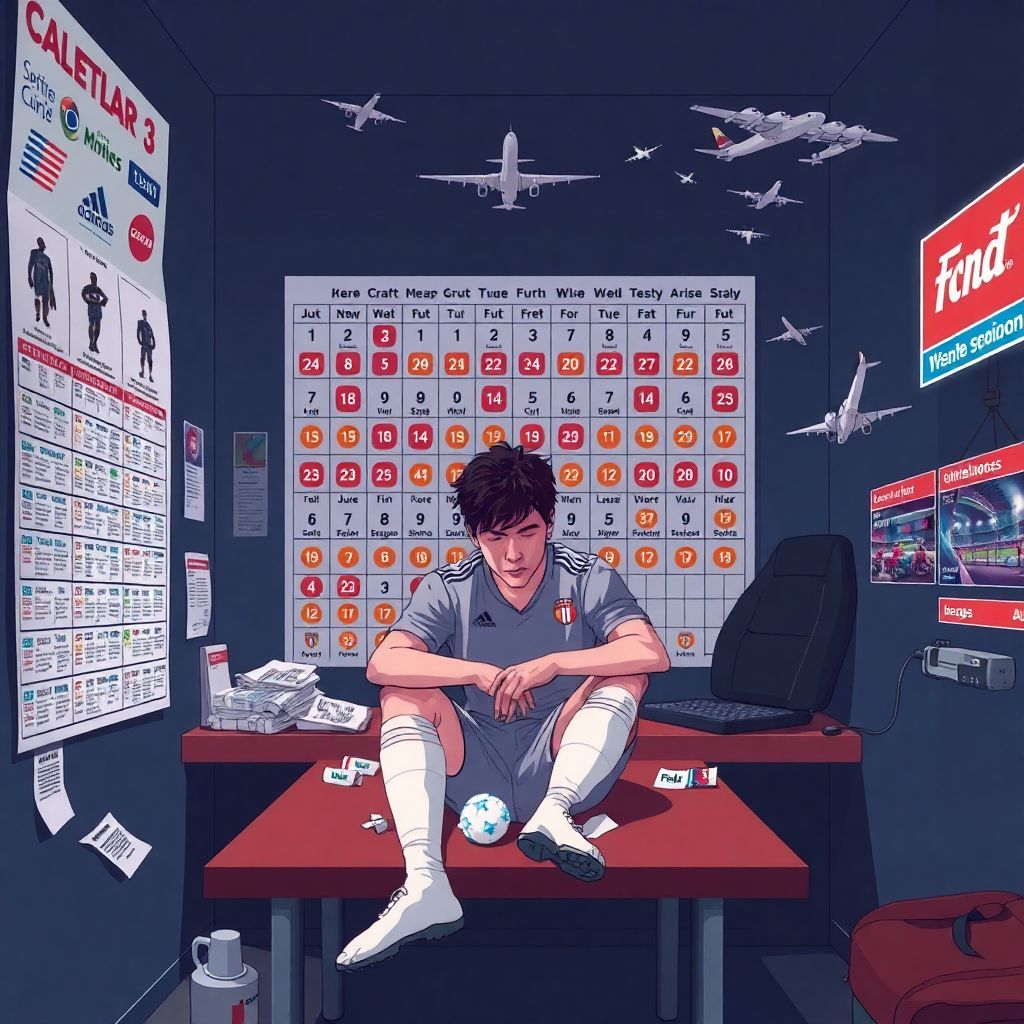
You see it in every calendario fútbol 2024 partidos y competiciones preview: league, cups, Super Cups, continental tournaments, national team windows, pre-season tours, mid-season friendlies, plus travel days that feel like a second job. From TV to streaming platforms, everyone wants a piece of the pie. The player’s body is the plate.
And rookies, the ones who are just arriving at this circus, are often the first to crack.
—
Real cases: when the calendar wins
Case 1: Young star, big league, no brakes
Picture a 19-year-old winger who explodes in a mid-table European club. First season: 25 games, mostly coming off the bench, almost no injuries. Second season, after his breakout: he’s a starter, his team sneaks into Europe, and suddenly:
– League games every weekend
– Midweek European fixtures
– National team call-ups
– Marketing events and commercial shoots on “rest” days
In eight months, he jumps from 25 to 55+ games. Same body, double load.
You’ve already seen this story with players like Pedri at Barça or Jude Bellingham at Dortmund/Real Madrid: huge minutes at a very young age, short breaks in summer, tournaments with the national team. It looks like a dream from the outside, but from the inside it’s: constant flights, jet lag, painkillers, and five different physios in three different countries trying to keep the same hamstring alive.
Rookie mistake here? Thinking “if the coach picks me, I should always say yes.” No negotiation, no load management, no honest talk about fatigue. Just blind obedience until the muscle snaps.
—
Case 2: The global tour trap

Pre-season should be the “base-building” period. Instead, for many top clubs, it’s a travel agency brochure disguised as preparation.
Clubs sell entradas partidos de fútbol gira internacional equipos europeos to fans from the US, Asia, Middle East, Australia. Great for branding, less great for the players’ legs.
A typical tour for a big club:
– Land after a long-haul flight
– Media day, open training for fans
– Friendly match in intense heat or humidity
– Flight to the next city that same night
– Repeat, sometimes on three continents in two weeks
Even worse: some teams add sponsor obligations on top of it. So players train less, sleep worse, and spend half their “preparation” in airports.
The hidden cost? Players start the season already half-tired. Minor issues (tight calves, overloaded adductors, lower back pain) become chronic because there was never a genuine reset.
—
Case 3: The invisible games—travel, time zones, and stress
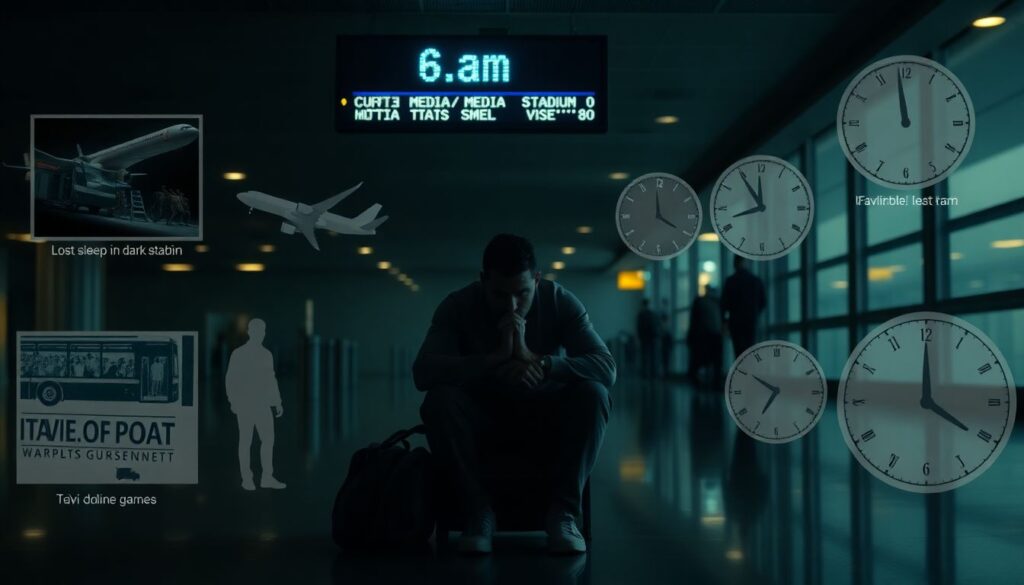
Everyone counts matches. Almost nobody counts “invisible games”:
– Flight leaving at 6am = sleep lost
– Bus from hotel to stadium in heavy traffic = extra stress
– Customs, media, anti-doping controls = more time on feet
– Time zone shifts = circadian rhythm chaos
And don’t forget: not all travel is equal. A two‑hour bus trip in your home league is one thing. Crossing 7–8 time zones in a few days for a continental tie or a friendly? Completely different load.
This is where viajes y paquetes para giras de fútbol internacionales look glamorous from the outside—fans see new cities, new stadiums—but for players, it’s often a blur of lounges, buses and hotel corridors.
—
Frequent rookie mistakes in the era of impossible schedules
1. Treating every training session like a final
Young pros (and even academy players) are terrified of “looking soft.” So they:
1. Go 100% in every drill to impress the coach
2. Hide pain, tightness, or bad sleep
3. Add extra gym work “just in case”
4. Train with friends on days off
5. Play futsal or pickup games they shouldn’t play
Then they wonder why they break down in November.
At the top level, the match is the show. Training is a tool, not a competition. If the calendar is packed, you can’t sprint full gas Monday to Friday and expect to be sharp and healthy on Saturday.
—
2. Copy-pasting someone else’s routine
Another classic mistake: copying the routine of a star player from YouTube or Instagram.
– Different genetics
– Different role and minutes
– Different injury history
– Different schedule
What works for a 32‑year‑old defender with 500 pro games might destroy a 19‑year‑old winger who’s still growing and playing three games in seven days.
The same goes for nutrition and recovery. Just because your idol sits in an ice bath for 20 minutes after every game doesn’t mean that’s ideal for you. Or just because you saw a “day in the life” video where a player drinks three coffees and sleeps 5 hours doesn’t make it smart.
—
3. Ignoring sleep and travel hygiene
Sleep is the cheapest performance-enhancing “drug” you’ll ever have, yet it’s the first thing rookies sacrifice.
Common sins:
– Scrolling on the phone in bed for an hour after night games
– Binge-watching series on long bus rides instead of using blue light filters or sleep masks
– Eating junk food late after matches “because I earned it”
– Not using simple tricks to adjust to new time zones
With dónde ver fútbol en directo online legal options everywhere, players also fall into the trap of watching every game, every league, every highlight. They become fans 24/7 and forget they are also workers whose nervous system needs downtime.
—
4. Overbooking the body off the pitch

Modern rookies often juggle:
– Social media commitments
– Brand deals
– Appearances at events
– Personal coaches, extra shooting sessions, extra gym
The logic is understandable: “I need to build my name while I’m hot.” But in a calendar this demanding, mental fatigue is as real as physical fatigue.
If every “rest day” has a shoot, an interview, or a local event, you are not resting. You are just changing the type of stress.
—
Non-obvious solutions: playing the long game
Smart load management without looking like a diva
You don’t need to fight your coach or refuse call-ups. You need to be strategic and proactive.
1. Use language coaches understand
Instead of saying “I’m tired,” say: “My left hamstring feels 6/10 today; yesterday it was 3/10. Can we adjust my high-speed running today?”
Concrete, measurable, not emotional.
2. Pick your battles in training
Go full intensity in tactical and team sessions. Dial down the heroics in optional drills or post-training shooting challenges. You don’t get extra points for winning the rondo.
3. Micro-rest, not just total rest
Maybe you can’t skip training, but you can:
– Reduce contacts in small-sided games
– Do fewer high jumps or sprints
– Ask for more technical work on heavy days
This is where a good head coach and performance team makes a big difference. But they also need honest feedback from you.
—
Building a personal “micro-calendar” inside the mega-calendar
Most players look only at the team’s schedule. Pros build their own internal one:
– “Red” weeks: multiple matches, high travel, tight turnarounds
– “Orange” weeks: 1 match, heavy training block
– “Green” weeks: lighter period, maybe international break without call-up
For each color week, you adjust:
– Gym volume
– Extra work after training
– Time spent on media/social obligations
– Sleep and napping strategy
This is where entrenamiento y recuperación para futbolistas calendario exigente becomes very individual. Two players on the same team, same match schedule, may need very different responses based on how they tolerate load.
—
Alternative methods that actually help under crazy schedules
1. “Minimum effective dose” strength work
You don’t have to live in the gym to stay strong. In a congested season:
– 2 short sessions per week (20–30 min)
– Focus on big compound movements adapted to you
– Emphasize quality over volume
The goal is to maintain strength and robustness, not to chase bodybuilding numbers in the middle of a run of 10 games in 30 days.
—
2. Active recovery that doesn’t feel like punishment
Many players hate “recovery sessions” because they feel like fake work. So they half-do them or skip them mentally.
Alternative ideas:
– Low‑impact pool work with ball games
– Short, directed mobility flows with music the team chooses
– Light technical drills you enjoy, like rondos or finishing, but with controlled intensity
Recovery doesn’t have to be a boring, silent session with a foam roller and misery. The point is to move blood, calm the nervous system, and restore range of motion, not to win a competition.
—
3. Travel routines: stop improvising
Instead of just sitting on a plane and hoping for the best, create ritualized habits:
– Pre‑flight: hydrate properly, light snack with protein + carbs, 5–10 minutes of mobility
– In-flight: stand up every 45–60 minutes, simple ankle/calf/hip movements, limit caffeine and alcohol
– Post‑flight: short walk in daylight, breathing drills to down‑regulate stress, light stretching, early local-time dinner
It sounds basic, but done consistently over a season of constant travel, it’s a game-changer. The players who age well in this era are often those who take these details seriously.
—
Pro-level lifehacks to survive the show
1. Treat your calendar like a coach would
Instead of living week-to-week, sit down once a month and plan:
1. Major fixtures and expected minutes
2. Travel-heavy days where you’ll be more tired
3. Windows where you can push harder in the gym
4. Absolute non-negotiable recovery days
This way, you don’t accidentally schedule a sponsor shoot or a family event on the one day your body was supposed to exhale.
—
2. Build a small, trusted “performance circle”
Everyone has advice for footballers. Agents, friends, influencers, ex-players, YouTubers. That noise kills clarity.
A better approach:
– 1 club physio or doctor you trust
– 1 physical trainer who understands your role and minutes
– Maybe 1 external specialist (nutritionist, psychologist, or sleep coach)
And that’s it. A small group that knows your history, your schedule, and your objectives. Too many “experts” pulling you in different directions is just another stressor.
—
3. Learn to say “no” without burning bridges
You can’t do every podcast, every sponsor trip, every extra friendly. You need a polite but firm “no” template.
Examples:
– “I’d love to, but this month is extremely congested. Can we look at a window during the international break?”
– “My performance staff asked me to protect this recovery day. Let’s find another date.”
Tie your “no” to performance, not ego. Most serious people understand that if you don’t play well, your commercial value drops anyway.
—
4. Use tech, but don’t be a slave to it
GPS, heart rate monitors, sleep apps—great tools if used correctly. Common rookie trap: obsessing over numbers instead of listening to your own body.
Balance looks like this:
– Use data to confirm or question your sensations
– Look at weekly trends, not just one bad night or one heavy session
– Share key data points with staff if something feels off
Tech should make conversations easier, not replace them.
—
For coaches, agents and staff: designing sanity into the spectacle
The logic of the show isn’t disappearing. More competitions, more streaming platforms, more fans asking dónde ver fútbol en directo online legal, more pre-season tours… it’s the business model.
But within that reality, decision‑makers can still choose to protect players:
– Plan friendlies and tours with recovery in mind, not just time zones and ticket sales
– Limit minutes for young stars in “nice-to-have” games
– Educate rookies about long-term career planning, not just next weekend’s match
– Coordinate better between club and national team for players who are clearly overloaded
When clubs organize viajes y paquetes para giras de fútbol internacionales, they should also budget for extra physios, sleep experts, and better recovery infrastructure—not just for better hotels.
—
Wrapping it up: the spectacle has a price—don’t pay with your career
La lógica del espectáculo says: the camera must always find a show. But as a player, your job is different: extend your peak years, avoid chronic breakdowns, and stay mentally sane in an insane schedule.
Common rookie errors—over-training, copying idols blindly, ignoring sleep, saying yes to everything—are understandable but avoidable. With smarter entrenamiento y recuperación para futbolistas calendario exigente, with clear boundaries, and with a personal micro-plan inside the mega-calendar, you can survive and even thrive.
The game will keep asking for more. Your body won’t. Your career depends on which voice you decide to listen to.