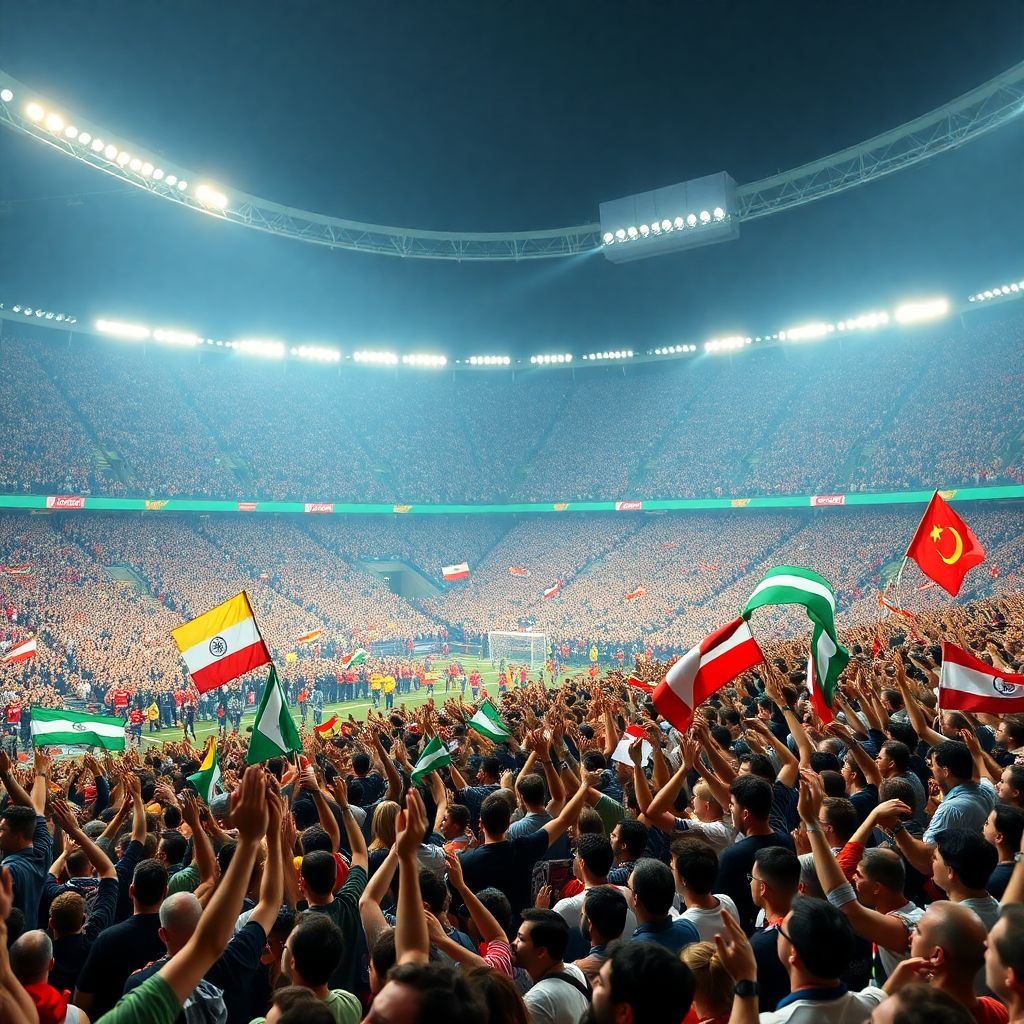
Football as a civil religion means that, for many communities, the game works like a shared faith: stadiums feel sacred, symbols look holy, and match days follow strict rituals. Understanding these symbols, dogmas, and small heresies helps researchers and practitioners read what happens in the stands as structured social belief.
Core doctrines of football as a civil religion
- Stadiums function as ritual spaces where ordinary behaviour is suspended and collective emotion is licensed.
- Badges, colours, and the official shirt act as symbols that condense memory, territory, and loyalty.
- Pregame and in‑match rituals organise time, emotion, and belonging for fans.
- Club and national narratives create informal dogmas about identity, success, and moral worth.
- Conflict, dissent, and hooliganism operate as heresies that both threaten and reinforce the shared faith.
- Football’s civil religion shapes nationalism, everyday sociability, and political mobilisation in subtle but powerful ways.
Stadiums as temples: architecture, space and sacredness
Seeing football as a civil religion starts with the stadium. Architecturally it is just concrete, metal, and seats; socially it becomes a temple once it concentrates memory, emotion, and ritual. Supporters speak of going home when they enter a ground, even if it is a modern, commercial arena.
The sacred quality of a stadium appears in how space is organised. There are processional routes (the walk from metro or bar to gate), liminal checkpoints (turnstiles), and inner sanctuaries (stands where the most committed fans gather). In many Spanish cities, specific bars and plazas form part of this wider ritual landscape around the ground.
Inside, rules invert everyday behaviour. Shouting, singing, crying, and hugging strangers are not just allowed; they are expected. Like religious feast days, match days suspend normal time. Weekend schedules, family gatherings, and even work patterns adapt to fixture lists. Night games under floodlights create a strong sense of separation from daily life.
For researchers or students taking cursos online sociologia del futbol y religion, a practical approach is to map the fan journey: where people meet, how they enter, where they sit or stand, and what they do at each stage. Treat these movements as liturgy in space rather than simple logistics.
Cross‑culturally, the same temple logic appears with local variations. In Buenos Aires, neighbourhood stadiums mark class and district boundaries. In Europe, giant arenas become symbols of municipal pride and political projects. When you read ensayos academicos futbol como religion pdf, focus on how authors describe space, thresholds, and the choreography of bodies; this is where sacredness becomes visible in concrete actions.
Emblems and regalia: flags, kits and collective identity
Symbols translate abstract loyalty into visible, wearable form. In football’s civil religion, colours, badges, scarves, and banners perform the role of icons and regalia, carried and displayed to mark who belongs and what they believe the club stands for.
- The official shirt as portable flag: The camiseta equipo oficial is the most concentrated symbol of belonging. When supporters search for simbolos del futbol camiseta equipo oficial, they are usually looking for more than fabric; they want a recognised marker of identity, one that will be read instantly on the street, in a bar, or at school.
- Badges and logos as mini‑creeds: Club crests compress local history, myths, and claims into a small image. They often include city symbols, religious references, or historic dates. Wearing the badge over the heart is a daily, almost unconscious, affirmation of loyalty and shared memory.
- Scarves and flags as processional objects: Scarves and large banners work like processional standards in religious parades. They travel from home to stadium, appear in choreographed tifos, and visually separate one group from another. When raised together, they create a temporary sea of colour that reinforces we versus they boundaries.
- Special editions and commemorative kits: Alternative kits for anniversaries or causes (for example, anti‑racism or local charities) show how clubs encode new values into existing symbols. Purchasing or rejecting these shirts is a practical way for fans to negotiate changing identities and commercial pressures.
- Everyday use beyond match day: Tracksuits, caps, and casual wear carry club symbols into workplaces, universities, and neighbourhoods. This extends civil religion into daily life, turning routine activities like shopping or commuting into occasions for subtle recognition between believers.
- Merchandising as accessible ritual: From a practical angle, merchandising is how many children first enter the football faith. For someone browsing futbol y religion libro comprar or club stores, the question is not only what to wear but which story and community they are visibly joining.
Match rituals: pregame liturgies, chants and fan rites
Rituals make football’s civil religion tangible. They coordinate bodies, voices, and emotions around the rhythm of the match. Instead of abstract theory, it is more useful to observe specific scenarios where ritual logic clearly structures what people do and feel.
- Pilgrimage to the ground: Hours before kick‑off, fans follow habitual routes from home or favourite bars to the stadium. They walk with the same people, stop at the same kiosks, and repeat small superstitions. This is a weekly pilgrimage, marking the transition from everyday concerns to shared devotion.
- Entrance ceremonies: Anthem singing, club songs, and player line‑ups form a pregame liturgy. Scarves are raised, flags unfurled, and in many countries the national anthem blurs club faith with state rituals. Observing who sings, who remains silent, and how cameras frame these moments gives clues about inclusion and exclusion.
- Chants and call‑and‑response: In the stands, chants operate like repeated prayers. Leaders start songs that entire sectors answer. Lyrics define friends, enemies, memories of past glory, and moral standards for players. For students preparing ensayos academicos futbol como religion pdf, systematically recording and classifying chants is a concrete research task.
- Goal celebrations and collective ecstasy: The moment of scoring condenses emotion and belief. Bodies leap, embrace, and shout in synchrony. Even non‑religious fans often use religious language in these instants. Filming the crowd rather than the pitch can reveal how faith in the team temporarily fuses individuals into one body.
- Halftime and post‑match debrief: Conversations in concourses or bars act as interpretation rituals. Fans collectively explain what just happened, blame or absolve players, and update shared dogmas about the team. These discussions keep the faith coherent despite contradictory results.
- Seasonal rhythms and special fixtures: Derbies, finals, and promotion or relegation battles function as high holy days. They attract larger crowds, special banners, and sometimes conferencias sobre futbol cultura y religion entradas where academics, journalists, and fans debate meaning beyond the scoreline.
Canonical doctrines: club narratives, media dogmas and mythmaking
Dogmas in football’s civil religion are not written creeds but widely shared stories about what a club or national team essentially is. These narratives guide how supporters interpret events and judge behaviour. Understanding them requires analysing both internal club discourse and broader media ecosystems.
From a practical standpoint, football doctrines often revolve around origin myths (how the club was founded), style myths (how the team should play), and moral myths (what values distinguish us from rivals). Media reproduce and refine these stories through documentaries, books, and commentary. Searching futbol y religion libro comprar exposes a growing market of texts that explicitly link these narratives to wider cultural or spiritual themes.
To keep analysis grounded, it helps to separate positive functions from limitations.
Constructive functions of football doctrines
- Offer clear identity anchors for diverse supporters, making it easier to welcome newcomers into a shared story.
- Provide emotional continuity across unstable sporting cycles by framing defeats and victories within long arcs of destiny or redemption.
- Encourage ethical behaviour when values such as fair play, humility, or community service are central to the club myth.
- Support educational projects, such as cursos online sociologia del futbol y religion, by providing rich narrative material to analyse with students.
Constraints and risks of these dogmas
- Freeze dynamic realities into rigid labels, making it difficult to acknowledge change in demographics, tactics, or ownership models.
- Legitimise exclusion by declaring some fans more authentic than others based on geography, class, or intensity of devotion.
- Amplify polarisation when myths about rival clubs depict them as morally inferior or inherently violent.
- Encourage selective memory, celebrating glorious episodes while ignoring uncomfortable histories of racism, politics, or corruption.
For practitioners, the key is to document which dogmas are foregrounded in club media, fan chants, and merchandising, then assess how these stories shape concrete behaviour around inclusion, conflict, and cooperation.
Heresies in play: dissent, hooliganism and ritual transgression
Every civil religion contains tensions and deviations. In football, heresies can be creative or destructive. They appear when individuals or groups challenge official symbols, rituals, or authorities, often within the same sacred spaces that support mainstream devotion.
- Over‑moralising all supporter passion: A common mistake is to label any intense or noisy support as dangerous fanaticism. Passionate, even aggressive, chanting is not automatically hooliganism. Researchers should distinguish between symbolic hostility and actual plans for violence.
- Romanticising hooligan groups as authentic believers: Another myth treats ultras or hooligans as the purest form of faith. In reality, these groups mix devotion with power games, status competition, and sometimes criminal economies. Their rituals may sustain atmosphere but can also silence other fan voices.
- Ignoring political dissent as mere noise: Banners, whistles during anthems, or coordinated silences often express political disagreement with club owners, federations, or governments. Writing these off as apolitical passion misses how football spaces function as platforms for civil expression.
- Assuming commercialisation destroys all sacred value: It is tempting to say that sponsorships and high ticket prices simply kill the football faith. In practice, fans often adapt, reinterpreting sponsors and branding within existing rituals. Some resist through boycotts; others create parallel, lower‑cost practices.
- Overlooking quiet heresies: Small acts like wearing unofficial colours, creating alternative fanzines, or organising mixed‑fan events can be soft heresies that diversify the civil religion without breaking it. Analysts should look beyond spectacular disorder to these subtle innovations.
When reading ensayos academicos futbol como religion pdf, paying attention to how dissent is described helps avoid simplistic binaries between good fans and bad fans. The reality is a negotiation of multiple, sometimes competing, ways of believing in the team.
Civic effects: nationalism, social bonding and political leverage
Football’s civil religion does not stay inside stadium walls. It interacts with national identities, neighbourhood solidarities, and formal politics. To keep this concrete, it is useful to follow specific chains of action instead of discussing vague influence.
Consider a national team tournament hosted in Spain. Government agencies promote the event as a celebration of unity; city councils invest in fan zones; media build narratives of collective destiny. Fans gather in mixed spaces where regional, national, and club loyalties overlap. The shared rituals of anthem singing, watching matches on big screens, and post‑game celebrations create temporary communities among strangers.
These moments offer political leverage. Leaders may appear at matches, use club scarves, or reference popular players in speeches to borrow legitimacy from the football faith. At the same time, supporters use the visibility of tournaments to highlight social causes, from anti‑racism campaigns to workers’ rights. Conferences and public talks, sometimes advertised as conferencias sobre futbol cultura y religion entradas, become arenas where academics, activists, and fans discuss how far this leverage should go.
A simple analytical workflow for practitioners can be sketched as follows:
Step 1: Identify a concrete event (derby, cup final, international tournament).
Step 2: Map the main actors (clubs, fan groups, media, politicians, local businesses).
Step 3: Observe how civil religious elements appear (symbols, rituals, dogmas, heresies).
Step 4: Trace direct outcomes (changes in public debate, new alliances, policy discussions, or community projects).
This task‑oriented approach helps move beyond abstract claims about sport and society, turning football’s social faith into something that can be described, compared, and, when necessary, challenged.
Practical checklist for analysing football as a civil religion
- When visiting a stadium, map routes, thresholds, and key ritual spots instead of only watching the pitch.
- List the main symbols used by fans and clubs, and note where and how they appear in daily life.
- Record typical chants and pregame routines, then classify what values and identities they express.
- Write down dominant club or national narratives, including how they describe rivals and history.
- Document visible dissent or transgression and analyse whether it challenges or reinforces the shared faith.
Common misconceptions and clarifications about football’s social faith
Is calling football a civil religion the same as saying fans are literally religious?
No. The term civil religion is an analytical tool. It highlights structural similarities with religion, such as rituals and symbols, without claiming that fans worship clubs as gods or abandon traditional faiths.
Does every supporter experience football as a kind of faith?
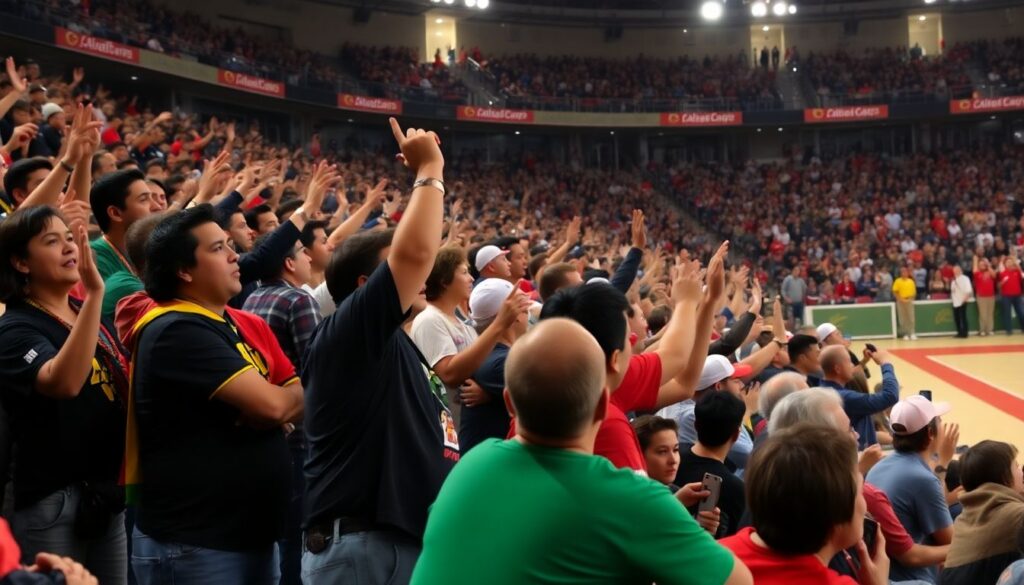
Not necessarily. Some people treat matches as light entertainment. The civil religion frame is most useful where strong identities, rituals, and narratives clearly structure behaviour, but it can coexist with casual or ironic forms of fandom.
Is hooliganism an inevitable product of football’s religious passion?
No. Violent groups emerge from specific social, economic, and political contexts. Passionate support can be channelled into creative, non‑violent rituals. Linking faith in the team directly to violence hides these contextual factors.
Does commercialisation completely erase the sacred side of the game?
Commercial pressures change how sacred elements appear but rarely eliminate them. Fans adapt, resist, or reinterpret sponsorships and branding. New rituals can emerge around commercial features, while others shift into informal spaces outside official control.
Can clubs consciously reshape their civil religion to promote inclusion?
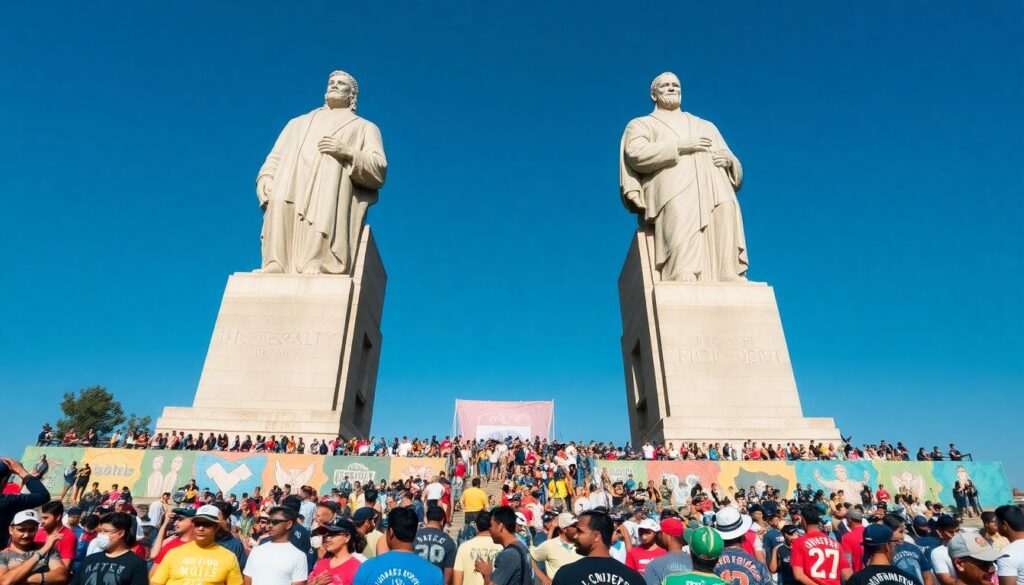
Yes, to a degree. By amplifying certain symbols, stories, and community projects, clubs and fan groups can nudge the shared faith toward more inclusive values. However, long‑standing myths and power structures limit how fast these shifts can occur.
Is it useful for practitioners to read academic work on football as religion?
It can be very useful if approached with a practical lens. When engaging with theory or case studies, focus on methods and concrete observations you can adapt to your own club, city, or organisation.
Are online spaces important for football’s civil religion?
Yes. Social media, forums, and streaming platforms extend rituals and disputes beyond match day. They allow new narratives, symbols, and heresies to spread quickly, influencing how in‑stadium practices evolve.