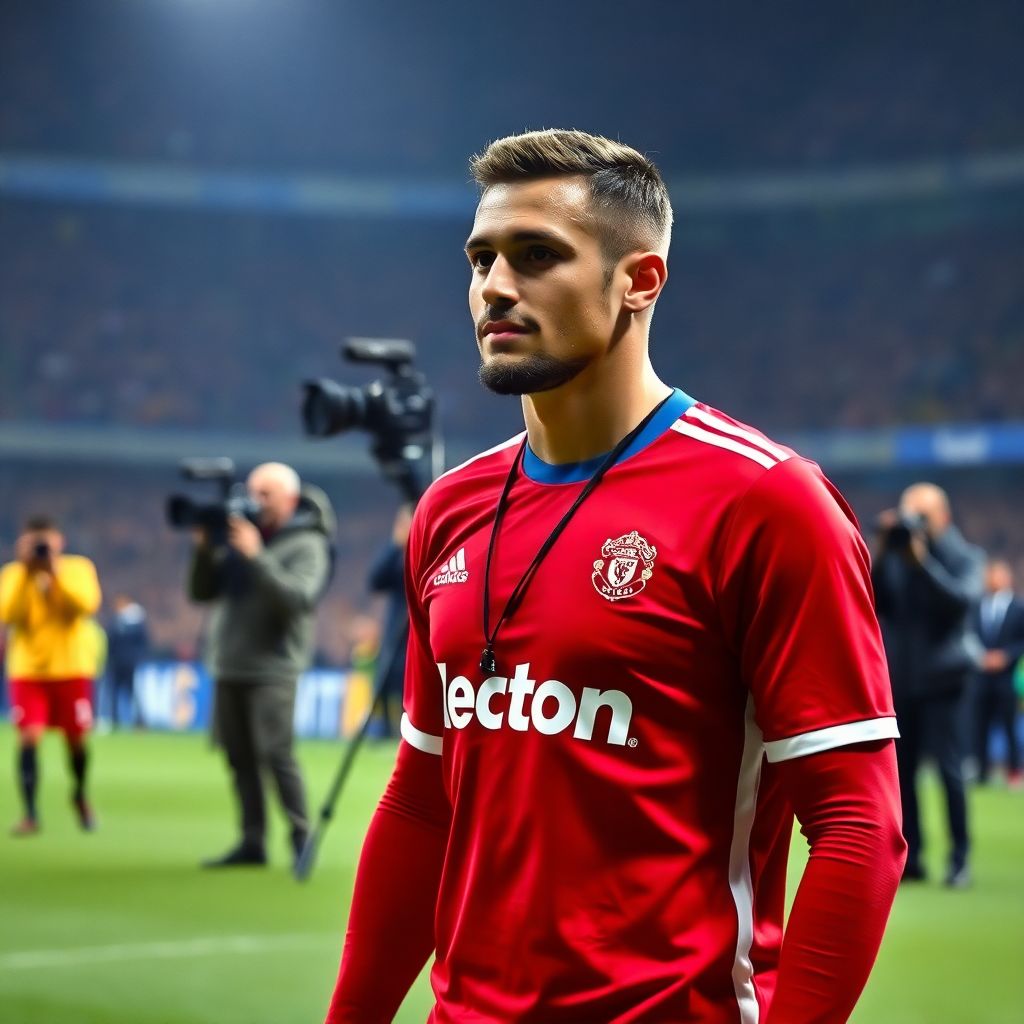
Football stars become idols or mere products depending on how clubs, brands and agents design their media construction. By aligning sport performance, narrative and sponsorships, and by avoiding common mistakes-overexposure, incoherent stories, ignoring crises-marketing deportivo futbolistas famosos can build resilient, credible personal brands instead of disposable advertising faces.
Core Concepts of Football Star Branding
- Star construction is a managed process: from on-pitch performance to off-pitch persona, nothing relevant is random.
- Agencies, clubs, media and brands co-create the image; misalignment between them is the root of many errors.
- The same mechanism that turns a player into a global idol can reduce them to a short-lived product.
- Repeated mistakes: ignoring fan expectations, copying generic formulas and reacting late to crises.
- Clear positioning, disciplined storytelling and risk planning prevent most reputational and commercial damage.
From Pitch to Persona: Stages of Media Construction

In modern football, the star is the result of a layered construction that overlays the real athlete with symbols, emotions and stories. The shift from talent to media persona usually passes through recognisable stages, which a good agencia de representación de futbolistas y figuras deportivas can intentionally guide.
First comes performance visibility: standout play on the pitch creates raw attention. The second stage is narrative framing: media, clubs and agents define what the player is supposed to represent (humble worker, rebel genius, club symbol, underdog). The third is commercial amplification, where sponsors, social media and PR scale that narrative across markets.
The border between idol and product appears when marketing logic dominates football logic. If decisions about appearances, content and endorsements ignore sporting reality, the image becomes fragile. Long-term star construction protects the core sporting identity and only then builds commercial layers on top.
Mini case – La Liga winger: A young winger explodes in one season. Without structure, he opens random sponsorship deals and posts uncontrolled content. After a form dip and a minor off-pitch incident, brands retreat. In a parallel club, a similar player is guided through staged interviews, limited endorsements and media coaching, so one bad season does not destroy his persona.
Commercialization Mechanisms: Sponsorships, Licensing and Merchandising
Commercialization turns attention into money through structured mechanisms. Understanding them helps avoid typical traps that convert players into overused marketing props.
- Endorsement sponsorships – Brands pay for association with the player (boots, lifestyle, fintech, betting). Error: accepting every deal. Prevention: define clear brand-fit rules and a maximum number of active partners.
- Club and federation licensing – Names, numbers and images appear on shirts, games and collectibles. Error: ignoring contract clauses on image rights. Prevention: coordinate player contracts and licensing agreements from the start.
- Merchandising collaborations – Limited-edition products co-created with fashion, music or gaming brands. Error: collaborations with no link to the player’s story or audience. Prevention: use only extensions that reinforce the core persona.
- Media and content deals – Documentaries, series, podcasts and exclusive platforms. Error: oversharing or staging fake authenticity. Prevention: set red lines on private life and involve PR in all scripts.
- Digital monetization – Sponsored posts, own apps, paid fan communities. Error: turning feeds into pure advertising. Prevention: keep a clear content ratio (majority value, minority ads) and monitor fan reactions.
- Long-term brand partnerships – Multi-year relationships that survive form swings. Error: chasing short-term cash instead of strategic partners. Prevention: prioritize 2-3 anchor brands aligned with the player’s values and markets.
Mini case – Veteran goalkeeper: A well-respected keeper nearing retirement signs a long-term deal with a heritage sportswear brand aligned with his calm, classic style, instead of multiple flashy one-season sponsors. When his on-pitch minutes drop, the brand still uses him as a mentor figure, keeping relevance and dignity.
Narrative Engineering: Storylines, Image Work and Crisis Management
Narrative engineering is the systematic design of the stories, visuals and reactions that surround a player. It is the practical answer to cómo hacer branding para jugadores de fútbol profesionales without falling into clichés or predictable PR speeches.
- Origin stories and identity – Framing where the player comes from, who supported them and what they represent. Mistake: romanticising poverty or trauma in a way that feels exploitative. Prevention: tell origin stories with respect and focus on growth, not misery.
- Career arcs and turning points – Injuries, transfers and finals become chapters in a longer narrative. Mistake: pretending every setback is a heroic comeback. Prevention: allow vulnerability and uncertainty; authenticity travels better than constant triumphalism.
- Visual identity and style – Haircuts, celebrations, tattoos, fashion and social media aesthetics. Mistake: rebranding appearance every few months. Prevention: define 2-3 stable visual cues fans can recognise over time.
- Everyday content and access – Training clips, family moments, locker room snippets. Mistake: blurring all boundaries between private and public. Prevention: agree a clear privacy line with the player and family, and stick to it.
- Crisis response scripts – Injuries, scandals, conflicts with clubs or national teams. Mistake: silence followed by defensive statements or blaming others. Prevention: have pre-agreed protocols, spokespersons and tone guidelines for different crisis types.
Mini case – Social media storm: A striker posts a late-night comment criticising the coach. Instead of deleting it silently, his team quickly publishes a short video where he acknowledges the mistake, explains he reacted impulsively after a loss and reiterates respect for the staff. The clear, quick narrative prevents escalation.
Audience Targeting: Fan Segmentation and Platform Strategies
Different groups of fans want different relationships with a player. Ignoring this is one of the most common and expensive errors in servicios de gestión de imagen para estrellas del fútbol, because it creates content that pleases algorithms but confuses people.
Useful segmentation for estrategias de marketing para potenciar la marca personal de futbolistas typically includes local stadium fans, TV viewers, global digital fans, kids, sponsors and media professionals. Each has distinct languages, expectations and thresholds for commercial content.
Advantages of Precise Segmentation
- Messages feel personal and relevant for each group instead of generic and empty.
- Content calendars can balance competitive, human and commercial posts per platform.
- Commercial partners see clear value and better alignment with their own target markets.
- Risky or controversial content can be restricted to mature audiences or closed communities.
- Time and budget are focused on channels that actually influence perception and revenue.
Limitations, Risks and Common Mistakes
- Over-segmentation: building so many micro-messages that the core personality disappears.
- Platform confusion: posting the same content on all channels without adapting tone or format.
- Ignoring local cultures: copying global templates that clash with Spanish or Latin fan sensibilities.
- Delegating everything to agencies: the player’s own voice becomes absent or mechanical.
- Short-term chasing of trends: frequent shifts in tone that undermine credibility.
Mini case – Young Spanish midfielder: His team differentiates between TikTok (skills and humour for teens), Instagram (lifestyle and family for wider fans) and LinkedIn-style interviews reposted by the club for sponsors and executives. By not mixing all audiences in one channel, his image stays coherent.
Measuring Influence: Metrics, Monetization and Brand Equity
Measurement is the area where misconceptions most directly turn idols into overexposed marketing products. Many actors in marketing deportivo futbolistas famosos still confuse noise with value, and dashboards with strategy.
- Myth: Follower count equals influence – A player with fewer, more engaged fans may deliver more impact to sponsors. Quick prevention: track meaningful interactions and sentiment, not only totals.
- Myth: Every post must be monetized – Overcommercialisation exhausts fans and reduces long-term brand equity. Quick prevention: keep most posts non-sponsored and clearly separate ads from organic content.
- Myth: Viral moments are always good – Some viral spikes come from conflict or mockery. Quick prevention: analyse why something spread before celebrating; avoid reinforcing negative memes.
- Error: Ignoring offline impact – Chants, banners and shirt sales say more about deep fandom than temporary clicks. Quick prevention: integrate club shop data, surveys and stadium observations into image assessments.
- Error: No baseline or goals – Teams launch campaigns without defining what success looks like. Quick prevention: set 2-3 simple goals per season (e.g. clarity of positioning, market awareness, fan trust) and track them consistently.
Mini case – Brand campaign review: A boot sponsor celebrates millions of views but ignored negative comments mocking the player’s acting. In the next campaign, they reduce the scripted humour and use more natural training content; sentiment improves even with fewer views.
Ethics and Power: Labor, Authenticity and Cultural Impact
Behind the polished surface, star construction touches questions of labour rights, mental health and cultural representation. The same structure that can protect a player can also exploit them if economic pressures dominate every decision.
Authenticity is not just a style; it is a limit. Pushing a shy player into daily vlogs or forcing politically neutral comments in heated social debates may protect short-term sponsorships but harm long-term trust. Each player’s boundaries and values must be reflected in contracts and communication plans.
Mini case – Overexposed academy talent: A teenager in a Spanish academy becomes a sudden sensation. His environment pushes him into constant interviews and reality-style content. Anxiety rises, performances fall and fans turn critical. A later intervention limits media days, assigns a psychologist and reframes him as a player still learning, not a finished idol. The case shows why the ethical question is also a risk-management tool.
Self-Check Checklist for Practitioners
- Is the player’s sporting identity clearly defined and protected from short-term commercial pressures?
- Do all current sponsors fit a coherent narrative, or are there obvious clashes in values or image?
- Is there a written crisis protocol with roles, timing and tone guidance agreed with the player?
- Are content, tone and frequency adapted to each audience segment and platform, based on real feedback?
- Do you track a small set of meaningful metrics beyond followers and views, including fan trust and respect?
Practical Clarifications on Star-Market Dynamics
How can a small club start building a player’s brand without big budgets?
Focus on consistent storytelling and access rather than expensive campaigns. Use club channels to highlight the player’s personality, routines and community ties, and only later approach brands once the narrative feels stable and credible.
What role should an agency de representación de futbolistas y figuras deportivas play in daily image decisions?

The agency should set frameworks and red lines, not micro-manage every post. It helps design positioning, commercial strategy and crisis plans, while leaving space for the player to express themselves within agreed boundaries.
How do you avoid turning a player into a pure advertising product?
Keep football performance and sporting goals at the centre of all decisions. Limit commercial activity during key competition periods, protect private time and regularly review whether fans still see the player as an athlete first.
When is the right moment to launch merchandising or personal product lines?
Only after the player’s core persona and fan base are solid and stable. Premature merchandising for a still-uncertain career path often creates discount stock, weakens perception of exclusivity and pressures the athlete with unrealistic expectations.
What is the biggest social media mistake for young professionals?
Confusing locker-room humour with public communication. Comments or jokes that work in private may be misread at scale. Simple prevention: clear education on risks, delayed posting after matches and periodic audits of content.
How can players in lower leagues apply estrategias de marketing para potenciar la marca personal de futbolistas?
They can still define a clear identity, choose one or two priority platforms and collaborate with local media and community projects. Authentic, local relevance often matters more for career progression than generic, global-style content.
What minimum structure should exist before seeking servicios de gestión de imagen para estrellas del fútbol?
Have a basic media kit, clear career goals, some social media presence and an idea of personal values. This allows specialised services to refine and scale the image instead of improvising from zero.