
The modern football supporter lives a paradox: pressured to behave as a constant consumer while feeling responsible for guarding club identity, rituals and local roots. Understanding this tension helps fans and clubs avoid typical mistakes: treating loyalty like a product, confusing tradition with nostalgia, and ignoring long-term community impact.
Core tensions defining the modern football supporter
- Supporter as customer vs supporter as community member and co-owner of identity.
- Short-term entertainment demands vs long-term protection of club culture and rituals.
- Global brand growth vs local belonging and stadium experience.
- Data-driven marketing vs the informal, emotional fabric of fandom.
- Passive consumption of content vs active participation in supporter initiatives.
- Instant social-media outrage vs sustained, organised engagement with clubs.
- Personalised products vs shared symbols, songs and stories.
From terraces to streaming: how consumption reshaped fandom
The core paradox of the modern hincha is that clubs, leagues and sponsors often frame them as clients in an entertainment industry, while many supporters still see themselves as heirs of a tradition. The cultura del hincha moderno en el fútbol is therefore defined by overlapping roles: ticket-buyer, media audience, community member, sometimes activist.
Historically, going to the stadium, singing and following a club through local media were the main expressions of loyalty. Today, streaming platforms, betting apps, fantasy games and social networks have expanded what it means to «follow» a team. This shift makes the negocio del fútbol moderno y consumo de los aficionados central to club strategies, but it can side-line match-going fans.
As a result, fútbol moderno vs tradición opiniones de los aficionados tend to split. Some value better players, global visibility and constant content; others feel that rising prices, kick-off times chosen for TV, and club rebranding dilute identity. Both sides are reacting to the same process: football being repackaged as a 24/7 product.
A frequent mistake by clubs is to assume that more consumption automatically means more loyalty. In reality, a fan can buy every new shirt and still feel that their role, voice and local culture are not respected. For supporters, a typical error is to reject every innovation as a betrayal, instead of distinguishing between changes that enrich tradition and those that replace it.
- Clarify your own priorities as a fan: experience, identity, success, community, or a mix.
- Notice when your behaviour is shaped more by algorithms and offers than by genuine interest.
- Ask: does this new product or service deepen my connection, or just extract more money and data?
Applied example (La Liga context): A club in Spain moves kick-off to Monday night for TV audiences. Local fans feel ignored: families and workers cannot attend, while international viewers benefit. If the club only measures TV ratings and shirt sales, it may misinterpret the growing anger in the stadium as «resistance to progress» instead of a warning about eroding its live community.
Tradition as practice: rituals, symbols and custodial duties
Tradition in football is not a museum piece. It is a set of living practices that supporters repeat, adjust and pass on. Understanding cómo ha cambiado el rol del hincha en el fútbol moderno starts with seeing fans as custodians of these practices, not just spectators of them.
Key elements of this custodial role include:
- Rituals on matchday: meeting points, marches to the stadium, songs before kick-off, post-match gatherings.
- Shared language and stories: nicknames, historic chants, myths about legendary matches and players.
- Visual symbols: scarves, colours, banners, tifos and local flags that express collective identity.
- Informal rules: where different groups stand or sit, when to applaud or whistle, how to welcome new players.
- Intergenerational transmission: parents, grandparents or older friends explaining history and codes to younger fans.
- Everyday defence: questioning decisions that break these elements without clear reasons or fan input.
A common modern error is to treat these practices as decorative content for cameras, not as the backbone of belonging. Clubs may script tifos or chants for marketing campaigns, diluting their meaning. Supporters can also fossilise rituals, refusing any evolution, and turn living culture into rigid dogma that excludes newcomers.
- Identify two or three rituals that feel most «yours» and consciously protect them.
- Leave space for younger supporters to adapt songs and symbols while respecting core identity.
- Challenge club initiatives that copy generic atmospheres from other leagues instead of building on local culture.
Applied example: A Spanish club launches a new pre-match light show with imported music and asks fans to follow lyrics on the big screen. The existing anthem and traditional chant are shortened to fit TV timing. Older supporters feel replaced, younger ones feel the show is artificial. Quickly preventing long-term damage means giving fan groups a direct role in designing any new rituals so they extend, rather than overwrite, existing ones.
Commercial forces and the commodification of loyalty
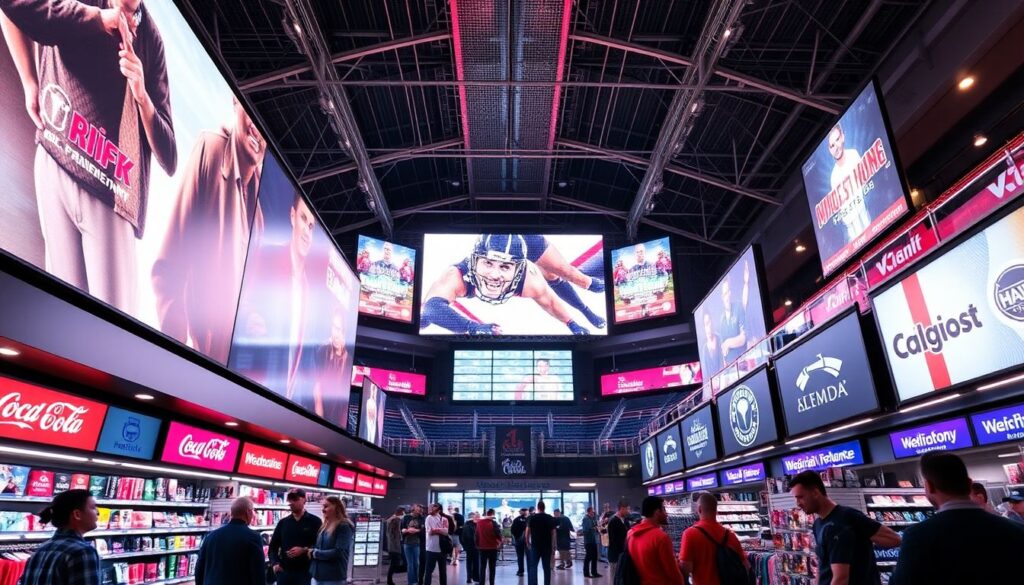
The negocio del fútbol moderno y consumo de los aficionados is driven by several strong forces: broadcasting deals, sponsorships, merchandising, data analytics and tourism. Each one can turn loyalty into a product. Understanding how this works helps both supporters and clubs avoid predictable mistakes and conflicts.
Typical scenarios where loyalty becomes commodified:
- Dynamic ticket pricing and hospitality packages: Prices rise for high-demand games, corporate clients get priority. Mistake: clubs assume loyal fans will «understand the business side» and keep coming, until core groups are gradually priced out and atmosphere collapses.
- Endless shirt and merch releases: Multiple kits per season, collaborations with fashion brands. Mistake: supporters confuse collecting products with defending identity, spending heavily while losing influence on big decisions such as badge changes or stadium moves.
- Content-driven engagement: The club focuses on YouTube, TikTok and streaming, optimised for global clicks. Mistake: the matchday experience and local community initiatives receive less attention, weakening the base that gave the club its authentic image.
- Fan data and personalisation: Apps and loyalty programmes track purchases and interactions. Mistake: using this data only to sell more, not to listen more. Fans become profiles in a CRM system rather than voices in an assembly.
- Tourist and event-based attendance: Stadiums become must-see attractions for visitors. Mistake: reducing local hinchas to background scenery for the «experience» of others, which can accelerate the erosion of the afición futbolera tradicional.
Supporters are not passive here. One frequent error is to accept the framing of «super-fan» as whoever spends most money, instead of whoever contributes most to culture and community. Another is to channel all frustration at marketing staff, rather than understanding that structural decisions are usually taken by ownership and leagues.
- Learn which club actors decide on pricing, branding and scheduling, and address them directly.
- Focus boycotts on specific products or sponsors, not on general attendance, to avoid hurting the team more than the decision-makers.
- Ask clubs to publish clear principles on how they balance revenue targets with supporter access and tradition.
Applied example: A club launches a fourth «limited edition» shirt featuring colours unrelated to its history. Sales are strong online, but the shirt appears more in lifestyle magazines than in the stands. A quick preventative step is for fan groups to negotiate guidelines: limit non-traditional kits, always keep one home kit visually close to historic designs, and involve a supporter panel in approving major visual changes.
Everyday stewardship: fan-led preservation in practice
Guardian behaviour is not limited to spectacular protests. It is built mostly through small, consistent actions that keep local identity alive. These include archiving, story-telling, community work and constructive dialogue with clubs. In this sense, the impacto del marketing en la afición futbolera tradicional can be softened when supporters practise everyday stewardship.
Advantages of active, everyday stewardship by supporters:
- Stronger bargaining power: organised, informed fan groups are harder to ignore in club decision-making.
- Continuity through ownership changes: when investors come and go, fan-led projects keep history and values visible.
- Inclusion of new supporters: clear, welcoming explanations of rituals help newcomers understand and respect local culture.
- Resilience against superficial branding: a rich supporter culture makes generic marketing campaigns look weak by comparison.
- Community credibility: social projects led or supported by fans strengthen the argument that clubs are more than businesses.
Limitations and risks that need attention:
- Volunteer burnout: a small group of committed fans may carry too much workload without support.
- Internal gatekeeping: some guardians of tradition may exclude women, youth or minorities, weakening legitimacy.
- Co-option by clubs: marketing departments may use supporter initiatives as brand assets without sharing power.
- Legal and financial vulnerability: fan groups can face costs or liabilities if they formalise activities without planning.
- Fragmentation: multiple small groups with similar aims but poor coordination can dilute impact.
- Share responsibilities and rotate tasks within supporter groups to prevent burnout.
- Write basic rules about inclusion, decision-making and finances, even for informal collectives.
- Set clear boundaries when collaborating with the club: what can be branded, and what stays independent.
Applied example: In a Spanish city, a supporters’ association archives old fanzines, flags and match programmes, then organises small exhibitions on club history in local bars. When new owners propose changing the badge for a global rebrand, this visible, community-rooted work helps mobilise wider resistance and gives concrete material to explain what exactly would be lost.
Conflicts and compromises: protest, engagement and co-governance
The debate around fútbol moderno vs tradición opiniones de los aficionados often explodes when clubs announce controversial changes. At that point, mistakes on both sides become expensive. Understanding recurring errors allows faster, more effective reactions and prevents conflicts from becoming purely symbolic battles on social media.
Typical mistakes by clubs:
- Announcing, not consulting: treating major changes (badge, stadium, colours, ticket policy) as marketing campaigns rather than shared decisions.
- Relying on short surveys: using quick online polls to claim «fan approval» without real dialogue or transparency about options.
- Framing dissent as disloyalty: labelling protesting supporters as enemies of progress or a vocal minority, instead of listening.
- Separating business and football: saying that «sports decisions are for fans, business decisions are for owners», ignoring how both interact.
Typical mistakes by supporters:
- Reacting only at the last minute: mobilising after contracts are signed, when leverage is reduced.
- Personalising conflict: focusing on insults to executives or players instead of clear demands and alternatives.
- Choosing all-or-nothing tactics: immediate calls for total boycotts or stadium emptiness, which are hard to sustain and can hurt the team.
- Ignoring legal and financial realities: proposing solutions that ignore regulations, debts or league obligations, which weakens arguments.
- Build basic, permanent structures of dialogue: supporter councils, regular open meetings, clear contact points at the club.
- Prepare generic protocols before crises: how to gather opinions, how to vote on actions, how to communicate externally.
- Document precedents in other clubs where fan engagement improved or reversed decisions, to show that compromise is possible.
Applied example: A club in Spain plans to move to a new stadium outside the city. Instead of waiting for final approval, fan groups set up a shared platform months earlier, commission an independent report on social impact, and present realistic alternative proposals. This combination of protest and constructive engagement makes it harder for authorities to ignore supporter concerns.
Measuring impact: indicators of a fan’s role as consumer or guardian
Determining whether a supporter behaves more as consumer or as guardian is not an identity label but a situational assessment. Simple indicators help fans and clubs see where they stand and adjust choices. They also make the cultura del hincha moderno en el fútbol easier to analyse beyond slogans.
Possible indicators of a primarily consumer role include prioritising access to exclusive products, choosing clubs or players to follow based on success cycles, and engaging mainly through digital content without interest in local context. Indicators of a guardian role include involvement in supporter initiatives, defending core symbols, and caring about the broader community around the club.
One quick self-check for a supporter could look like this pseudo-algorithm:
If most of my time and money goes to products and content

  and I rarely participate in supporter decisions or community actions,

then my current role is closer to consumer.

If I regularly invest time in preserving rituals, history or access

  even when it costs comfort or convenience,

then I am acting more as guardian.
- Once per season, list three actions you took that strengthened club culture, not just its revenue.
- When facing a new offer or campaign, ask: what does this do to our traditions and our most vulnerable supporters?
- Balance enjoyment and responsibility; both can coexist if you remain conscious of trade-offs.
Applied example: A fan in Spain holds season tickets, buys one shirt every few years, and spends time helping a youth supporters’ group learn chants and history. When a flashy new international tournament clashes with traditional domestic fixtures, they decide to skip some broadcast games to attend local matches instead. Their choices show that consumption is present, but stewardship clearly guides priorities.
Practical clarifications for supporters and clubs
Is it wrong to enjoy modern football products and still call myself a guardian of tradition?
No. The key is proportion and awareness. If you enjoy new competitions or digital content while also defending core rituals, affordable access and local culture, you are balancing both roles. Problems start when consumption replaces any sense of responsibility.
How can a club quickly detect that it is losing touch with traditional supporters?
Warning signs include quieter atmospheres despite full stadiums, rising organised protests, lower participation in long-standing rituals and growth of unofficial fan channels critical of the board. Regular, structured dialogue with diverse supporter groups is the fastest way to detect and correct this drift.
What fast actions can fans take when a controversial decision is announced?
First, clarify facts and decision-makers. Second, agree on one or two concrete, realistic demands. Third, choose targeted actions such as coordinated banners, partial boycotts of specific products or time-limited protests, rather than unfocused anger or permanent boycotts that are hard to maintain.
Are social media campaigns effective for defending tradition?
They help raise visibility but are rarely enough alone. They work best when combined with offline actions: meetings, formal letters, press work and organised in-stadium messages. Avoid personal attacks; they often allow clubs to dismiss criticism as abuse instead of addressing the content.
How can younger supporters contribute if they lack money or influence?
They can document songs and stories, help with translations and media for supporter groups, welcome newcomers at matches, and participate in surveys or assemblies. Their digital skills are particularly valuable in organising and communicating fan perspectives professionally.
What can marketing departments do to respect tradition while growing revenue?
Involve supporter representatives early in campaigns, protect non-negotiable elements such as colours and badges, and design products that emerge from existing culture instead of imposing external trends. Transparent communication about trade-offs helps avoid backlash and builds long-term trust.
Can tradition justify exclusionary or violent behaviour?
No. Tradition is not a shield for discrimination or aggression. Clubs and fan groups should distinguish clearly between practices that express identity and those that harm others or violate laws. Protecting tradition means strengthening what is valuable, not preserving harmful patterns.