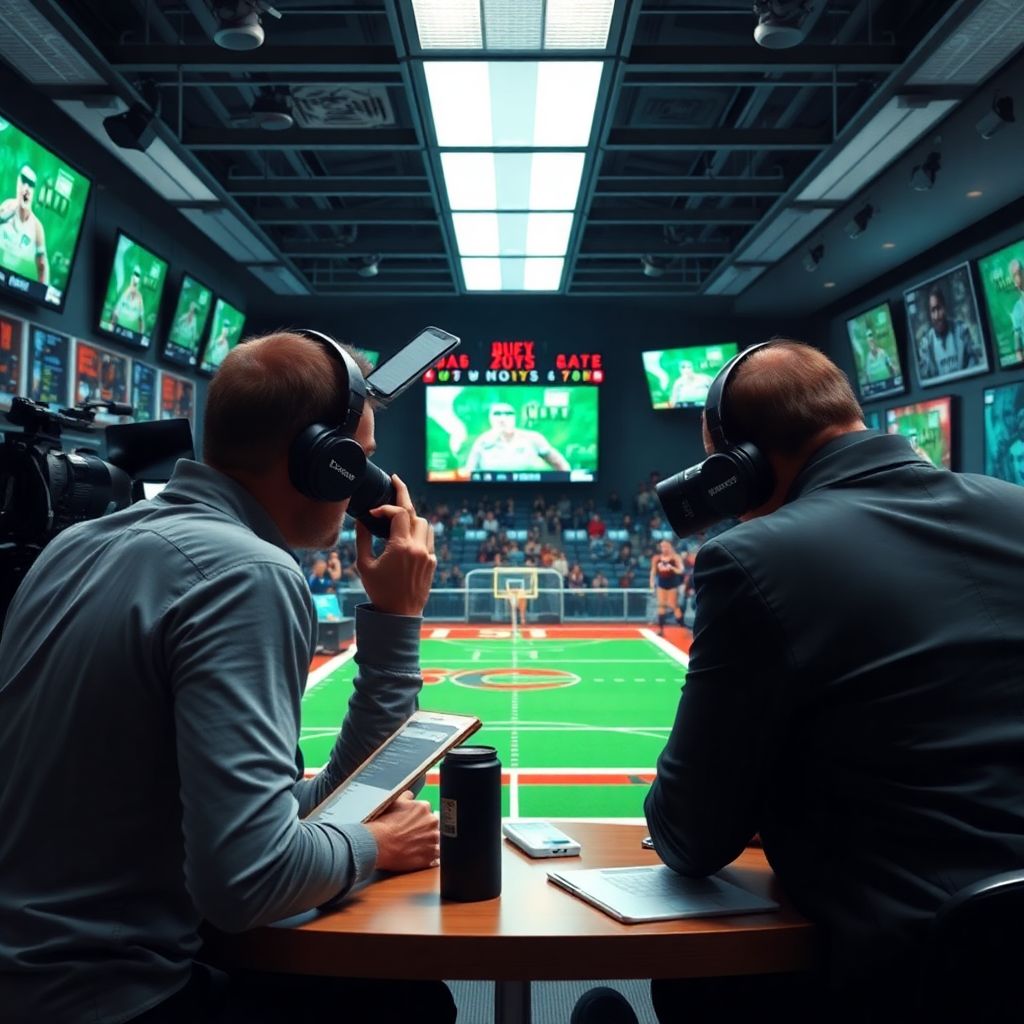
Sports news turns matches into consumable stories by exaggerating conflict, simplifying tactics and centring a few heroes or villains. This narrative packaging helps medios de comunicación deportivos derechos de transmisión extract more value from each game but also distorts reality. Safer coverage means exposing these techniques, adding context and setting clear editorial limits.
Core Findings at a Glance
- Sports coverage increasingly treats each match as an entertainment product, with strict narrative arcs that favour emotion over nuance.
- Common myths exaggerate certainty, rivalry and scandal, pushing journalists to over‑interpret normal sporting randomness.
- Visual and audio tools (replays, music, graphics, reaction shots) are used strategically to manufacture drama and hold attention.
- Economic pressures from sponsorship, publicidad en programas deportivos en vivo tarifas and audience metrics shape how stories are framed.
- Narrative packaging boosts short‑term engagement but can normalise bias, tribalism and shallow tactical understanding.
- Safer practices involve explicit labelling of opinion, transparent sourcing, and editorial checklists for balance and proportionality.
- Clubs, leagues and agencias de marketing especializadas en deportes y medios can collaborate on ethical guidelines without silencing criticism.
Myths About Sports Coverage and the Reality Beneath
The first myth is that sports journalists simply u201creport what happenedu201d. In reality, most outlets work like storytellers who must turn a 90‑minute match into a compact, emotional package that fits a news cycle, sponsor needs and the logic of medios de comunicación deportivos derechos de transmisión.
A second persistent myth claims that the media only follow the public interest: u201cWe show drama because fans want drama.u201d Audience demand matters, but editors, platforms and algoritmos also teach fans what to expect, pushing conflict‑heavy angles while under‑serving sober tactical analysis or structural issues around clubs and leagues.
The third myth says that narrative framing is harmless, because u201cit is just sportu201d. Yet repeated storytelling patterns u2013 heroes vs. traitors, u2018clutchu2019 vs. u2018chokersu2019, u2018mercenariesu2019 vs. u2018one‑club menu2019 u2013 shape how supporters view players, referees and even other fanbases, amplifying polarisation and abuse on social networks.
For a more responsible approach, professionals in Spain and elsewhere can treat narrative as a tool, not as destiny. That means learning to identify typical exaggerations and setting limits: when are we informing and when are we only feeding outrage because it is cheap content?
Narrative Mechanics: How Matches Are Recast as Stories
The myth here is that a match u201cspeaks for itselfu201d. In reality, editors and commentators follow recurring templates to turn chaotic play into clear meaning. Understanding these mechanics helps you both decode coverage and design safer editorial routines.
- Pre‑selecting protagonists. Before kick‑off, producers decide who must become central characters (star striker, under‑pressure coach, controversial referee). Every camera angle, statistic and quote is then filtered through this shortlist, even if the gameu2019s real turning point lies elsewhere.
- Imposing a three‑act structure. Many shows reconstruct the match as setup (tension), crisis (mistake, goal, argument) and resolution (redemption or collapse). Random events like a deflected shot are narrated as moral lessons about courage, hunger or u201clack of personalityu201d.
- Turning tactics into simplified myths. Complex systems become binary labels: offensive vs. defensive, brave vs. cowardly, modern vs. outdated. This makes matches easier to sell but hides how small details, matchups and luck interact across 90 minutes.
- Amplifying controversy as core plot. Fouls, VAR calls and gestures are isolated, zoomed, repeated and debated as if they defined the night. An editorial minute on a tactical adjustment can become ten minutes of outrage about a penalty decision.
- Using social media as narrative fuel. Tweets, memes and fan clips are integrated as u201cthe voice of the peopleu201d, when they are actually highly selected extremes. This feedback loop rewards aggressive hot takes rather than calm interpretation.
- Cross‑platform story extension. A storyline started in a TV debate is extended via podcasts, short vertical videos and estrategias de marketing deportivo en medios digitales so that the same dramatic arc keeps generating clicks long after the match is over.
Visual and Audio Techniques That Manufacture Drama
The myth suggests that cameras and sound just u201ccapture the atmosphereu201d. In practice, directors and technicians deliberately build emotional intensity through specific techniques that can either enrich or distort how a match feels.
- Selective replays and extreme slow motion. Slow motion on a contact, a grimace or a celebration adds weight and moral judgment. A minor push looks vicious; a normal shout becomes u201cuncontrolled furyu201d when isolated and repeated from several angles.
- Highlight montages with music. Edited highlight reels combine the most spectacular or violent actions with cinematic music, cutting out quiet phases of play. The viewer receives a compressed version of football where almost nothing is routine, which can skew expectations for live viewing.
- Close‑ups of pain and anger. Directors cut quickly to faces after a mistake, defeat or refereeing call. These reaction shots are gold for emotional storytelling but can also humiliate individuals or invade private moments of grief or frustration.
- Graphics, tickers and visual labels. On‑screen titles such as u201cCrisis in the dressing room?u201d or u201cReferee scandalu201d frame how people interpret the same images. Even before a panel speaks, the graphic has already told the viewer what to think.
- Audio mixing and crowd mics. Boosting whistles, insults or chants can make tension feel higher than it really was in the stadium. Conversely, lowering hostile noise around controversial sponsors or partners can soften reputational damage.
- Camera choice on streaming platforms. Some plataformas de streaming deportivo mejores opciones offer tactical cams and neutral feeds, but default settings still privilege emotional close‑ups. Choosing wider tactical angles is a simple safe step that reduces artificial drama.
Economic Drivers: Sponsorship, Ratings and Content Design
The comforting myth is that the spectacle grows only because of u201cpassion for the gameu201d. In reality, monetary incentives across TV, radio, digital and streaming heavily influence how each match is turned into a consumable narrative product.
Safer practice begins with recognising that not all revenue pressures are compatible with rigorous journalism. Below are realistic advantages and structural limits of the current model.
Benefits That Make Narrative Spectacle Attractive
- Higher audience retention. Cliffhangers, rivalries and personal storylines keep viewers through half‑time breaks and post‑match talk shows, which is crucial for advertising slots.
- Premium ad and sponsor value. When a programme is framed as u201cmust‑seeu201d drama, publicidad en programas deportivos en vivo tarifas can be negotiated at a higher level, making each live slot financially strategic.
- Stronger brand identity. Outlets can differentiate themselves: one channel as u201cthe passionate debate homeu201d, another as u201ctactical purist heavenu201d. A clear content personality simplifies marketing and subscription campaigns.
- Synergy with digital campaigns. Dramatic storylines translate easily into clips, threads and estrategias de marketing deportivo en medios digitales managed by in‑house teams or external agencias de marketing especializadas en deportes y medios.
Structural Limits and Hidden Risks
- Dependence on rights holders. When medios de comunicación deportivos derechos de transmisión pay large sums, they may soften criticism to protect relationships, limiting investigative work on referees, governance or financial issues.
- Incentive to exaggerate conflict. Outrage and tribal narratives often outperform balanced analysis in metrics, nudging editors to favour polarising voices and reducing space for nuanced discussion.
- Erosion of trust. Persistent over‑dramatization can make fans cynical about coverage, suspecting that every u201ccrisisu201d is manufactured for clicks or sponsors rather than based on real sporting problems.
- Commercial pressure on journalists. Reporters may feel pushed to deliver u201cbig storiesu201d from routine press conferences, blurring lines between information, speculation and pure entertainment.
Audience Dynamics: Why Narrative Packaging Boosts Consumption
A popular myth says that audiences are passive victims of media spectacle. In practice, viewers actively reward certain patterns with attention, shares and subscriptions, helping those same patterns become dominant. Still, there are safe steps audiences and editors can take to rebalance incentives.
- Myth: Fans only care about drama. In reality, many supporters appreciate serious breakdowns, but these often perform slightly worse in short‑term metrics. Editors should accept slightly lower immediate numbers to cultivate a loyal base that values depth.
- Myth: u201cHot takesu201d are what the algorithm wants. Algorithms surface what people engage with. If outlets consistently publish good‑faith analysis and label speculation clearly, they can train sections of their audience to prefer substance over pure outrage.
- Myth: Streaming always means more nuance. Some assume that plataformas de streaming deportivo mejores opciones automatically offer calmer coverage. But the same emotional thumbnails, sensational titles and shouty panels are often replicated unless editorial teams actively design alternatives.
- Myth: Social media is the u201ctrue fan voiceu201d. Social feeds skew toward extremes and highly online users. Treating them as the majority view can push coverage to imitate the angriest or most sarcastic tone rather than reflect stadium culture or local communities.
- Myth: Fans have no influence. When subscribers complain about toxic formats, reward balanced voices and support long‑form analysis with time and money, outlet strategies adjust. Individual actions are small, but collectively they shape what survives.
Operational Tools for More Responsible Match Reporting
The myth is that u201cmore ethicalu201d means u201cless interestingu201d. In practice, you can still build compelling narratives while reducing distortion, by adopting explicit editorial tools. Below is a compact example workflow that a Spanish sports desk could adapt.
Mini‑case: From u201cCrisis Showu201d to Structured, Safer Debate
- Set the frame in advance. Before the programme, the editor defines three angles: pure match analysis, medium‑term team context, and properly sourced off‑pitch issues. Any proposed u201ccrisisu201d must fit one of these and be backed by named sources.
- Label segments clearly. On screen and in promos, distinguish u201cAnalysisu201d, u201cOpinionu201d and u201cRumour & market talku201d. This helps viewers understand which parts are fact‑based and which are speculative commentary.
- Create a bias checklist. Before going live, producers ask: Are we over‑focusing on one club or player? Are we repeating unverified dressing‑room stories? Are we giving time to at least one voice with a calm, non‑tribal tone?
- Balance visuals. Limit humiliating replays of individual errors; combine close‑ups with wider tactical angles; avoid dramatic music on injuries or anger. When in doubt, choose the version that informs without ridiculing.
- Disclose commercial links briefly. If a sponsor is integrated into the set or discussion, mention it once in neutral language. When talking about agencies de marketing especializadas en deportes y medios or club media, clarify whether there is a collaboration agreement.
- Review post‑programme. After each show, the team reviews one segment: Did we oversell conflict? Did a headline or graphic mislead? Were we fair to people who cannot answer live (referees, youth players)? The answers feed a simple internal style guide.
Such a routine does not remove passion or disagreement. It simply introduces conscious limits so that transforming matches into narrative products remains compatible with basic fairness and informative value.
Reader Concerns and Clear Answers
Is it possible to enjoy sports shows without being manipulated by the spectacle?
Yes. Treat panels and highlight shows as entertainment first and information second, then cross‑check key claims with more neutral sources such as written analysis or specialised podcasts. Over time you will recognise recurring exaggeration patterns and enjoy the show without fully buying into its framing.
How can editors reduce drama without losing audience in Spain?
They can keep narrative hooks but shift focus from personal attacks to tactical and structural storylines. Clear labels for opinion, transparent sourcing and diverse on‑air voices usually retain enough engagement while building a more loyal and trusting audience base.
Do live rights and sponsors always compromise journalistic independence?
Not necessarily, but they create pressure points. Independence survives when contracts are transparent internally, editorial lines are written down, and presenters are allowed to criticise poor decisions even if they involve partners, as long as the criticism is evidence‑based and proportionate.
What role do streaming platforms play in making sport more of a spectacle?

Streaming adds flexibility in camera angles, alternate commentaries and on‑demand content, which can either calm or intensify drama. If platforms prioritise sensational thumbnails, shouty formats and algorithm‑friendly outrage clips, they will simply replicate the loudest parts of traditional TV.
Can fans really influence the tone of sports media coverage?
Yes, although slowly. Subscribing to responsible outlets, supporting nuanced analysts and refusing to spread outrage clips sends measurable signals. When metrics show that balanced formats are financially sustainable, managers are more willing to protect them against short‑term sensationalism.
Are marketing agencies always pushing for more hype and less substance?

Some are, but many agencias de marketing especializadas en deportes y medios understand that long‑term brand health depends on credibility. Clubs, leagues and broadcasters can choose partners who accept ethical standards on transparency, data use and respect for players and fans.
What simple checks can journalists apply before calling something a u2018crisisu2019?
Ask whether the situation is new, whether it is structurally significant, and whether at least two independent, named sources confirm it. If the answer is no, no and no, it is probably safer to describe it as a setback, dispute or rumour rather than a full crisis.