
Football as a secular religion means that many fans treat the game like a faith: with rituals, sacred places, myths, heroes, fallen idols and stories of redemption. It shapes identity, gives meaning and community, but also has limits and risks that require conscious, safe ways of participation.
Foundational Ideas: Football as a Secular Faith
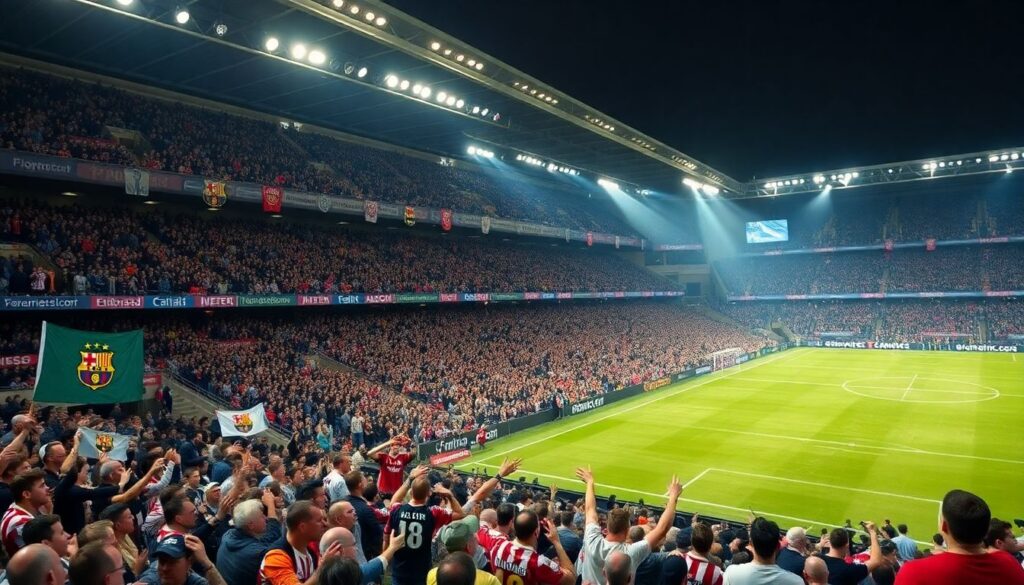
- Football functions as a secular faith when it provides belonging, moral codes, rituals and shared stories without requiring supernatural belief.
- Stadiums, shirts, chants and club crests work as sacred symbols that separate «inside the group» from «outside the group».
- Myths about clubs, matches and players organise how fans remember the past and imagine the future.
- Heroes and fallen idols embody community hopes and fears; their rise and decline is never only individual.
- Redemption narratives allow communities to repair trust after scandals, but they can also excuse repeated harmful behaviour.
- The religious style of football passion can mobilise people for positive civic action or for exclusion, aggression and manipulation.
Origins of the Cult: Historical Roots of Football Fervor
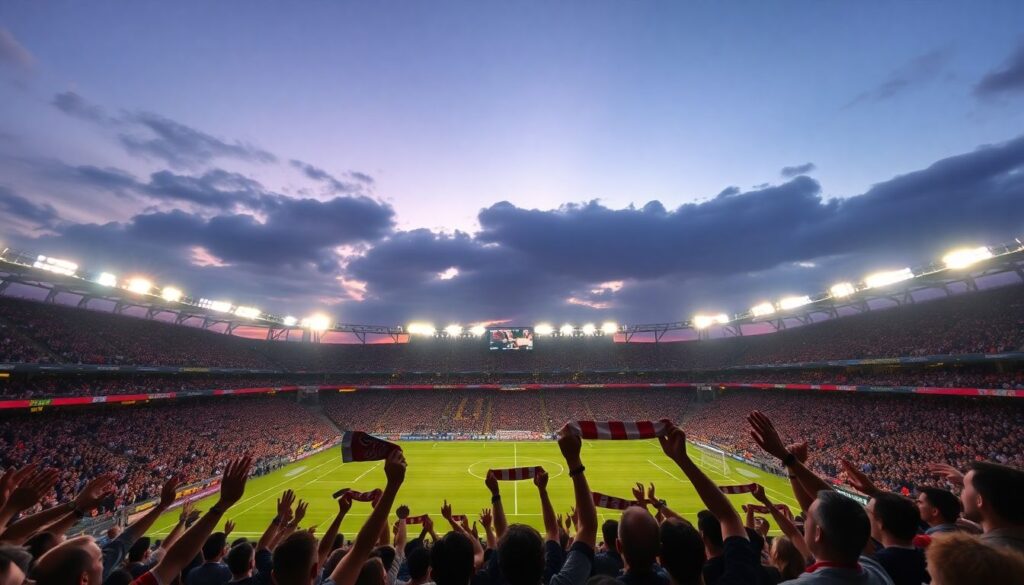
Calling football a secular religion does not mean that it replaces churches in a simple way. It means that, as the influence of traditional religious institutions declined in many European societies, football clubs and national teams started to fill part of the emotional and symbolic space left behind.
Modern football developed together with urban industrial life. Workers needed common leisure, cities needed shared identities that crossed class and neighbourhood lines. Clubs in Spain, England, Italy or Latin America quickly became symbols of local pride, political projects or regional cultures, turning matches into weekly rituals similar to religious gatherings.
Over time, certain clubs gained near-sacred status in their territories. In cities like Barcelona, Bilbao or Sevilla, the club shirt could express language, regional identity or social class. Fans learned songs, stories and taboos the same way believers learn prayers and doctrines. This is where the comparison with religion becomes analytically useful.
To understand this phenomenon in depth, many readers look for libros sobre fútbol como religión y sociedad or ensayos académicos sobre fútbol religión secular para comprar online. These works show how media, commercial interests and fan organisations together created a durable cultural system that feels religious in form, even when it is fully secular in content.
Rituals and Symbols: Stadiums, Chants and Iconography
The religious tone of football shows itself most clearly in everyday practices and physical symbols.
- Stadium as sacred space. For many supporters the stadium is a «temple» where normal rules of time and behaviour are suspended. Match day routines (same bar, same metro line, same gate) resemble pilgrimage patterns.
- Chants as collective prayer. Group singing unifies thousands of bodies and voices into one. The lyrics often recall miracles, battles, betrayal or salvation, reinforcing a shared worldview and emotional rhythm.
- Colours and crests as icons. Club colours, scarves and badges work like religious icons: visible, portable and emotionally loaded. Burning or changing a shirt is treated as a moral event, not an ordinary choice.
- Match-day rituals at home. Not every fan goes to the stadium. Many repeat small rituals in bars or living rooms: sitting in the same place, wearing a specific jersey, watching with the same group, almost like domestic liturgies.
- Commemorations and anniversaries. Clubs and fan groups mark «holy dates» such as legendary finals, promotions or tragedies with ceremonies, mosaics, plaques and moments of silence, very close to religious memorial practices.
- Media as liturgical calendar. TV schedules, football radio shows and online highlights create a weekly cycle of anticipation, celebration and mourning that structures time similarly to a religious calendar.
Myths and Collective Narratives: Story-Making in Supporter Cultures
Myths in football are not lies; they are simplified stories that make complex realities emotionally manageable. They connect individual memories to a larger narrative of identity, glory and suffering.
- Founding legends. Stories about how a club was founded by workers, students or political minorities help justify current values. Details may be polished over time, but the function is to say: «This is who we are and why we exist.»
- Epic victories and «miracles». Comebacks in the last minute, wins against much richer teams, or survival in a relegation battle are retold as miracles. They become reference points for hope whenever the club faces new crises.
- Glorious defeats and noble suffering. Some clubs build identity around losing with style or honour. Supporters present themselves as morally superior because they remain loyal despite constant disappointment.
- Derby enmities and moral maps. Local rivalries are framed as good-versus-evil dramas. Each side claims to represent authenticity, purity or victimhood, turning the rival into a useful «Other» that clarifies self-identity.
- Stories of resurrection. Financial collapses, demotions or stadium disasters are later retold as moments of death and rebirth. Survival proves the club is «eternal» and makes loyalty feel sacred.
To see how these stories are constructed visually and emotionally, documentales sobre mitos y héroes caídos del fútbol can be especially helpful. They often slow down key moments and include fan testimonies that show how myth-making works in real time.
Heroes and Fallen Idols: Mechanisms of Adulation and Decline
Players, coaches and sometimes even ultra leaders become symbolic figures onto whom communities project hopes and anxieties. Their treatment follows a recognisable pattern of idealisation, testing, fall and possible forgiveness.
Constructive potentials of adulation
- Embodied role models. Heroes show young fans concrete examples of discipline, creativity and teamwork. They translate abstract club values into visible behaviour on the pitch.
- Shared emotional focus. Admiration for a star can unify divided fan groups. Even people who disagree about tactics can agree on the symbolic importance of a legendary captain or coach.
- Crossing social boundaries. Heroes who come from marginalised backgrounds demonstrate that class, region or ethnicity do not fully determine destiny, creating powerful identification opportunities.
- Narrative continuity. Linking each generation to one or two emblematic players gives the community a sense of historical flow: from the old idol to the current star, the story never stops.
Risks and limitations of idolisation
- Unrealistic expectations. Treating players like saints invites disappointment. Injuries, ageing or ordinary mistakes then feel like moral failures instead of normal human limits.
- Scapegoating dynamics. When results are bad, the former hero can become the main target of hate, often more than club owners or structural problems that are actually responsible.
- Privacy erosion. Fans who expect constant access to their idols through social media or public appearances can pressure them into unhealthy exposure and burnout.
- Moral double standards. Idol status can lead clubs and supporters to minimise serious misconduct. Harmful behaviour may be excused «for the good of the team» instead of being addressed fairly.
- Instrumentalisation by power. Political or commercial actors can use heroes as symbols to sell products or ideologies, diluting the authentic bond between player and supporters.
Redemption Narratives: How Return Stories Restore Communal Trust
Redemption stories organise how communities respond when a hero fails. They can humanise players and teach growth, but they also risk trivialising harm. Understanding common errors around redemption helps maintain ethical limits.
- Confusing sporting comeback with moral repair. Scoring goals again is not the same as taking responsibility for past actions. A brilliant season does not automatically cancel damage done off the pitch.
- Skipping the recognition of victims. Many narratives celebrate the «return» of a star without mentioning those who suffered from their behaviour. Genuine redemption requires visible care for affected people.
- Framing criticism as betrayal. When fans who question fast forgiveness are treated as disloyal, communities lose internal checks and silence important ethical debates.
- Romanticising self-destruction. Presenting addiction, violence or repeated rule-breaking as signs of rebellious genius can make destructive behaviour look attractive to young supporters.
- Turning repentance into performance. Public apologies that are clearly scripted or purely strategic can deepen cynicism. People sense when a redemption arc is engineered only to protect commercial value.
- Ignoring systemic factors. Over-focusing on an individual villain or hero hides structural issues: governance failures, financial pressures or toxic fan cultures that helped create the crisis.
Some of the mejores libros de fútbol sobre redención y segundas oportunidades show carefully how a convincing redemption path includes time, consistency and boundaries, not just emotional moments or marketing campaigns.
Broader Effects: Political Mobilization, Identity and Social Capital
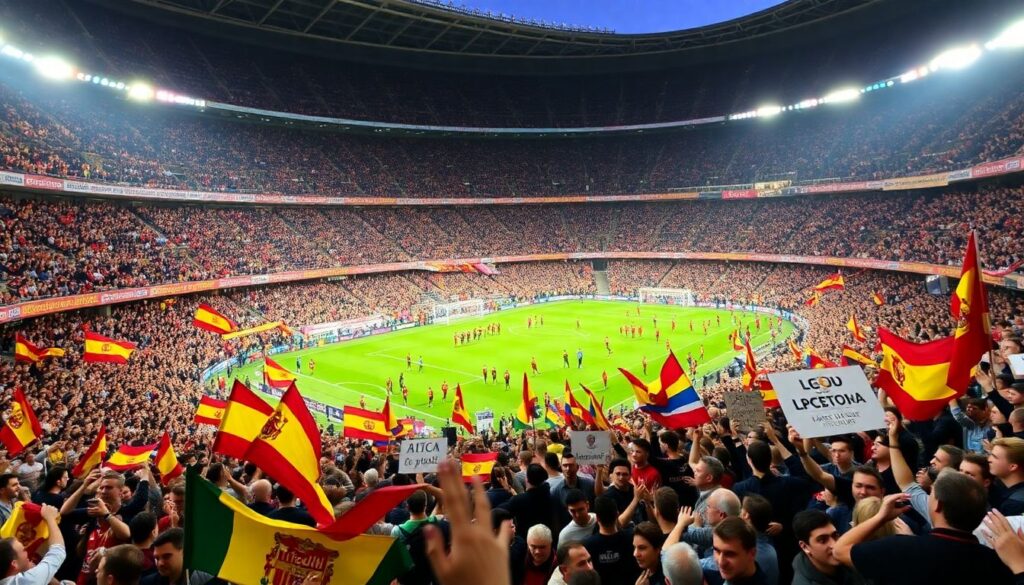
Because football already mobilises emotions, bodies and time, it can be used for purposes that go far beyond sport. In Spain and other countries, club symbols often intersect with regional flags, party colours or social movements, making the stadium a testing ground for political expression.
When handled with care, this can strengthen democratic life. Fan groups can organise campaigns against racism, demand transparency from club owners or raise funds for local causes. Here, football works as a generator of social capital: people learn to cooperate, debate and build projects together.
However, the same mechanisms can be used to reinforce exclusion, nationalism or intolerance. Populist leaders sometimes borrow football language and rituals to simplify complex problems into «us versus them» stories, using clubs or national teams as emotional shortcuts.
Many cursos online sobre sociología del fútbol y cultura futbolera teach methods to analyse when football engagement creates inclusive bonds and when it produces closed, aggressive identities. They encourage fans, journalists and community leaders to reflect on their own participation and limits.
Personal checklist: safe engagement with football as a secular faith
- Can I enjoy my club without insulting or dehumanising rivals, even during high tension matches?
- Do I clearly separate admiration for players from blind tolerance of harmful behaviour?
- When I share myths or legendary stories, do I also recognise complex realities behind them?
- Am I able to miss a match or step back from debates if my mental health or relationships need it?
- Do I support initiatives that use football energy for inclusive, constructive community projects?
Practical Questions and Short Answers for Interpreting the Phenomenon
Is it accurate to say that football is a religion?
It is more precise to say that football behaves like a religion in some aspects: rituals, myths, heroes and sacred spaces. The term «secular religion» is an analytic metaphor, not a claim that football literally replaces spiritual beliefs.
How can I study this topic more seriously?
You can combine libros sobre fútbol como religión y sociedad with ensayos académicos sobre fútbol religión secular para comprar online, then compare their approaches. Academic texts provide concepts and methods; narrative books and documentales sobre mitos y héroes caídos del fútbol offer rich examples.
Where is the ethical line for fan devotion?
A healthy line is crossed when loyalty justifies violence, insults, discrimination or the protection of serious misconduct. Passion is compatible with limits: respecting others, accepting defeat and prioritising human wellbeing over results.
Can redemption stories be positive for young fans?
Yes, if they include responsibility, repair and long-term change, not only dramatic returns to form. Adults should explain that second chances do not erase consequences but show that learning and growth are still possible.
Why do some clubs produce stronger «religious» feelings than others?
Usually because their histories mix sport with wider conflicts: class, region, language, dictatorship or migration. In such cases, supporting the club also means joining a broader story about justice, memory or pride.
How can educators and coaches use these ideas safely?
They can borrow positive aspects of ritual and myth-belonging, shared songs, role models-while openly discussing limits. Emphasis should be on respect, self-critique and life beyond football, especially for children and teenagers.
Are there risks in using football for political messages?
Yes. While campaigns against discrimination or for community solidarity can be powerful, reducing complex politics to fan slogans can polarise groups. Clear communication and voluntary participation are essential safeguards.