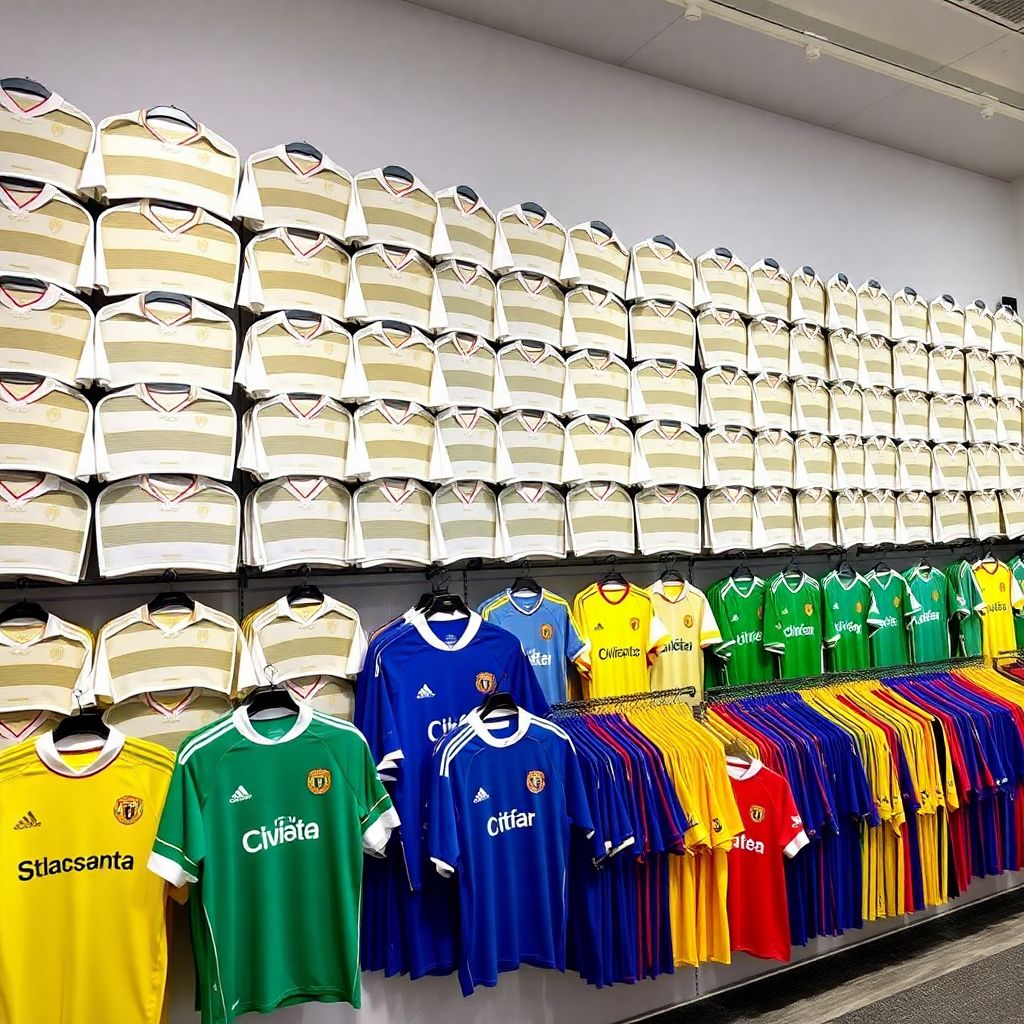
Big sports brands shape football aesthetics by standardising shirt designs, colour templates and boot models across clubs and leagues. This strengthens global recognition and merchandising power but often dilutes local identity, historic symbols and community stories that once made a club visually unique, from its crest and stripes to its grassroots-inspired colours.
Core arguments at a glance
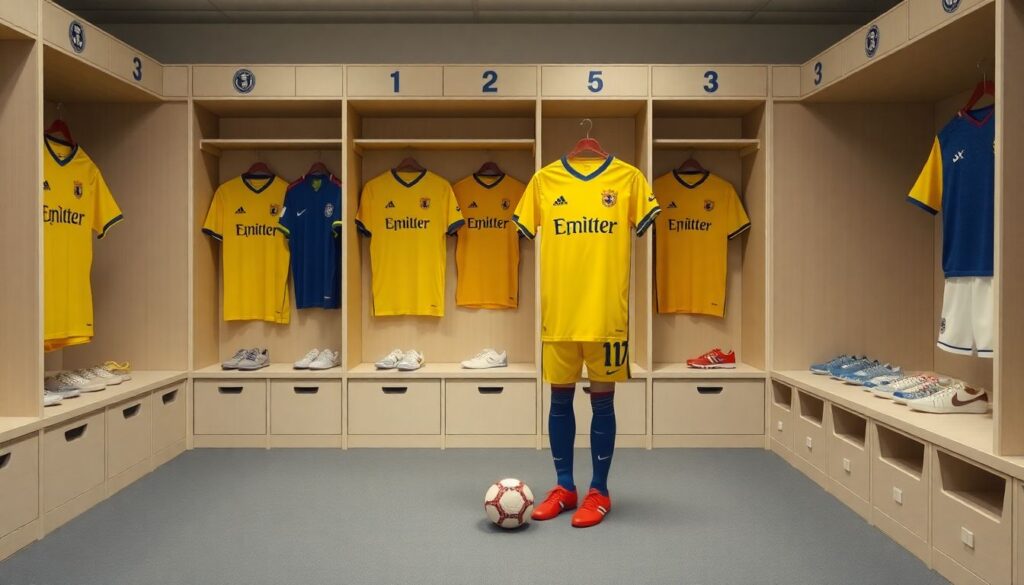
- Global brands turn kits and boots into marketing surfaces, not just performance gear.
- Templates and shared colour palettes standardise club looks across countries and competitions.
- Heritage details survive mainly when they help to sell nostalgia-driven products.
- Boots now signal endorsement deals and status more than local style or practicality.
- Fans push back through protests, retro collections and collaborative design projects.
- Clubs and federations can protect identity with clear design rules and long-term partners.
Brand-driven visual identity: how sponsors shape club aesthetics
Brand-driven visual identity in football is the process by which global sports companies define how clubs, players and even entire leagues look on the pitch. Logos, templates, colour schemes and graphic patterns are aligned first with brand guidelines and only second with a club’s own history, culture and neighbourhood symbols.
For major shirt deals, sponsors often propose a small family of base templates that will be used across dozens of teams. This is why some camisetas de fútbol originales de grandes marcas in LaLiga, Premier League or Serie A look strangely similar: sleeve cuffs, collar shapes and geometric patterns repeat, just recoloured and overlaid with a different crest and main sponsor.
Boots follow the same logic. Colour packs are launched globally so that the biggest stars promote one or two hero models. The player becomes a moving billboard, and the team’s traditional palette is visually dominated by neon or metallic tones chosen in brand headquarters, not by a local kit man in Spain or Argentina.
Local identity does not disappear completely, but it is curated. Historic stripes, city flags or regional symbols are often shifted to secondary positions or turned into small «storytelling» details inside the collar or on the back neck. They are still present, yet less readable from the stands or TV because the main composition must showcase the brand aesthetic first.
The evolution of the football kit: from practical gear to marketing canvas
The shift from simple, practical shirts to fully branded canvases happened gradually but follows a clear sequence.
- Functional beginnings. Early kits prioritised contrast and practicality: cotton fabrics, solid colours, simple stripes. Brands were mostly manufacturers, with discrete labels and almost no visual say over club identity.
- Introduction of shirt sponsorship. Once front-of-shirt sponsors arrived, kits became walking advertisements. Club colours still dominated, but layout decisions started to consider logo readability and broadcast visibility.
- Rise of template design. As brands expanded globally, they centralised design. One master template, used across leagues, cut costs and created instant brand recognition. Fans began to notice that a top club in Spain and another in Germany shared almost identical patterns.
- Merchandising and special editions. Commercial departments discovered that alternative designs sell. Third kits, special drops and regional editions appear seasonally, encouraging fans to comprar camisetas de fútbol edición especial clubes europeos on top of the regular home shirt.
- Nostalgia as a product. Retro is «repackaged» through official collections. Today, camisetas de fútbol retro oficiales colección grandes equipos are not only fan-curated; they are formal product lines designed to monetise memory while still fitting modern brand guidelines.
- Full ecosystem integration. Kits, training wear, lifestyle apparel and even travel outfits are aligned. A club becomes a lifestyle label operating inside a larger corporate architecture, from stadium shop to airline partnerships.
- Data-driven drops. Design cycles increasingly respond to global sales data: best-selling colours, pattern types and name-print combinations steer next season’s visual choices, sometimes more strongly than local fan councils or heritage committees.
Boots as cultural signals: endorsements, technology and player image
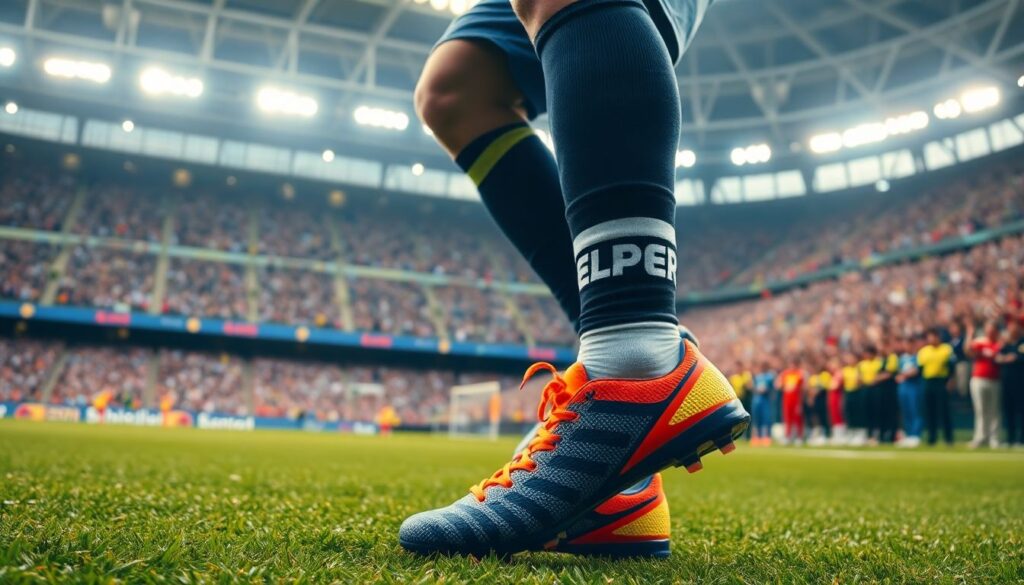
Football boots have travelled from anonymous tools to powerful cultural messages tied to money, prestige and identity. A player’s choice is rarely neutral; it shapes how fans interpret status, loyalty and style on and off the pitch.
1. Superstars as brand anchors. Elite players sign long-term endorsement deals that define whole boot lines. The message to consumers is clear: wearing similar zapatillas de fútbol personalizadas marcas famosas brings you closer to the skill, flair or leadership of that idol, even if in reality performance differences are marginal for amateurs.
2. Colour packs as shared visual language. When a brand releases a specific colour pack, top professionals across leagues switch to that palette simultaneously. On a weekend in LaLiga or the Champions League, you see clusters of identical neon or gradient boots, signalling a coordinated campaign rather than personal taste or club identity.
3. Tech storytelling versus real needs. High-end models highlight micro-innovations in control, speed or touch. The story sells an idea of scientific superiority, while many semi-pros in Spain actually look for botas de fútbol Nike Adidas Puma mejores precios that balance durability and comfort over gimmicks. The visual effect in broadcasts, however, is dominated by the top-tier models.
4. Local players, global brands. In regional or youth leagues, it is common to see teams full of the same two or three big-brand silhouettes. Local boot-makers or traditional black leather styles almost disappear, replaced by global fashion cycles copying what is seen on television and social media.
5. Customisation as status play. Names, flags and numbers stitched on boots used to highlight personal roots. Now, for many professionals, customisation is coordinated by brand reps and stylists; it becomes another layer of controlled storytelling rather than a purely spontaneous nod to hometowns or families.
Commercialization versus local heritage: mechanisms of identity loss
Commercial logic offers benefits but also risks when it dominates how football looks and feels.
Upsides of brand-driven aesthetics
- Clubs gain financial stability from major kit and boot deals, enabling investment in academies, women’s teams and infrastructure.
- Global visibility increases when a club joins the same brand ecosystem as superstars, leagues and national teams, enhancing sponsorship appeal.
- Fans enjoy a wide range of products: from performance gear to lifestyle apparel, limited editions and accessible replicas in many price tiers.
- Design quality and fabric technology usually improve thanks to advanced R&D and strict manufacturing standards.
Downsides and identity risks
- Visual homogenisation weakens local symbols; many shirts and boots look interchangeable aside from crest and main sponsor.
- Short-term design cycles chase trends, placing seasonal fashion above long-term club storytelling and regional culture.
- Minority colours, historic patterns or political references can be removed if they conflict with global brand risk policies.
- Matchday experiences feel less rooted when stadiums, shops and fan zones mirror global retail environments rather than neighbourhood culture.
- Younger fans may connect more strongly to brands and players than to the specific local history of the badge they wear.
Fan agency and counter-design: protests, retro revivals and co-creation
Supporters are not passive. They use design, purchasing choices and public pressure to defend what they see as «their» club’s authentic look and to challenge over-commercialisation.
- Myth: fans only care about winning, not design. In reality, shirt launches that ignore heritage often trigger boycotts, protest banners and even public apologies from clubs. Design becomes a visible battleground where power relations between boardrooms and terraces are negotiated.
- Myth: retro is just conservative nostalgia. When fans embrace camisetas de fútbol retro oficiales colección grandes equipos, they are not only looking backwards. They use those designs to make a statement: «This is the club we recognise,» contrasting them with current, heavily branded templates.
- Myth: more options automatically mean more freedom. Having many special drops and lifestyle lines can still feel restrictive if all of them repeat the same corporate logic. The true alternative might be unofficial fan-made designs that reintroduce local motifs or political messages.
- Myth: limited editions are always positive. While some special kits honour cities or anniversaries, others exist mainly to generate sales spikes. Fans who comprar camisetas de fútbol edición especial clubes europeos should critically check whether the story behind a drop genuinely connects to club culture or just follows a marketing calendar.
- Myth: custom boots fully express individuality. In practice, many «personalised» designs follow brand-approved palettes and templates. Authentic personal touches-local symbols, grassroots clubs, social causes-often appear only in small, easily missed details.
- Myth: local shops do not matter anymore. Independent retailers and small online projects that curate camisetas de fútbol originales de grandes marcas or niche models can educate fans about heritage, context and alternatives, counterbalancing purely sales-driven narratives.
Policy levers and club strategies to reclaim or protect local identity

Clubs and governing bodies can rebalance the relationship between commercial power and local identity by setting deliberate rules and forming more equal partnerships with brands.
One practical example is a medium-sized European club negotiating a new long-term kit deal. Instead of accepting a generic template, the club presents a documented identity brief: historical photos, fan surveys, local flag elements and non-negotiable colours. The contract includes clauses that guarantee continuity of key symbols on all main kits over several seasons and a structured process for involving supporter groups in early-stage design reviews.
At the federation level, some leagues already regulate shirt advertising spaces, colour clashes and visibility standards. Extending such regulations to protect core elements-home colours, crest integrity, maximum number of special kits per season-would reduce the risk of short-term commercial experiments undermining identity. Municipal authorities and supporter trusts can also participate by formally recognising certain visual markers (like traditional stripes or city emblems) as intangible cultural heritage to be respected in official representations.
Brands can still innovate within these frameworks, focusing on fabric technology, sustainability and subtle graphical storytelling while accepting that the primary «owner» of the visual identity is the community around the club, not the marketing team. In a region like Spain, where local pride and neighbourhood ties are strong, this shared-control model can create more loyal, long-term consumers than a purely trend-driven design approach.
Quick practical tips for identity-conscious fans
Supporters who care about aesthetics and local culture can act strategically rather than emotionally.
- Prioritise products that clearly feature historic colours and symbols over generic lifestyle items.
- Use social media and supporter groups to give specific, constructive feedback on kit leaks, not just general complaints.
- Support independent or local retailers who explain design stories instead of pushing only the latest trend pack.
- When choosing zapatillas de fútbol personalizadas marcas famosas, add personal elements (local club, barrio, social cause) that go beyond flag and name.
- Ask clubs to share more about the design process and to publish heritage guidelines they commit to following.
End-of-article self-checklist: preserving football identity
- Have you identified which visual elements of your club (colours, patterns, symbols) feel truly non-negotiable?
- Do your purchasing decisions reward designs that respect local heritage more than purely trendy drops?
- Are you involved in at least one organised fan channel that comments on kit and branding decisions?
- When discussing aesthetics online, do you provide concrete examples and alternatives instead of only criticism?
- Have you explored how smaller brands or classic black boots could fit your game, beyond big-name marketing?
Practical clarifications and actionable questions
How can I balance supporting my club and rejecting a kit design I dislike?
You can buy older or retro versions, support the team by attending matches or watching broadcasts, and clearly communicate to the club why you are skipping the new release. This signals loyalty to the badge but not to every commercial decision.
Are template-based shirts always bad for local identity?
Not always. Templates become a problem when they erase core symbols or colours. If a template respects the club’s defining visual markers and only standardises technical details, the impact on identity can be limited.
Do expensive boots really improve performance for amateur players?
For most amateurs, fit, comfort and pitch type matter more than top-tier tech. Mid-range models from big brands can perform very well; investing time in trying several pairs is usually more important than chasing the most expensive line.
Is buying retro shirts a good way to defend club heritage?
It can be, especially if the designs highlight historic colours and patterns that current kits ignore. Retro purchases send a commercial signal that tradition sells, but combining them with organised feedback to the club is even more effective.
How can local identity survive when players change clubs so often?
Identity should rest primarily on club symbols, community stories and fan culture rather than individual players. Stable visual elements-crest, colours, classic designs-help maintain continuity even when the squad changes frequently.
What role do small or independent brands play in football aesthetics?
They can experiment with more locally rooted designs, slower product cycles and closer dialogue with fans. While their reach is smaller, they often act as laboratories showing big brands that authenticity and storytelling can also sell.
Can leagues or federations realistically limit commercialisation of kits?
Yes, if they set clear regulations about advertising size, number of alternative kits and protection of traditional colours. Political will and support from major clubs and fan groups are crucial to make such rules stick.
Комментарии