
Social media turns every match, gesture and comment into a public story that can turn athletes into idols or «villains» overnight. It amplifies highlights, slows down controversies, and lets fans and media reinterpret the game in real time. Managing perception now requires deliberate content, timing and crisis responses.
Core insights on how social media reshapes sports perception
- Perception of the game is filtered through short clips, captions and memes, not full matches.
- Athletes’ personas are built on and off the pitch; silence is also a narrative.
- Algorithms reward extremes: spectacular goals, conflicts, tears, and outrage.
- Fandom can flip into online mob behaviour when frustrations need a target.
- Commercial value now depends on narrative control as much as on pure performance.
- Professional reputation management and crisis services are becoming core support for top players.
- Restorative stories and consistent behaviour can gradually turn a «villain» arc into a redemption arc.
How platforms amplify athlete personas
Social media platforms act as massive narrative engines. They do not just show what happens in a match; they pick, repeat and exaggerate certain angles. For athletes, this means that a public persona is built continuously from goals, mistakes, celebrations, interviews, family life and even training routines.
An athlete’s feed merges three layers: the professional (performance and tactics), the emotional (reactions, celebrations, frustrations) and the human (values, hobbies, causes). When these layers are aligned, perception stabilises. When they clash, confusion appears and audiences fill gaps with speculation, jokes or hostility.
In practice, this is why gestión de reputación en redes sociales para deportistas e ídolos deportivos is no longer «optional PR», but core performance infrastructure. The player that controls their message, tone and timing gains a shield during bad form, injuries or controversial calls and multiplies impact in good times.
For clubs and agents in Spain, a solid plan usually combines three pillars:
- Editorial line: what themes the athlete stands for (work ethic, humility, humour, social causes, local roots).
- Format map: which content goes to Instagram, TikTok, X, Twitch, YouTube and in what style.
- Response rules: how to reply to criticism, rumours, or provocation, and when to stay silent.
Algorithms and the construction of heroes
Algorithms decide which moments from the game and from an athlete’s life get seen and repeated. They privilege content that keeps people hooked, reacting and sharing. This silently shapes who becomes a «hero», who stays invisible and who is framed as a «villain». Key mechanics include:
- Engagement-first sorting: Posts with spikes in likes, comments and watch time are pushed to more timelines, so spectacular goals or heated confrontations travel further than quiet consistency.
- Watch-time obsession: Slow-motion replays of fouls, dives or confrontations reward outrage and endless debate, keeping controversies alive far longer than the actual match.
- Personalisation loops: If a fan interacts mainly with content praising a player, they see more of that praise; critics see more criticism. The athlete lives in parallel reputations depending on the audience segment.
- Sound and meme culture: A single celebration, phrase or mistake combined with a trending audio can define a narrative arc for weeks or months.
- Cross-platform echo: A clip that explodes on TikTok is quickly imported to Twitter/X, TV talk shows and fan podcasts, solidifying a specific interpretation of the athlete’s character.
- Recency bias: Algorithms favour what is new, so a single bad game can temporarily override a long history of excellence in the conversation.
Because of this, an agencia de marketing deportivo en redes sociales para jugadores famosos cannot treat each post as isolated. Every clip is a potential story-starter that algorithms might elevate, for good or bad. The aim is to feed the system with content that is engaging but aligned with the long-term image of the player.
Everyday scenarios where these mechanisms hit hard
Three frequent situations show how algorithm dynamics translate into practice:
- Penalty miss under pressure: A short clip of the miss plus memes spreads faster than any nuance about form, injuries or tactics. Immediate actions: publish a short, accountable message, show training clips the next day, and let coaches or teammates publicly back the player.
- Touchline argument: Cameras capture shouting between a player and coach. Clips dominate timelines. Response: frame it as competitive tension, post behind-the-scenes footage showing normal interaction, and avoid sarcastic posts that look disrespectful.
- Charity action ignored: An athlete funds a local project, but the content is «too calm» to go viral. Solution: design narrative-friendly storytelling (before/after, faces, testimonies) so positive actions also enter algorithmic loops, not just controversies.
From fandom to mob: virality and vilification
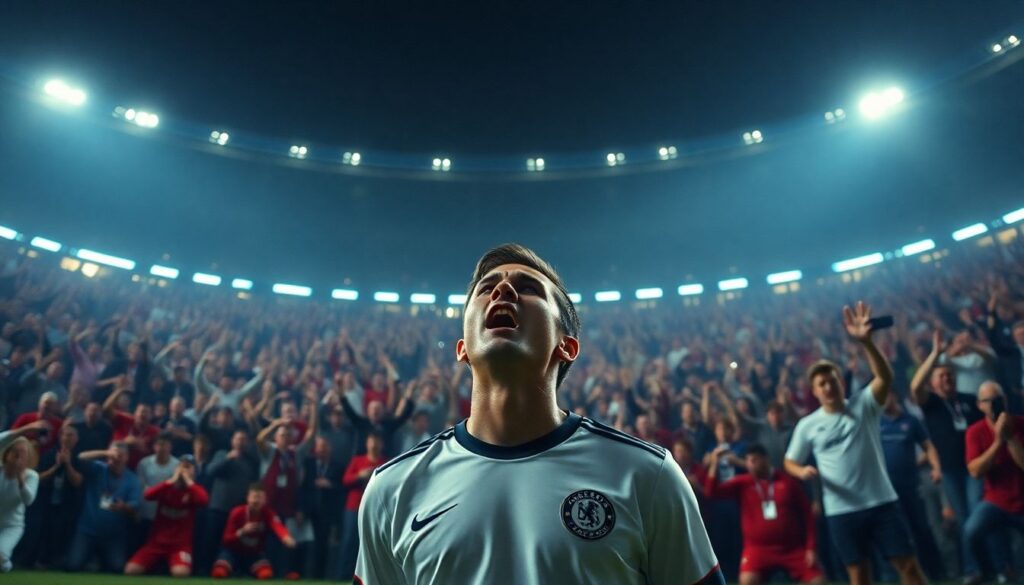
The same energy that creates loyal fandoms can flip into hostile mobs, especially when teams underperform or rivals provoke. Social media offers fans an immediate outlet for frustration and identity defence, often with little context or empathy. Typical scenarios include:
- Scapegoating after defeats: One player (often the star or the newcomer) is blamed for team failures. Clips of errors or «lack of effort» circulate without tactical context. Without guidance, anger escalates from fair criticism to insults and threats.
- Rival fan pile-ons: A controversial tackle or celebration becomes a signal for rival communities to coordinate mockery. Hashtags and memes lock the player in a «villain» role far beyond the original incident.
- Media amplification loops: Traditional media picks up trending outrage, turning niche social anger into segment topics. Comment sections then fuel more attacks, reinforcing the negative image.
- Domestic vs international narratives: In Spain, local media might protect a national star, while international accounts paint the same person as arrogant or dirty. Players and staff must track both worlds.
- Historical baggage: Old posts, past controversies or youthful mistakes are resurfaced whenever a new incident appears, building the idea of a «pattern» even if the athlete has evolved.
For clubs, federations and agents, servicios de manejo de crisis en redes sociales para figuras públicas y ‘villanos’ del deporte mean having pre-agreed protocols: data gathering (what really happened, what clips are spreading), message design, spokesperson coordination and mental-health support structures for the athlete.
Microcontent, highlights and the compression of skill
Social media prefers microcontent: 10-30 second plays, reactions and edits. This compresses complex skills and tactics into digestible clips, which helps visibility but distorts understanding. A midfielder’s positioning intelligence or a defender’s leadership without the ball rarely go viral compared with a nutmeg or a brawl.
For analysts, coaches and player advisors, the challenge is to use microcontent to educate, not just to entertain. That requires editing sequences that show the «invisible» work: pressing triggers, cover shadows, communication, decision-making without the ball, and not only the spectacular outcome.
Upsides of the microcontent era for athletes and teams
- Well-edited highlights can showcase strengths to global audiences who never watch full matches.
- Younger fans discover new leagues and players via short clips instead of traditional TV bundles.
- Clubs can humanise squads with training, locker-room and travel snippets that build emotional connection.
- Analysts can create short educational breakdowns that raise the game’s tactical literacy among supporters.
- Injury comebacks and long-term projects can be narrated as series of small, visible steps.
Risks and limitations of highlight-driven perception
- Players with less «flashy» roles are undervalued or mocked as «invisible» despite crucial contributions.
- Fans judge form from compilations made by biased accounts rather than full-match performance.
- One isolated mistake or provocation clip can overshadow months of solid work.
- Coaches face pressure to align tactics with social media expectations, not just sporting logic.
- Younger athletes may chase viral moments (tricks, risky plays) at the expense of team structure.
Monetisation, sponsorships and shifting power dynamics
As audiences move online, sponsorships increasingly value direct influence over classic TV exposure. A player with a strong, trusted presence on TikTok or Instagram can have more commercial leverage than teammates with equal or better on-pitch performance but weaker digital brands.
This shift brings opportunities, but also new errors and myths that damage careers and locker-rooms. Some of the most frequent include:
- Myth: «Any engagement is good engagement»
Reality: Brands avoid permanent polemics. Constant conflict, insults or mockery can close doors, even if metrics look high. Agencies must balance humour with respect and avoid normalising toxic behaviour. - Mistake: Ignoring contract clauses
Many sponsorships include restrictions on political statements, betting promotions or competitor products. Violating them via a «spontaneous» post can trigger penalties or cancellations. - Myth: Personal channels are fully separate from club image
In practice, fans and sponsors link everything. A reckless post can damage a club’s negotiations or reputation, forcing institutional apologies. - Mistake: Letting brands write the athlete’s personality
If posts feel like pure advertising, fans disconnect. Authenticity requires adapting sponsor messages to the athlete’s real tone and values, not copying generic scripts. - Myth: More sponsors always mean better status
Excessive or poorly chosen partnerships confuse the personal brand and exhaust followers. A focused portfolio, aligned with the athlete’s story, is usually stronger.
When evaluating partners, a good agencia de marketing deportivo en redes sociales para jugadores famosos will check not only money, but also narrative fit: does this brand reinforce the image of professionalism, resilience, humour or community that the athlete wants to project?
Counterstrategies: reputation management and restorative narratives
Even athletes already framed as online «villains» can redirect perception with deliberate strategy. This is where consultoría de branding personal для atletas e influencers criticados en redes sociales works together with coaching staff, family and sometimes mental-health professionals.
A simple, practical flow to cómo mejorar la imagen de un jugador en redes sociales con estrategias profesionales could look like this:
- Map current narratives
List dominant labels attached to the player («lazy», «dirty», «arrogant», «mercenary»). Collect examples of posts and headlines that repeat them. - Define the desired identity
Choose three clear attributes to build toward («disciplined», «team-first», «resilient»). They must be realistic, not fantasy, and supported by actual behaviour changes if needed. - Design content pillars
For each attribute, plan 2-3 content types. Example: «disciplined» → training routines, recovery work, punctuality; «team-first» → assists, defensive runs, positive interactions with teammates and staff. - Prepare crisis scripts
Create short, honest templates for common problems: bad game, red card, emotional reaction, controversial celebration. This is the heart of servicios de manejo de crisis en redes sociales para figuras públicas y ‘villanos’ del deporte. - Activate third-party voices
Ask respected teammates, ex-coaches or commentators to share specific positive stories. Their credibility often weighs more than self-praise. - Monitor, adjust, persist
Track comments, articles and search results monthly. Real change is gradual: the aim is to dilute negative labels, not erase all criticism.
For clubs and agencies in Spain, partnering with a specialised gestión de reputación en redes sociales para deportistas e ídolos deportivos provider or an in-house or external consultoría de branding personal para atletas e influencers criticados en redes sociales helps maintain discipline: regular audits, content calendars, response guidelines and alignment between sporting and communication objectives.
Practical questions about steering public perception online
How should a player react online after a very bad game?
Keep it simple and accountable: a short message acknowledging the performance, reaffirming commitment to improve and focusing on the next match. Avoid excuses, arguments with fans or silence that lasts so long it feels like avoidance.
What can a club do when fans are attacking one specific player on social networks?
Respond with facts and solidarity: highlight collective responsibility, share clips showing the player’s contributions, and let the coach or captain publicly support them. Internally, limit the player’s exposure to toxic comment sections and provide psychological support.
Is it better to let athletes manage their own accounts or use professional help?
A hybrid model works best: the athlete keeps control of tone and key messages, while professionals handle planning, editing and monitoring. For high-profile figures, an agency or internal team reduces errors made out of anger or fatigue.
How can we show the «invisible» work of less glamorous positions?
Create short breakdowns with simple visuals: sequences of pressing, cover, communication or leadership moments with clear captions. Publish them after matches and during the week so fans learn to value more than goals and skills compilations.
What is the first step in a social media crisis for a sports figure?
Pause, gather information and define the core message before posting anything. Identify what actually happened, what content is circulating and what audiences are affected. Only then decide whether to apologise, explain, correct or stay silent.
How often should an athlete post to maintain a healthy public image?
Consistency beats volume. A stable rhythm (for example several times per week) with clear themes is better than intense bursts followed by long disappearances. Quality, alignment with values and emotional stability matter more than strict daily quotas.
Can a «villain» image ever become an asset instead of a problem?
Sometimes yes, if it is channelled into controlled competitiveness rather than disrespect. A player framed as a «villain» can lean into being a passionate competitor while clearly rejecting hate, cheating and personal attacks in both words and actions.