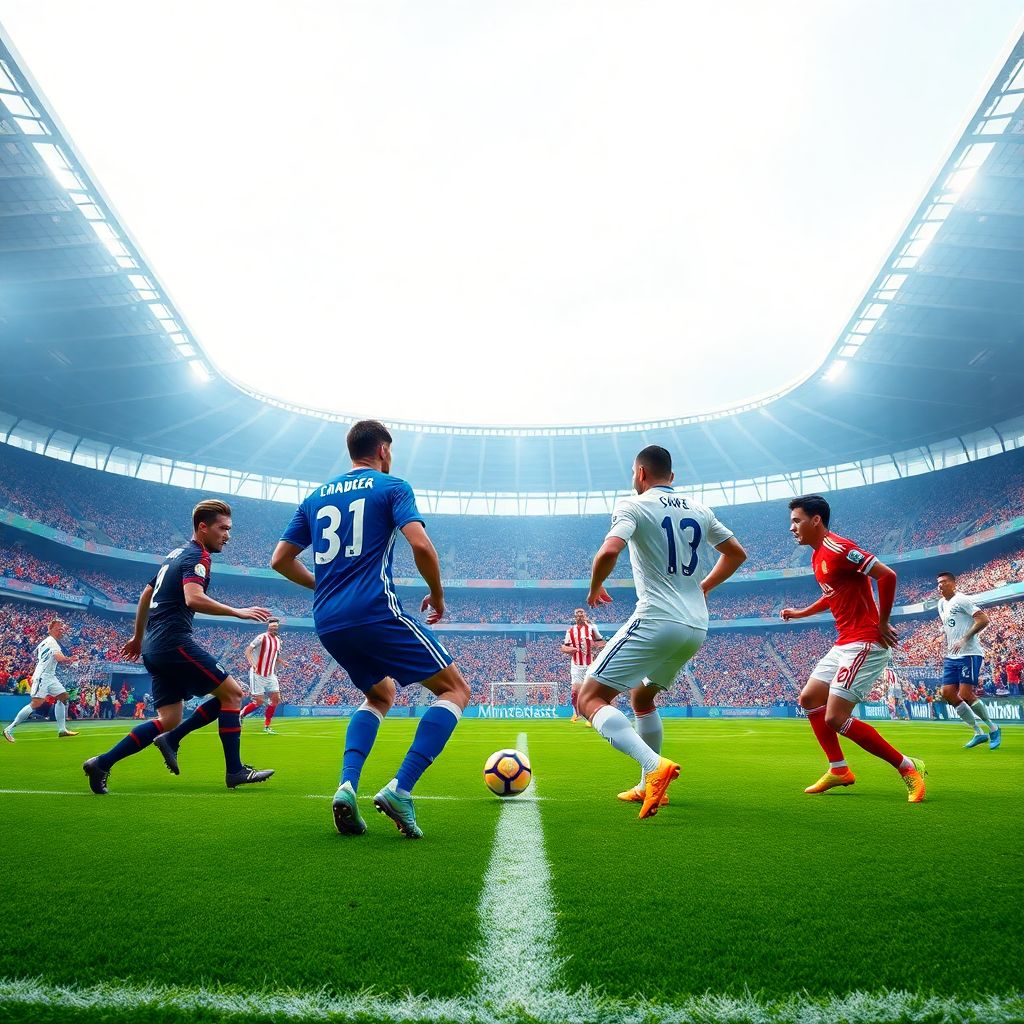
National identity shapes how a national team tends to press, combine, take risks and suffer without the ball, but the link is never automatic. History, coaching, politics and globalised tactics mean a selección can both reflect and contradict its country’s character, depending on how consciously the federation manages style and selection.
Core propositions on how national identity shapes team play
- National style is a long-term pattern of decisions in possession, pressing and risk, not a single tournament’s form.
- Identidad nacional and fútbol estilo de juego interact: culture offers a toolbox of tendencies, coaches decide what to use.
- Discipline, coaching structures and youth development translate abstract values into repeatable tactical behaviours.
- Political eras, iconic teams and golden generations heavily steer the historia del estilo de juego de las selecciones nacionales.
- Selections succeed when player profiles, tactical idea and public narrative line up more than when they «mirror» stereotypes.
- Mismatches between myth and reality can damage both results and fan connection if not managed explicitly.
Theoretical links between culture, politics and footballing identity
National football identity is the recurring way a country’s teams solve the game’s main problems: how to create, defend and manage moments of chaos. It is visible in tempo, risk tolerance, spacing, pressing triggers and the types of players consistently chosen at each line.
Culture enters through shared habits: how people argue or cooperate, attitudes to hierarchy, comfort with improvisation and rules. When analysts ask cómo el estilo de juego de una selección refleja la cultura de un país, they are really asking how those broader habits show up in pressing intensity, positional structure or preference for individual genius versus collective mechanisms.
Politics matters because federations, governments and media decide which version of the nation to highlight. After political transitions, some countries consciously break with a «pragmatic» or «romantic» identity in football, using the selección as a soft-power symbol of a new era. This can drive changes in coaches, playing philosophy and investment in youth academies.
However, globalisation and club football limit simple equivalences. Top players spend most of their year abroad. Modern análisis táctico selecciones nacionales estilo de juego shows more convergence around similar structures (4-3-3, 4-2-3-1, 3-4-3) even if the details-risk level, pressing height, positional freedom-still carry national fingerprints.
Historical trajectories: how eras forged distinct national styles
Distinct national styles emerged from overlapping historical mechanisms, rather than pure «character». Key drivers include:
- Founding influences and early coaches
Many countries imported their first tactical ideas from more developed football nations. For example, some Latin American teams absorbed British directness or Central European passing schools, blending them with local street football to form a hybrid identity. - Domestic league structures and conditions
Climate, pitch quality, refereeing criteria and fixture congestion encourage certain rhythms. Slower pitches and lenient refereeing favour physical duels; good pitches and protection for attackers favour combinative play, which over time frames the base of a selection’s identity. - Iconic generations as reference myths
A World Cup-winning or famously entertaining generation becomes the benchmark. Future teams are judged against that myth, even if player profiles and global tactics have changed, creating tension between heritage and current reality. - Media narratives and public taste
Press, supporters and ex-players create a feedback loop: they praise certain virtues-courage, flair, defensive solidity-and criticise others. Selection decisions and tactical experiments are filtered through this lens, reinforcing or slowly modifying the shared image of «how we should play». - Institutional continuity or chaos
Federations with stable technical leadership can embed long-term principles from youth to senior levels. Where presidents, selectors and sporting directors change often, style swings with every appointment, weakening the link between national identity and on-pitch behaviour. - International rivalry and benchmarking
Rivalries push countries to differentiate or copy. Some deliberately oppose a neighbour’s style; others try to imitate the dominant model, sometimes losing their previous strengths in the process.
Selector choices: ideology, optics and tactical fit in squad building
The national selector operates at the intersection of culture and pragmatism. Several recurring scenarios show how identity shapes selection and vice versa:
- Identity-affirming selection
The coach prioritises players and profiles that exaggerate the historical style-creative midfielders in a traditionally technical country, or aggressive centre-backs and aerial forwards where direct play is valued. This strengthens the emotional bond but may leave specific weaknesses (e.g., transitions, set-piece defence) under-addressed. - Counter-cultural selection
After repeated failures, a selector may choose profiles that contradict stereotypes: adding more «destroyers» in a creative nation or more ball-players in a historically physical one. If results arrive, media can rebrand this as a «mature» evolution of the identidad nacional y fútbol estilo de juego; if not, backlash is fierce. - Club-block selection for automatic cohesion
Some coaches lean heavily on one or two top clubs to import a ready-made system. This fits continuity and reduces tactical teaching time, but risks excluding deserving players from abroad and over-identifying the selección with a single club’s culture and politics. - Star-centric, marketing-driven selection
Federations sometimes pressure for marquee names regardless of tactical fit. This may suit sponsors and international image but can distort the collective idea, forcing systems that revolve around individuals instead of the broader footballing identity. - Generation-bridging, transitional selection
During renewal cycles, selectors must decide whether to protect the old style with veteran leaders or accelerate a new profile of players. These choices often reveal whether the country is ready to update its identity or clinging to past myths.
Quick practical tips for reading national-team styles
- In the first 15 minutes, watch where the back line holds its average position: deep, mid-block or high. That usually says more about identity than formation labels.
- Count how many passes the team attempts before going vertical after regaining the ball; this shows their default risk profile.
- Note which positions are most substituted across games (e.g., wingers, pivots, full-backs). That indicates which roles are culturally negotiable and which are «non‑touchable».
- Compare the selección’s tempo to the dominant clubs in that country’s league; large gaps suggest identity contradictions or incomplete transitions.
- When doing your own análisis táctico selecciones nacionales estilo de juego, write one sentence on «how this team wants to win the ball» and another on «how they want to create chances»-then check if those sentences fit the country’s footballing narratives.
Tactical signatures that reflect social values and training systems
Certain recurring tactical features tend to mirror deeper social attitudes and developmental priorities. These are not rigid laws but useful lenses for interpreting a selection’s behaviour beyond static formations.
Potential strengths when identity and tactics align
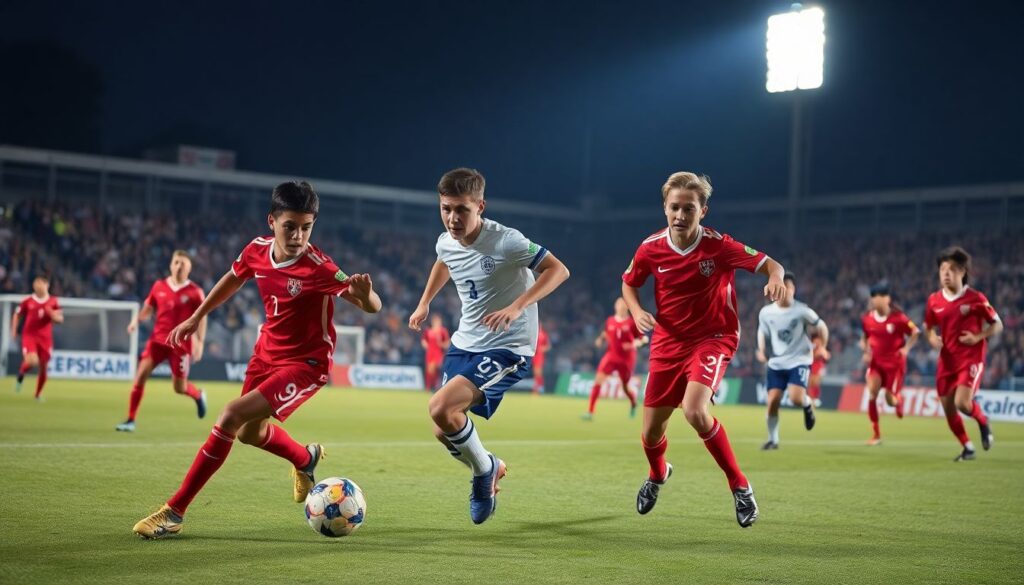
- Clear decision rules in chaos: When players grow up with the same attacking and defensive principles, they react faster in transitions and late-game stress, because instincts and coaching messages coincide.
- Stable talent pipelines: Coaching courses and academies know what profiles the selección values. This encourages long-term development of specific skill sets instead of chasing short-term trends.
- Fan tolerance during rebuilds: If supporters recognise their identity in the idea, they may accept short-term failure while a younger generation learns, rather than demanding constant stylistic U-turns.
- Efficient role allocation: Players feel less tension between club and country expectations when the national idea is coherent; a creative full-back or a conservative pivot knows what is demanded of them.
- Symbolic cohesion beyond sport: When the selección expresses inclusive aspects of the national story, it can become a shared reference that crosses regional or political divides.
Inherent limitations and possible contradictions
- Stereotype prison: Rigid expectations («we must always dominate the ball», «we are naturally defensive») can block useful tactical adaptations against specific opponents or in new eras.
- Exclusion of «untypical» talent: Players whose style does not fit the canonical image may be undervalued, even if they solve current tactical problems better than traditional profiles.
- Lag behind club innovation: Domestic and foreign clubs may evolve new pressing or build-up structures faster than the selección, leaving the national team tactically outdated but culturally comfortable.
- Media-politicised debates: Arguments over identity and style can mask structural issues like poor youth development, inadequate infrastructure or weak governance.
- Over-reading culture into tactics: Not every compact mid-block expresses caution in national character; sometimes it simply reflects fatigue, calendar pressure or player availability.
Measuring congruence: metrics and qualitative indicators of alignment
Evaluating whether a selección’s style truly aligns with national identity requires separating myths from observable patterns. Common errors and myths include:
- Confusing short tournaments with deep identity
A single World Cup with unusual injuries, weather or group dynamics can distort perceptions. Identity is better measured across several qualification cycles, friendlies and continental tournaments. - Using formation labels as identity proxies
Calling a team «attacking» or «defensive» based only on 4‑3‑3 versus 5‑3‑2 ignores pace, pressing height and rest-defence. Many «defensive» structures can be aggressive, and vice versa. - Projecting clichés instead of tracking behaviours
National stereotypes-about flair, discipline or «mystique»-are often repeated without data. It is more useful to count pressing actions, line heights, pass directions and involvement of different positions in chance creation. - Ignoring club-level context
If most internationals play abroad in high-pressing teams, the selección might reasonably adopt a similar idea, even if it contradicts domestic-league style and historic narratives. - Over-attributing success or failure to «identity»
Margins in international tournaments are tiny. Penalties, refereeing and injuries often decide outcomes more than whether the style fits popular images of the nation.
From mismatch to reform: practical steps for aligning style and selection
When federations, coaches or informed supporters sense that the selección’s style neither reflects the best of the country’s footballing culture nor fits current talent, they can follow a gradual, practical roadmap instead of calling for instant revolutions.
Stepwise framework from diagnosis to change
- Clarify the reference identity
Describe in plain language the three or four behaviours that historically defined the country’s best teams: for example, «ball circulation and midfield overloads», «intense wide pressing», or «compact low block plus fast counters». Use historical matches, documentaries and even libros sobre fútbol identidad nacional y cultura to refine this picture. - Audit current player pool and youth trends
Identify where most internationals play, how their clubs use them, and which profiles are emerging from youth academies. Note where reality already contradicts the imagined identity. - Define a realistic hybrid model
Instead of chasing a pure stereotype, combine stable cultural strengths with current talent. For example, keep technical short passing as a base, but integrate modern counter-pressing ideas learned abroad. - Align selector criteria and communication
Publish or at least internally agree on selection principles: what physical, technical and mental traits each position requires in the new model. Communicate clearly why certain «name» players are in or out. - Embed in coaching education and youth curricula
Update coaching courses so that domestic development supports the desired style. Over time, this reduces dependence on a few elite clubs and brings youth sides closer to the senior identity. - Monitor and iterate with honest review
After each qualifying cycle, review whether the team’s behaviour matches the documented model. Adjust details without abandoning the core idea at the first setback.
As the historia del estilo de juego de las selecciones nacionales shows, countries that manage this loop consciously tend to maintain a recognisable, competitive identity even as tactics evolve globally.
For individual analysts or fans trying to connect identity and tactics, a simple mini-«algorithm» can help: watch three full matches across different contexts (friendly, qualifier, tournament); write one paragraph on how the team attacks, one on how it defends, and a final one comparing that to the country’s dominant football stories. This disciplined exercise often reveals where tradition supports performance and where it silently holds the team back.
Practical clarifications and recurring doubts about identity vs. style
Can a national team fully change its style in one cycle?
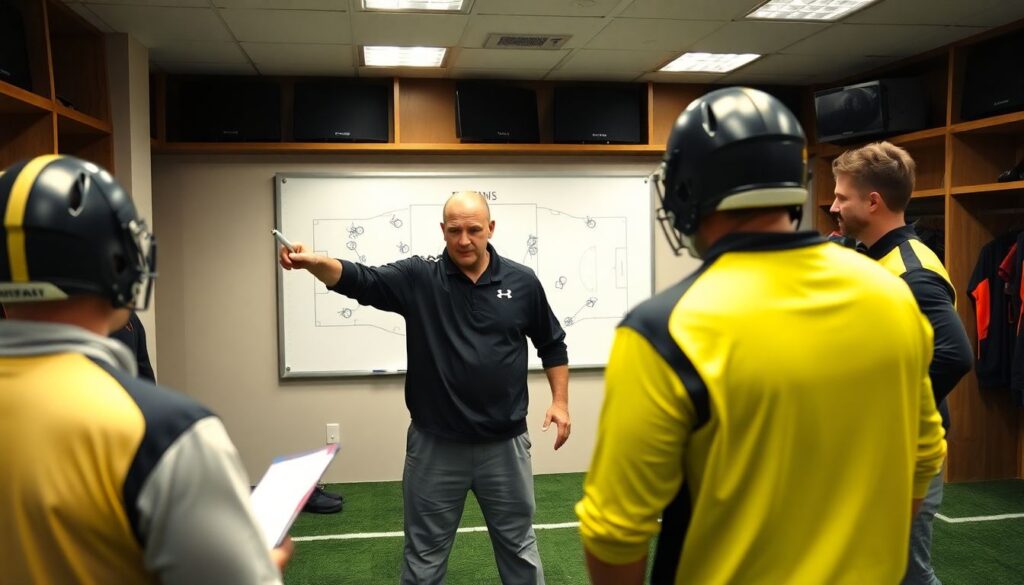
It can change surface features-formation, pressing height, set-piece routines-relatively quickly, but deeper identity shifts require at least one generation of players who were developed under the new principles. Fast changes are possible in response to a uniquely suited coach and player pool, yet they often remain partial.
Do players actually think about national identity on the pitch?
Most focus on game plans, not abstract identity. However, the behaviours drilled in youth and reinforced by public narratives shape their confidence in certain risks or solutions. Identity is felt more as shared intuition than as a conscious slogan during matches.
Is copying a successful country’s model a good idea?
Imitation can help modernise structures, but blind copying usually fails. What works elsewhere is tied to specific histories, physical profiles and league cultures. Better to borrow concrete training methods while adapting them to local strengths and values.
How important is the coach compared to long-term culture?
A coach can accelerate or delay change, accentuating some traits and toning down others. Long-term culture sets boundaries of what is easily accepted. The most effective selectors translate broad identity into precise tactical rules rather than fighting it or serving it uncritically.
Can a «defensive» identity be as valid as an «attacking» one?

Yes. What matters is internal coherence between player profiles, training and match strategy, not ideological labels. A compact, counter-attacking model can represent a country’s values just as much as a possession-heavy approach if it is pursued intentionally and well executed.
Where should someone start if they want to study identity and style?
Combine match analysis with historical reading. Watch classic games from different eras, then read histories or libros sobre fútbol identidad nacional y cultura that explain the social and political context. This pairing reveals how ideas about football and nation evolved together.
Does globalised club football mean national styles will disappear?
Club tactics are converging, but local training habits, fan expectations and federation decisions still generate distinct flavours. National styles may become subtler and more hybrid, yet they remain visible in how teams manage stress, risk and key moments.