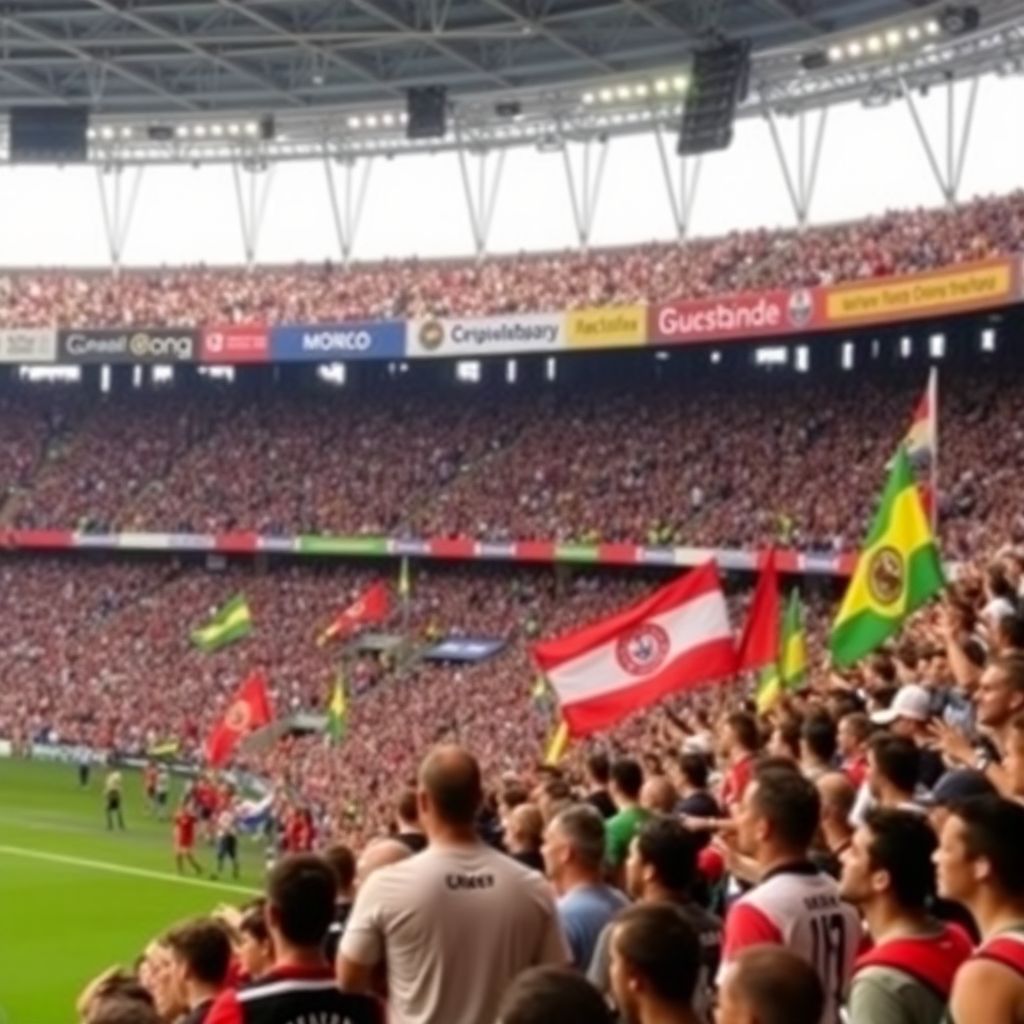
If you look at football as a mirror of society, you see how power, inequality, identity and values play out in public. If you analyse games, clubs and fan cultures with that lens, then you can read deeper patterns of class, race, gender, nationalism and commercial pressure.
What This Analysis Highlights
- If you treat football as a cultural text, then you can decode how a society understands merit, success and failure.
- If you compare clubs and fan bases, then you see how place, class and migration shape collective identities.
- If you follow money flows in the game, then you understand how commercialization reshapes community values.
- If you observe conflicts around racism, sexism or homophobia in stadiums, then you see wider social struggles made visible.
- If you use libros sobre fútbol y sociedad and academic work, then you gain language and frameworks to explain what you intuitively feel in the stands.
Historical Roots: How Football Reflects Social Transformations
Football became a mirror of society when it moved from elite schools and clubs to working‑class neighbourhoods, factories and informal pitches. If early football was a pastime of economic elites, then its later mass adoption shows expanding participation, urbanisation and the rise of leisure for ordinary people.
In Spain and across Europe, industrial cities gave birth to clubs that carried the names of ports, factories or railway workers. If you trace how those clubs professionalised, then you see changes in labour relations, class mobility and the balance between local pride and national identity.
One concrete example: when women’s leagues move from amateur fields to major stadiums, the shift reveals changing norms about gender roles and who is «allowed» to occupy public space on equal terms. The game’s formal rules barely change, yet the social meaning of who plays and who watches transforms.
- If you study a club’s founding story, then map it onto economic changes in its city (industry, migration, tourism).
- If you compare early club members with today’s season‑ticket holders, then note how class and gender profiles have shifted.
- If you watch old match footage or documentales sobre fútbol y valores sociales, then list what feels socially acceptable there but not today.
Identity and Belonging: Clubs, Cities and National Narratives
Belonging in football often operates like a shortcut to complex identities. If you say «soy del Barça» or «soy del Athletic», then you communicate not just sporting preference but also language, region, and sometimes political feeling, especially in an es_ES context.
- If a club uses local symbols, flags and languages in its stadium rituals, then it reinforces regional or national narratives in everyday life.
- If migration reshapes a city, then mixed fan zones and supporters’ clubs abroad show how identities travel and hybridise.
- If derbies divide a city along class, neighbourhood or political lines, then the match encodes deeper urban tensions.
- If national teams include players from diverse ethnic or regional backgrounds, then they can normalise plural, inclusive understandings of the nation.
- If ultras or hardcore groups set the tone in the stands, then their songs and tifos shape what identities feel legitimate or marginal.
- If media highlight certain rivalries as «historic», then they keep specific identity conflicts alive even when the original causes fade.
A simple example: when fans in a Spanish city sing in a co‑official language, the stadium becomes a weekly referendum on cultural recognition, with chants acting as public claims to visibility and respect.
- If you map who supports which club in your region, then link patterns to language, class and neighbourhood histories.
- If you attend a derby, then note how symbols (scarves, songs, banners) organise who belongs and who is excluded.
- If you read revistas y publicaciones especializadas en sociología del deporte, then compare their identity analyses with what you observe in your local stadium.
Inequality on the Pitch: Class, Race and Access to the Game
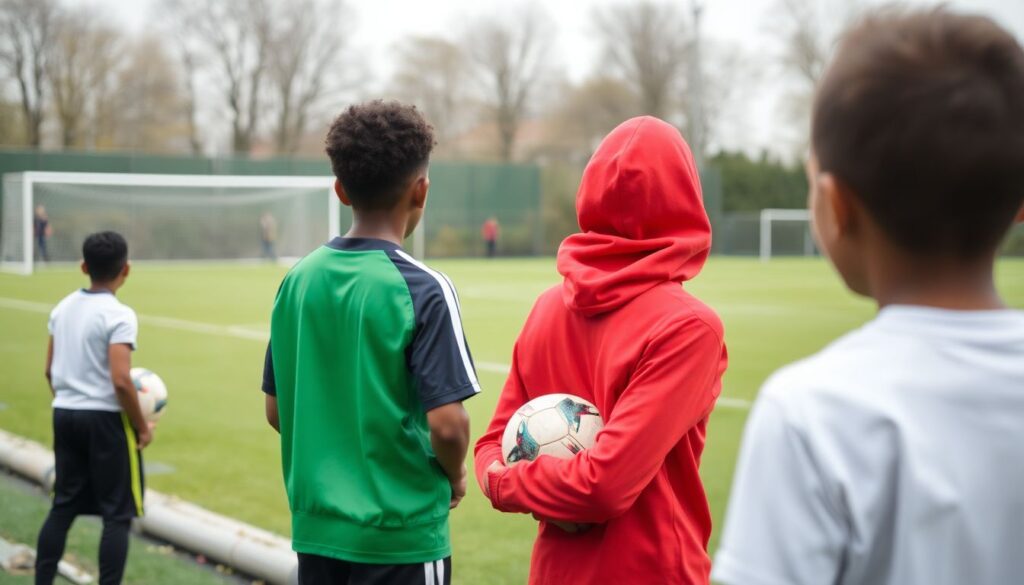
Inequalities appear both in who plays and whose stories are celebrated. If football is advertised as «for everyone» but costs of boots, travel and club fees rise, then access silently narrows along class lines, particularly in youth systems and grassroots academies.
Race, ethnicity and migration status also filter opportunities. If scouts, coaches or media hold stereotypes about certain positions or «temperaments», then racialised players may be channelled into limited roles, paid less or criticised more harshly for the same behaviour as others.
A clear example: when grassroots girls’ teams in small Spanish towns train on poor pitches at late hours while boys’ teams get prime slots, the scheduling alone reveals how gendered value is assigned, even before pay or media visibility enter the discussion.
- If public pitches concentrate in wealthier districts, then working‑class and migrant children must travel further or play in worse conditions.
- If women’s and lower‑division matches receive minimal coverage, then sponsors and local authorities feel less pressure to invest in them.
- If racist chanting or abuse goes unpunished in stadiums, then minorities receive the message that their participation is conditional.
- If elite academies rely on informal networks instead of transparent trials, then those without social capital stay outside the talent pipeline.
- If you volunteer in a local club, then check who cannot afford fees, travel or equipment and push for solidarity funds.
- If you design school programmes, then ensure equal access to pitches and time slots for girls, migrants and disabled players.
- If you consult tesis y estudios académicos sobre fútbol y cultura, then use their frameworks to audit inequality in your own league or community.
Politics and Protest: Football as Venue for Power and Dissent
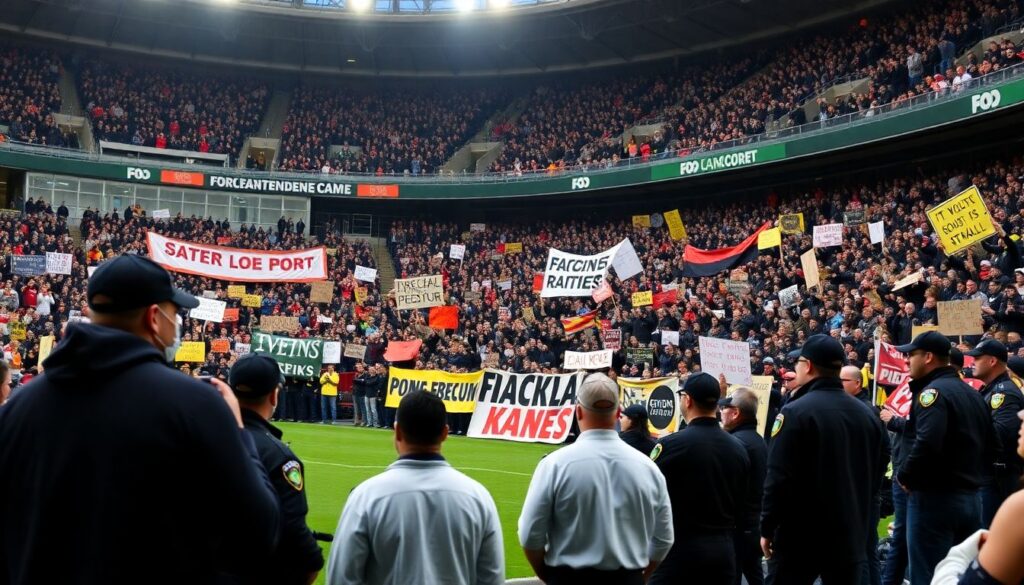
Stadiums are tightly controlled spaces, yet they host moments of resistance. If authorities want to project unity and order during matches, then coordinated banners, chants or silence can subvert that script and expose conflicts that politicians would rather keep invisible.
From anti‑racist tifo to boycotts against kick‑off times, protests around football show both its potential and its limits. If cameras broadcast every gesture, then symbolic acts travel fast, but structural change still requires negotiation with federations, leagues and sponsors who hold regulatory and economic power.
Political Potential in Football Spaces
- If supporters link their cause to club history or local identity, then protests often gain legitimacy among wider fans.
- If players with high visibility speak about social issues, then messages jump from fan forums to mainstream news.
- If actions remain peaceful and clearly framed, then authorities find it harder to dismiss them as «mere hooliganism».
Constraints and Risks of Protest in the Game
- If leagues and clubs punish political messages unevenly, then marginalised groups bear higher risks for speaking out.
- If commercial partners fear controversy, then they may pressure clubs to silence or co‑opt protest.
- If protests ignore safety or target individuals with hate, then they reinforce the very injustices they claim to resist.
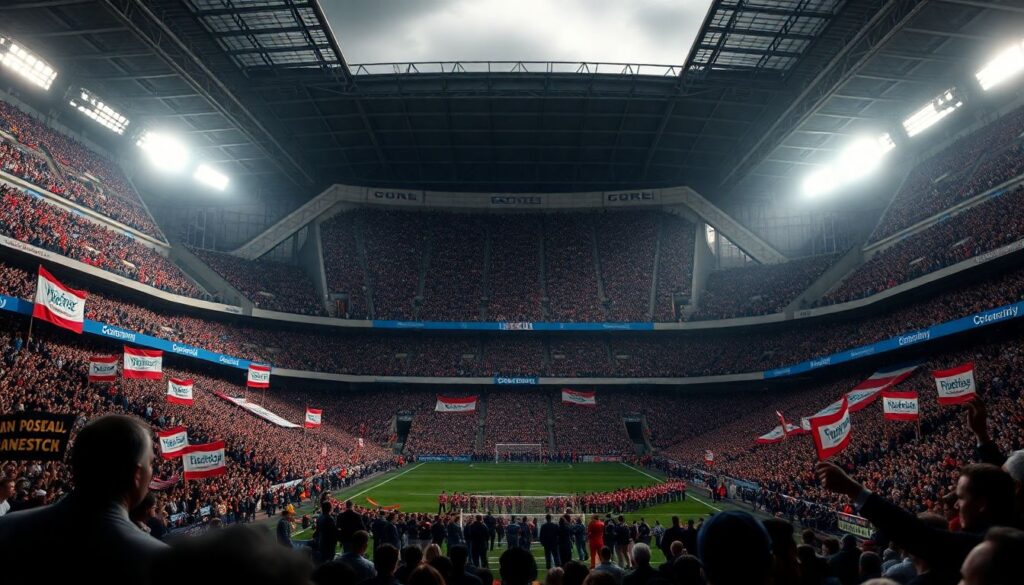
An illustrative example: when fans collectively hold up coloured cards to form a giant message against discrimination, the choreography uses the same tools as commercial fan shows, but redirects them toward social criticism rather than pure spectacle.
- If you join a fan protest, then define clear goals and red lines (no hate speech, no violence) before the action.
- If you are a club official, then create channels where supporters can raise concerns without fear of bans.
- If you study cursos online sociología del fútbol, then compare historical protests with current fan movements in your league.
Commercialization and Values: Sponsorship, Ownership, and Ethics
Modern football runs on commercial revenue, but every sponsorship or ownership change carries value choices. If a club sells naming rights of a historic stadium, then it trades part of its symbolic capital for financial stability, and fans must decide what limits they accept.
Ethical debates intensify when investors come from industries or states linked to human rights concerns. If success on the pitch depends on such money, then supporters face a dilemma: celebrate trophies or question the sources of their club’s new power, especially visible in top European competitions.
For example, when shirt sponsors move from local businesses to global betting or crypto brands, matchday photos become constant advertising for risk‑laden products, subtly normalising speculative behaviours among young fans who copy their heroes’ shirts.
Common Misreadings around Money and Morals
- If you believe «every club is now a company, nothing more», then you underestimate how community pressure can still block or reshape deals.
- If you assume «more money automatically means more success», then you ignore how mismanagement and toxic cultures waste huge budgets.
- If you think «fans only care about winning», then you miss episodes where supporters have protested owners despite sporting success.
- If you reduce commercialization debates to nostalgia, then you overlook concrete harms, like debt, gentrified ticket prices and broken youth programmes.
- If you are part of a peña or supporters’ group, then demand transparent communication on sponsorships and ownership changes.
- If you teach or coach, then use current deals as case studies to discuss ethics, not just business strategy.
- If you consult libros sobre fútbol y sociedad, then bring their ethical frameworks into fan forums and club assemblies.
Transmission of Culture: Media, Fans and the Globalization of Meaning
Media and digital platforms spread football stories across borders, turning local rituals into global products. If Spanish league matches reach audiences on different continents, then songs, gestures and even insults travel, get reinterpreted, and sometimes lose their original social context.
Fans participate actively in this circulation. If a viral clip shows supporters fighting racism or sexism in the stands, then viewers in other countries can copy the tactic or adapt the chant to their own struggles, building a shared yet uneven global football culture.
One mini‑case: when a small club’s creative tifo against homophobia circulates online, media outlets and documentales sobre fútbol y valores sociales pick it up. The original local action then inspires school workshops, federation campaigns and think‑pieces in revistas y publicaciones especializadas en sociología del deporte, multiplying its cultural impact far beyond the original stadium.
- If you create football content on social networks, then reflect on which values your edits, memes and captions normalise.
- If you work in sports media, then balance transfer gossip with stories about inclusion, community work and fan creativity.
- If you explore tesis y estudios académicos sobre fútbol y cultura, then translate their insights into accessible threads, podcasts or local talks.
Self‑Check: Using Football to Read Collective Values
- If you watch a match this week, then identify one moment that reveals something about power, identity or inequality beyond the score.
- If you support a club, then ask how its history, ownership and fan culture reflect wider dynamics in your city or region.
- If you discuss football with friends, then move at least once from «who played well» to «what does this situation say about our society?».
- If you design projects or research on the game, then ground each argument in one concrete example from pitches, stands or media.
- If you feel that «football is just football», then test the idea by comparing what you see on matchday with what you see in everyday streets, workplaces and schools.
Clarifications on Football’s Social Significance
Is football always a mirror of society, or can it escape politics?
If people gather, express emotion and form groups, then politics and power are present, even without party symbols. Football can reduce visible conflict for a time, but it never fully escapes social structures, because access, media narratives and money already carry political choices.
How can an ordinary fan in Spain notice social patterns in a match?
If you look beyond tactics to who sings, who stays silent, who can afford tickets and who appears in advertisements, then you start seeing class, gender and racial patterns. Take short notes after a game and compare across matches; recurring themes reveal deeper structures.
Are players responsible for representing social causes?
If players hold large platforms and benefit from public attention, then their choices matter, but they are not the only actors. Clubs, federations, sponsors and media also decide what messages appear. Responsibility spreads across the whole ecosystem, not just individual stars.
Can commercialization ever be positive for community values?
If sponsorships fund women’s teams, grassroots academies or accessible ticket schemes, then commercialization can support inclusion. The key question is always: who gains, who loses, and which values get strengthened or weakened by each business decision.
How useful are academic resources for understanding local fan culture?
If you combine personal observation with cursos online sociología del fútbol, libros sobre fútbol y sociedad and revistas y publicaciones especializadas en sociología del deporte, then theory becomes a tool, not a cage. It helps you name patterns you already feel, and spot blind spots you had missed.
Why pay attention to documentaries and media narratives about the game?
If you only watch live matches, then you miss how stories are edited and framed around them. Documentales sobre fútbol y valores sociales, long reads and podcasts show which topics get amplified or silenced, revealing cultural priorities and commercial interests behind the scenes.