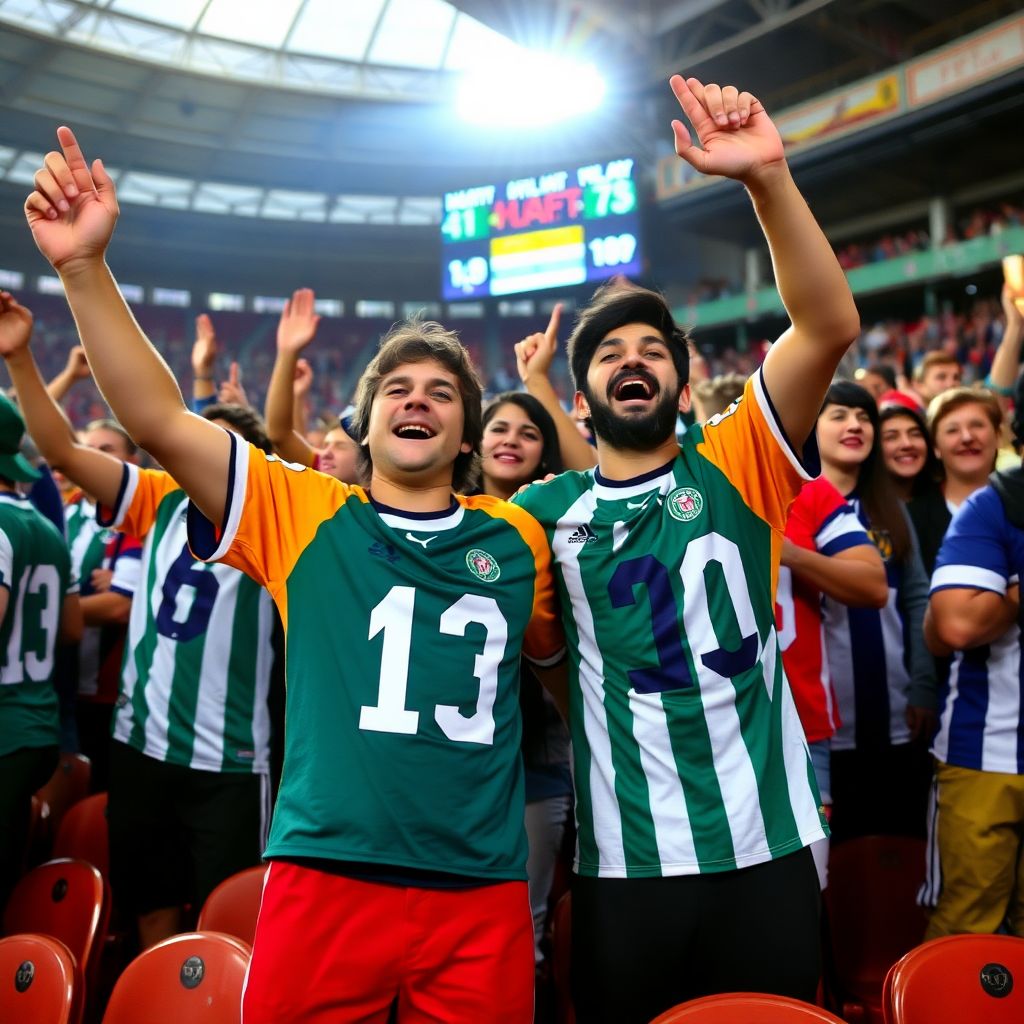
Loving a club that almost never wins means treating football less as entertainment and more as a long-term life commitment. The value comes from identity, relationships and stories, not from trophies. Instead of asking only about results, you ask how this bond shapes your character, community ties and everyday joy.
Core premises of supporting a chronically losing club
- Loyalty is defined by staying engaged when outcomes are bad, not by celebrating when outcomes are good.
- The main rewards are identity, belonging and meaning, not sporting success.
- Suffering losses together can deepen social bonds when handled with respect and humour.
- Healthy fandom needs boundaries so that results do not dominate mental health or relationships.
- Reflective fans regularly question traditions and narratives, instead of idealising amor incondicional por un club de fútbol análisis without limits.
- Practical routines (rituals, money rules, media habits) are what keep devotion sustainable over decades.
What loyalty means when victories are rare
Loyalty, in this context, is a stable commitment to a club regardless of its competitive performance. It is more about continuity of identification than about constant happiness. You keep showing up emotionally even when the league table tells you not to bother.
Boundaries are crucial: loyalty does not mean tolerating abuse, corruption or personal harm. You can love a club and still criticise its management, boycott certain decisions or step back for a season if your mental health demands it. Devotion is not blind obedience.
Conceptually, supporting a chronically losing club shifts football from a consumer choice to a life narrative. Changing clubs is then similar to changing family or hometown: possible, but psychologically expensive. This is why many ensayos sobre cultura e identidad del hincha de fútbol compare fandom to kinship or religion.
Practically, loyalty shows up in small, repetitive acts. You renew your abono even after relegation, you follow away games on the radio, you defend the shirt at work. None of this changes the result on the pitch, but it reinforces who you are and where you feel you belong.
Psychology of the devoted fan: identity, ritual and meaning-making
The psychology of the hincha explains por qué seguimos a un equipo perdedor psicología del hincha despite constant disappointment. Several mechanisms work together and create a self-reinforcing loop of commitment and meaning.
- Identity fusion. The club becomes part of your personal story: childhood memories, family rituals, local pride. Attacking the club feels like attacking you. Example: a fan in Sevilla or Bilbao organising their weekends around matches since childhood, regardless of the scoreboard.
- Ritual structure. Regular routines (same bar, same seat, same scarf) give predictability and comfort. After a tough workweek, the matchday script tells you where to be and who to be with, even if the team loses again.
- Cognitive reframing. Losses are reinterpreted as proof of authenticity: «We are real fans because we stay when others would leave.» A last-minute defeat hurts, but also feeds a narrative of resistance and moral superiority over «plastic» big-club supporters.
- Group belonging. The terrace, the peña and online groups satisfy social needs. Being recognised as «one of us» often matters more than the actual result. Shared chants and jokes create a safe emotional space to express joy, anger and vulnerability.
- Symbolic immortality. The club existed before you and will outlive you. Being part of that timeline gives a sense of continuity that softens existential anxiety. When you bring your child to the stadium for the first time, you inscribe your family into that story.
- Selective memory. Human memory highlights rare highs over routine lows. One unexpected promotion or cup run can justify a decade of mediocrity in retrospect, especially when retold in bar conversations.
Rituals from the filosofía del fútbol libros tradition, like pre-match walks through the same barrio streets, turn ordinary time into «sacred» football time. The mind anchors emotions to these scripts, making fandom feel necessary even when logic says it is irrational.
Community economies: solidarity, status and collective storytelling
Community economies are non-monetary systems of exchange (attention, recognition, stories) that grow around a club. They show how identidad del hincha de fútbol y sentido de pertenencia becomes tangible and practical in everyday life.
- Neighbourhood solidarity. In a working-class barrio with a small club, bars open early for away games, flags decorate balconies and neighbours share travel cars. Even non-fans benefit from the atmosphere and local business. The club acts as a loose welfare network: tickets for unemployed friends, raffles for hospital bills.
- Status hierarchies among fans. Within a peña, status may depend on away games attended, years of support or contributions to tifos. A supporter who travelled to Segunda B grounds in winter earns moral authority, regardless of their job or income level outside football.
- Storytelling as social currency. Old-school fans trade stories: «the mud game in 1994», «that referee in Pamplona». These narratives circulate like a local mythology. Newer fans gain acceptance by learning and retelling them accurately, not by showing off knowledge of global stars.
- Emotional mutual aid. After a humiliating loss, group chats and bar meetups act as informal group therapy. People process anger together, joke about the disaster and then move on. The same channels mobilise quickly if a member has a personal crisis.
- Creative fan cultures. Banners, podcasts, fanzines and local radio shows build a micro-media ecosystem. Fans turn frustration into songs, memes and essays, including home-made ensayos sobre cultura e identidad del hincha de fútbol shared on blogs and social networks.
- Intergenerational bridges. Grandparents, parents and children find a common topic in the club. Family conflicts often soften on matchdays because everyone can talk about line-ups, referees and past legends without touching more divisive issues.
These scenarios show that loving a club that rarely wins is socially useful: it organises time, space and relationships. The match itself is only the visible tip of a much larger community infrastructure.
The ethics of devotion: pride, escapism and moral evaluation
The ethics of devotion examines when intense fandom is virtuous and when it becomes harmful. It weighs pride, resilience and solidarity against escapism, aggression and neglect of other duties.
Constructive aspects of long-term loyalty
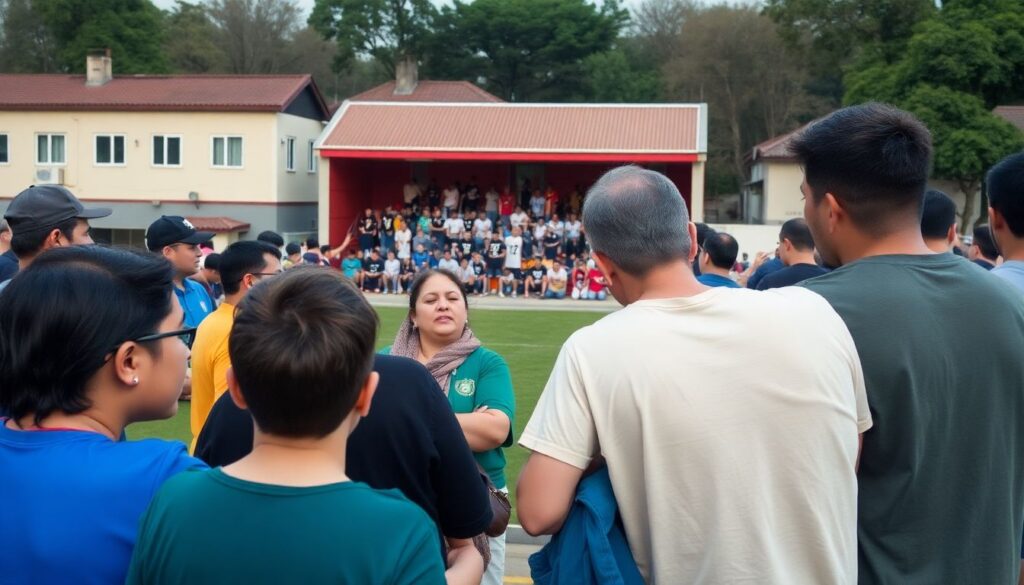
- Builds resilience: learning to cope with losses can improve frustration tolerance in other areas of life.
- Strengthens solidarity: sharing suffering can increase empathy and readiness to help fellow fans off the pitch.
- Supports local culture: small clubs keep neighbourhood spaces alive and resist homogenised global football.
- Encourages self-knowledge: reflecting on your own reactions after defeats clarifies your values and limits.
Risks and ethical limits of devotion
- Escapism turning into avoidance: obsessing over football to ignore work, relationships or mental health problems.
- Justifying violence or hate speech as «passion», especially against rival fans or players scapegoated for losses.
- Normalising corruption or abuse in the name of club loyalty, instead of demanding accountability.
- Pressuring children or partners into an identity they do not want, confusing love for the club with control.
A reflective hincha accepts that devotion has a moral dimension. You can be fiercely loyal and still set clear ethical red lines about how you behave and what you endorse.
Rituals, habits and material practices that sustain commitment
Rituals and habits translate abstract love into concrete, repeatable actions. They stabilise fandom across bad seasons, but can also trap you in unhealthy patterns if never questioned.
- Myth: «If I miss a game, I am a fake fan.» Reality: sustainable fandom allows for life priorities. Skipping matches for family, health or work does not erase years of devotion.
- Myth: «Buying more merchandise equals deeper love.» Reality: financial overextension causes stress. A simple scarf and occasional ticket can express commitment as well as a full replica collection.
- Myth: «Superstitions influence results.» Reality: lucky shirts and routines can comfort you, but do not change the scoreboard. Treat them as playful rituals, not obligations that produce guilt.
- Myth: «Real fans never criticise their club.» Reality: honest, informed criticism is a form of care. Silence in the face of mismanagement harms the club’s long-term health.
- Myth: «Rivals are enemies.» Reality: rivalry adds drama, but demonising others often masks personal frustrations. Respectful rivalry leaves room for shared causes, like safe stadiums or anti-racism initiatives.
Replacing rigid myths with flexible, conscious habits keeps devotion compatible with a balanced life, especially when the team keeps losing.
Practical strategies to keep fandom healthy and rewarding
Practical strategies turn philosophical reflection into daily decisions. They help you enjoy the culture of your club even when the sporting project is a mess.
- Set emotional boundaries. Define when you stop consuming post-match content (for example, no debate shows after a heavy defeat). Limit arguments about the club at work or with non-fan relatives.
- Diversify your football diet. Combine your club with neutral football: youth games, women’s team, local amateur matches. This widens your love of the game beyond one painful scoreboard and echoes advice found across thoughtful filosofía del fútbol libros.
- Create positive rituals. Anchor each match to one small, enjoyable action independent of the result: a walk to the stadium, cooking a specific snack, phoning an old friend at half-time.
- Negotiate clear deals at home. Agree with your partner or family on limits: maximum number of trips, monthly budget for tickets, and «no football talk» zones or times.
- Channel frustration creatively. Turn emotions into writing, drawing banners, making a podcast or contributing to local ensayos sobre cultura e identidad del hincha de fútbol. Creativity transforms passive suffering into active meaning-making.
- Stay critical but connected. Join supporters’ associations that defend fair ticket prices, transparent ownership and inclusive stadium policies. This aligns your love for the club with broader ethical commitments.
Mini-case: a balanced long-term hincha

Imagine Ana, a 35-year-old supporter of a small Andalusian club that has not been in Primera for decades. She attends home games with her father, but limits away trips to two per season and keeps a strict monthly budget for football expenses.
After defeats, Ana avoids social media that evening and instead writes a short reflection for her peña’s newsletter. She supports fan campaigns for better governance, and also coaches a kids’ team on Sundays. Her identity as a hincha enriches, rather than dominates, her life.
How fans resolve typical dilemmas of long-term devotion
Can I ever change clubs if mine keeps losing?
You can, but it usually feels more like a break with your past than a simple consumer choice. Many fans instead change the intensity of their involvement: fewer games, less media, more focus on grassroots football, while keeping emotional ties to their original club.
How do I handle ridicule from supporters of big winning clubs?
Prepare a few calm, humorous responses that reframe your position: pride in loyalty, local identity, or matchday atmosphere. Avoid argument traps about trophies; shift the conversation to experiences, community and what your club means in daily life.
What if my club’s management behaves in ways I find unethical?
Differentiate between the club as community and the current leadership. You can criticise, protest or even boycott specific products or matches while still valuing the shared history, colours and fellow supporters.
How can I keep defeats from ruining my mood for days?
Set time limits for post-match rumination and media consumption. Plan a non-football activity (walk, film, call with a friend) immediately after the game, especially after important losses, so your brain learns to transition out of football mode.
Is it healthy to pass my club to my children if it mostly loses?
It can be, if you present it as a shared story and local culture, not as an obligation or destiny. Emphasise fun, friends and values like resilience and fair play more than winning or blind loyalty.
What if I no longer enjoy going to the stadium but feel guilty stopping?
View fandom as flexible. You may move from active attendance to following via radio or occasional games. Guilt is often a sign of internalised myths about «real fans»; reframe your role as evolving, not betraying.
How do I balance football with other important parts of my life?
Explicitly schedule football time, family time, work and rest in your week. When planning commitments, ask whether you would accept the same behaviour from a friend; this external perspective keeps your own choices in check.