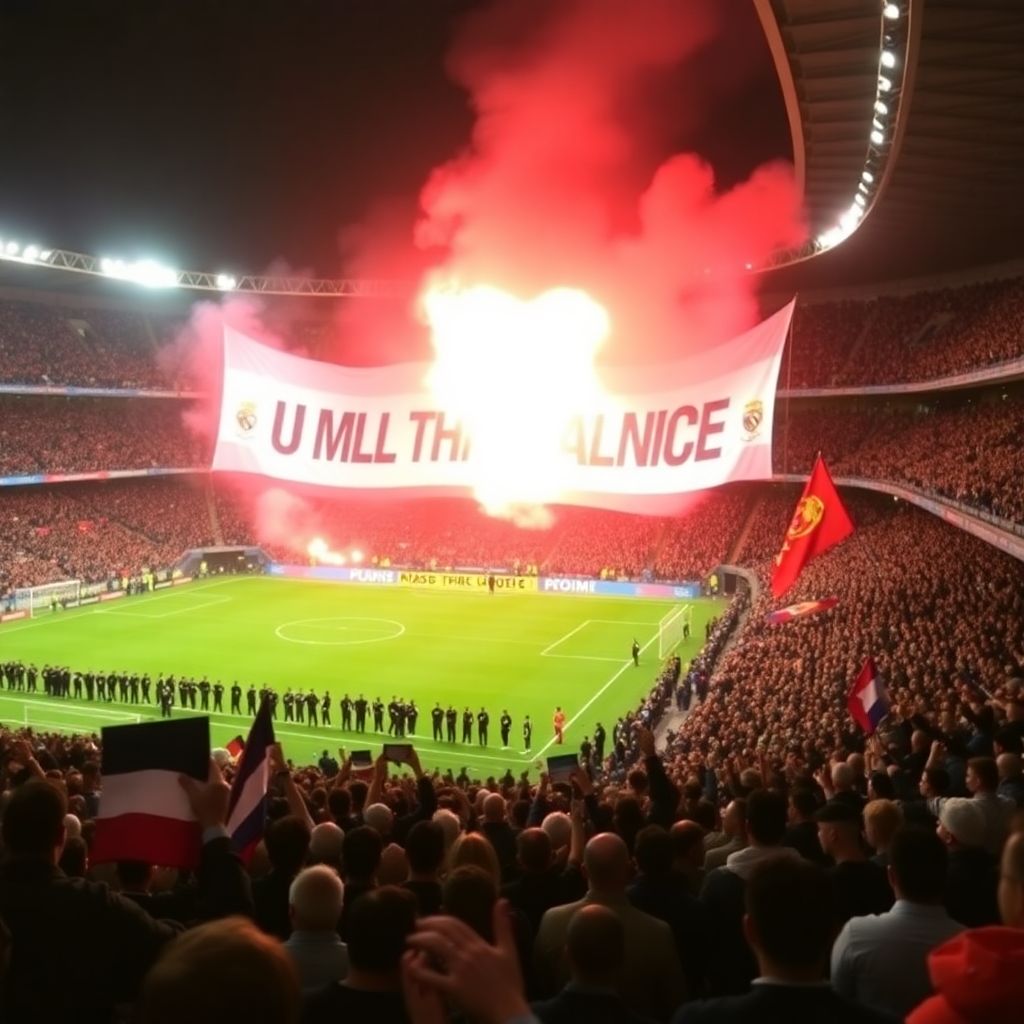
Ultras, barras and tifos are organized supporter cultures that turn football stands into loud, visual and often political spaces. They mix choreographies, banners, pyrotechnics and chants to express identity, territory and ideology. Understanding how they organize, finance and negotiate with clubs and police is key to reading modern stadium culture.
Core Definitions and Concepts
- Ultras: Highly organized supporter groups, usually in Europe, focused on constant singing, visual displays and strong group discipline.
- Barras bravas: Latin American equivalents of ultras, often more embedded in neighbourhood structures and local politics.
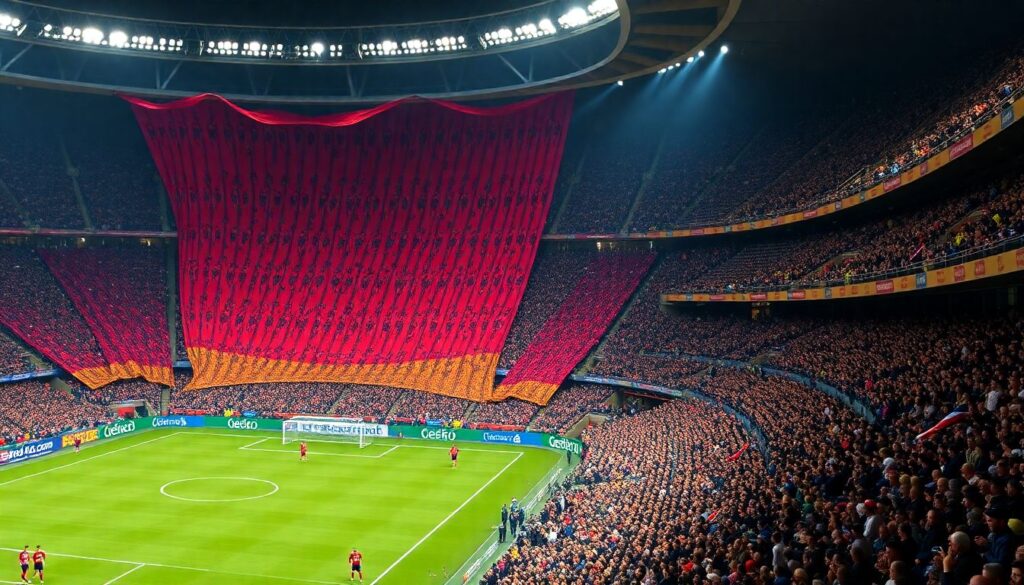
- Tifos and mosaics: Large coordinated visual displays; many groups now even hire a servicio de diseño de tifos y mosaicos para estadios.
- Political expression: Messages about class, territory, nationalism, antifascism or local struggles, shown in chants, flags and banners.
- Material tools: Drums, megaphones, banderas y tifos personalizados para hinchadas, material pirotécnico y bombos para gradas de fútbol.
- Travel and presence: Constant organization of viajes y entradas para partidos de barras bravas y ultras to «occupy» away ends.
Common Myths About Ultras and Barras
Ultras and barras are often reduced to a single image: violent hooligans. This mixes up different cultures. Hooliganism is focused on fights; ultras culture is focused on 90 minutes of singing, visual shows and control of the stand, even if violence sometimes appears around it.
Another myth is that the only goal is aggression. In reality, many groups invest more energy into banderas y tifos personalizados para hinchadas, coordinating mosaics and rehearsing songs than into confrontations. The core activity is to create atmosphere and defend a sense of belonging in the stadium.
There is also the idea that «the club controls them». In many Spanish and Latin American cases, the relationship is tense and transactional: free or discounted tickets, small subsidies or early access to camisetas ultras fútbol comprar can coexist with harsh bans, legal persecution and media campaigns against the same groups.
Finally, not every banner or tifo is extremist propaganda. Some are explicitly political, but many highlight neighbourhood pride, local history, anti-racist messages or criticism of modern football, TV schedules and ticket prices. Treating every display as extremism makes it harder to address the real radical cases.
Historical Roots: Local Identity, Migration and Political Mobilization
Ultras and barras did not appear from nowhere; they grow from concrete social histories. To understand their political expression, look at these mechanisms:
- Local identity and territory: Groups defend barrios and cities. Chants and tifos mark «our side» versus «their side», using colours, dialects and local symbols.
- Migration and new communities: In Spain and Latin America, internal and international migration brings new accents, flags and struggles into the stands, turning the curva into a visible map of mobility.
- Youth unemployment and free time: Young fans with limited economic options find in the group a structure of daily activity: paint banners, rehearse drums, plan viajes y entradas para partidos de barras bravas y ultras.
- Political parties and movements: Some parties and activist networks approach ultras and barras to spread messages, distribute leaflets or test slogans. The stand becomes an informal communication channel.
- Media and criminalization: Sensationalist coverage of violence creates a «dangerous fan» stereotype. Groups respond by reinforcing internal solidarity and, sometimes, by radicalizing their political discourse.
- Globalization of football: TV deals, kick-off times and high ticket prices provoke protests. Tifos and chants against «modern football» translate abstract economic changes into visible, emotional messages.
Political Symbolism in Chants, Banners and Tifos
Political content in the stands appears in very concrete, repeatable formats. To read it, focus on how each element works in practice.
- Chants and songs: Short, repetitive lines about the city, class pride, antifascism, nationalism or anti-police resentment. The melody is often borrowed from pop songs, making it easy to spread beyond the stadium.
- Front banners: The main banner at the bottom of the stand names the group and often includes a slogan or ideological reference (left, right, anti-racist, regionalist, etc.). Changing this banner can signal a shift in identity.
- Large tifos: Painted sheets or mosaics covering a stand, used in big derbies or political anniversaries. This is where a servicio de diseño de tifos y mosaicos para estadios becomes useful, especially when complex messages or portraits are involved.
- Flags and two-sticks: Mixing club colours with historical, regional or ideological flags. The combination on a single pole often tells you more than the words on any one banner.
- Pyrotechnic shows: Flares, smoke bombs and strobes in specific colours to mark dates (workers’ day, independence day, club anniversaries) or to answer repression. Here, material pirotécnico y bombos para gradas de fútbol are both tools and symbols.
- Graffiti and murals: Paintings around stadiums or in barrios extend the curva into the street, making clear who «owns» that territory and what values they claim to defend.
Organizational Life: Leadership, Funding and Rituals in the Stands
Understanding ultras and barras as organizations helps explain their political and cultural weight. They are not spontaneous crowds but structured collectives with clear routines.
Structural Strengths and Positive Functions
- Stable leadership: Coordinators for songs, security, travel and media relations create continuity beyond individual matches.
- Internal social support: Members often find help with work, studies, housing or family problems, which builds loyalty and resilience.
- Creative production: Regular workshops for drums, painting and chant-writing turn the group into a small cultural factory, fueling new tifos and songs each season.
- Efficient funding models: Sales of scarves, stickers and camisetas ultras fútbol comprar, plus member fees and parties, provide continuous income for flags, away trips and drums.
- Ritual discipline: Positions in the stand, codes about when to sing, rules for handling pyrotechnics and bombos keep the curva loud, coordinated and visually impressive.
Limits, Risks and Internal Tensions
- Closed hierarchies: Long-term leaders can block renewal, silencing younger members who want to reduce violence or update political messages.
- Financial opacity: Money from tickets, merchandising or club favours can create suspicion, clientelism and dependency on local power brokers.
- Gender and inclusion problems: Machismo and homophobia still dominate many groups, limiting who feels safe in the curva and shaping the content of chants.
- Legal and safety exposure: Responsibility for material pirotécnico y bombos para gradas de fútbol, fights or racist expressions often falls on visible leaders, increasing pressure and fear.
- Instrumentalization by politicians and clubs: Agreements for subsidies, free viajes y entradas para partidos de barras bravas y ultras or campaign support can dilute autonomy and credibility among ordinary fans.
State, Clubs and Policing: Regulation, Co-optation and Crackdowns
Public debates about ultras and barras often repeat the same mistakes. Recognizing these patterns helps design more realistic policies for Spanish and Latin American stadiums.
- Equating all groups with criminals: Treating every organized stand as a gang erases differences between anti-racist ultras, barras linked to crime and family-based fan clubs, making tailored interventions impossible.
- Using repression as the only tool: Banning flags, tifos and drums without dialogue tends to push groups underground instead of reducing risks, and it can radicalize previously moderate members.
- Selective alliances with «loyal» groups: Clubs and local authorities sometimes reward friendly groups with tickets and access while criminalizing rivals, turning security policies into political tools.
- Ignoring economic roots: Focusing only on violence ignores how ticket prices, unstable jobs and lack of youth spaces feed recruitment into barras and ultras structures.
- Misreading political symbols: Confusing every historical or regional flag with extremism weakens credibility; fans stop listening when authorities seem ignorant of basic cultural references.
- Outsourcing responsibility: Clubs blame police, police blame clubs, and both blame «radical fans», avoiding transparent discussion about who benefits from merchandising, travel packages and media rights.
Comparative Cases: Iberia, Latin America and Eastern Europe
Looking across regions clarifies how similar tools-chants, flags, tifos-express different political and cultural agendas.
Iberia (Spain and Portugal): Many groups combine strong regional identities (Catalan, Basque, Galician, Andalusian) with clear left or right positions. Visual culture is central: groups frequently commission a servicio de diseño de tifos y mosaicos para estadios for big derbies, while merchandising and camisetas ultras fútbol comprar finance away trips and new banners.
Latin America: Barras bravas often emerge from specific barrios and have closer ties to local political machines, informal economies and even club leadership. Control of viajes y entradas para partidos de barras bravas y ultras, plus reselling tickets, can be a key source of money and influence, alongside the classic bombos, fence-climbing and giant flags.
Eastern Europe: Ultras scenes here are heavily politicized, with nationalist symbols, military-style aesthetics and, in some cases, participation in street protests. Tifos about historical battles or political prisoners are common, and relations with police are typically confrontational. Yet the basic toolkit-chants, banners, pyrotechnics-remains recognizably similar to Iberian and Latin American stands.
Concise Answers to Recurring Inquiries
Are ultras and barras always violent organizations?
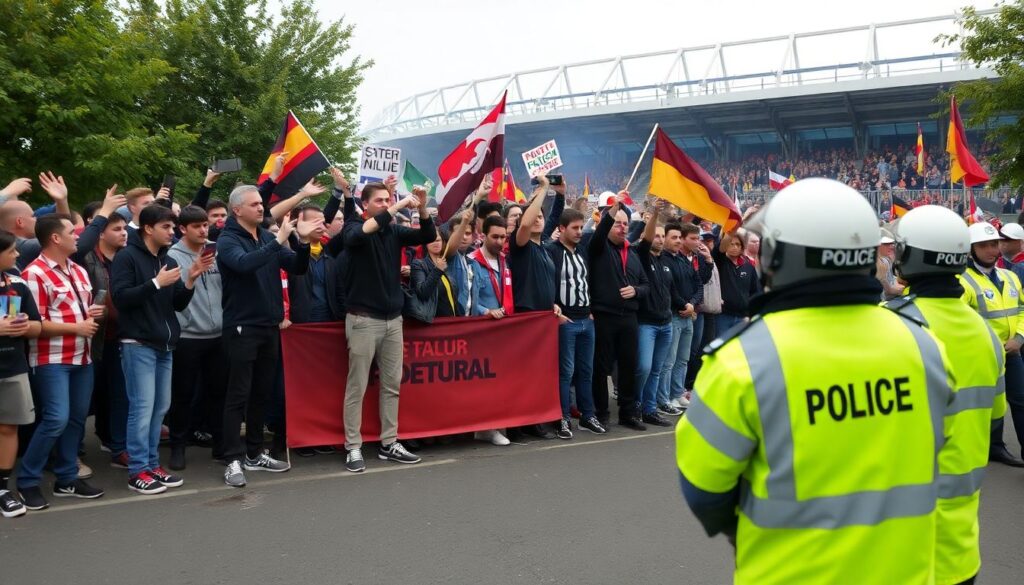
No. Some groups have a consistent record of violence, others focus mainly on atmosphere, anti-racist work or social projects. Violence is a risk, not an automatic property, and it depends on local history, leadership and relations with clubs and police.
Why are tifos and banners so important for political expression?
They turn abstract ideas-identity, history, ideology-into immediate images that the whole stadium and TV audiences can read in seconds. A single well-designed tifo can communicate more than a long statement from a club director or politician.
How do ultras and barras pay for trips, drums and pyrotechnics?
Typical sources are member fees, parties, raffles and selling scarves, stickers and clothing, including camisetas ultras fútbol comprar. In some cases there are informal deals with clubs or intermediaries for tickets, travel or access to stadium spaces.
Is buying flags or merchandise supporting extremism?
Not automatically. Many groups have no extremist ideology and simply express local pride or anti-racist values. The key is to check the group’s public messages, symbols and behaviour before you buy banderas y tifos personalizados para hinchadas or other items.
Why do authorities allow pyrotechnics and big drums in some countries but not others?
Regulations, safety culture and negotiation traditions vary. Some leagues allow controlled use of material pirotécnico y bombos para gradas de fútbol under strict rules; others ban them completely because of past accidents or lack of trust between police and fans.
Can tifos and chants really influence politics outside the stadium?
They rarely change elections directly, but they normalize symbols, slogans and identities among thousands of young people. When those fans participate in demonstrations, social media debates or local activism, the messages from the curva often travel with them.
What practical steps reduce conflict between ultras, clubs and police?
Clear agreements on flags, pyrotechnics and away travel; consistent sanctions for racist or violent behaviour; and regular dialogue platforms that include fan representatives. Blaming «radicals» without structure usually produces more distrust and less safety for everyone.