Historical background

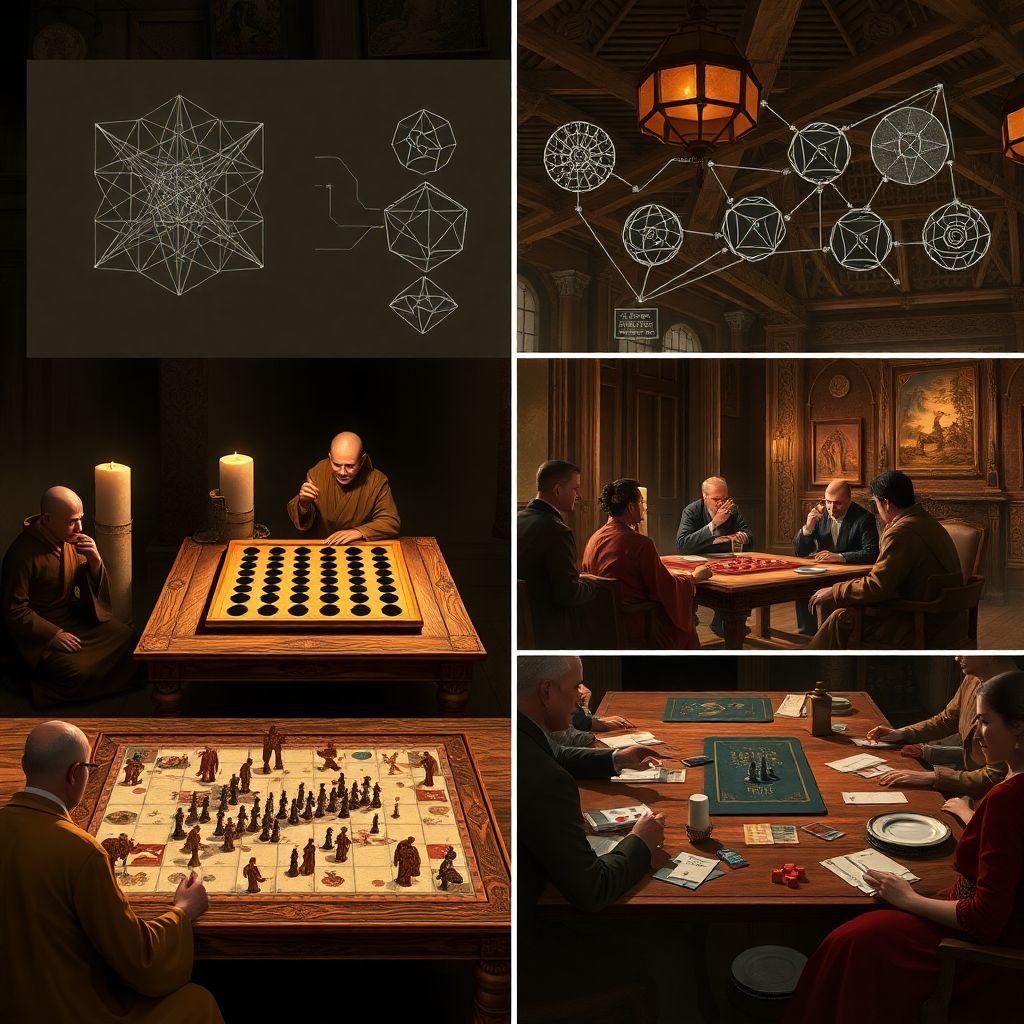
From the start, games have doubled as small philosophical laboratories, even when nobody used that word. Ancient strategy games like Go or chess encoded assumptions about order, hierarchy and prediction: power is centralized, information is mostly perfect, and victory comes from long‑term planning. Medieval courts played early “war simulators” to rehearse feudal logic; later, Enlightenment salons used gambling games to argue about rational choice. In the 20th century, war games inspired both military planning and early computer simulations, quietly shaping theories of control. Today, between tabletop experiments, prototyping tools and cursos online de diseño de juegos con enfoque filosófico, designers consciously treat rules as ways to discuss ethics, governance and individual agency through play.
Basic principles
Thinking about tactics as a language starts with one idea: rules are grammar. Every constraint tells players what “sentences” of behavior are possible, and which ones get rewarded or punished. A stealth game “speaks” in whispers about risk and patience, while a fast arena shooter shouts that aggression is virtuous. When we talk about diseño de juegos basado en sistemas de reglas y orden social, we mean that relationships between players, goals and penalties mirror social theories. Is cooperation mandatory or optional? Are resources scarce or abundant? The answers encode views on competition, solidarity and what “fairness” should look like inside this miniature world.
1. Rules define what counts as a meaningful action.
2. Feedback systems say which actions are good or bad.
3. Victory and loss conditions reveal what the world values.
Put together, this trio works like vocabulary, syntax and tone. Change any of them and you change the statement the game makes about freedom and control. For example, a strategy game that hides information suggests real‑world institutions are opaque; one that reveals every stat implies a belief in transparency. Tuning cool‑downs, prices or movement speeds might look like pure balance work, yet each tiny tweak is also an edit to the “sentence” about who gets to act, how often, and at what cost to others.
Examples from real practice
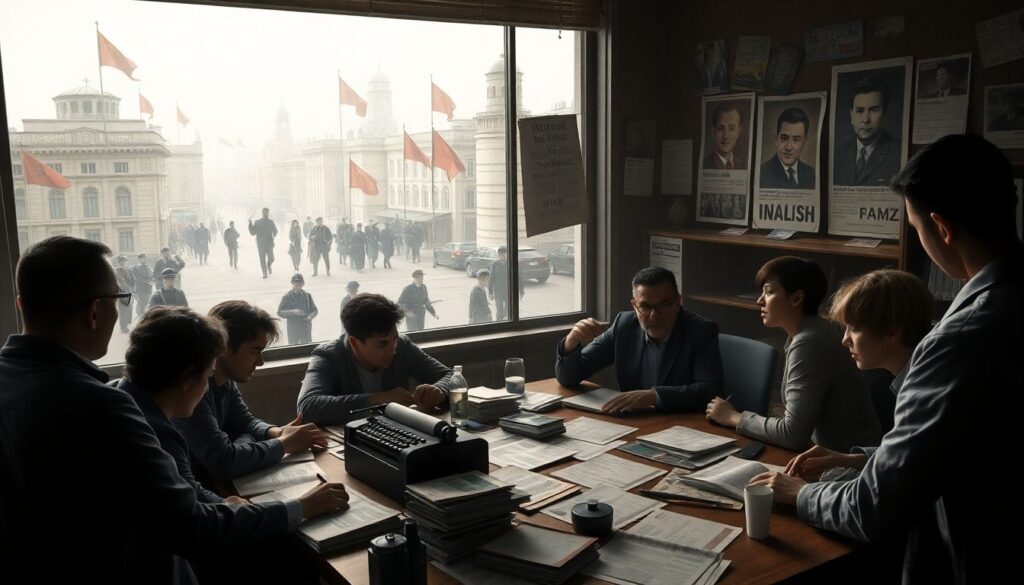
In tabletop design, a clear case is the wave of juegos de mesa sobre filosofía y toma de decisiones that put players into moral gray zones. One small‑press designer I worked with built a cooperative game where you run an underground newspaper in an authoritarian state. The tactical puzzle—allocate scarce ink, paper and safe houses—forces you to trade personal safety for truth‑telling. You can win only by collectively accepting risk, so the emerging “language” says that freedom of speech is a shared burden, not a heroic solo act. Players often leave the table still debating whether they were justified in sacrificing an NPC source to protect the group.
Digital teams approach it differently. A studio I consulted for wanted videojuegos que exploran libertad y control del jugador in a cyberpunk city. Instead of writing more lore, we reworked the police system. Early builds used simple wanted levels; later, we added predictive policing that flagged you based on past patterns. Tactically, optimal play became “behave just weird enough to slip past the algorithm.” Without a single lecture, the systems now communicate ideas about surveillance capitalism and how people self‑censor under data‑driven scrutiny, purely through emerging player strategies and the friction they feel while moving through the world.
Another striking pattern appears in the mejores juegos narrativos con decisiones morales profundas. A narrative team on a story‑driven RPG discovered that their dialogue choices looked morally complex but tactically trivial: most “good” options also gave the best loot. Players quickly decoded the real language: be nice, get rewards. To fix this, they separated ethics from optimization. Helping a struggling village meant long‑term supply shortages; siding with a corrupt baron yielded powerful gear but locked in systemic injustice. Suddenly, the tactics of min‑maxing and the story’s moral message clashed, forcing players to decide which “grammar” they cared about more—ethical coherence or instrumental efficiency.
Common misconceptions
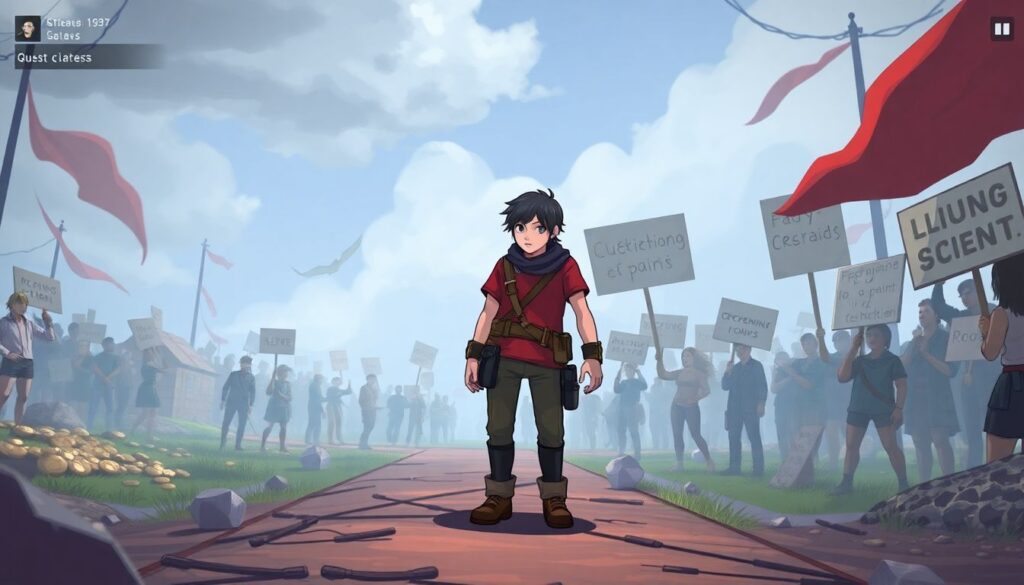
A widespread misconception is that players only care about fun, so any philosophical reading is imposed later by critics. In practice, behavior data says otherwise. When systems feel ideologically off—say, a revolution game where grinding money beats organizing allies—players complain that the fantasy “doesn’t make sense,” even if the numbers are fair. They instinctively notice when the tactical language contradicts the advertised themes. Designers who ignore this and treat mechanics as neutral math often end up reinforcing clichéd power fantasies they never intended, simply because the most effective strategies favor domination, hoarding and distrust as the safest paths to success.
Another myth is that you must build an explicit “morality system” to talk about ideas like order and freedom. In reality, quiet structural choices are enough. Who is allowed to break rules without punishment—player, NPC elites, nobody? What actions are impossible by design, like refusing a quest or walking away from a war? These absences also speak. That’s why more educators now use juegos de mesa and small prototypes in class instead of only lectures, and why some universities commission custom tools alongside cursos online de diseño de juegos con enfoque filosófico. Once you see tactics as language, you realize every cooldown, checkpoint and resource cap says something about what kind of world the game believes is natural, desirable or inevitable.