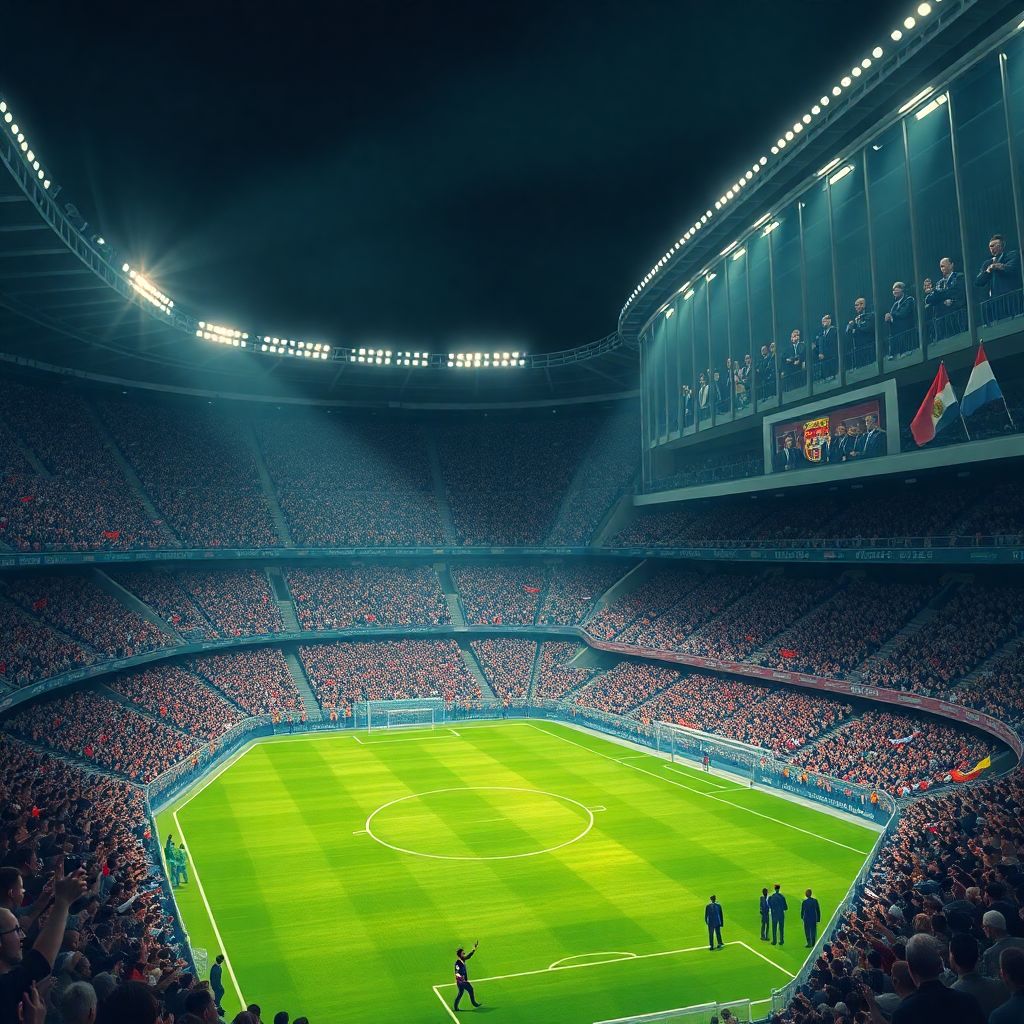
When a stadium stops being “just football”
Football fans like to say “keep politics out of the game.” Sounds nice. Also: totally impossible.
The moment you put 20, 50 or 90 thousand people in the same place, give them symbols, flags, songs and live TV — you get politics, whether you want it or not. Stadia are ready‑made theaters of power, protest and propaganda.
In this article, we’ll walk through real cases, compare different strategies that governments, clubs and fans use, and then look at less obvious tools and professional “hacks” for dealing with this explosive mix.
And yes, we’ll move from classic fútbol y política ejemplos históricos to current, very practical dilemmas.
—
Why stadiums are political by design
The perfect political machine
A modern stadium is basically a political dream:
– Huge crowds
– Strong emotions
– Clear “us vs them” structure
– Cameras everywhere
Add a flag, an anthem, a leader in the VIP box — you’ve got a live show of power. That’s why the relación entre fútbol poder político y dictaduras стала одной из самых обсуждаемых тем в социальных науках.
Short version: dictators and elected leaders alike know that whoever controls the stadium narrative, controls a big piece of public emotion.
Three basic roles of a stadium
1. Stage of power (showing who’s boss)
2. Megaphone for protest (challenging who’s boss)
3. Billboard for propaganda (selling a political story)
The rest is variations on these three roles.
—
Historical examples: from dictatorships to democracy banners
Madrid, Buenos Aires, Santiago: fútbol y política ejemplos históricos
Let’s start with some classic fútbol y política ejemplos históricos that still shape how we think about stadiums today.
Long paragraph:
In Franco’s Spain, Real Madrid’s Bernabéu became a symbol of the regime’s “success.” The club’s victories in Europe were constantly framed as proof of national greatness. Meanwhile, Barcelona’s Camp Nou quietly turned into one of the few semi‑safe spaces for Catalan identity: people could speak Catalan, sing songs, show the senyera flag when it was much riskier to do it elsewhere. In Argentina under the military junta (1976–1983), the 1978 World Cup was literally used to whitewash a regime that was torturing and disappearing people just kilometers away from the stadiums. Cameras were carefully directed to show happy crowds, not protesters or police. In Chile, the National Stadium in Santiago was used as a concentration camp after the 1973 coup — same stands, same grass, but now the “crowd” was prisoners and guards, not fans and players. You can’t find a stronger metaphor for how tightly football and power can be glued together.
Short one:
Same architecture, same chants — completely different political scripts.
From dictatorship tool to protest arena
Fast‑forward a few decades. The very same tool that dictators loved became a headache for modern governments.
Democracies learned that you can’t fully “switch off” political expression in a stadium — people will find a way.
– In Brazil, during the 2013 and 2014 protests, anti‑government chants rolled across World Cup games despite FIFA’s “no politics” rules.
– In Egypt, ultra groups became so organized that they played a visible role in the 2011 uprising, using stadiums as recruiting and training grounds.
– In Europe, banners and tifos comment regularly on government policies, human rights or corruption.
So when we talk about protestas políticas en estadios de fútbol, we’re talking about a structural feature, not a rare exception.
—
Power vs protest: competing strategies inside the stadium
How governments use stadiums
Authoritarian, hybrid and democratic regimes use different mixes of the same toolbox. Long story short, estadios de fútbol y propaganda política go hand in hand.
1. Symbolic occupation
Leaders in the VIP box, huge flags, military parades before games, national anthems extended into mini‑shows. It’s a way of saying: “All this emotion is also mine.” The 2018 World Cup in Russia is a textbook case: every perfect choreo and every new stadium doubled as a billboard for the Kremlin.
2. Event‑washing
Host big tournaments to clean your global image. Argentina 1978, Russia 2018, Qatar 2022 — different contexts, similar logic: let the world see lit stadiums, not political prisons. The match becomes a PR filter.
3. Co‑opting club identities
Sometimes power doesn’t build its own brand; it simply sticks to a popular club. Support from club owners tied to the ruling elite, friendly media coverage, “spontaneous” pro‑government banners. Think of it as soft capture rather than open control.
Short contrast:
Where dictatorships push; democracies usually nudge.
How fans fight back
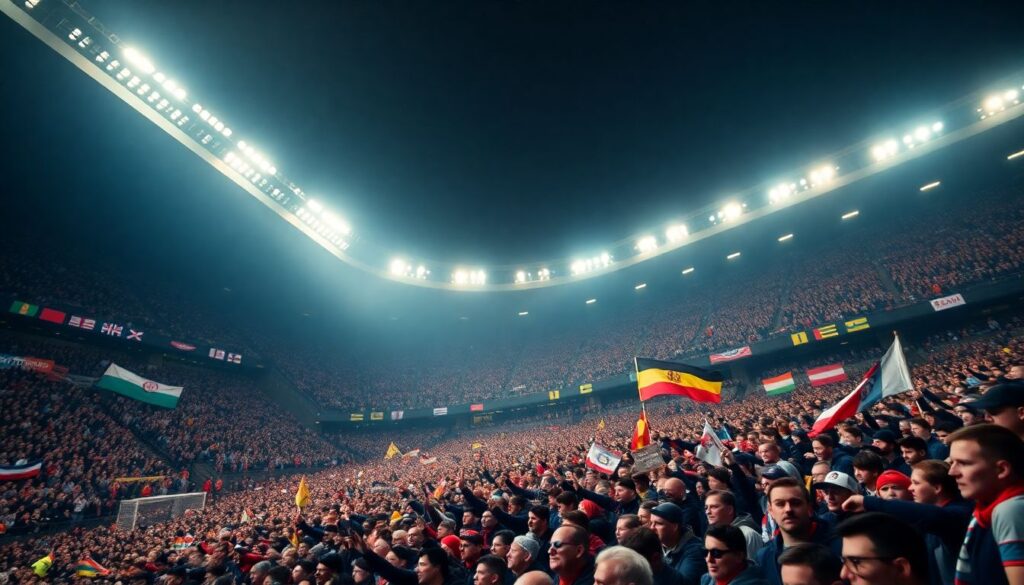
Fans and ultras have their own playbook for protestas políticas en estadios de fútbol.
Longer angle:
They know security watches the obvious stuff — big “down with the regime” banners, party flags, direct insults. So they encrypt messages. Chants with double meanings. Colors that signal political positions only locals will catch. Choreos that, at first glance, look purely football‑related but echo historical events or martyrs. Social media helps sync actions across stands and cities: one slogan appears in 20 stadiums in the same weekend, and suddenly it’s on the news.
Short one:
The smarter the censorship, the smarter the creativity.
—
Different approaches to “de‑politicizing” stadiums
Approach 1: Zero tolerance (ban everything)
Some leagues and states try a hard line: no banners, no political slogans, no “non‑sport” symbols. Any attempt = fines, stadium closures, arrests.
Pros (from their point of view):
– Clear rule, easy to communicate.
– Quick response to visible dissent.
Cons:
– Pushes politics underground instead of removing it.
– Turns stewards and police into censors.
– Often backfires: repression makes protests more newsworthy.
This approach is typical in regimes where the relación entre fútbol poder político y dictaduras is still very direct — the stadium is seen as a potential threat to be tightly sealed.
Approach 2: Controlled tolerance (let off steam)
Another model: allow some political expression as a safety valve.
Long explanation:
Authorities accept that people will chant, boo or raise a banner or two. As long as it doesn’t call for violence or directly attack specific individuals, security looks the other way. The idea is that stadium anger is “cheap”: you shout for 90 minutes and go home calmer. Politically, this approach bets on emotional exhaustion instead of confrontation.
Problem:
Sometimes the stadium becomes a lab where movements learn organizing skills and later take them to the streets. Egypt’s ultras are the classic example.
Approach 3: Norms, not bans (what some federations try)
A more nuanced strategy, used in parts of Europe:
– Ban hate speech, racism, explicit party propaganda.
– Accept general political messages as part of free expression.
– Focus on safety, not ideology.
This requires well‑trained stewards, clear communication, and — crucially — trust between clubs and fan groups. It doesn’t “solve” politics, but channels it away from violence.
Short comparison:
Ban‑everything tries to control the message. Norm‑based models try to control the damage.
—
Less obvious solutions: how to lower the temperature without killing passion
Design and scheduling as political tools
This is where it gets interesting. Instead of only fighting symbols, authorities and clubs can play with structure.
Longer view:
Stadium architecture matters. Safe standing areas, good sound distribution and clear fan‑group separation can reduce clashes between rival blocks whose political identities differ. Better transport routes reduce the chance that rival marches collide in the streets. Even kick‑off times influence risk levels: night games with plenty of alcohol and post‑work frustration have a different protest profile than early‑afternoon matches.
That’s a non‑obvious way to manage the political charge without touching slogans directly.
Dialogue platforms that actually work
“Fan forums” often become empty rituals. But some clubs and cities use them in a smart, political way:
– Invite not only ultras, but also smaller groups, women’s fan clubs, disability supporters. That dilutes one dominant narrative.
– Discuss not “politics in general,” but concrete issues: ticket prices, stadium bans, police behavior.
– Publish minutes and agreed rules — make the process visible and binding.
Short one:
When people feel heard on practical issues, they’re less likely to use every game as a political battlefield.
—
Alternative methods: looking beyond censorship vs freedom
Approach 4: Co‑creation of stadium culture
Instead of trying to erase political content, some clubs work with fans to shape a shared “civic” identity.
Example style (not a single case, but a pattern):
Joint projects around anti‑racism, local history, charity actions using matchdays for blood donations or food drives. The stadium becomes associated not just with politics of confrontation, but with politics of care. That doesn’t end polarization, but it adds another layer of meaning.
This is where many libros sobre fútbol política y sociedad point: changing the narrative from “stadium as battlefield” to “stadium as public forum.”
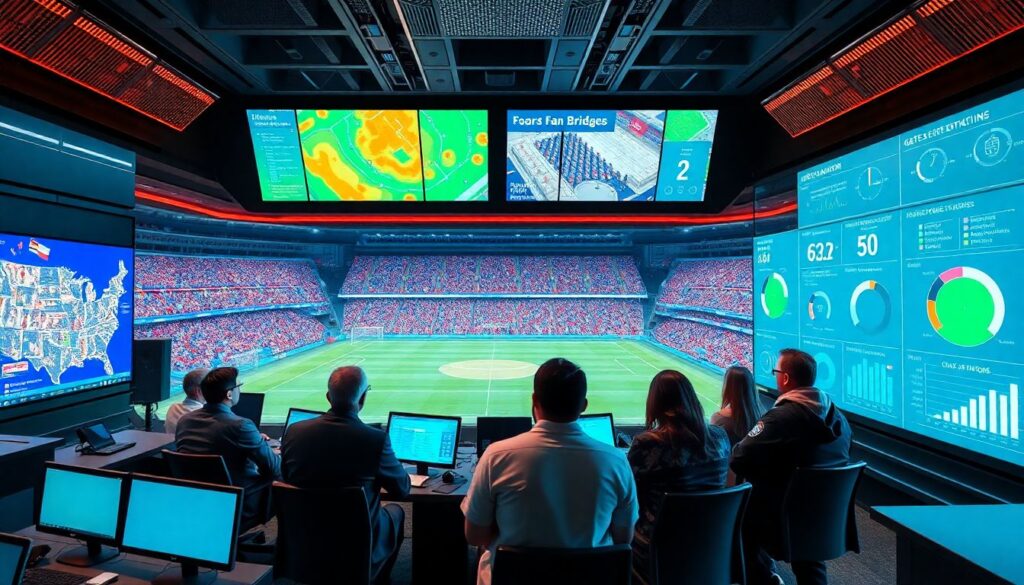
Approach 5: Data‑driven risk management
Very short:
Smart authorities don’t just follow instincts; they track patterns.
Longer, with detail:
– Map which fixtures tend to attract politically charged banners.
– Analyze which gates or sectors produce more incidents.
– Identify “bridge figures” — people respected both by fans and security.
Then they adapt: more trained stewards where needed, earlier communication if a sensitive anniversary is coming, pre‑agreed red lines for banners. It’s an alternative to brute force: same goal (avoid chaos), but with less collateral damage to free expression.
—
Professional lifehacks: for clubs, leagues and security staff
1. Don’t pretend politics doesn’t exist
Denial is the worst strategy. If management constantly repeats “we are apolitical” while politicians sit smiling in the VIP box, nobody buys it. Acknowledge the obvious: emotions in the stands have political dimensions. That honesty makes later rules sound less hypocritical.
2. Write rules like a human, not like a lawyer
Ultras love vague rules — they’re easier to twist and resist. Clear, specific, readable regulations are harder to attack.
1. Replace “any political content is forbidden” with concrete categories: hate speech, calls for violence, party logos, etc.
2. Publish visual examples of acceptable vs non‑acceptable banners.
3. Translate rules into fan slang on social media — not just official legal language.
Short tip:
If fans can’t repeat your rule in one sentence, it’s too abstract.
3. Train stewards as mediators, not mini‑police
Professional hack: the best steward is the one who solves an issue before it becomes a spectacle.
– Teach them to recognize escalating situations early.
– Give them de‑escalation scripts (“Look, you know this banner will get you all fined — let’s find a compromise”).
– Pair new stewards with experienced ones who know the culture of specific stands.
4. Use social media as an early warning system
Fans often announce their plans online without realizing how visible they are.
Longer approach:
Monitoring public fan pages, hashtags and forums isn’t about spying; it’s risk prevention. If you see a call for a coordinated protest at minute 19:74 of a game (referencing a political date), you can prepare: brief stewards, adjust camera plans, decide whether to intervene or let it happen and keep it safe.
5. Build relationships before you need them
The worst time to meet a capo or fan leader is during a crisis. Professional tip: cultivate regular, low‑drama contact.
– Invite them to stadium walk‑throughs about safety.
– Consult them when adjusting sector rules.
– Give them channels to complain that actually get answers.
Short payoff:
When conflict comes, you’re not strangers screaming at each other; you’re people with a history of cooperation.
—
So, what’s the “best” approach? A comparison
There’s no magic formula — but we can compare the main approaches.
Repressive vs dialogical models
– Repressive (zero tolerance)
– + Quick visible control
– + Satisfies hardliners in power
– – Increases resentment and creative resistance
– – Damages international image
– Dialogical (norm‑based, co‑creation)
– + Better long‑term stability
– + Respects basic rights
– – Requires time, trust and competence
– – Politicians can’t fully “script” the message
Short matrix of choices
If a government sees football fans as potential allies, it will invest in co‑opting and event‑washing.
If it sees them as enemies, it will push for militarized control.
If a club sees fans as customers, it will focus on comfort and PR.
If it sees them as a political risk, it will focus on surveillance and legal shields.
The trick — and this is where the most interesting innovations are happening — is to treat fans as citizens: emotional, noisy, sometimes contradictory, but capable of co‑creating safer and freer stadium spaces.
—
Final thought: stadiums as political laboratories
Short wrap:
Football stadiums concentrate society’s conflicts and hopes into 90 noisy minutes. That’s why they’re such powerful laboratories for democracy — or for authoritarianism.
Longer frame:
How a country manages its stadiums often predicts how it will handle bigger political storms. If you only see stands as a threat, you’ll answer with batons and bans. If you see them as a messy but valuable public sphere, you’ll experiment with dialogue, smart rules and shared responsibility.
Football will never be “just a game.”
But with smarter approaches, estadios de fútbol y propaganda política don’t have to be purely tools of manipulation — they can also be places where societies rehearse better ways of living, arguing and deciding together.