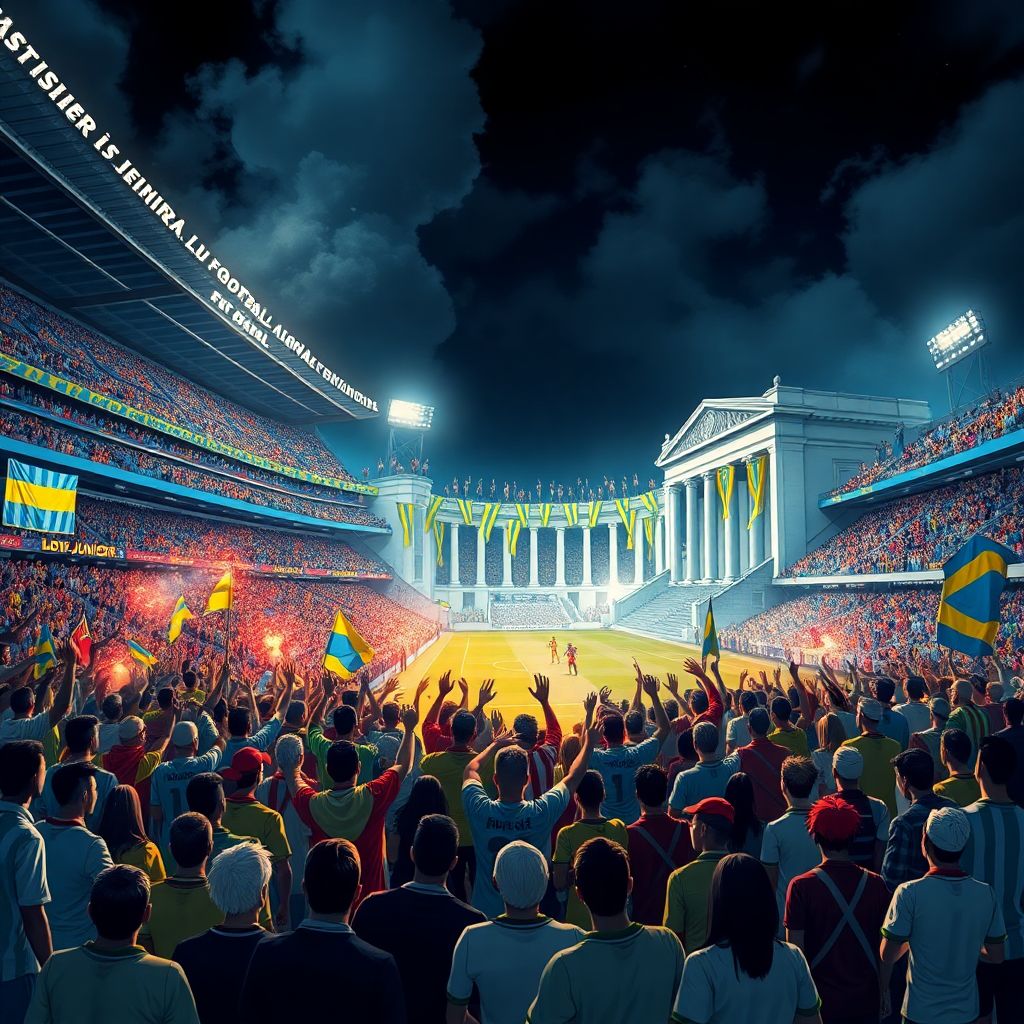
El fútbol como religión moderna: de los templos de barro a los estadios globales
Historical background: how a sport became a creed
When people say “football is a religion”, they’re not only being poetic. From late‑19th‑century Britain, the game spread along trade routes, railways and ports, taking root in working‑class neighborhoods that already buscaban símbolos de identidad. Very quickly, Saturday matches started to structure time much like religious calendars: weekends were “sacred”, derby days almost liturgical. After World War II, radio and TV turned local clubs into transnational symbols; today, with any fan able to use entradas fútbol hoy comprar online and plan their week around fixtures, the reach of this “faith” is wider and more immediate than most traditional churches.
Historical background: media, migration and global myths
Two processes pushed football into the role of modern religion: mass media and migration. Radio first gave matches a collective, almost ceremonial aura; millions listened simultaneously, narrators becoming a kind of secular clergy. Migration did the rest: Italians in Argentina or Turks in Germany carried club loyalties like portable shrines, mixing them with new local colors. Over time, players like Pelé, Maradona or Messi стали фигурами наподобие святых: их биографии переосмысляли, очищали от противоречий, превращали в легенды, которые рассказывают детям как притчи о спасении, падении и чуде возвращения на вершину.
—
Basic principles: what makes football “religious”?
Shared beliefs and invisible communities
At the core of any religion are shared beliefs and a feeling of belonging to something bigger. Football replicates this through club myths: founding stories, heroic comebacks, tragic relegations turned into origin legends. A fan in Mexico City, another in Tokyo and a third in Lagos may never meet, but они чувствуют себя «своими» только потому, что носят один и тот же шарф. The simple act of wearing colors or buying camisetas de fútbol oficiales tienda functions like putting on ritual clothing: it signals faith, loyalty and a willingness to suffer and celebrate together, even when results are cruel.
Ritual time, sacred space and small daily practices
Religions organize time (festivals, fasts) and space (temples, shrines). Football does something very similar. Matchday turns an ordinary stadium into sacred ground where people sing, cry and hug strangers. Season schedules divide the year into meaningful cycles: pre‑season as Advent, decisive spring fixtures as a form of Holy Week. Even domestically, fans build little rituals: same bar, same seat, same lucky snack. Many now structure evenings around a suscripción plataformas para ver fútbol en vivo, assembling family or friends at fixed times in front of a screen, превращая обычную гостиную в маленькую транснациональную капеллу, где под одну трансляцию собираются люди из разных стран и часовых поясов.
—
Examples and case studies: rituals, myths and communities
Case 1: Boca Juniors and the “temple” of La Bombonera
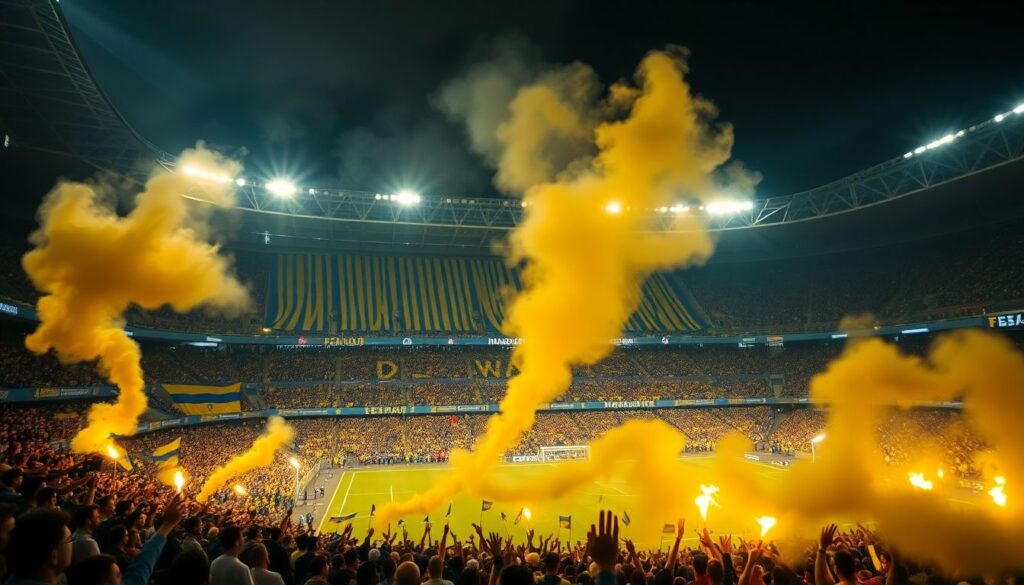
In Buenos Aires, La Bombonera is more than a stadium; locals call it a templo. Before big games, fans arrive hours in advance, hanging banners like votive offerings, lighting flares and chanting in loops that resemble mantras. One season ticket holder described how he never crosses a particular street corner without touching a wall painted in blue and yellow, almost like kissing a religious icon. For many working‑class supporters, attending a superclásico is the emotional equivalent of a major pilgrimage; they’ll save for months, cutting other expenses, just to secure entrance, иногда буквально занимая деньги у соседей, чтобы не пропустить этот «обряд инициации» для своих детей‑подростков.
Case 2: Liverpool, “You’ll Never Walk Alone” and communal grief
Liverpool FC is a textbook example of football as a community of memory and mourning. The anthem “You’ll Never Walk Alone” began as a song, but now operates like a collective prayer. After the Hillsborough disaster, the chant turned into a ritual of shared grief and resistance: scarves raised, voices merged, and the stadium acted as a public space for processing trauma. New generations learn not just the lyrics, but the story behind them, как если бы это был священный текст. Fans visiting Anfield from abroad often describe the first collective rendition as “spiritual”, even if they’re not religious in the traditional sense and приехали просто как туристы, чтобы увидеть «иконический» стадион.
Case 3: European away trips and modern pilgrimages
Organized viajes para ver partidos de fútbol en Europa show how tourism blends with quasi‑religious pilgrimage. Groups from Asia or the Americas spend significant sums and vacation days to follow a club across several countries, meticulously planning stadium visits, museum tours and match tickets. One Brazilian group described a week‑long trip to see games in Madrid, Barcelona and Milan as “doing the Camino, but with football”: early trains instead of long walks, stadiums instead of cathedrals, chanting instead of hymns. Planning starts months ahead: checking calendars, using entradas fútbol hoy comprar online, trading tips in forums; the emotional payoff is narrated later almost как паломнический опыт, изменивший «футбольную жизнь» участника.
Case 4: Domestic living rooms and digital fan communities
Not every ritual happens in a packed arena; many unfold quietly at home or online. A family in Seville, scattered across three cities, watches every derby “together” by synchronizing a streaming service, keeping a parallel video call open. In forums and group chats, thousands of fans build digital parishes: they debate tactics, share memes, honor past legends. Here, buying camisetas de fútbol oficiales tienda or rare merchandise becomes part of an identity‑building process: posting a photo with a new kit, telling the story of how you got it, collecting likes and comments—this all functions как признание в вере, подтверждение статуса «истинного» болельщика внутри виртуальной общины.
Case 5: Books, archives and the theology of the game
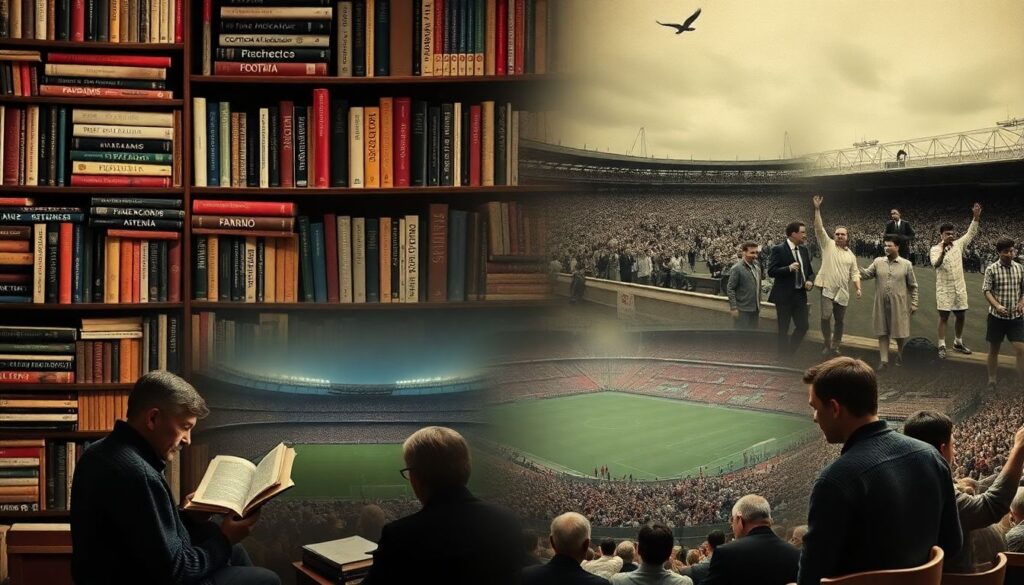
Religions rely on scriptures and commentaries; football expands through stories and analysis. The growing demand for libros sobre historia y cultura del fútbol comprar shows how fans want more than highlights. They seek context: political tensions behind a derby, class conflicts that shaped a club, the biography of fan heroes and villains. Academics and journalists act almost like theologians, interpreting old matches, arguing over “canonical” goals or definitive line‑ups. Their essays circulate in fanzines, podcasts and university courses, формируя своего рода светское богословие мяча, которое помогает болельщикам осмыслить собственные эмоции и объяснить, почему поражение в полуфинале ощущается как личная катастрофа.
—
Common misconceptions and critical nuances
“Football as religion” doesn’t mean people stopped believing in God
One frequent misunderstanding is that calling football a religion automatically implies secular societies simply swapped churches for stadiums. In reality, many fans maintain both identities: they go to mass on Sunday and to a match on Saturday, or celebrate religious holidays while defending club colors with equal fervor. The comparison works better on a sociological level: структуры, ритуалы и эмоции похожи, но это не прямая замена. For some, football fills gaps that institutional religions left open—especially around community and joy—but for others it’s just one important layer in a more complex web of beliefs and loyalties that includes family, nation and faith.
Passion vs. fanaticism: where the line gets blurry
Another misconception is that intense fandom is automatically harmful. While there are real problems—violence, racism, hyper‑commercialization—most supporters navigate their passion without crossing into destructive behavior. Clubs and leagues now experiment with educational projects, fan liaison officers and inclusive initiatives to channel energy positively. Fans themselves create informal rules: they tease rivals but protect certain boundaries, especially around tragedies or personal attacks. В этом смысле футбольная «религия» постоянно переосмысливает свои заповеди: что считается допустимым, как относиться к игрокам, сменившим клуб, или к болельщикам‑«туристам», которые приезжают с пакетами «viajes para ver partidos de fútbol en Europa» и разделяют эмоции, но не разделяют повседневные местные реалии.
Commercialization doesn’t automatically kill the “sacred”
It’s tempting to say that TV deals, premium tickets and global merchandising have destroyed the purity of football as a communal ritual. Reality is more ambiguous. Yes, dynamic pricing for seats or constant marketing pushes can alienate local fans; yes, suscripción plataformas para ver fútbol en vivo может превратить болельщика в пассивного потребителя контента. But at the same time, new technologies and markets also open doors for distant supporters who’d never set foot in a stadium otherwise. The “sacredness” doesn’t vanish; it shifts location—from terrace chants to global watch parties, from paper fanzines to online forums, from neighborhood pubs to multicultural fan clubs in cities far from any major league.
Football is not inherently a religion, but it often behaves like one
Finally, some critics argue that the metaphor is overused, insisting “it’s just a game”. From a narrow perspective, they’re right: no dogma, no clergy, no promise of afterlife. Yet if we look at lived experience—rituals, myths, pilgrimages, sacred objects—the parallels are hard to ignore. The crucial nuance is analytical: football is not a religion in the theological sense, но оно выполняет часть тех же социальных функций. It offers meaning, belonging, shared memory and structured emotion in late‑modern societies where many traditional institutions lost authority. Understanding this doesn’t diminish the beauty of the game; it simply помогает увидеть, почему девяносто минут на поле способны управлять чувствами миллионов людей по всему миру.