Por qué hablamos de “fábricas de talento” en 2026
Youth academies used to sound romantic: kids, dreams, a ball, a coach who believes in them. In 2026, that image is badly outdated. Many big clubs and private centers now operate more like talent factories than schools: data-driven, investment-focused, obsessed with fast results and resale value. When parents google *academias de fútbol para jóvenes en españa* or “best tennis academy in Europe”, they’re not just choosing a place to train. They’re entering a system with very real ethical risks: pressure, burnout, and yes, exploitation of minors.
This doesn’t mean every academy is toxic, or that sports are the enemy. It means that if we talk honestly about modern trends, we have to admit one uncomfortable truth: kids have become assets in a global talent market, and the line between opportunity and abuse is thinner than ever.
—
Real cases: when the dream turns into a contract
Let’s ground this in stories, not theory.
In Spain and Portugal there have been repeated reports (some already in courts, others in investigative journalism) of teenagers from Africa and Latin America brought over with promises of trial periods in *internados de fútbol con residencia para menores*. Their passports are sometimes held “for safety”; they live in cramped conditions, train twice a day, and are told not to complain because “scouts are watching”. Many never get a pro contract. When the paperwork expires, they are simply sent home or left on their own, with no education and no support.
Another example: a well-known elite tennis program in Central Europe (publicly praised as one of the *mejores escuelas deportivas de alto rendimiento para niños*) was quietly investigated after several athletes reported depression, self-harm, and eating disorders. The training looked “professional”: GPS, nutritionists, cryotherapy, mental coaching. But behind the tech, coaches normalized public humiliation, forced weigh-ins, and “motivational” punishments that looked a lot like psychological abuse.
A third pattern is more subtle. In several football academies attached to big European clubs, teenagers sign long contracts with complicated image-rights clauses. On paper, everything is legal. In practice, some families later discover their kid’s name and image have been used for marketing, content and sponsorships in ways they never really understood. The problem isn’t just what is in the contract; it’s the power imbalance when a 15-year-old faces a club lawyer.
—
Modern pressure: data, visibility, and the 24/7 portfolio kid
If you were a talented teen in the 1990s, your pressure came from your coach, your parents, and maybe a local newspaper. In 2026, it comes from everywhere at once. The academy posts every game on YouTube. There’s a performance app sending weekly reports. College recruiters scroll TikTok. Agents DM on Instagram. Every drill can become content.
The result is the “portfolio kid”: a teenager who feels like they must constantly produce highlight material. No bad match, no rest day, no off-season. Sleep trackers tell them they’re “underperforming”; GPS says they didn’t run enough high-intensity sprints; their ranking or internal “score” is shared in group chats “for transparency”. On top of that, some academies send regular updates to parents that look like corporate KPIs: minutes played, goals, sprint counts.
The pressure isn’t just to be good. It’s to be measurable.
—
Where ethics usually fail (and it’s not only about money)
Most scandals in youth sport don’t begin with cruel villains; they start with small ethical shortcuts that feel “practical”:
1. Overtraining is excused as “necessary sacrifice”
A 14-year-old with chronic knee pain is told “this is elite sport, not school PE”. Rest means losing a place in the lineup, so the kid hides injuries. Medical staff are either overruled or underfunded.
2. School becomes a decorative accessory
Many programs still advertise “dual career” but quietly schedule training during key classes or exams. Teachers are asked to be “flexible” until academics are effectively optional. When these teens don’t go pro, they hit a wall.
3. Psychological abuse is rebranded as “old-school toughness”
Shouting, threats, public rankings, benching kids as punishment for one mistake: all justified as “building character”. In 2026 we know much more about trauma, but some coaches still cling to the “what doesn’t kill you makes you stronger” myth.
4. Family dependence is exploited
When parents complain, contracts, scholarships, or housing can be quietly used as leverage: “If you push too hard, we’ll have to reconsider his place here.” Technically not illegal, but very effective for silencing concerns.
—
Money talk: the business behind the dream
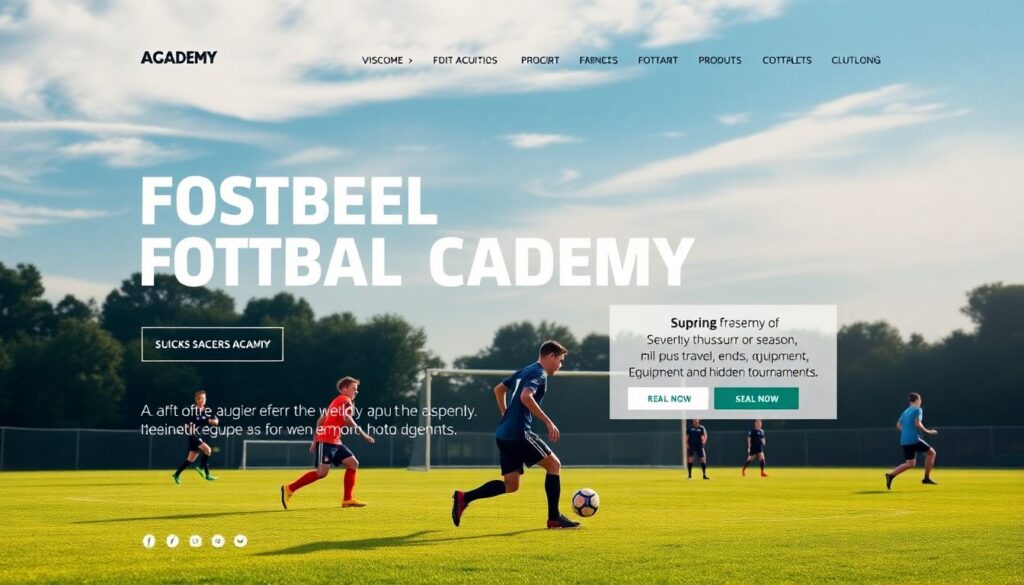
Open any slick website and you’ll see inspiring phrases; what you won’t always see clearly is the *precio academia de fútbol profesional para adolescentes*. Fees in Europe or the US can easily reach several thousand euros or dollars per season, not including travel, equipment and hidden costs (tournaments, special camps, “optional” extra sessions that become de facto mandatory).
The new business model isn’t only about tuition. In 2026, many academies:
– Sell data-based “talent reports” to agents or clubs.
– Monetize kids’ content on social media and streaming.
– Take a cut on future transfers or scholarships.
This creates a structural conflict of interest. If your income depends on selling success stories, how likely are you to slow a kid down, recommend a different sport, or insist on less training and more rest?
That’s why the key question for parents in 2026 is not “Can I afford it?” but “What exactly are they monetizing, and who truly benefits?”
—
Not-so-obvious solutions: what actually changes the system
We’re used to hearing generic advice like “we need better regulation” or “parents should be more involved”. True, but too vague. There are some less obvious, more practical levers that actually shift power toward kids.
One interesting trend: a few academies now use independent athlete advocates. These are professionals (not employed by the club) whom kids and parents can contact confidentially about contracts, health, or bullying. Their job is to translate legal and medical jargon into human language and help families push back without fearing retaliation.
Another promising idea is transparent, age-sensitive contracts. Instead of burying everything in 20 pages of legalese, some forward-thinking programs use layered agreements: a short “kid’s version” written in simple language, reviewed with the athlete in person. Parents sign the full contract, but everyone understands the core rights: rest, education, medical autonomy, and the ability to report abuse.
Some federations are finally enforcing mandatory playing time and maximum training loads in younger age groups, backed by digital monitoring that is shared with medical staff, not social media. It’s imperfect, but it sets limits before winning youth tournaments becomes more important than long-term health.
—
Alternative pathways: not every talent needs a factory
The good news: in 2026, the only road to high performance is no longer the traditional mega-academy. For some kids, more flexible models are not just safer; they also work better.
You now see:
– Smaller community-based high-performance hubs
Local clubs partnering with schools and universities, sharing facilities and staff, where 20–40 motivated kids receive quality coaching without turning into a boarding-school army.
– Hybrid development models
Teens living at home, enrolled in normal or online schools, training part of the week in elite centers and the rest with local teams. Less glamorous, but often more stable emotionally.
– Cross-sport development
Instead of forcing early hyper-specialization, some programs deliberately keep kids in two or three sports until 15–16. This reduces overuse injuries and lets late bloomers find their real fit, whether that’s football, athletics, or something completely different.
These alternatives may not look like the *mejores escuelas deportivas de alto rendimiento para niños* you see in glossy rankings, but they might be healthier routes to genuine high performance.
—
How to actually choose a safe and ethical academy in 2026
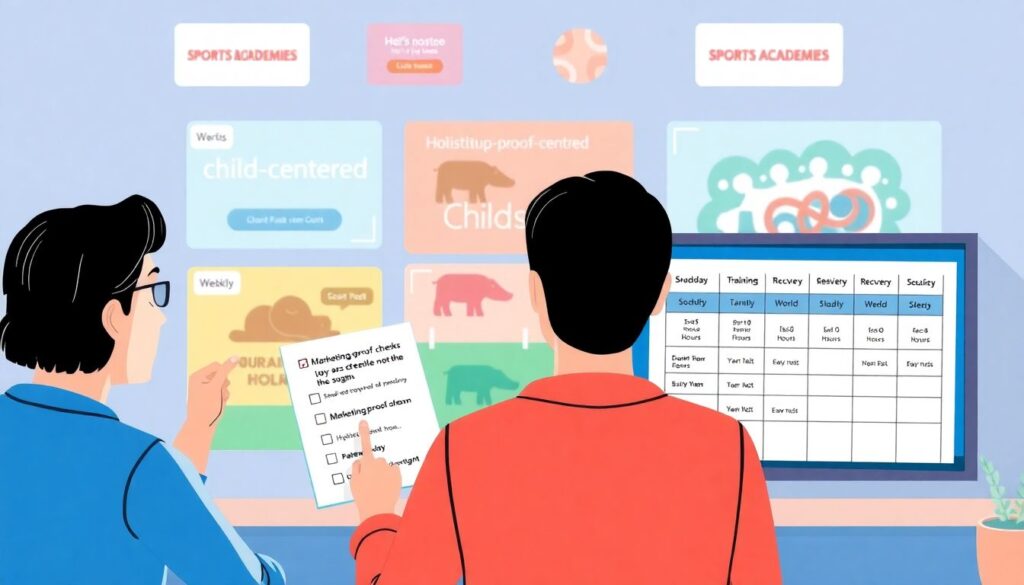
Parents often ask: *cómo elegir academia deportiva segura y ética para niños* when everybody online claims to be “holistic” and “child-centered”? A few marketing-proof checks help a lot.
1. Follow the schedule, not the slogan
Ask for a real weekly plan: hours of training, study, recovery, sleep. If it doesn’t leave space for school, rest, and free time, the problem is structural, not accidental.
2. Check who controls academics
Is school just a partner on a brochure, or are there formal agreements, dedicated tutors, and consequences if a kid skips class? Talk to the school, not just the academy.
3. Ask about exit pathways
What happens if your child quits or is cut at 16? Is there a plan, or just a shrug? Ethical programs can show you former players who left and are doing fine.
4. Demand clear medical and mental-health protocols
Who has the final say on return-to-play: coach or doctor? Are there independent psychologists, and can kids see them without informing the coach first?
5. Read the contract with someone on your side
Before signing with *internados de fútbol con residencia para menores*, get a lawyer or an experienced agent who doesn’t work for the academy. Ask bluntly about image rights, data use, and what happens in case of serious injury.
If the academy treats these questions as annoying instead of normal, that’s your answer.
—
Hidden traps around “professionalization” and early specialization
One of the most dangerous messages kids receive in 2026 is: “If you’re not fully professional by 13–14, you’re late.” This story is pushed by some high-end football, gymnastics and tennis programs to justify adult-style schedules, travel and diets for very young kids.
The science doesn’t support this. Data across multiple sports show many top-level athletes were still multi-sport generalists at 14–15. The path that looks “slower” (more school, more varied physical activity, less travel, fewer tournaments) often leads to longer, healthier careers.
Yet families keep buying the opposite narrative because it’s wrapped in urgency: limited spots, early selection, “next-gen” programs. This is where the *precio academia de fútbol profesional para adolescentes* becomes a psychological tool: if you’re paying a lot, you feel compelled to accept the “all in or nothing” logic.
A simple counter-strategy: treat early specialization as a medical decision, not a marketing one. If a program suggests adult training volumes before puberty is complete, run this by a pediatric sports doctor who doesn’t depend on that academy’s business.
—
Lifehacks for professionals inside the system
Not all change will come from laws or parents. Coaches, physios and administrators working in academies can nudge the system in better directions, even without rewriting company policy.
A few practical tricks:
1. Normalize “red flag” language with kids
Teach your athletes simple phrases that signal they need help: “My pain is not going away,” “I feel scared to come to training,” “I can’t sleep before games.” Then respond seriously when they use them. This costs nothing and builds trust.
2. Protect one non-negotiable rest block per week
Even in hyper-busy programs, someone can quietly guard a no-training window: one full day or two evenings when nothing can be scheduled. Frame it as performance recovery; sell it in the language your management understands.
3. Separate evaluation from humiliation
You can still be demanding without ranking kids publicly or using sarcasm. One-on-one feedback, private video review, and clear performance goals beat “name-and-shame” boards every time.
4. Collect anonymous feedback and act on one thing
Once or twice a year, run a simple anonymous survey for athletes about pressure, burnout, and safety. You don’t need to fix everything at once; commit to one concrete change and tell them what you’re doing. It shows that their voice matters.
5. Be the adult who talks about Plan B as Plan A-Plus
Regularly highlight ex-players who built great lives outside top-level sport. When kids hear this from a respected coach or staff member, Plan B stops feeling like failure and more like another version of success.
—
Rewriting the story: from factories to ecosystems
If we keep seeing youth academies only as “factories of talent”, kids will continue to be treated like raw material: sorted, processed, and discarded if they don’t fit. The alternative metaphor matters. Think less factory, more ecosystem: many roles, many outcomes, constant feedback, and the understanding that health and dignity are not luxuries but core components of performance.
In 2026 we have enough research, enough whistleblower stories, and enough digital tools to make youth sport better than it was. The open question is whether parents, professionals and institutions will use that knowledge to change habits, not just speeches.
The real measure of an academy isn’t just how many pros it produces. It’s how many 25-year-olds who didn’t “make it” can honestly say: “That place was tough, but it was fair. I left with my body, my mind, and my options intact.”