Women's football in Spain can move toward recognition, equal pay and cultural change by combining clear data, collective negotiation and targeted grassroots programmes. Use transparent KPIs, structured bargaining strategies, equity-oriented policies, and commercial growth plans that value women's competitions. Align this with education in schools and clubs to shift attitudes and retain girls.
Executive briefing: state and goals of women’s football
- Define a national vision for women's football that links elite success with mass participation and inclusion.
- Audit current pay, conditions and visibility compared with men's football across leagues and national teams.
- Fix a multi‑year roadmap with milestones for contracts, facilities, media presence and youth pathways.
- Engage key actors: players, unions, clubs, federations, broadcasters, sponsors and public institutions.
- Design commercial strategies that turn interest in fútbol femenino entradas partidos into sustainable revenue.
- Invest in cultural change: coach education, school programmes and visible role models in all Spanish regions.
Historical milestones and systemic barriers facing the women’s game
This approach suits federations, clubs, player unions, NGOs and public bodies that want a structured plan for equality in women's football, especially in Spain and wider Europe. It is not a quick-fix guide for individual players seeking immediate personal salary changes without collective backing.
- Map key historical milestones of women's football in Spain and globally, including bans, re-legalisation and major tournaments.
- List structural barriers: legal restrictions, federation priorities, investment gaps, media underexposure and limited professional pathways.
- Identify how these barriers still appear today in scheduling, facilities, medical support and youth scouting.
- Compare treatment of women's matches with men's: kick-off times, stadium allocation and promotion of fútbol femenino entradas partidos.
- Analyse commercial discrimination, for example in patrocinios y publicidad en fútbol femenino versus men's sponsorship packages.
- Document cultural stereotypes that push girls away from the sport and limit leadership roles for women in clubs and federations.
- Clarify which barriers can be changed quickly by policy (contracts, bonuses, facilities) and which require longer cultural work (attitudes, media narratives).
Measuring the gap: data sources, KPIs and benchmarking pay inequality
- Secure access to anonymised salary and bonus data from clubs, leagues and national teams, with legal and data protection compliance.
- Collect information on working conditions: contract length, medical coverage, maternity protections, travel standards and dual-career support.
- Define core KPIs: median salary gap, share of revenue spent on women's teams, marketing investment, stadium usage and media exposure.
- Use comparable benchmarks across clubs and regions: same league level, similar stadium size, similar audience potential.
- Include commercial metrics linked to demand: shirt and merchandising sales, especially camisetas oficiales selecciones fútbol femenino and club jerseys.
- Track participation indicators in the grassroots system: number of girls' teams, retention from U12 to senior, and escuelas de fútbol femenino inscripción rates.
- Agree on an annual reporting cycle with transparent public summaries and internal detailed dashboards for decision-makers.
- Assign responsibility for data collection and analysis to a mixed team: federation analysts, club finance staff, union representatives and independent experts.
Negotiation playbook for players, unions and agents
Before starting structured negotiations, complete this short preparation checklist:
- Gather all relevant contracts, pay slips, bonus rules and internal regulations for the last seasons.
- Summarise key data on pay gaps and working conditions across comparable men's and women's teams.
- Define a clear mandate from players through meetings, surveys or assemblies, recorded in writing.
- Agree on a united public message among players, union and agents to avoid contradictory statements.
- Identify safe red lines (non-negotiables) and areas where phased progress is acceptable.
-
Consolidate a representative negotiating team
Form a small group of players, union staff and specialised lawyers with a clear mandate from the wider squad.
- Include at least one experienced player and one younger player to reflect different needs.
- Ensure gender-balanced legal and advisory support where possible.
-
Define non-negotiable minimum standards
Set baseline demands on contracts, health and safety, travel, facilities and anti-discrimination that must be achieved in the first agreement.
- List concrete items: professional status, insurance, maternity protections, pitch quality, changing rooms.
- Align these standards with national labour laws and federation regulations.
-
Build the financial and legal case
Prepare a documented argument combining legal rights, commercial potential and fairness principles.
- Use market indicators: attendance trends, broadcast interest and patrocinios y publicidad en fútbol femenino.
- Include examples from other national teams or leagues that improved pay and conditions.
-
Set phased targets and timelines
Break down the equality objective into realistic stages with clear dates.
- Short term: minimum wage, basic professional standards, better medical and travel conditions.
- Medium term: performance-related bonuses aligned with men's teams, image rights frameworks.
- Long term: revenue-sharing models and full parity in national team daily allowances.
-
Plan communication and media strategy
Coordinate how and when to communicate with media, fans and institutions during negotiations.
- Prepare key messages focusing on respect, professionalism and sustainability.
- Use interest around fútbol femenino entradas partidos to explain why investing in players is logical.
-
Use pressure tools responsibly
Define escalation steps (statements, symbolic actions, training strikes, match boycotts) with clear risk analysis.
- Avoid steps that endanger players' health or safety.
- Consult legal counsel before any collective action that might breach contracts.
-
Close, monitor and enforce the agreement
Once an agreement is reached, ensure robust compliance mechanisms and review clauses.
- Set up a joint monitoring committee with regular meetings and transparent minutes.
- Include clear penalties for non-compliance and a process for dispute resolution.
Policy levers for clubs and federations to implement equitable pay
- Confirm that all women's first-team players have written professional contracts aligned with national labour standards.
- Check that pay scales, bonuses and daily allowances are published internally with gender-neutral criteria.
- Verify that national team match fees for women and men follow a transparent, comparable structure.
- Ensure collective bargaining agreements cover women's players explicitly, not as an annex or exception.
- Review resource allocation: medical staff, pitches, gym access, analysis tools and travel are equivalent to men's teams of similar level.
- Audit marketing and communication budgets dedicated to women's football campaigns each season.
- Confirm that sponsorship contracts do not restrict the visibility of women's teams or funnel all activation to men's matches.
- Integrate equality clauses into club and federation statutes, requiring periodic public reporting on progress.
- Establish a complaints mechanism where women players can safely report discrimination or breaches of agreed standards.
- Schedule annual joint reviews with player representatives to adjust policies according to new realities.
Commercial growth: media rights, sponsorship activation and revenue models
- Focusing only on short-term profit and ignoring long-term audience building for women's competitions.
- Packaging women's media rights as a free add-on to men's deals, instead of negotiating their standalone value.
- Under-activating sponsors by limiting campaigns to a single match day instead of season-long storytelling around players.
- Neglecting e-commerce strategies, including clear options for equipaciones fútbol femenino comprar online across all major clubs.
- Failing to stock and promote camisetas oficiales selecciones fútbol femenino in club shops, stadiums and online stores.
- Ignoring local community links and schools when planning patrocinios y publicidad en fútbol femenino, reducing impact and loyalty.
- Setting ticket prices either unrealistically low or high without analysing local income levels and fan expectations.
- Using stadiums that are too large or too small, creating a poor atmosphere and inefficient operating costs.
- Over-relying on a single broadcaster or sponsor without diversifying revenue sources such as memberships and matchday experiences.
- Failing to collect fan data (with consent) to understand who attends matches, who buys shirts and why they support the team.
Culture shift from grassroots to pro: programs that change attitudes and retention
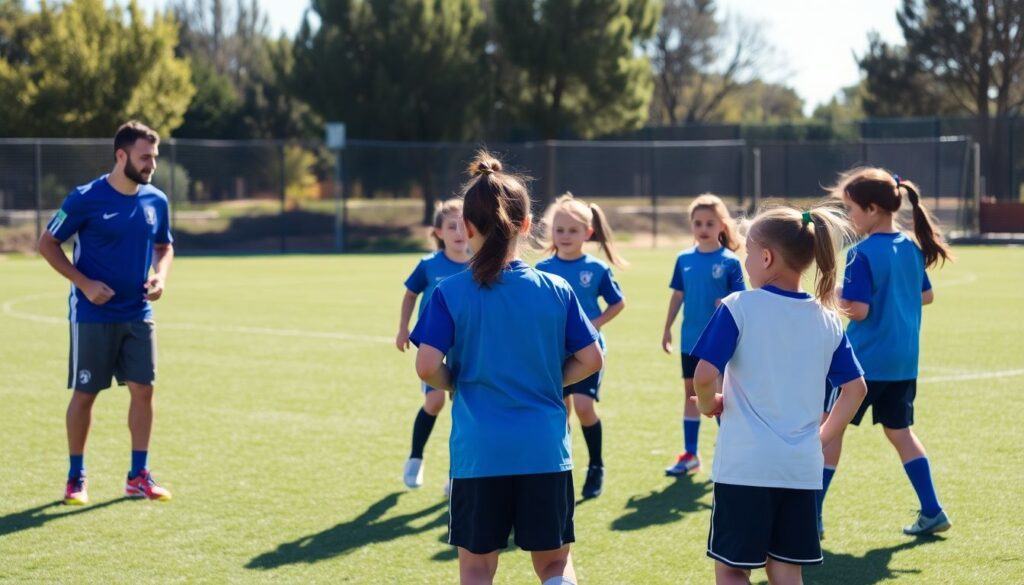
- School-based football and education programmes – Combine regular mixed and girls-only football sessions with classroom content on equality, respect and role models. Use local clubs and players as ambassadors in Spanish schools.
- Community club transformation projects – Support amateur and semi-professional clubs to create or expand girls' sections, improving coach education, facilities and visible pathways to senior women's teams.
- Targeted talent and retention pathways – Design clear routes from escuelas de fútbol femenino inscripción through to elite academies, universities and professional contracts, with support for education and mental health.
- Leadership and visibility initiatives – Develop programmes that place women in coaching, refereeing, management and media roles, ensuring that girls see multiple futures within football beyond playing.
Practical concerns and concise solutions for implementation
How can small clubs start improving conditions with limited budgets?
Prioritise contracts, insurance and safe facilities first. Share resources with nearby clubs, seek local sponsors aligned with women's sport and gradually increase investment as attendance and community support grow.
What is a realistic first step toward equal pay at federation level?
Align national team daily allowances and basic match fees for women and men, even if prize money or bonuses remain different at the beginning. This creates a clear foundation for further negotiation.
How do we avoid backlash when promoting women's football more strongly?
Frame changes as upgrades for the whole club or federation, not a zero-sum fight with men's teams. Communicate benefits for fans, communities and sponsors, and highlight shared values rather than conflict.
What role can fans play in supporting equality in women's football?
Buy tickets, follow teams on digital platforms, purchase women's kits and calmly challenge sexist comments in stadiums and online. Organised fan groups can also open dialogue with clubs about priorities.
How should players communicate during tense negotiations?
Designate clear spokespeople, agree on key messages and avoid public contradictions. Use calm, fact-based language that emphasises respect and shared goals, and keep teammates regularly informed.
Is it necessary to professionalise all women’s divisions at once?
No. Start with the highest competitive levels and build sustainable models, while setting minimum standards for lower tiers. Plan a phased roadmap so that clubs can prepare financially and organisationally.
How can schools in Spain contribute to long-term cultural change?
Offer equal access to football for girls and boys, invite women players as speakers and challenge stereotypes in teaching materials. Partner with local clubs to create shared projects and pathways for talented girls.