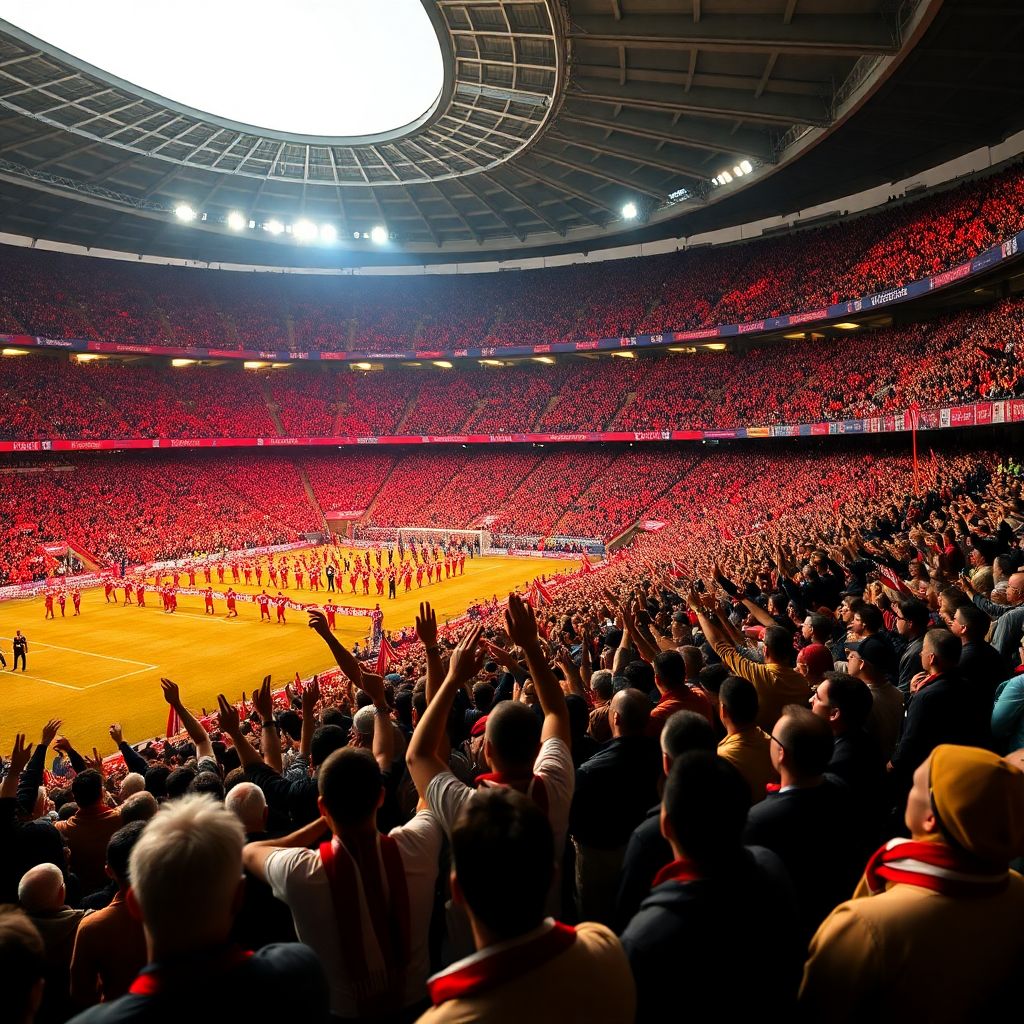
Religion and ritual in the football stadium refers to the quasi-sacred ways fans sing, move, dress and repeat actions to give matches meaning beyond sport. Chants work like collective prayers, superstitions like personal rites, and liturgies like shared scripts that organise time, space and emotion in the stands.
Core Concepts: Faith, Ritual and Fandom
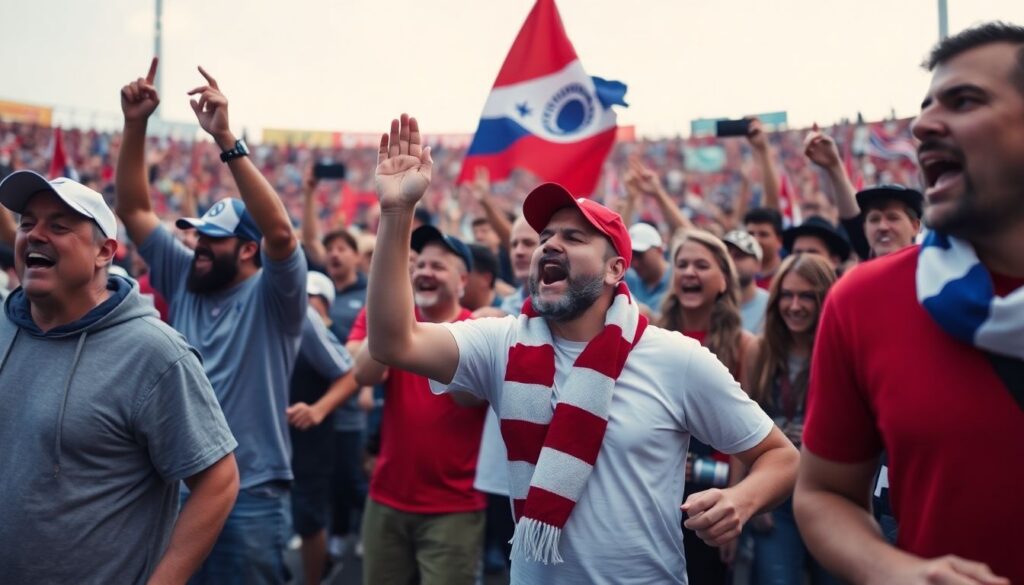
- Ritual in football is about repeated, symbolic actions (chants, gestures, routes to the stadium) that structure matchday experience.
- These actions create a sense of faith: trust in the team, in the group, and in stories that explain victory and defeat.
- Liturgies are shared scripts of when and how fans sing, celebrate, mourn or protest during the ninety minutes.
- Superstitions personalise belief, giving individuals and small groups the feeling of influencing or aligning with the match outcome.
- Material culture (scarves, flags, murals) turns stadiums into sacred spaces where identity is displayed and defended.
- Conflict and communion coexist: rituals can unite the home crowd while deepening rivalries and moral boundaries with others.
Myths and Origin Stories of Football Rituals
In the stadium, religion and ritual take the form of origin stories about first songs, legendary away trips or promises made to club icons. These myths do not need to be historically accurate; their power lies in explaining why a group sings, marches or suffers in a particular way.
Typical myths anchor rituals to decisive matches, promotions, relegations or tragedies. A chant may be said to have been born on a rain-soaked night, or a banner to have «saved» the club during a crisis. Over time, these stories create an informal theology of sacrifice, loyalty and destiny.
For researchers or fans using libros sobre religión y fútbol to understand this world, the key is to separate verifiable history from narrative function. Myths justify who belongs, who leads songs, why a certain gate is the «real» entrance, and why some colours or numbers are taboo.
Mini-scenario (local club in Spain): a Peña in Andalusia tells newcomers that their pre-match walk from a specific bar to the stadium «must» follow the old route used during a famous promotion season. Whether the story is strictly true matters less than the shared feeling of walking inside club history.
Stadium Chants as Collective Prayer
Chants are the clearest bridge between religion and football. They create sync, focus and emotional peaks, much like congregational prayer or hymn-singing. Their structure and timing follow an unwritten liturgy that regulars quickly internalise.
- Call and response: A capo or leading sector initiates, the rest answer. This mirrors priest-congregation dynamics and concentrates authority in certain stands.
- Repetition and mantra effect: Short lines repeat for minutes, producing a trance-like rhythm that keeps attention on the team and blocks outside thoughts.
- Sacred vocabulary: Words like «eternal», «until death», «faithful» and references to saints or miracles give chants quasi-religious weight.
- Chronological liturgy: Specific songs belong to specific times: entrance songs, anthems at kick-off, defiant chants when the team is losing, lullabies to «protect» a lead.
- Spatial choreography: Certain chants trigger jumps, waves, the turning of backs or raised scarves, transforming the terrace into a moving altar.
- Moral instruction: Chants about betrayal, loyalty, «real» fans or hated rivals teach norms and punish those who break group expectations.
Mini-scenario (planning a visit): if you buy entradas para partidos con mayor ambiente en estadios de fútbol, expect a learning curve. Observe when regulars stand, sing or remain silent; joining at the right moments is how visitors show respect to the local chant liturgy.
Superstitions: Personal Rites and Team Beliefs
Superstitions are individual or small-group rituals believed to influence luck, momentum or «energy» around the team. They are less formal than chants but equally persistent, and often passed down through families or friendship groups.
- Matchday clothing routines: Always wearing the same scarf, socks or «lucky» jacket, or refusing to wash a shirt during an unbeaten run. These personal dress codes coexist with official camisetas y merchandising de hinchadas y barras bravas, but with added emotional charge.
- Fixed travel and seating patterns: Taking the same metro carriage, entering through the same gate or sitting in the same seat because «we never lose from here». Changing the pattern is felt as tempting fate.
- Food and drink taboos: Only drinking after the first goal, avoiding alcohol before derbies, or always sharing a specific snack at half-time to «unlock» the attack.
- Media and technology rules: Turning off live notifications when the team is defending, or refusing to watch penalties directly on TV, following a belief that «every time I look, we miss».
- Collective omens in the stand: Some groups interpret early tackles, referee behaviour or the first corner as signs of how the night will unfold, adjusting chanting intensity accordingly.
Mini-scenario (family ritual): a parent in Madrid insists that their child must touch a club crest mural on the way into the stadium. When the team wins, the action becomes non-negotiable for future games, folded into the family’s private matchday liturgy.
Material Culture: Icons, Banners and Sacred Objects
Objects in and around the stadium work like religious icons. Scarves, tifos, drums and murals condense memory, identity and obligations into visible symbols. They turn an ordinary concrete structure into a place marked as «ours», with rules and expectations attached.
Symbolic strengths of material culture
- Transforms anonymous stands into recognisable «home territory» through colours, slogans and portraits of heroes or martyrs.
- Provides portable altars: flags, drums and megaphones around which micro-communities gather during matches.
- Offers tangible entry points for newcomers: buying first scarves or shirts is often the first serious step into fandom.
- Makes emotions durable: a banner referencing a relegation, disaster or historic comeback keeps trauma and pride visible for years.
- Supports storytelling in documentales sobre rituales y cánticos en el fútbol, where cameras can show how objects carry myths across generations.
Limitations and risks in sacred objects
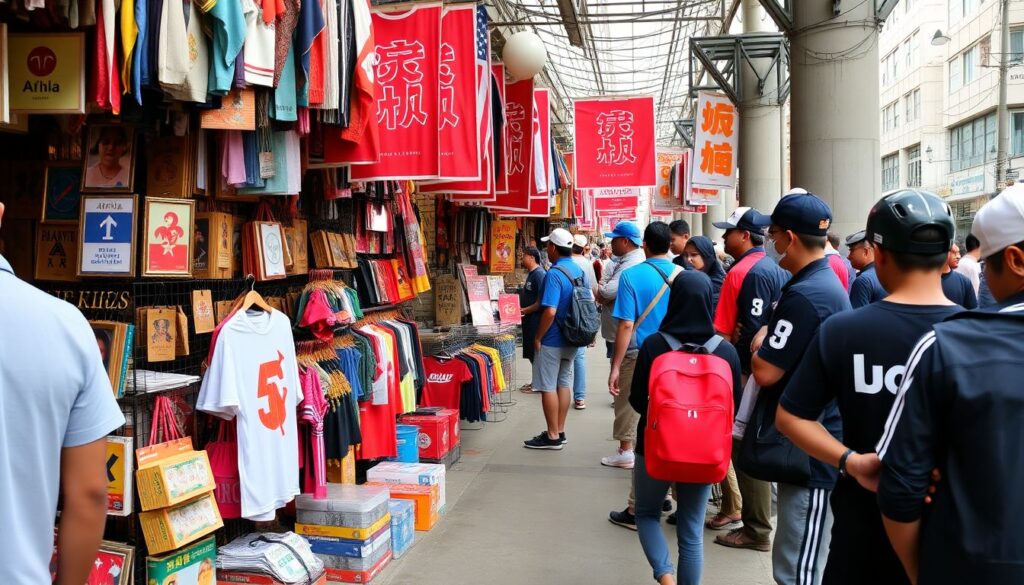
- Commercialisation can hollow out meaning when deeply rooted symbols become generic souvenirs with little connection to local history.
- Some images and slogans reinforce exclusion, sexism, racism or violent rivalry, turning identity into aggressive boundary-making.
- Overemphasis on expensive gear can create class barriers between «properly equipped» fans and those with fewer resources.
- Highly centralised visual control (by club or ultras only) may silence alternative supporter narratives and rituals.
- Relations with authorities over pyrotechnics, drums or large banners can trigger policing interventions that disrupt the ritual flow.
Mini-scenario (new fan in Spain): a student joins a supporters’ group and is told not just what scarf to buy, but how to hold it during the anthem, when to lower it, and which older banner to greet when entering the stand.
Ritual Performance: Timing, Space and Choreography
Performance is where belief becomes visible. But liturgies often fail or misfire because of coordination problems, misplaced symbolism or imported practices that do not fit local culture. Understanding typical errors helps both fans and clubs respect the existing ritual ecosystem.
- Forcing «ultra» styles without roots: Copying another club’s songs, rhythms or gestures without local adaptation can feel empty, especially in Spain where historical, regional and linguistic differences matter.
- Ignoring acoustic and spatial reality: Planning complex choreographies that look good on TV but are impossible to hear or coordinate from certain tiers or corners of the stadium.
- Club-imposed noise without shared meaning: Playing pre-recorded chants at full volume replaces rather than supports organic singing, weakening the sense that fans collectively create the atmosphere.
- Mis-timed rituals: Launching big tifos or anthem replays at tactically tense moments, when the crowd wants to focus silently on the pitch.
- Flattening diversity of styles: Treating all fans as one homogeneous «crowd» and neglecting how different sectors (families, ultras, older socios) use space and time differently.
- Confusing education with control: Some initiatives, like cursos online sobre sociología и cultura del fútbol, help people interpret rituals; but when clubs use «education» mainly to sanitise or depoliticise the stands, trust erodes.
Mini-scenario (club initiative): a La Liga club introduces a new pre-kick-off light show. It succeeds in hospitality zones but clashes with the traditional a cappella anthem in the singing end, which responds by turning their backs to the screen until the club adjusts the timing.
Conflict and Communion: Sectarianism, Identity and Moral Order
Stadium rituals both unite and divide. They create solidarity among those who share songs and colours, while establishing moral distance from rivals, authorities or even «plastics» within the same fanbase. Religion is a useful metaphor because it captures this mix of warmth, obligation and potential intolerance.
In many Spanish contexts, club identity overlaps with neighbourhood, class, regional or political lines. Derby chants, banners and matchday routes mark who is «us» and who is «them». Sometimes these lines are playful, sometimes they resemble sectarian boundaries, with strong feelings about purity, betrayal and redemption.
Mini-scenario (derby case from a fan perspective):
Situation: A fan group in a major Spanish city prepares for a high-tension derby. Their liturgy includes meeting at a traditional bar, marching with drums, singing a specific «anti-rival» hymn and unveiling a tifo referencing a controversial past match.
Ritual script (pseudo-steps):
- Gather at bar; senior members repeat origin story of the march and remind newcomers of behavioural rules (no filming certain chants, respect elders).
- Begin march; drums set tempo, call-and-response songs reaffirm in-group virtues (loyalty, bravery) and rival’s vices (cowardice, treason).
- Arrive at stadium; group performs a brief silence «for those who cannot be here», echoing religious remembrance.
- At kick-off, tifo rises; imagery portrays the home club as guardian of the city, rival as outsider, framing the match as a moral contest.
- If the team wins, the group attributes success partly to having «done the ritual properly»; if not, debates begin about who broke which element of the script.
This sequence shows how chants, superstitions and liturgies manage both communion (within the group) and conflict (with rivals), turning ninety minutes into a dense moral drama rather than simple entertainment. For outside observers, good documentales sobre rituales y cánticos en el fútbol or detailed match ethnographies can make this logic visible.
Practical Clarifications and Common Misunderstandings
Is football fandom really a form of religion?
It is not religion in the doctrinal or institutional sense, but it uses religious-like rituals: pilgrimage, chants, sacred times and spaces, origin myths and moral codes. Thinking in religious terms helps analyse intensity, not equate clubs with churches.
Do superstitions actually affect what happens on the pitch?
There is no evidence that a fan’s ritual changes the physical outcome of a shot or save. What superstitions clearly do is manage anxiety, create a sense of control and strengthen emotional bonds to team and tribe.
How can a new fan respectfully join existing stadium rituals?
Arrive early, watch and listen before copying, and ask regulars about meanings when appropriate. Learning when to sing, keep silent or raise a scarf matters more than owning the latest camisetas y merchandising de hinchadas y barras bravas.
Are club-organised shows and music replacing traditional chants?
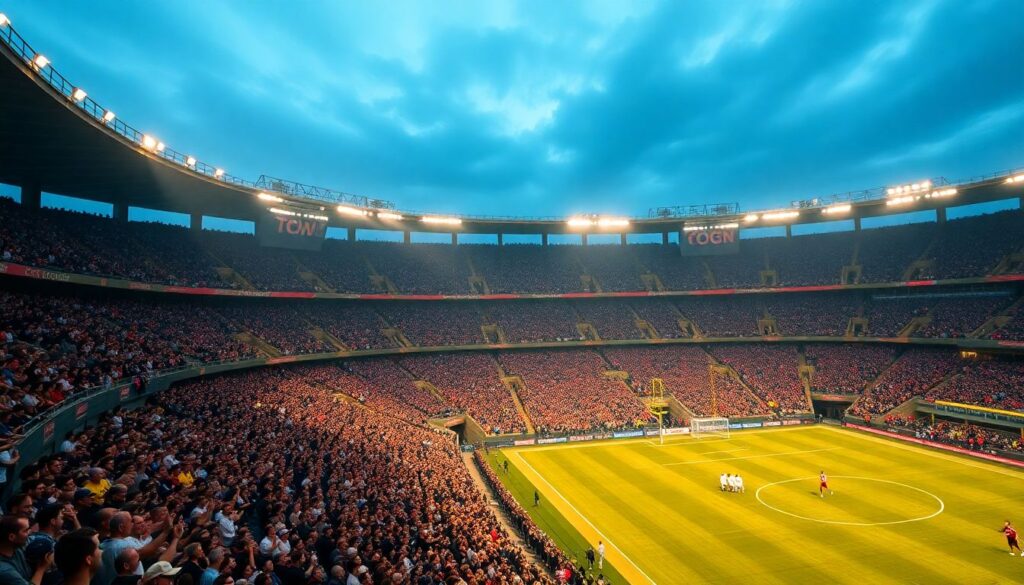
They can support or undermine them. When carefully timed and co-created with active groups, they frame fan rituals. When imposed from above at high volume, they tend to drown out organic singing and weaken the sense of collective authorship.
Can stadium rituals become dangerous?
Yes, when they legitimise violence, dehumanise rivals, or pressure individuals to cross legal and ethical lines. Recognising the sacred feel of the stadium is important precisely because it shows why some fans may obey group norms over formal rules.
How useful are books and courses for understanding this culture?
Good libros sobre religión y fútbol and well-designed cursos online sobre sociología y cultura del fútbol can provide frameworks and vocabulary to interpret what you see and hear. They do not replace lived experience but can deepen it and reduce stereotypes.
Is it possible to enjoy intense atmosphere without joining every ritual?
Yes. Many fans choose partial participation: standing and clapping but not chanting insults, following some traditions but rejecting others. Being clear about your own limits helps you navigate a powerful but sometimes demanding communal space.