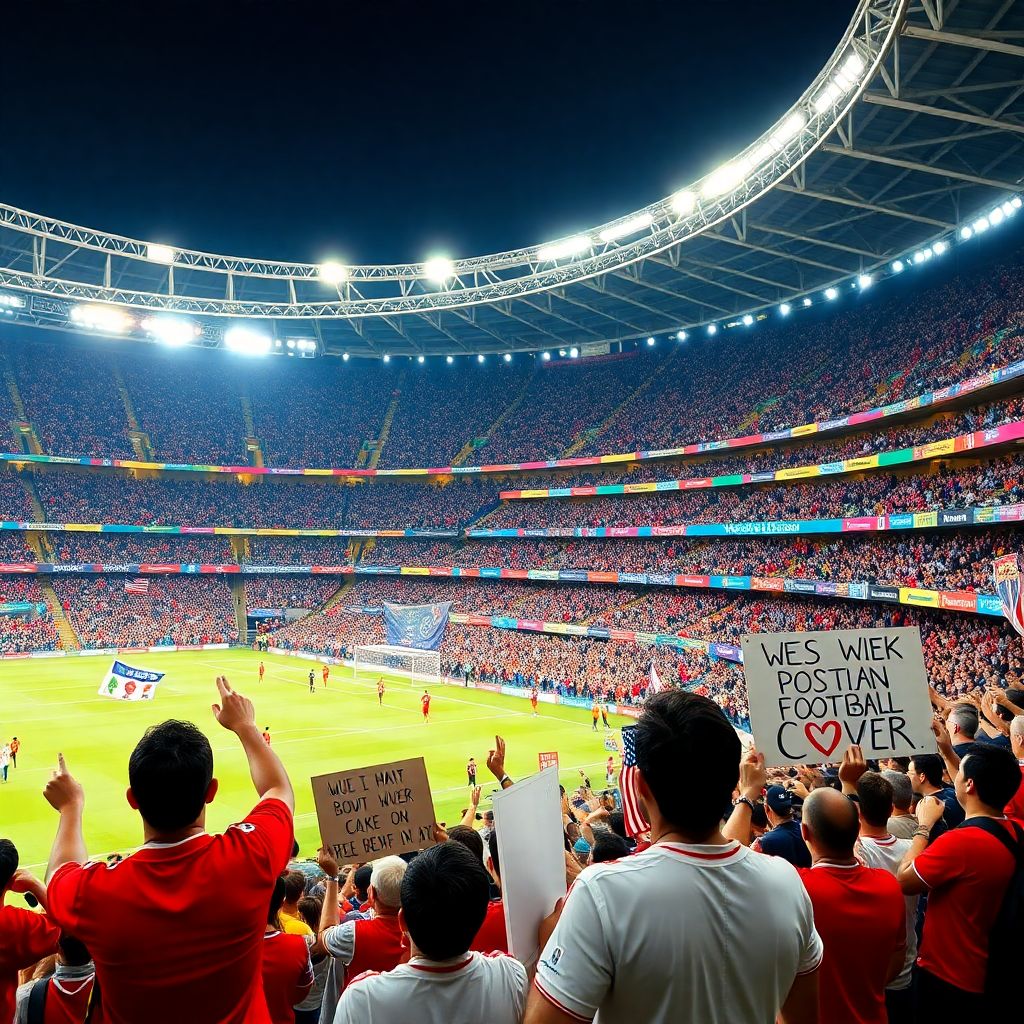
World Cups are not only football tournaments but strategic stages in the geopolítica del deporte mundial. Host states use them as soft power tools to shape imagen país y eventos deportivos, attract investment and tourists, and, at times, engage in sportswashing to distract from rights abuses or political conflicts.
Executive primer: soft power, image and sportswashing at World Cups
- Soft power in football means influencing others through attraction and credibility, not military or economic pressure.
- World Cups help states rebrand, showcase modernity and signal regional or global leadership ambitions.
- Sportswashing appears when hosts use the event to clean reputations while core problems remain untouched.
- Russia 2018 and Qatar 2022 showed how security, labour rights and foreign policy controversies enter football debates.
- Understanding sportswashing qué es requires linking stadium images to policies on media freedom, migrants and opposition.
- Fans, journalists and sponsors can slow reputational manipulation by asking simple, verifiable human rights questions.
Quick practical guidance for watching World Cups critically
- Before the tournament, read a short human rights overview of the host country from at least two independent organisations.
- During broadcasts, note what is shown repeatedly (infrastructure, luxury, leaders) and what is absent (protests, poor areas).
- Separate on-pitch performance from off-pitch governance: enjoy the game while still criticising abuses.
- Follow local journalists and NGOs from the host country, not only international media narratives.
- After the World Cup, check whether promised reforms on labour, transparency or inclusion were actually implemented.
World Cups as Instruments of Soft Power
Soft power is the capacity to get others to want what you want, mainly through culture, values and policies that look attractive. In the context of poder blando y deporte, World Cups are mega-events where states try to appear modern, safe, competent and culturally appealing to global audiences.
Hosting a World Cup sends several geopolitical messages at once. Domestically, governments project control, efficiency and national unity. Internationally, they communicate that the country is open for tourism and investment, stable enough to manage complex logistics, and worthy of a bigger voice in regional or global governance debates.
In the broader geopolítica del deporte mundial, World Cups work like giant diplomatic fairs. Leaders meet in VIP boxes, trade deals are discussed in hospitality lounges, and narratives about climate, migration or security are negotiated alongside match results. The tournament thus becomes a concentrated moment of soft power projection and contestation.
This is why controversies around Mundiales de fútbol y sportswashing are so intense. When a state with authoritarian practices or deep inequalities hosts the event, the dazzling soft power show collides with reports of repression, corruption or environmental damage, raising doubts about the authenticity of the image being promoted.
Nation Branding: crafting and projecting a desirable image
Nation branding is the strategic management of a country's reputation, where public authorities and private actors design how the state should be perceived abroad. World Cups magnify these efforts because they guarantee global visibility and emotional engagement around football.
- Message design: Governments define core themes (innovation, tradition, hospitality, sustainability) and key phrases that will be repeated across ceremonies, slogans and official speeches.
- Visual infrastructure: Stadium architecture, transport systems, public art and fan zones are curated to embody the desired imagen país y eventos deportivos.
- Media choreography: Controlled access, guided press tours and sponsored documentaries steer journalists towards "safe" narratives, minimising exposure to dissent or poverty.
- Digital storytelling: Coordinated campaigns on social media promote hashtags, influencer visits and feel-good stories that align with the branding strategy.
- Tourism and investment packaging: During the tournament, authorities highlight specific sectors (tech, green energy, culture) to convert attention into long-term economic relationships.
- Cultural diplomacy: Concerts, exhibitions and educational exchanges piggyback on the World Cup to project national culture as creative and tolerant.
Nation branding around World Cups is not neutral. Choices about which stories to tell and which neighbourhoods to hide reflect power relations inside the host country, including whose identity is presented as "authentic" and whose is sidelined.
Sportswashing: definitions, modalities and red flags
Sportswashing describes the use of sporting events, clubs or sponsorships to launder or soften a damaged reputation. Asking "sportswashing qué es" in concrete terms means tracking how the emotional glow of football is mobilised to overshadow discussions about human rights, corruption or external aggression.
World Cups can become sportswashing tools in several recurring scenarios:
- Authoritarian rehabilitation: States with limited political freedoms host a tournament to appear reformist and open, while keeping tight control over elections, media and civil society.
- Conflict distraction: Governments involved in controversial wars or occupations use the event to normalise their international image and reduce diplomatic pressure.
- Corruption cover: Elites facing major financial or governance scandals associate themselves with the national team or organising committee to rebrand as patriotic modernisers.
- Labour and migrant masking: Host countries with exploitative labour systems promote glossy narratives about jobs and opportunity, hiding unsafe conditions or discrimination against migrant workers.
- Environmental greenwashing via sport: Authorities market "eco-stadiums" and offset schemes while continuing high-emission policies or destructive mega-projects beyond the football spotlight.
Red flags include heavy restrictions on journalists and activists during the event, criminalisation of peaceful protests linked to the World Cup, and cosmetic reforms timed to the tournament but not embedded in enforceable law or independent oversight.
Applied mini-scenarios: reading recent World Cups
Scenario 1 (Russia 2018): A state with contested foreign policy and media freedom uses a well-organised tournament, friendly fan zones and curated city tours to present a normal, welcoming image that contrasts with critical news about interference abroad or repression at home.
Scenario 2 (Qatar 2022): A small but wealthy country invests massively in infrastructure, global broadcasting and sponsorships to shift perceptions from labour exploitation and limited political participation towards innovation, connectivity and cultural dialogue in the Gulf region.
Actors and networks: states, federations, sponsors and media
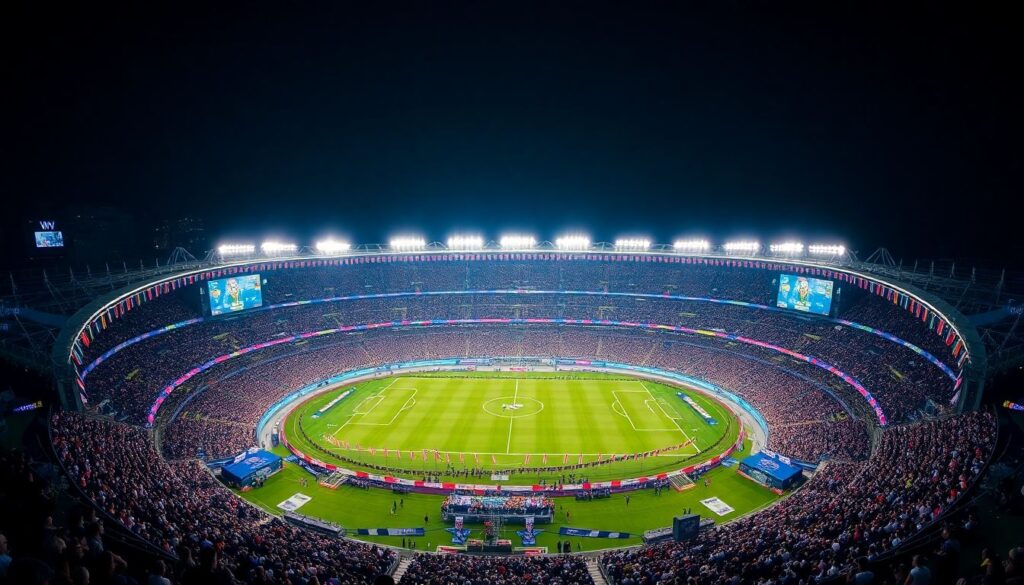
World Cups function through dense networks rather than single actors. States try to lead, but FIFA, continental federations, sponsors, broadcasters and security partners all shape what kind of soft power and sportswashing potential the event carries. Understanding these roles helps identify both possibilities and limits for change.
From a governance perspective, power is fragmented. FIFA controls hosting rules and disciplinary procedures, while sponsors influence commercial visibility and sometimes human rights clauses. Broadcasters choose narratives that will dominate public opinion in key markets, including Spain and Latin America, where debates on geopolítica del deporte mundial are intense.
Benefits and leverage points of the main actors
- Host governments: Gain visibility, domestic legitimacy and bargaining power in diplomatic and economic negotiations.
- FIFA and federations: Increase revenues and influence over national associations, while projecting global leadership in football governance.
- Sponsors and brands: Access massive audiences and emotional attachment to teams, improving brand recognition and loyalty.
- Broadcasters and media: Secure ratings, advertising income and editorial agendas that can open or close critical discussions.
- Civil society and NGOs: Obtain rare windows of attention to raise rights concerns and push for specific reforms.
Constraints and structural limitations across the network
- Economic dependence: National federations and local organisers often rely on FIFA and sponsors, reducing their willingness to criticise abuses.
- Legal and political risks: Journalists, whistleblowers and activists may face intimidation, lawsuits or censorship in host states.
- Short attention span: Global interest peaks only for a few weeks, creating pressure to prioritise spectacle over deeper investigations.
- Fragmented accountability: Diffuse responsibilities between public and private actors make it easier to shift blame when problems appear.
- Fan ambivalence: Supporters may oppose abuses but still reward problematic hosts with high viewership, reducing pressure on decision-makers.
Assessing outcomes: reputation, policy leverage and lasting legacies
Evaluating whether a World Cup improved a country's reputation or simply enabled sportswashing is complex. It requires looking beyond the final match and tracking policy changes, narratives and material impacts over several years, without confusing short-term enthusiasm with long-term legitimacy.
- Myth: "Any visibility is good visibility" – In reality, intense scrutiny can harden negative images, especially if scandals dominate coverage.
- Myth: "Infrastructure equals progress" – New stadiums and transport can become underused or deepen inequality if not integrated into broader urban and social plans.
- Myth: "Criticism fades once the ball rolls" – Some controversies resurface in later diplomatic negotiations, sponsorship decisions or athlete activism.
- Myth: "Sports and politics do not mix" – Selection of hosts, opening ceremonies and even player gestures routinely carry political meaning and consequences.
- Myth: "Legacy is automatic" – Positive outcomes require deliberate policies on participation, grassroots sport, inclusion and environmental management, not just tournament delivery.
To assess legacies, analysts should compare promised objectives with measurable follow-up: diversification of the economy, legal reforms on labour or discrimination, transparency of public spending and the durability of any international partnerships initiated around the event.
Policy and civic responses: transparency, conditionality and accountability
Because Mundiales de fútbol y sportswashing are now openly discussed, international organisations, governments, federations and citizens have more space to demand minimum standards. The aim is not to end mega-events but to align them with human rights, social justice and environmental responsibility.
A practical policy approach often combines three levers:
- Transparency: Publish bidding documents, contracts, stadium budgets and security agreements, enabling independent scrutiny and investigative journalism.
- Conditionality: Tie hosting rights and sponsorship deals to clear benchmarks on labour standards, media freedom, non-discrimination and community consultation.
- Accountability: Create mechanisms (ombuds offices, complaint channels, parliamentary inquiries) that can investigate abuses linked to the World Cup and recommend remedies.
Consider this simplified "pseudo-code" for an ethical hosting decision:
IF host.meets_core_rights_standards AND host.accepts_independent_monitoring THEN

  award_tournament_with_clear_conditions()

ELSE

  delay_or_relocate_event()

END IF
For fans and media in Spain and other countries, a modest but concrete response is to integrate at least one segment or article on human rights and governance whenever discussing imagen país y eventos deportivos or poder blando y deporte in the World Cup context.
Comparing soft power uses and sportswashing practices
| Dimension | Legitimate soft power use | Problematic sportswashing use |
|---|---|---|
| Main intention | Share culture, improve mutual understanding, attract fair investment and tourism. | Hide or dilute criticism of serious rights abuses or aggressive policies. |
| Policy change | Backed by genuine legal and institutional reforms before and after the event. | Relies on cosmetic promises or temporary measures timed to the tournament. |
| Voices included | Allows independent media, NGOs and affected communities to speak and monitor. | Restricts dissent, censors reporters, intimidates activists and workers. |
| Legacy orientation | Aims for broader social benefits, such as grassroots sport or urban inclusion. | Prioritises elite prestige projects with limited public use or access. |
| Global perception | Seen as credible improvement consistent with long-term trends. | Viewed as image management disconnected from domestic realities. |
Practical clarifications and recurring dilemmas
Is every World Cup host automatically engaging in sportswashing?
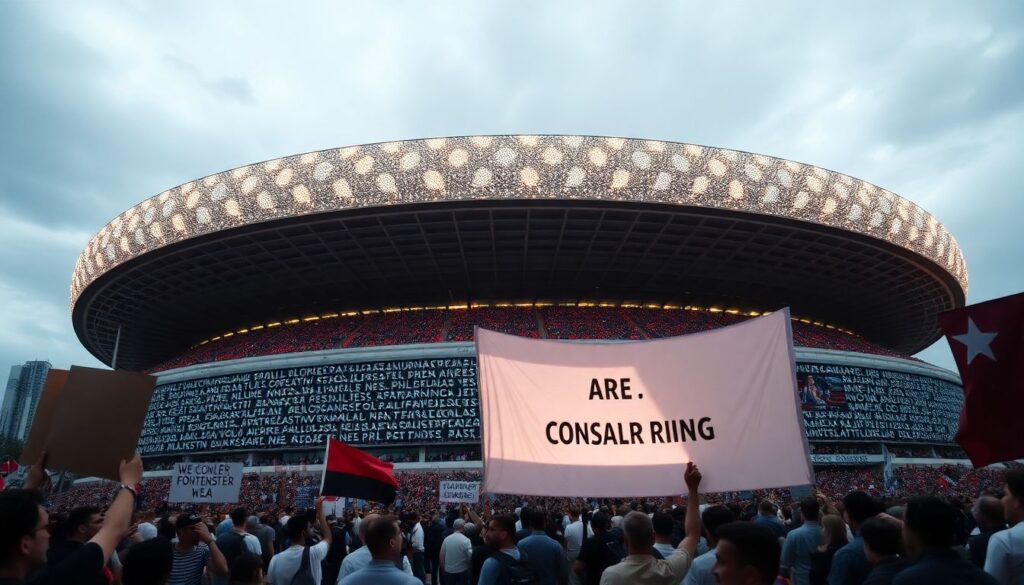
No. Hosting a World Cup is not in itself sportswashing. It becomes sportswashing when the event is deliberately used to whitewash serious, ongoing abuses without credible reforms or open debate.
Can democratic countries also use World Cups for problematic image management?
Yes. Even democratic states can overemphasise glamour, downplay inequalities or avoid discussing controversial policies. The difference is that in democracies, media and voters usually have more tools to contest these narratives.
How can an ordinary fan in Spain respond without boycotting football entirely?
Fans can stay informed, support independent journalism, amplify voices of workers and activists from host countries, and pressure sponsors or federations through petitions and targeted campaigns instead of total disengagement.
Do World Cups actually change foreign policy decisions by other states?
They rarely transform core foreign policy interests, but they can adjust tones, open dialogue channels or influence how urgently other governments push on specific human rights issues.
What indicators help distinguish genuine reform from pure public relations?
Look for binding laws, independent monitoring bodies, transparent budgets, and evidence of enforcement that continue after the tournament, not only during the global spotlight.
Are smaller or richer states more likely to host for soft power reasons?
Both. Smaller states may use hosting to gain visibility they otherwise lack, while richer states can afford the costs to reinforce leadership claims. Motivations and risks vary more by regime type and domestic politics than by size alone.
How do club-level investments relate to World Cup sportswashing?
State-linked investments in clubs and leagues can complement World Cup strategies, building continuous positive associations with a country. They extend soft power campaigns beyond the short tournament window.